

Are Lunisk Correction Glasses truly the groundbreaking solution to your vision problems, or are they merely an overpriced, cleverly marketed gimmick? With bold claims of treating conditions like myopia, farsightedness, and astigmatism naturally, these pinhole-style glasses have caught significant attention online. But, as always, when something sounds too good to be true, it’s worth examining closely.
In this comprehensive article, we’ll dissect Lunisk Correction Glasses in detail, examine how the scheme operates, and offer actionable advice if you’ve fallen victim to this product.
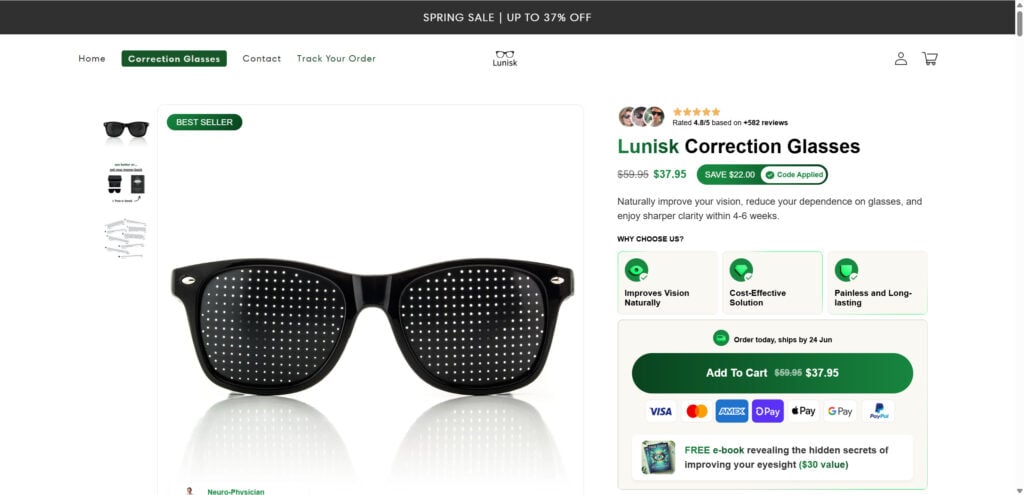
Overview of Lunisk Correction Glasses
Lunisk Correction Glasses have made bold promises across their marketing channels, positioning themselves as a revolutionary alternative to traditional vision correction methods like glasses, contact lenses, and surgical interventions like LASIK. According to their website and promotional materials, just 20 minutes of daily wear can improve your eyesight dramatically within just 90 days. They suggest their glasses can permanently correct a variety of visual impairments, including:
- Myopia (nearsightedness)
- Hyperopia (farsightedness)
- Astigmatism
- Presbyopia (age-related farsightedness)
The product itself is relatively simple: a pair of glasses with small, regularly spaced pinholes in opaque lenses. This design, known as pinhole glasses, is not new—it’s been around for decades and used occasionally in clinical settings to briefly improve visual acuity for diagnostic purposes.
The fundamental idea behind pinhole glasses is based on the physics of vision. By limiting the amount of scattered light entering the eye, these glasses can temporarily reduce blurriness. This can provide sharper focus by restricting peripheral vision and narrowing down incoming rays of light, essentially mimicking the effect of squinting your eyes. However, the crucial fact often omitted or glossed over in Lunisk’s marketing is that these effects are strictly temporary.
To understand clearly, let’s briefly touch upon the science behind visual conditions these glasses claim to cure. Vision problems such as myopia, hyperopia, and astigmatism stem from structural irregularities in the eye. Myopia happens when the eyeball is slightly elongated, causing images to focus in front of the retina instead of directly on it. Conversely, hyperopia is due to the eyeball being slightly shorter, causing images to focus behind the retina. Astigmatism arises from an irregularly shaped cornea or lens. These structural characteristics cannot be permanently changed by simply limiting the incoming light—certainly not by wearing pinhole glasses periodically.
Despite these scientific realities, Lunisk promotes their product with a promise of permanent correction, which attracts thousands of hopeful buyers. Their online presence is polished, featuring testimonials and bold statements purportedly backed by scientific claims. Unfortunately, upon closer inspection, the actual scientific backing is vague at best, with no verified peer-reviewed studies supporting the permanent vision improvements claimed.
Additionally, consumer reviews on trusted platforms like Trustpilot reveal an alarming number of dissatisfied customers. Complaints frequently include:
- Poor build quality (e.g., scratched lenses, flimsy frames)
- Shipping delays and damaged products upon arrival
- Deceptive refund policies and challenging return processes
- Customer service that is hard to reach or entirely unresponsive
Moreover, the return policy involves shipping products back to China, often at significant expense to the customer, which further discourages returns and refunds.
When buyers search for Lunisk Correction Glasses online, the product is often presented alongside supposedly independent endorsements from health sites. These endorsements frequently appear dubious or are presented without verification from trusted ophthalmologists or optometrists.
All these elements combined cast serious doubt on Lunisk’s legitimacy. While the pinhole glasses themselves have some practical, temporary uses, the aggressive marketing and misleading claims suggest that Lunisk is less interested in genuine eye care than in exploiting the vulnerabilities of consumers desperate for an easy fix.
How the Scheme Works
To fully grasp the Lunisk Correction Glasses scheme, we must understand each phase of how this dubious business operates step-by-step:
Step 1: Attractive Marketing & Bold Claims
The cycle begins with heavily funded online marketing campaigns. Lunisk Correction Glasses ads flood platforms like Facebook, Instagram, YouTube, and even Google search results. Ads often feature dramatic before-and-after visuals, glowing customer testimonials (usually unverified), and claims of rapid, permanent vision correction. The marketing messages are carefully crafted to appeal to those fed up with traditional eyewear or unable or unwilling to undergo surgery.
Step 2: Appealing Price & Limited-Time Offers
The pricing strategy typically involves an inflated original price with substantial discounts or promotional codes applied automatically at checkout. This creates a sense of urgency and perceived value. Customers often pay around $35 to $50, convinced they’re snagging a great deal. However, when compared to the wholesale costs on platforms like Alibaba (around $0.50-$1 per pair), the markup becomes obvious.
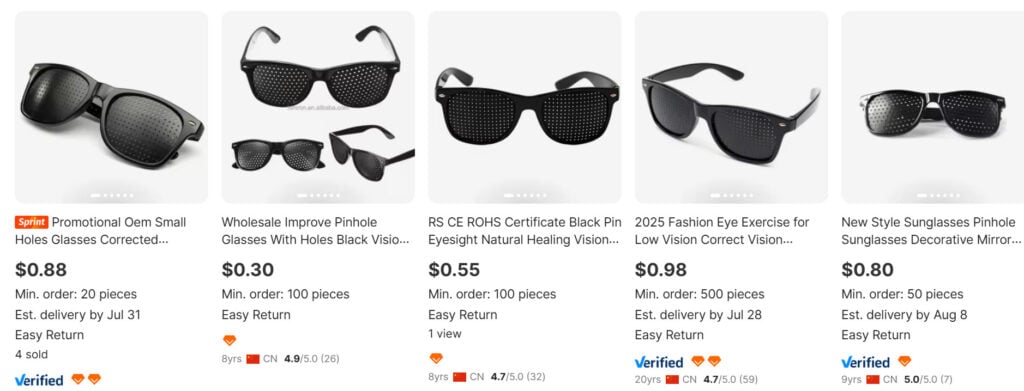
Step 3: Dropshipping Model
Lunisk primarily uses a dropshipping model. After receiving customer orders, they directly forward them to a low-cost supplier, typically in China. This model allows Lunisk to avoid inventory and quality control costs, maximizing profits with minimal accountability.
Step 4: Slow Shipping & Poor Quality
Products shipped from overseas warehouses in China often take weeks or even months to arrive. When they finally do, customers regularly report substandard quality—glasses arrive damaged, scratched, or flimsy. Furthermore, many complain about strong chemical odors due to low-quality manufacturing processes.
Step 5: Misleading Refund Policy
The real sting of Lunisk’s scheme emerges when customers attempt to seek refunds or returns. The company markets a “100% satisfaction guarantee,” which gives the illusion of risk-free purchasing. However, the fine print reveals a return address in China, shipping costs borne by the customer, and stringent conditions that most buyers find impossible to meet. Consequently, refunds are either negligible or outright denied.
Step 6: Non-existent Customer Service
When frustrated buyers try reaching out, customer service is typically unresponsive, slow, or provides generic, scripted responses that offer little to no real assistance. Ultimately, many customers abandon the refund process altogether, allowing Lunisk to retain the payment without delivering a genuinely beneficial product.
Step 7: Rebranding & Repeating the Cycle
Eventually, consumer backlash and negative reviews accumulate online, diminishing Lunisk’s brand reputation. The operators then often rebrand, selling the same or similar pinhole glasses under different names or websites. This allows the cycle to restart, continually capturing new, unaware buyers.
What to Do if You’ve Fallen Victim to This Scheme
If you purchased Lunisk Correction Glasses and now realize you’ve been scammed, take immediate action to mitigate your losses:
- Contact Your Bank or Credit Card Provider: Immediately dispute the charge. Explain clearly that you received a fraudulent product with deceptive advertising. Provide documentation and screenshots of your transaction and communication.
- File a Complaint: File reports with consumer protection agencies, such as the Federal Trade Commission (FTC) or the Better Business Bureau (BBB). Include details about misleading marketing and poor business practices.
- Leave Reviews and Report: Leave honest reviews on platforms like Trustpilot or social media. Your feedback can warn others.
- Avoid Further Contact: Ignore attempts from Lunisk to resolve the issue privately. They might attempt partial refunds or delays, making disputes harder to finalize.
- Seek Advice: If you’ve lost a substantial amount of money, consult legal advice or consumer rights organizations to explore potential further action.
The Bottom Line
Lunisk Correction Glasses are undeniably misleading in their claims of permanent, surgery-free vision correction. While pinhole glasses can temporarily improve clarity, the exaggerated marketing and poor customer experiences make this product a classic example of a deceptive dropshipping operation.
Always approach products promising miraculous health benefits with skepticism. When your vision and health are at stake, stick to trusted professionals and medically validated solutions. Your eyes deserve more than flashy marketing and empty promises—choose carefully, and always stay informed.
Frequently Asked Questions About Lunisk Correction Glasses
What are Lunisk Correction Glasses?
Lunisk Correction Glasses are marketed as a non-invasive solution for vision problems such as myopia, farsightedness, and astigmatism. They use a pinhole lens design that reduces scattered light to temporarily sharpen vision. However, there is no clinical evidence that they permanently correct eyesight.
Do Lunisk Glasses really work?
Only temporarily. Pinhole glasses can help improve clarity while you’re wearing them by limiting peripheral light. But this effect vanishes as soon as you take them off. There is no scientific proof that wearing Lunisk glasses daily can cure or permanently improve vision problems.
Is Lunisk Correction Glasses a scam?
Many users and experts believe Lunisk Correction Glasses are part of a misleading marketing scheme. While pinhole glasses themselves are not fake, Lunisk’s exaggerated claims of “natural vision correction in 90 days” are not backed by credible research. In addition, numerous complaints point to poor product quality, unresponsive customer service, and difficult return processes.
Are Lunisk glasses FDA approved or medically certified?
No. There is no public evidence that Lunisk Correction Glasses are FDA-approved or endorsed by any major medical or optometry association. The product is not a replacement for medically prescribed glasses or professional eye care.
How much do Lunisk Glasses cost?
Lunisk lists their glasses for around $37 to $60 with so-called “limited time discounts.” However, similar pinhole glasses are available on wholesale websites like Alibaba for under $1, suggesting an extreme markup for the same basic product.
Where are Lunisk Glasses made?
Although not clearly disclosed on the official website, most evidence points to Lunisk Glasses being sourced from low-cost manufacturers in China. Shipping times are often long, and products sometimes arrive damaged or of low quality.
Can Lunisk Glasses cure myopia or astigmatism?
No. Myopia, astigmatism, and other vision conditions involve structural issues with the eye. Pinhole glasses cannot alter eye shape or function. They may offer brief visual clarity, but they are not a cure or long-term solution.
What is the Lunisk return policy?
Lunisk claims to offer a 100% money-back guarantee, but users report it’s difficult or impossible to claim. Customers are often required to ship the product back to China at their own expense, and many report being denied full refunds even when following the policy exactly.
Is Lunisk a dropshipping business?
Yes. Based on the product sourcing, shipping timelines, and customer feedback, Lunisk appears to operate a dropshipping model. They do not manufacture the product but instead forward your order to a third-party supplier, usually overseas.
What should I do if I bought Lunisk Glasses and feel scammed?
If you believe you were misled by Lunisk:
- Contact your credit card provider or bank to dispute the charge.
- File complaints with the Federal Trade Commission (FTC) or Better Business Bureau (BBB).
- Leave an honest review on consumer websites.
- Warn others by sharing your experience on forums or social media.
- Consider reporting the website or ad if you saw it on Google, Facebook, or Instagram.








