

If you’ve been bombarded by ads for a “coffee trick to erase nerve pain,” you’re not alone, I clicked too. The pitch is slick: a natural supplement called Nu Nerve that you add to your morning coffee, promising fast relief from tingling, burning, and numbness. After watching the video, buying the product, testing it, and digging into the claims, I’ve reached a clear conclusion: the Nu Nerve coffee trick ads raise serious red flags. In this review, I’ll explain exactly why the marketing looks like a well-disguised scam, why the face of the brand -“Todd Greenwell” – appears to be a persona rather than a verifiable medical professional, and what to do if you already handed over your card details.
This is my honest, research-backed take so you can make a fully informed decision. It’s not medical advice, and if you have neuropathy or nerve pain, please talk to a licensed clinician. But if you’re on the fence about Nu Nerve, keep reading. The details matter here.
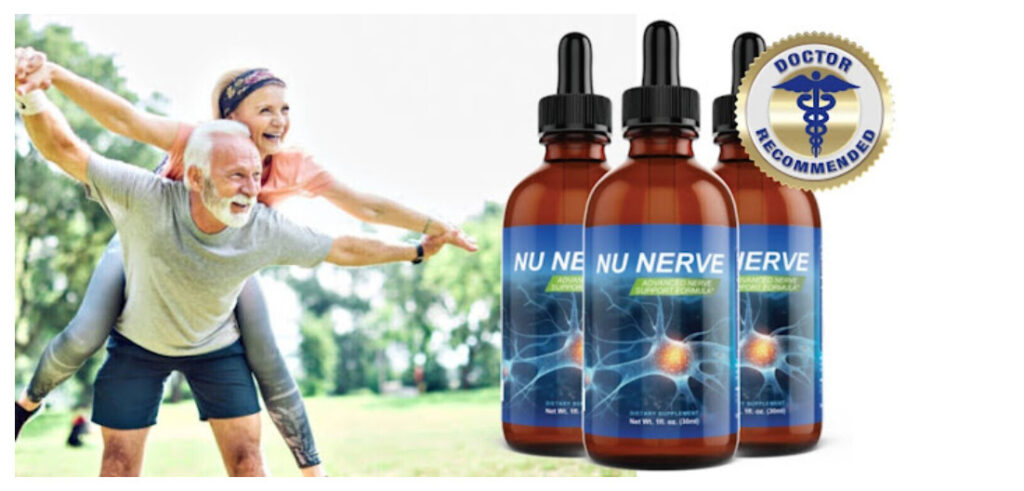
Overview: What Nu Nerve Is, What the “Coffee Trick” Promises, and the Red Flags That Follow
Nu Nerve is marketed as a liquid dietary supplement you can drop under your tongue or stir into coffee, tea, or juice. The ads, landing pages, and long-form sales video claim it can ease nerve pain in days, repair damaged nerves, regenerate Schwann cells, and restore mobility, without a prescription. The hook is the “coffee trick”: add Nu Nerve to your morning coffee and watch nerve pain fade. The spokesperson in the video, a man in a lab-coat style look named “Todd Greenwell,” is presented as a pain specialist who supposedly found the formula after helping his wife with neuropathy. The narrative is emotional, urgent, and polished.
Here’s the problem: almost every major claim is either unverified, exaggerated, or impossible to confirm. And the way these “Nu Nerve coffee trick” ads are structured is textbook for supplement funnels that lean on hype more than evidence.
What the Nu Nerve ads and sales pages typically promise:
- Relief from nerve pain, tingling, numbness, and burning within days
- A natural, science-backed formula discovered by “Todd Greenwell”
- No prescription needed, better than meds, and side-effect free
- Fixing the “root cause” of nerve damage (usually described as oxidative stress, inflammation, poor blood flow)
- A “limited-time” price, a 60-day money-back guarantee, and huge discounts for bundles
What’s actually shown:
- A long video sales letter (VSL) with dramatic music and a personal story
- Claims of clinical backing without links to published clinical trials on Nu Nerve itself
- Lists of familiar ingredients (B vitamins, alpha lipoic acid, curcumin, lion’s mane, palmitoylethanolamide/PEA, whole coffee fruit extract) paired with scientific buzzwords like BDNF (brain-derived neurotrophic factor), “near-instant absorption,” and “nanotechnology”
- Scarcity tactics: “final chance,” “only today,” “massive savings,” “about to sell out”
- An easy add-to-cart flow plus upsells for more bottles and ebooks
That last part, the combination of emotion, pseudo-science language, and urgency, drives impulse purchases. It also sets off alerts for anyone who’s seen similar “coffee trick,” “tonic,” or “one simple method” ads in the pain and weight loss space.
A closer look at the Nu Nerve formula and the evidence:
- B vitamins (B1, B6, B12): There is legitimate science here. Vitamin B12 deficiency can cause neuropathy, and appropriate supplementation helps if deficiency is the cause. B1 (thiamine) and B6 are essential for nerve function. But the key question is dosage, bioavailable forms, and your actual deficiency status. Without lab-confirmed deficiency, B vitamins are not a quick cure for neuropathy, and they certainly don’t “erase pain in days” for most people.
- Alpha lipoic acid (ALA): Some studies, especially in Germany, have used 600 mg/day ALA for diabetic neuropathy with modest benefits. Results are mixed across trials, and benefits tend to be gradual rather than dramatic. Dose matters, and many supplements underdose ALA or combine it with claims that go beyond the data.
- Curcumin (turmeric extract): Curcumin has anti-inflammatory properties but poor oral bioavailability unless formulated specifically for absorption. It is not a fast-acting nerve pain fix.
- Palmitoylethanolamide (PEA): There’s emerging research suggesting potential benefits for pain and inflammation. However, product-to-product differences in form, dose, and bioavailability are huge. Marketing phrases like “nano PEA” and “near-instant absorption” are meant to impress, but usually lack independent verification.
- Lion’s mane mushroom: Often linked to BDNF and cognition in small studies. Claims about “growing new healthy nerves” are overstated for human outcomes. Evidence in humans for neuropathy relief is thin.
- Whole coffee fruit extract: Some studies show it can transiently raise BDNF levels, but that’s not the same as clinically proven neuropathy relief. And mixing a supplement with coffee doesn’t magically convert it into a therapy.
In other words, some individual ingredients have interesting research. But that doesn’t make the “Nu Nerve coffee trick” a proven, clinically validated treatment for neuropathy or nerve pain. The leap from “these molecules have plausible mechanisms” to “you’ll feel brand-new in days by adding drops to coffee” is where the marketing outruns the science.
About “Todd Greenwell”:
A major plank of the pitch is the authority of its narrator. But I could not verify the credentials or even the identity of a pain specialist named “Todd Greenwell” who discovered Nu Nerve. Searches across medical licensing databases, academic publications, and professional directories turned up no credible matches that align with the story told in the ads. That doesn’t prove deception, but it’s a serious red flag. These funnels often use composite personas, staged photos, and voice actors to project trust. If a medical expert is real, there’s typically an easy trail to confirm credentials and practice history.
Pricing and the “guarantee”:
Nu Nerve typically pushes multi-bottle bundles with price anchoring ($69 per bottle for 1–2 bottles, $59 per bottle for 3, and $49 per bottle for 6, often with e-books and “free shipping”). A 60-day money-back guarantee is highlighted, but many consumers who buy into coffee trick supplement funnels report hurdles: restocking fees, return authorization hoops, slow responses, or claims denied due to fine print. I can’t speak for every buyer’s experience, but the pattern across similar offers is consistent.
Why this looks like a Nu Nerve scam to many viewers:
- No verifiable clinical trials on the finished product
- A spokesperson whose credentials and identity aren’t readily confirmed
- Heavy use of common supplement marketing tactics: scarcity, secret “trick,” miracle time frames
- Pseudo-technical phrases like “nanotechnology” and “near-instant absorption” without third-party validation
- Copy-pasted talking points and recycled “customer reports” across multiple sites
The bottom line of the overview: Nu Nerve’s ingredients are not inherently bad, and some have a scientific basis. But the specific claims in the Nu Nerve coffee trick ads are not supported by robust, product-specific evidence. The mismatch between marketing and verifiable data, plus the opaque spokesperson, makes this feel like a sophisticated, conversion-optimized supplement funnel rather than an evidence-based solution for neuropathy.
How the Nu Nerve “Coffee Trick” Operation Works
Understanding the playbook behind a “coffee trick” nerve pain offer helps you spot it faster and avoid losing money. Here’s a step-by-step breakdown of how the Nu Nerve coffee trick scam funnel typically works, based on common patterns in direct-response supplement marketing. Some details may vary across campaigns, but the blueprint is remarkably consistent.
Step 1: Targeted ads that promise a simple secret
You’ll first see Nu Nerve ads on YouTube, Facebook, Instagram, TikTok, or native ad networks. The hook is the same: “a simple coffee trick to erase nerve pain,” “do this in your morning coffee,” or “a doctor reveals a one-minute method for nerve relief.”
The ad:
- Features a photo of coffee, a dropper bottle, a concerned-looking older adult, or a person in a white coat
- Teases a discovery by a doctor or specialist who defied traditional medicine to help a loved one
- Avoids specific medical claims in the ad copy itself to pass platform policies, then pushes you to click “Watch Now” or “Learn More”
Behind the scenes, ad trackers and pixels log your click and assign you a unique ID, so the funnel can retarget you, cap the frequency, and tweak messaging to convert.
Step 2: A long-form video sales letter (VSL) with a personal story
Clicking through lands you on a page with a 30–60 minute video. You’re told not to skip or the video will “be taken down.” The VSL follows a well-worn script:
– Emotional hook: a story about a spouse or parent who suffered severe neuropathy
– Rejection of mainstream medicine: “No pill helped; doctors shrugged”
– Eureka moment: a scientific “insight” about BDNF, Schwann cells, or adenosine receptors that no one else is talking about
– Authority cues: “Todd Greenwell” in a lab-coat style setting, clinical-looking charts, references to universities or journals without explicit citations
– Dramatic before/after claims: from burning feet and sleepless nights to walking pain-free “in days”
– Instruction: add Nu Nerve to your coffee once a day to activate the benefits
– Call to action: buy now before the page is removed or the discount expires
The video length is intentional. The longer you watch, the more likely you are to buy. Time on page builds trust and makes you feel you “owe it” to yourself to try.
Step 3: Science-y language that sounds authoritative but doesn’t tie to product-specific proof
The VSL often throws around terms like:
– BDNF, neurogenesis, and nerve regeneration
– Schwann cells and myelin sheath repair
– Adenosine receptors and pain modulation
– Nanotechnology and near-instant absorption
– Proprietary blends and synergistic effects
Some of this has kernels of truth in lab or small clinical studies on isolated ingredients. But there’s a gap you should always look for: are there published, peer-reviewed clinical trials on the finished product, at the actual doses in the bottle, showing the promised outcomes in humans? With Nu Nerve coffee trick ads, that link is missing.
Step 4: Page structure that nudges you to purchase immediately
Under the video, you’ll see a few classic conversion boosters:
– Tiered pricing: $69 per bottle for 1–2 bottles, $59 for 3, $49 for 6
– Anchor pricing: “Retail $199, now $69”
– Urgency: countdown timers, “only 9 bottles left,” “final chance”
– Risk reversal: a 60-day guarantee highlighted in big text
– Social proof: “As seen on” badges, star ratings with no linked reviews, and testimonial blurbs without verifiable identities
When you click to buy, you might hit upsells:
- “Upgrade to 6 bottles for maximum savings”
- “Add two ebooks free”
- “Expedited shipping” for extra fees
- Sometimes a pre-checked box for a subscription or “priority renewal,” which can lead to recurring charges
Step 5: Post-purchase auxiliary tactics
Once you buy, a few things may happen:
– Cross-sell emails for related supplements, often under different brand names
– “We’re running low” reminders nudging you to buy more
– An attempt to keep your card on file for a future rebill or add-on program
– If you try to cancel or return, a multi-step process: request an RMA number, ship bottles back at your expense, wait for processing, and sometimes face a “restocking fee” not emphasized in the sales pitch
Many buyers give up due to friction. The funnel banks on this.
Step 6: Reputation laundering and “review” sites that don’t vet claims
Search for Nu Nerve coffee trick reviews and you’ll find:
– “News-style” pages that are actually affiliates, recycling the same talking points
– Press releases framed as reviews to fill Google with positive noise
– Domains with names like “customer-reports,” “latest-reviews,” or “breaking-health” that are part of the sales ecosystem
These sites rarely test the product. Their goal is to get you to click their link so they earn a commission.
Step 7: Brand hopping, domain swapping, and persona reuse
If regulators or platforms crack down, the offer may reappear:
– Under a new brand name but with similar formulas and claims
– On a fresh domain registered a few weeks prior, with privacy-enabled WHOIS
– With a “new” spokesperson who looks and functions like “Todd Greenwell” but uses a different name
This churn-and-burn approach lets the operation keep running even as individual pages get flagged.
Step 8: Refund hurdles and denial scripts
The 60-day guarantee is a key selling point. But when you try to use it, you may face:
– Delayed responses from support
– Requirements to return empty bottles with tracking
– Claims you missed the deadline due to shipping time
– Fees deducted from the refund for “restocking” or “shipping”
– Requests to “try it longer” before approving a return, pushing you past the window
Not every buyer hits this wall, but enough do that it’s a known pattern in this niche.
Is “Todd Greenwell” Real? A Cautious Look at the Spokesperson Persona
A big part of why people trust the Nu Nerve coffee trick ads is the person delivering the message. The man presented as “Todd Greenwell” speaks with confidence about neurology, pain, BDNF, and Schwann cells. He claims to be a pain specialist who solved his wife’s neuropathy. It’s compelling. It also appears unverified.
I searched medical licensing databases, healthcare provider directories, university faculty pages, and publication indexes. I couldn’t find a licensed pain specialist, neurologist, or researcher named “Todd Greenwell” whose credentials and location matched the story told in the VSL. Image searches did not return a clear match to a public professional profile. That doesn’t prove the person is fake, but it raises doubts.
Why this matters:
- Real doctors usually have searchable footprints: practice websites, state licenses, conference talks, Google Scholar pages.
- Ethical marketing identifies the spokesperson’s full credentials and makes them easy to verify.
- Many supplement funnels use composite personas, stock photography, stand-in presenters, or voice actors, to project authority.
If Nu Nerve or its marketers can provide a medical license number, a practice address, and verifiable academic or clinical credentials for “Todd Greenwell,” they should. Until then, it’s fair to treat the persona as a marketing device, not a source of clinical guidance.
What the Science Actually Says About Neuropathy and “Coffee Trick” Supplements
Let’s step away from the sales page and look at evidence-based realities. Neuropathy is a complex condition with many causes: diabetes, B12 deficiency, thyroid disease, chemotherapy, autoimmune conditions, alcohol misuse, infections, and others. No single supplement universally “erases” nerve pain in days for all patients.
- B12, B1, B6: If you’re deficient, targeted supplementation can help. For B12 neuropathy, medically supervised dosing (sometimes injections) may be needed. Taking a general supplement mixture without testing may not address the root cause.
- Alpha lipoic acid (ALA): Trials suggest modest benefits for diabetic neuropathy at 600 mg/day; benefits tend to be gradual. ALA can interact with some conditions and medications; talk to a clinician.
- Curcumin: Anti-inflammatory with poor bioavailability unless specially formulated; supportive, not a miracle cure.
- PEA: Early research is encouraging for some types of pain; product quality, dose, and consistency matter, and there’s no guarantee of quick results.
- Lion’s mane: Interesting for cognition; direct evidence for neuropathy relief in humans is limited.
- Coffee and whole coffee fruit extract: Coffee may modulate pain perception for some people; whole coffee fruit can transiently raise BDNF in small studies. Neither is a clinically proven therapy for neuropathy, and neither “regenerates nerves in days.”
If you’re dealing with nerve pain, speak to a clinician about:
- Confirming the underlying cause (A1C, B12, thyroid, medications, alcohol intake, autoimmune screening)
- Evidence-based treatments: duloxetine, pregabalin, gabapentin, tricyclics, topical capsaicin or lidocaine, physical therapy, and lifestyle changes like glycemic control
- Safe, targeted supplementation if indicated by labs and history
This balanced approach prevents you from spending money on hype while ignoring real, modifiable factors driving your symptoms.
What to Do If You Already Bought Into the Nu Nerve Coffee Trick
If you clicked, paid, and now regret it, you’re not stuck. Use this action plan to get your money back and protect your accounts.
- Document everything immediately
- Take screenshots of the ad, landing page, pricing, and any claims about “60-day refund,” “near-instant absorption,” and “coffee trick.”
- Save order confirmations, receipts, emails, and shipping notifications.
- Note dates, times, and the URLs you visited. If the page disappears, your screenshots become crucial.
- Cancel and request a refund, fast
- Email and call the company’s support as listed on your receipt. Use concise, direct language:
“I am requesting an immediate refund under your 60-day guarantee. Please cancel any future charges and confirm in writing.” - Ask for a return merchandise authorization (RMA) number if required.
- If they stall, follow up every 48 hours and keep a log of responses.
- Return the product with tracking, if needed
- If the company requires a return, ship it with tracking and signature confirmation. Keep the receipt and tracking number.
- Photograph the package and its contents before sealing.
- Dispute the charge with your bank or credit card
- If you hit resistance or silence, call your card issuer and file a dispute. Use the documentation you collected.
- Describe the purchase as a misleading online supplement offer with unverified medical claims and a guarantee that wasn’t honored.
- Mention that you attempted to resolve it directly and include dates and emails.
- Check for subscriptions or pre-checked “priority renewal”
- Log in to your account on the seller’s site (if any) and cancel any auto-ship or “priority renewals.”
- In PayPal, Apple Pay, Google Pay, or your bank portal, revoke merchant permissions to charge you again.
- Monitor for duplicate brands and cross-sells
- These funnels may rebrand or sell you “related” products. Filter future emails from the domain to a separate folder or unsubscribe.
- Be cautious of “we noticed you love Nu Nerve” offers from different sender names.
- Report the ad and the seller
- FTC: reportfraud.ftc.gov
- State Attorney General: find your state office and file an online complaint
- FDA MedWatch: if you experienced adverse effects from the supplement
- Internet Crime Complaint Center (IC3): if you believe there was intentional deception
- Platform reporting: flag the specific ad on YouTube, Facebook, Instagram, TikTok
- Consider privacy and data protection steps
- If the checkout page looked sketchy or asked for unnecessary info, monitor your accounts closely.
- Change passwords for email and payment services tied to the purchase.
- Consider a credit freeze if you shared sensitive data (you generally shouldn’t need to for a supplement, but some funnels ask for more than they should).
- Use your privacy rights (like CCPA opt-out if you’re in California) to request deletion of your data from the seller.
- Watch for return and refund traps
- Push back on “restocking fees” or denial scripts if they contradict the guarantee page you captured.
- Quote the exact guarantee wording from your screenshot when you escalate.
- Escalate if needed
- File a complaint with the Better Business Bureau and reference your case number.
- If the amount is significant and the company refuses to honor the guarantee, small claims court is an option. Many will settle before court when they see you’ve documented everything.
How to Spot and Avoid Supplement Scam Ads Next Time
Before you click “Buy,” run through this 60-second checklist:
- Miracle time frames
- “Erase nerve pain in days,” “overnight relief,” or “one simple morning trick.”
- Secret method
- “Doctors won’t tell you this,” “hidden cure,” “one food fix.”
- Unverifiable expert
- A spokesperson you can’t find in licensing databases or reputable directories.
- No product-specific clinical trials
- Lots of talk about ingredients but no links to peer-reviewed studies on the actual product and dosage.
- Scarcity pressure
- Countdowns, stock counters, “final chance,” “today only.”
- Overuse of science jargon
- “Nanotechnology,” “near-instant absorption,” “BDNF activation,” without third-party validation.
- Fake social proof
- “As seen on” logos, generic five-star blocks, testimonials with first names only, no verifiable profiles.
- Hidden subscriptions or pre-checked boxes
- Auto-ship disguised as a “priority savings” option.
- Opaque company info
- No physical address, no phone number, privacy-shielded domain, recent domain registration.
- Refund friction in the fine print
- Restocking fees, narrow windows, or requirements that contradict the big, bold guarantee.
Healthy skepticism doesn’t mean rejecting all supplements. It means separating credible, transparent brands from funnels built to convert at any cost.
Frequently Asked Questions About the Nu Nerve Coffee Trick Scam
Is Nu Nerve FDA-approved?
No. The FDA does not approve dietary supplements. Any claim or implication that Nu Nerve is “approved” would be misleading. Supplements are regulated differently from drugs, and they cannot legally claim to treat, cure, or prevent disease.
Can adding a supplement to coffee cure neuropathy?
There’s no high-quality evidence that simply mixing a supplement into coffee cures neuropathy. Some ingredients can be supportive under specific conditions, but neuropathy relief usually requires identifying the cause and using a mix of lifestyle, medical, and sometimes supplement strategies. Coffee itself is not a neuropathy therapy.
Are the Nu Nerve ingredients useless?
Not necessarily. B vitamins matter if you’re deficient. ALA has mixed but promising data for diabetic neuropathy at specific doses. PEA has emerging research. The issue is the marketing leap: from “these ingredients have potential” to “near-instant, broad, life-changing relief.” That leap isn’t supported.
Is “Todd Greenwell” a real doctor?
I found no verifiable credentials for a pain specialist named “Todd Greenwell” that match the claims in the ads. Without a medical license number, clinic address, and credible publications, it’s reasonable to treat the persona as a marketing spokesperson rather than a verifiable clinician.
What should I do if the seller refuses a refund?
Escalate. Document your request, return the product with tracking if required, and file a dispute with your card issuer. Report the ad to the FTC, your state Attorney General, and the platform where you saw it.
Are there safe supplements I can consider for nerve health?
Talk to your doctor about lab-guided B12, possibly ALA at clinically studied doses, and other options tailored to your case. Quality brands provide third-party testing, transparent labels, and realistic claims. Avoid brands leaning on “coffee trick” miracle claims.
The Bottom Line
The Nu Nerve coffee trick feels like a promise designed to convert clicks, not a therapy grounded in solid, product-specific science. The persona at the center of the pitch can’t be verified, the claims don’t match the evidence, and the sales tactics mirror countless supplement funnels that prioritize urgency over transparency. If you already purchased, you’re not stuck, use the steps above to pursue a refund and secure your accounts. If you’re still deciding, pause. Talk to a clinician, address the root cause of your nerve pain, and choose brands that lead with clear dosing, third-party testing, and proof you can actually check.
Stepping back from the hype opens the door to a better path: steady, real progress rooted in verified care. That’s not as flashy as a one-minute coffee trick, but it’s the approach most likely to help you feel and move better for the long run.








