

If you have been seeing StopWatt ads everywhere, you are not imagining it. The pitch is built to feel like a breakthrough: plug in a small box, “clean” your electricity, and watch your power bill drop.
The story is always the same, just dressed up in slightly different clothes. Big promises. Confident “news style” pages. A limited-time discount like 65% off. A countdown timer that starts the second you land.
And the moment you pause and ask the most basic question, “What is this thing actually doing?”, the marketing gets strangely vague.
This article breaks down what StopWatt is, how the funnel works, what’s typically inside these devices, why the promised savings do not add up, and what to do if you already paid.
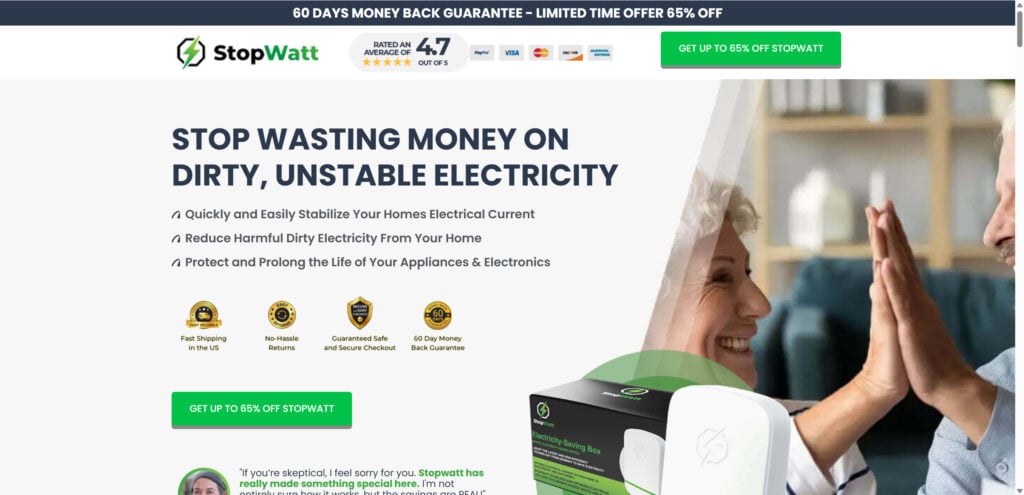
Scam Overview
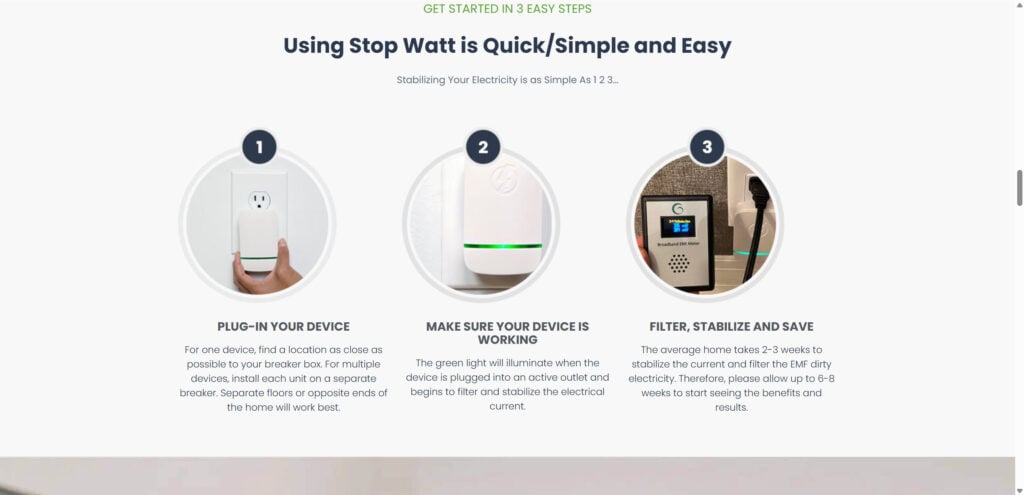
StopWatt is marketed as a plug-in, whole-home energy-saving device. The sales pages usually claim it can do several things at once, which is part of why it sounds so appealing.
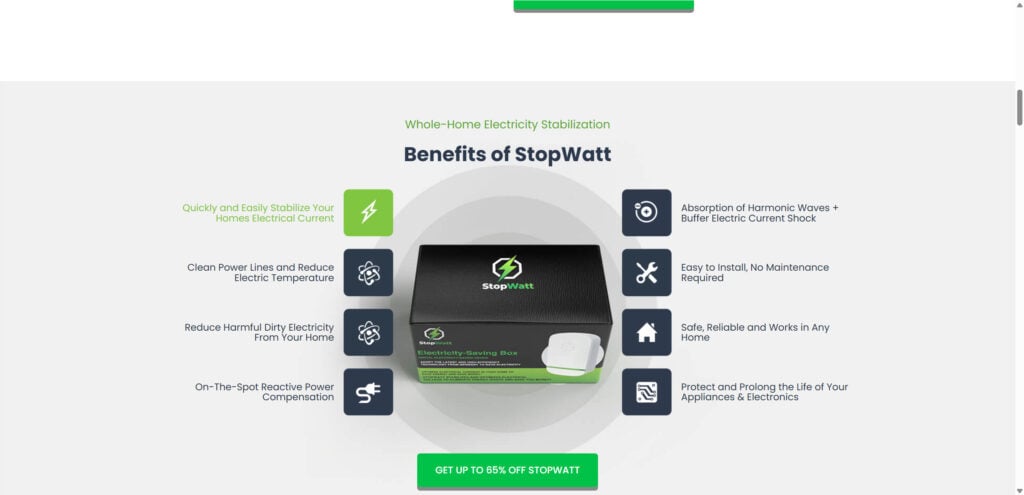
Common claims include:
- Stabilize your home’s electrical current
- Remove “dirty electricity” and harmful harmonics
- Reduce power waste from appliances and electronics
- Protect and extend the lifespan of electronics
- Reduce surges or “harmful spikes”
- Lower your monthly electricity bill dramatically
You will often see big numbers implied or hinted at. Sometimes the pitch pushes savings that sound like a life hack: 30%, 50%, or even 90% off your bill.
That alone should make you pause.
When a product claims it can slash energy costs without changing usage, without upgrading insulation, without replacing inefficient appliances, and without adding real power generation, it is asking you to accept a very extraordinary result from a very small device.
The biggest red flags are built into the page design
StopWatt-style pages are often designed like a high-converting direct response funnel, not like a normal product listing. The structure is predictable:
- A huge headline that triggers emotion (waste, fear, frustration, rising costs)
- A few bullet points that promise multiple benefits at once
- A star rating graphic
- Trust icons and payment logos
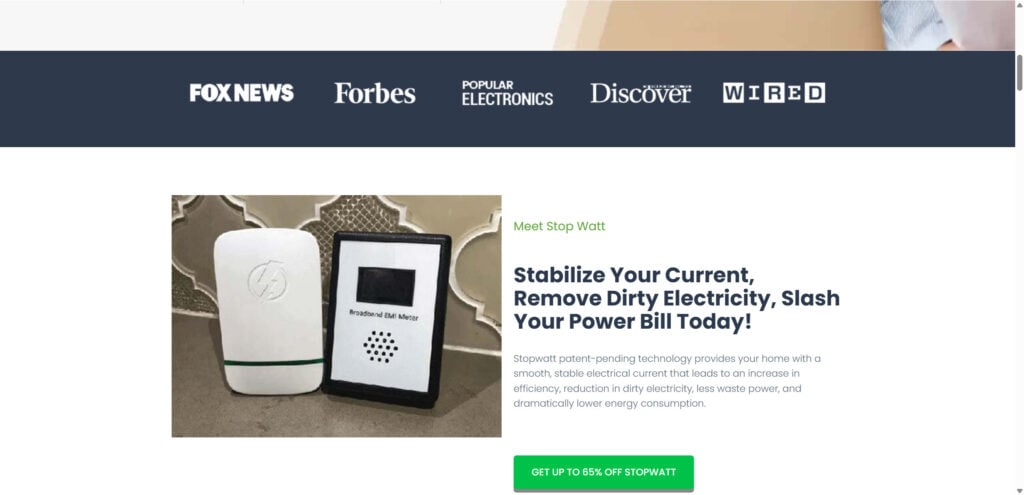
- “As seen on” style media badges
- A bold discount like 65% off
- A large green button that pushes you to buy now
- A money-back guarantee badge, often 60 days
- A countdown timer or stock scarcity message
The goal is not to explain. The goal is to move you forward before you slow down.
What exactly is inside this device?
This is the question that matters.
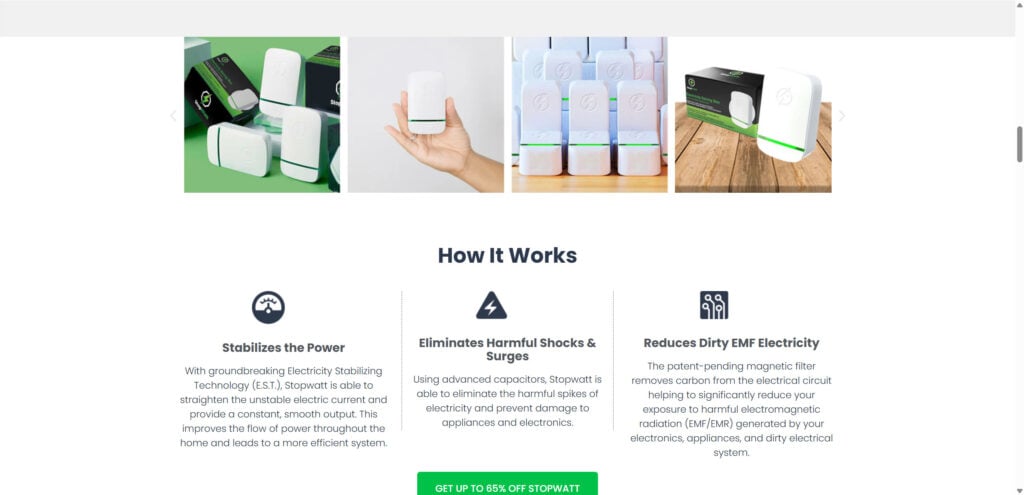
When you strip away the marketing and look at what is typically inside these plug-in “energy saving box” devices, the parts are usually simple and cheap.
Technology analysis and unboxing videos of this product category routinely show the same basic layout:
- A basic circuit board
- One or more capacitors
- An LED light
- A standard electrical plug
- Minimal supporting components
In plain words, it is often a small capacitor circuit with an indicator light.
The LED turns on when you plug it in, which gives you instant “proof” that something is happening. That light is a psychological trick. It makes your brain relax because the device appears active.
But an LED lighting up does not mean your home is using less energy.
Why a capacitor does not equal bill savings
This is where many of these products hide behind electrical terms.
A capacitor can influence something called “power factor” in certain electrical environments. Power factor correction is a real concept in electrical engineering.
But here is the part marketing pages usually avoid explaining clearly:
Most residential customers are billed for energy used, measured in kilowatt-hours (kWh). That is the amount of real work your appliances do over time.
Power factor issues matter more in industrial and commercial settings, where large motors, heavy equipment, and certain loads can create reactive power and utilities may charge for it or penalize it.
In a typical home, the “power factor correction” effect of a small plug-in box is usually tiny, and it does not magically reduce the kWh usage that your bill is based on.
Even if a capacitor slightly changes reactive characteristics, it does not automatically reduce the real energy consumed by your fridge, your heater, your air conditioner, your oven, or your water boiler.
If your devices still do the same work, the energy has to come from somewhere.
So the core promise, “plug this in and lower your bill instantly,” is not just aggressive marketing. It is a claim that clashes with how household energy usage is normally measured.
The “dirty electricity” language is often vague by design
Many StopWatt-style pages talk about “dirty electricity,” “harmonics,” and “unstable current.”
These words sound technical. They also sound like a hidden problem you never knew you had, which makes you feel vulnerable and curious at the same time.
But in a legitimate technical product, you would expect clear information such as:
- What exact problem is being measured
- What standards are being used
- What equipment is used to test it
- What results were observed before and after
- What conditions apply (home wiring, load type, circuit layout)
- Independent lab reports with traceable details
Instead, most pages offer storytelling, not proof.
You get phrases like “patent-pending technology” and “advanced capacitor system,” but the details stay fuzzy. That fuzziness is the point. It keeps you from being able to check the claim quickly.
Celebrity bait and fake “news” framing are part of the funnel
Many campaigns pushing devices like StopWatt use a familiar tactic: celebrity authority.
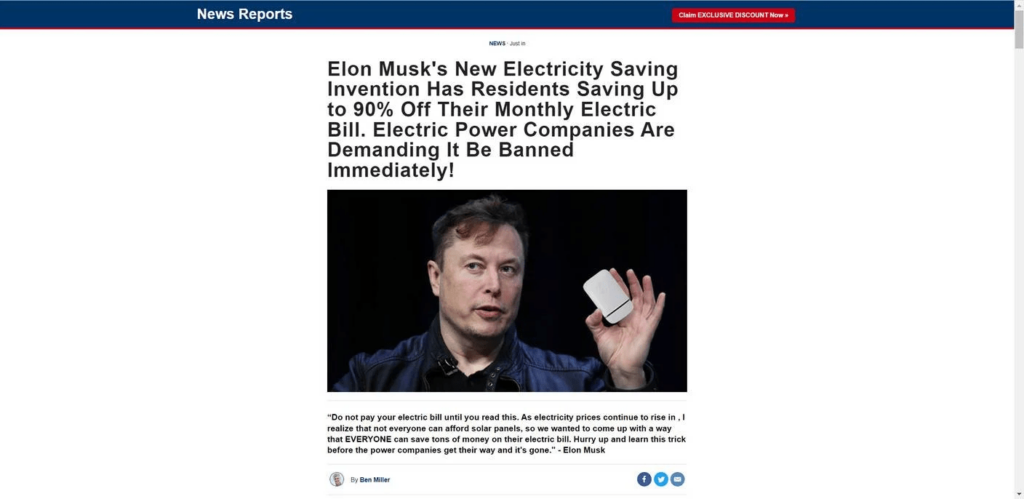
A common example is the Elon Musk angle, where the page implies the product is connected to a famous inventor or a major tech breakthrough. You might see a fake headline suggesting power companies want the device banned, or that a celebrity “revealed the trick.”
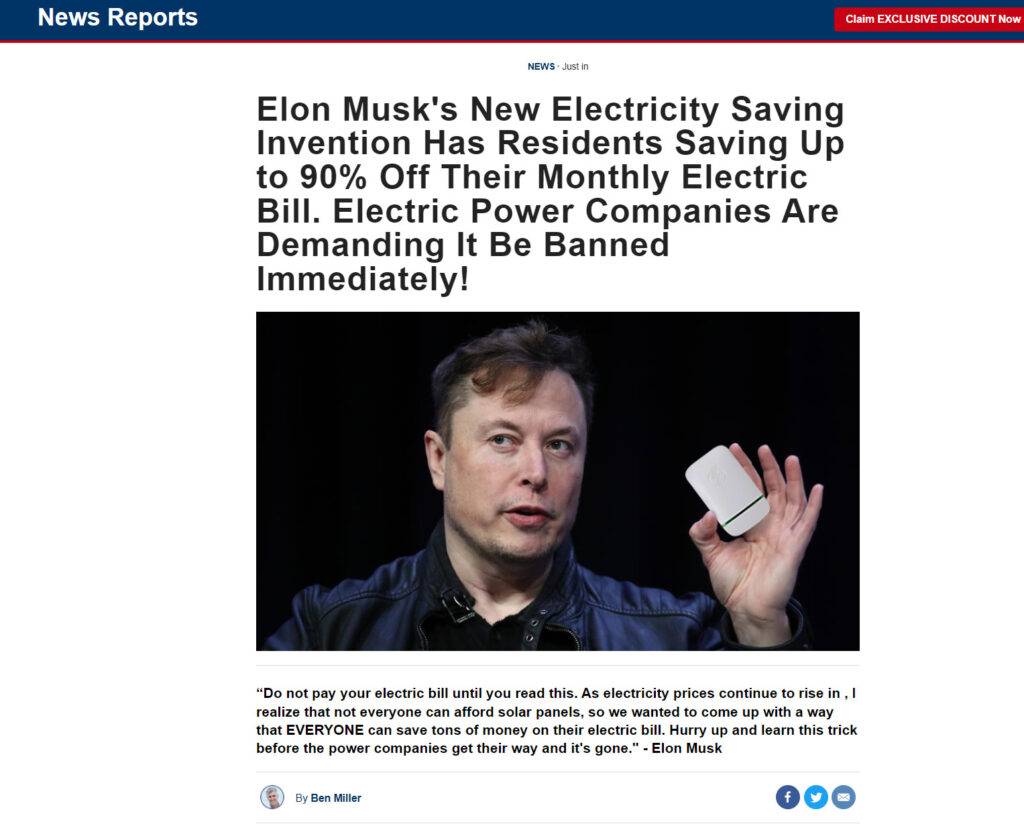
When you see a small plug-in box tied to dramatic celebrity claims, treat it as a serious warning sign.
Real innovations do not need fake news pages and exaggerated celebrity endorsements to sell.
Sold under many names, because the product is usually generic
Another major clue is how often the branding changes.
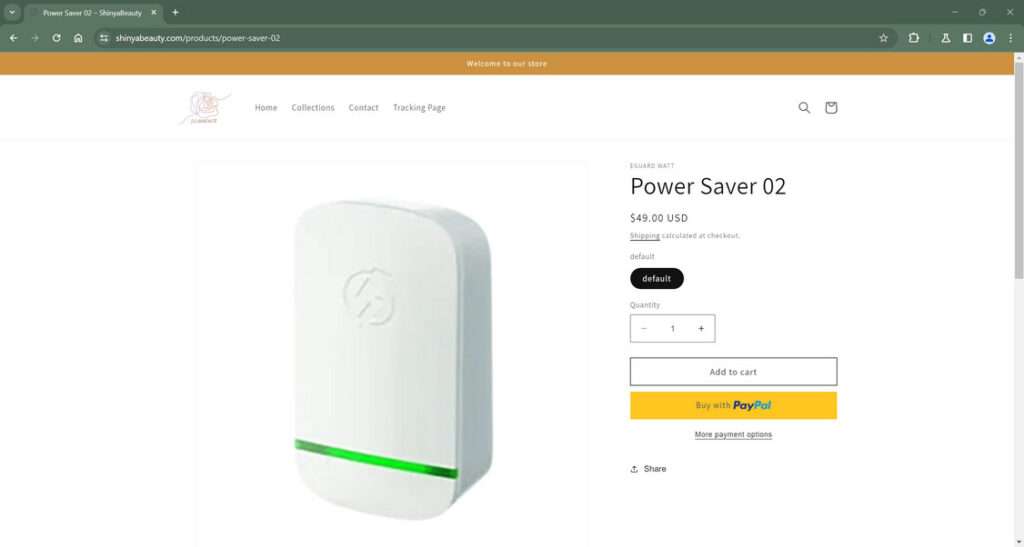
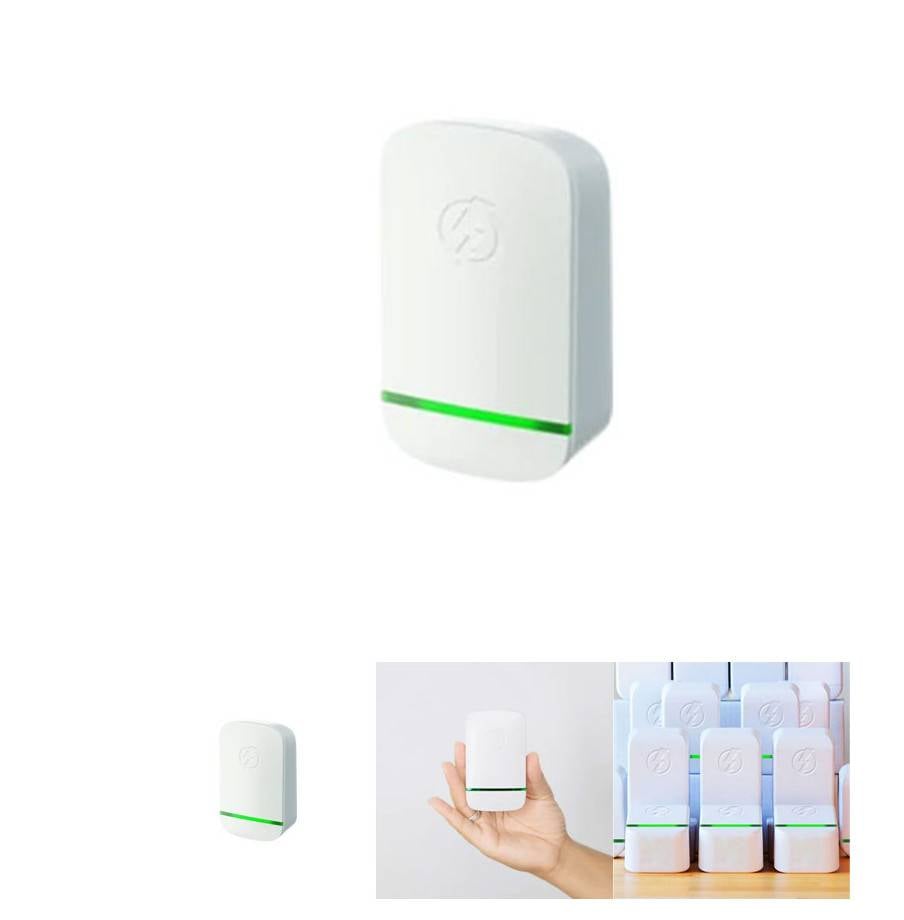
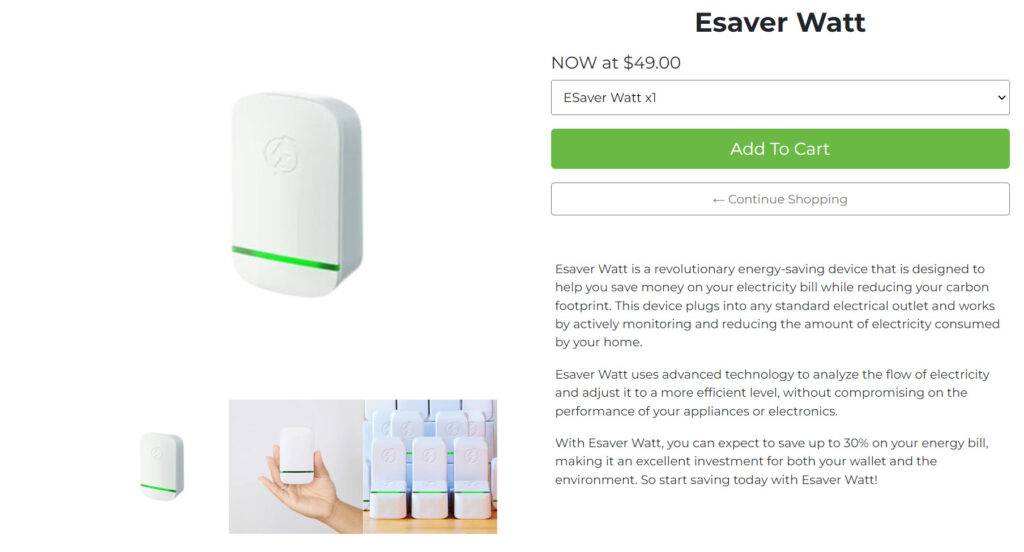
These devices are sold under many names. StopWatt is only one label in a long line of similar “energy saver” brands that come and go.
You may see nearly identical products marketed as:
- StopWatt
- Watt Saver
- SaveWatt
- EcoWatt
- Voltex
- Power Saver Pro
- Pro Power Save
- Electricity Saving Box
- Energy Saver Box
- Smart Energy Saver
The housing often looks the same, the green LED strip is common, and the claims read like they were copied from the same template.
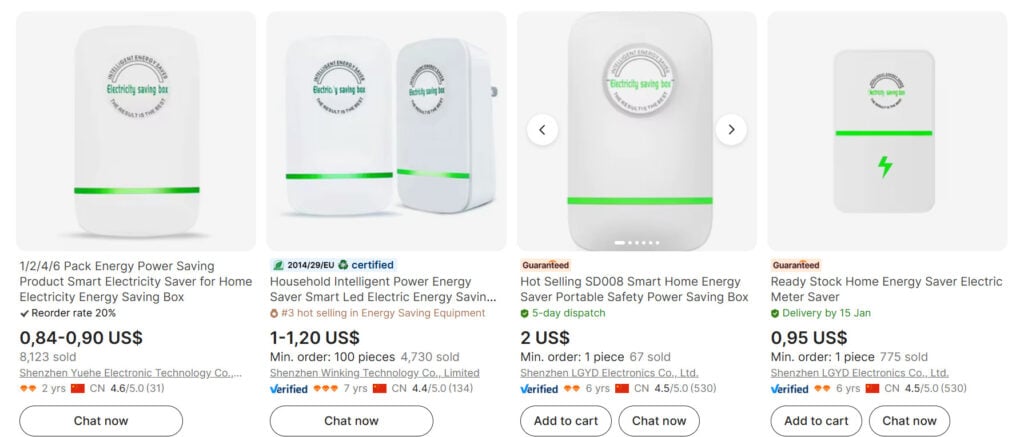
The Truth Behind StopWatt: The $1 Gadget With a $49 Price Tag
StopWatt looks like a smart little shortcut. A tiny plug-in box, a calm promise, and a message that hits home when your bill is painful: “You are wasting money, and you do not even know why.”
But here’s the part most people do not see until later.
This “miracle” device is often the same generic Chinese-made “electricity saving box” that shows up on wholesale marketplaces for around $1 to $2, then gets rebranded and sold for $49 or more. Inside, it is typically little more than a cheap circuit and an LED light that turns on to make it feel like something is happening.
And there is another reason to be cautious. Low-quality plug-in electronics can overheat, fail, and create a real fire hazard in the wrong conditions, especially if components and insulation are poor.
Before you trust the claims, there is one thing you should check first, because it explains why so many people end up disappointed.
How This Operation Works
Step 1: Social media ads built for impulse clicks
The first contact is usually an ad designed to trigger curiosity and urgency in a split second.
Common angles include:
- “Lower your electric bill instantly!”
- “This simple plug-in device fixes dirty electricity!”
- “They don’t want you to know this trick.”
- Celebrity bait and fake authority, especially “Elon Musk revealed…”
You might see these ads on:
- Facebook and Instagram sponsored posts
- TikTok videos and influencer-style clips
- YouTube pre-roll ads
- Search ads that catch people already looking for “how to lower electric bill”
The goal is not to educate you. It is to get the click before you think.
Step 2: Redirect to a fake news-style “pre-lander”
After the click, many campaigns send you to a page that looks like a news article or investigative report.
Typical tricks include:
- A publication name that sounds real, but is not
- A fake author profile and a “date updated” label
- Photos and “lab test” style images
- A narrative that power companies are angry or “trying to ban” the device
This page exists for one reason: to borrow credibility from journalism so you trust the next page.
Step 3: The sales page floods you with proof that is hard to verify
Once you land on the product page, you often see:
- Long blocks of marketing copy with scientific-sounding terms
- A cluster of badges and “featured on” logos
- A star rating graphic that looks authoritative
- “Reviews” that are generic and repetitive
Common review patterns:
- First name plus initial (example: “John T.”)
- Stock photos that appear elsewhere online
- Extremely similar phrasing across many reviews
If the page also includes video testimonials, be cautious. In this ecosystem, the same actor footage can be reused across unrelated products under different names.
Step 4: Artificial scarcity to force a rushed decision
This is classic pressure selling.
You will often see:
- “Only 3 units left” messages
- “Offer ends in 10 minutes” countdowns
- “High demand” banners that never go away
The countdown timer is frequently not tied to real inventory. It is there to make you feel like thinking equals losing.
Step 5: The checkout trap and the upsell maze
At checkout, the experience often shifts from “polished brand” to “thin details.”
Common problems include:
- Missing company identity or vague business information
- Extra add-ons pre-selected (warranty, VIP shipping, “protection”)
- Bundle pushes that make “1 unit” feel like a bad choice
- Confusing shipping timelines that contradict “fast US shipping” style claims
Some buyers also report unexpected charges or multiple unit charges. Another common complaint in this category is subscription-style billing hidden in fine print, depending on the seller running that version of the funnel.
Step 6: Delivery that does not match the promise
If you receive a device, many people describe a similar experience:
- Very lightweight, cheap plastic
- Minimal or no instructions
- No meaningful specifications or certifications provided
- It lights up, but nothing else about your home changes
This matches what consumer and engineering discussions have long said about these “energy saving box” devices: inside is usually a small board, a capacitor, and an LED, with no realistic mechanism to deliver the dramatic bill reductions being advertised,
Step 7: Refund runaround and disappearing support
When buyers try to return the product, common obstacles include:
- No response to emails
- Phone numbers that go nowhere
- Return instructions that are slow-walked until the “window” expires
- Return addresses that are difficult, costly, or inconsistent
Even when a site advertises a 60-day guarantee, enforcement depends entirely on the seller actually honoring it.
Step 8: The bigger risk, unsafe electronics and payment exposure
Beyond wasted money, there are two additional concerns.
First, safety. Consumer groups and trading standards bodies have warned that similar “energy-saving” plugs can be ineffective and potentially unsafe, including failures of basic electrical safety tests
Second, payment exposure. Any sketchy checkout where the merchant identity is unclear increases the chance of future fraud attempts, whether that means surprise charges, aggressive upsells, or your payment details being targeted later.
What To Do If You Have Fallen Victim to This Scam
- Take screenshots of everything right now
Capture the ad (if you can), the “news” page, the product page, the checkout page, the order confirmation, and any promised refund terms. Save the images somewhere safe. - Find your order confirmation and write down the key details
Save the order number, date, amount charged, merchant name shown on your statement, and any support email addresses. - Check your card statement carefully for additional charges
Look for:- Extra units you did not intend to buy
- Add-on fees (warranty, shipping upgrades)
- A second charge days later
- If you suspect ongoing billing, contact your card issuer immediately
Ask the bank or card issuer to:- Block future charges from that merchant
- Replace your card if necessary
- Open a dispute if the product was misrepresented or not as described
- Start a chargeback if the product is not delivered, not as advertised, or returns are obstructed
Chargebacks exist for exactly this situation. Be calm, factual, and provide your screenshots. - Do not rely on the seller “support” to make it right
You can try emailing them, but set a short personal deadline. If they stall, shift to your payment provider instead of waiting weeks. - If you used PayPal, use PayPal’s dispute process
Open the dispute inside your PayPal account and attach your evidence. Escalate if the seller drags it out. - If you entered your card details on a site you now do not trust, watch for follow-up fraud
For the next 30 to 60 days:- Check statements daily
- Turn on transaction alerts
- Review any “small test charge” carefully
- Report the ad on the platform where you saw it
On Facebook, Instagram, TikTok, and YouTube, use the built-in reporting tools and choose options like misleading, scam, or fraudulent product. - Report the seller or site to consumer protection agencies in your country
If you are in the US, the FTC is a common place to report deceptive marketing. If you are in the UK, Trading Standards reporting channels are often relevant, especially since safety warnings have been issued about similar devices. - If the device looks cheaply made, stop using it if you notice heat, smell, or odd behavior
Any plug-in device that feels warm, buzzes, or smells like hot plastic is not worth the risk. Unplug it. - Do not blame yourself
These funnels are engineered to work on smart, cautious people. They borrow trust from “news” framing, authority logos, and urgency. Once you recognize the pattern, you become much harder to target.
The Bottom Line
StopWatt is presented as a breakthrough energy-saving device, but it matches the long-running “electricity saving box” playbook: heavy hype, vague technical claims, urgency pressure, and a plug-in gadget that typically contains little more than a small circuit board, a capacitor, and an LED.
The core promise is the problem. A tiny plug-in box is not a realistic way to cut residential electricity usage in the dramatic percentages being advertised, because the mechanism being implied does not line up with how home energy use is measured and billed.
If you already bought it, focus on practical next steps: document everything, watch your statements, and use your payment protections confidently. Then, put your energy into proven ways to cut a power bill, not magic-box marketing.
FAQ
What is StopWatt?
StopWatt is marketed as a plug-in “energy saving” or “electricity stabilizing” device that claims to reduce your power bill by fixing “dirty electricity,” stabilizing voltage, and improving efficiency throughout your home. In many cases, it appears to be a rebranded version of the common “electricity saving box” gadget sold under many different names, often promoted through aggressive social media ads and fake news style pages.
Is StopWatt legit or a scam?
Many StopWatt-style campaigns show multiple scam warning signs: unrealistic savings promises, vague technical claims, fake news style pre-landing pages, questionable reviews, and high-pressure checkout tactics. The device category itself is widely criticized because the internal components typically do not match the dramatic claims being made about reducing residential electricity bills.
What does StopWatt claim to do?
StopWatt sales pages often claim the device can:
- Lower your electric bill quickly or “instantly”
- Stabilize your home’s electrical current
- Reduce “dirty electricity” and harmful harmonics
- Protect appliances and electronics from surges
- Extend the life of appliances
- Reduce EMF or “harmful radiation” from electronics
These claims are designed to sound technical and urgent, but the pages often do not provide verifiable testing, real certifications, or independent lab results that would support such broad promises.
What is usually inside a StopWatt device?
Unboxing and teardown results for this type of plug-in “energy saver box” commonly show:
- A basic circuit board
- One or more capacitors
- An LED indicator light
- A standard plug and minimal wiring
The LED turning on when plugged in can create the impression that the device is “working,” but lighting up is not evidence of meaningful energy reduction. A small capacitor may slightly affect power factor in limited situations, but that typically does not translate into lower residential energy usage measured in kWh.
Can StopWatt actually lower your electricity bill?
For most households, dramatic bill reductions from a plug-in box are not realistic. Residential electricity bills are generally based on kilowatt-hours used. If your appliances and heating or cooling still consume the same energy to do the same work, a small plug-in device cannot magically reduce the real energy required.
That is why the promise of cutting bills by 30%, 50%, or 90% is a major red flag.
What is “dirty electricity,” and is it a real problem?
“Dirty electricity” is a marketing term frequently used in ads for plug-in saver devices. While electrical noise and harmonics can exist in power systems, StopWatt-style pages often use the phrase in a vague, fear-driven way without clear measurements, standards, or legitimate before-and-after data. The term is commonly used to make ordinary people feel like their home has a hidden problem that only the device can fix.
Why do StopWatt ads mention Elon Musk or use fake news headlines?
Celebrity bait and fake news style articles are common scam funnel tactics. The goal is to create instant trust and urgency by borrowing credibility from a famous name or a “breaking news” tone. If an ad claims a celebrity invented a plug-in device that power companies want banned, that is a strong sign the marketer is using manipulation rather than proof.
Why are there so many different “StopWatt” looking devices online?
This product category is frequently sold under many names, with identical housings and nearly identical sales copy. When one brand gets too many complaints or negative reviews, sellers often relaunch the same gadget under a new name with a new website, new ads, and a slightly different story. That is why people see the same device marketed as multiple “energy saver” brands.
What are the most common red flags on the StopWatt website or ads?
Common warning signs include:
- Huge promised savings with no lifestyle changes
- Claims like “stabilizes electricity” without real testing proof
- Fake news style pre-landing pages that mimic media outlets
- “As seen on” logos that are not verifiable
- A countdown timer that resets when you refresh
- “Only a few units left” scarcity messages
- Generic 5-star reviews with stock photos
- No clear company address or business identity
- Checkout add-ons pre-selected or hidden fees
Why does the device “light up” if it does not save power?
The LED indicator is designed to signal that the device is active. For many buyers, that light becomes “proof” that something is happening. But an LED turning on only shows that electricity is flowing into the device itself, not that it is reducing your home’s electricity use.
Can StopWatt damage appliances or create safety risks?
Any low-quality plug-in electrical device has potential safety risks, especially if it is poorly manufactured. If the unit feels hot, smells like plastic, buzzes, discolors, or behaves strangely, unplug it and stop using it. If you are concerned, you can also ask an electrician for guidance. Safety matters more than trying to “get your money’s worth.”
Why do some pages recommend buying 2 or 3 units?
Bundle pricing is a conversion tactic. The page makes the single unit look like a bad deal and frames multiple units as the “smart” choice for a whole home. Many pages label a bundle as “most popular” to nudge your decision.
The goal is simple: increase the average order value before you have time to doubt the product.
I bought StopWatt. What should I do first?
Start with these steps:
- Save screenshots of the ad, product page, pricing, guarantee, and checkout.
- Save your order confirmation email and any shipping emails.
- Check your card statement for the exact merchant name and amount.
- Look for extra charges you did not approve.
This documentation helps if you need to dispute the transaction.
How do I request a refund from StopWatt?
If you want to attempt a direct refund, contact the seller using the email or support form provided in your order confirmation. Keep your message short and specific:
- Include your order number
- State you want a refund
- Ask for return instructions
- Request confirmation in writing
Save all communication. If the seller stalls or stops responding, move to a dispute through your payment method.
What if StopWatt support ignores me or refuses the refund?
If the company does not respond, delays, or makes returns difficult, you can contact your card issuer or payment provider and ask about a dispute or chargeback. Provide your screenshots and explain that the product was misrepresented or the return policy is not being honored.
Do not wait too long. Dispute windows can be time-limited.
What if I was charged more than once or for extra items?
If you see multiple charges, unexpected add-ons, or fees you did not knowingly accept:
- Contact your bank or card issuer immediately
- Ask to block future charges from that merchant
- Ask about reversing unauthorized charges
- Monitor your statement for additional activity
If you suspect your card details are at risk, your bank may recommend replacing the card.
Can StopWatt enroll customers into subscriptions?
Some versions of these online funnels use sneaky checkout tactics that can include continuity billing or add-on memberships hidden in fine print. Not every version does this, but it is a known pattern in similar product funnels. That is why it is important to check your statement for repeat charges and set up transaction alerts if possible.
Where are StopWatt devices shipped from?
Many buyers report that shipping timelines and packaging do not match the “local” or “fast US shipping” vibe of the marketing pages. Some shipments appear to originate from overseas fulfillment, and the merchant descriptor on your statement may not clearly match the brand name. Always rely on your tracking data and your statement details rather than the marketing claims.
How can I tell if a StopWatt review is fake?
Fake reviews often share patterns such as:
- Vague praise without specifics
- Repeated phrases like “works like magic”
- Stock profile photos
- Similar writing style across many reviews
- No mention of real-world details like exact bill changes, timeframes, or appliance usage
If the page only shows perfect 5-star reviews and you cannot find balanced, independent feedback elsewhere, be cautious.








