

You are scrolling, half paying attention, and a video stops you cold. A famous face looks straight into the camera and says they are doing a limited crypto giveaway. All you have to do is register on Exbidy.com, enter a promo code, and claim free Bitcoin.
It feels believable for one reason: the video is engineered to feel personal. It is not “an ad.” It looks like a clip from a livestream, an interview, or a casual announcement that just happened to reach you.
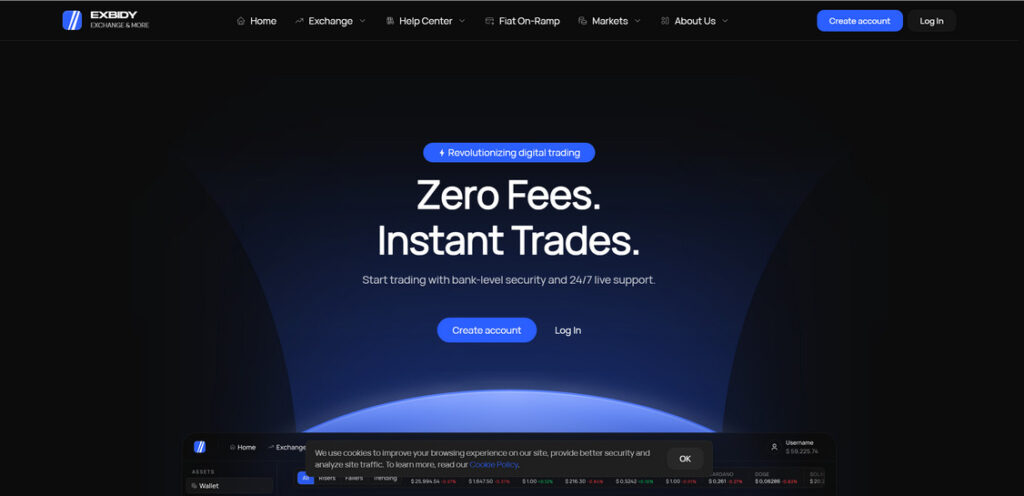
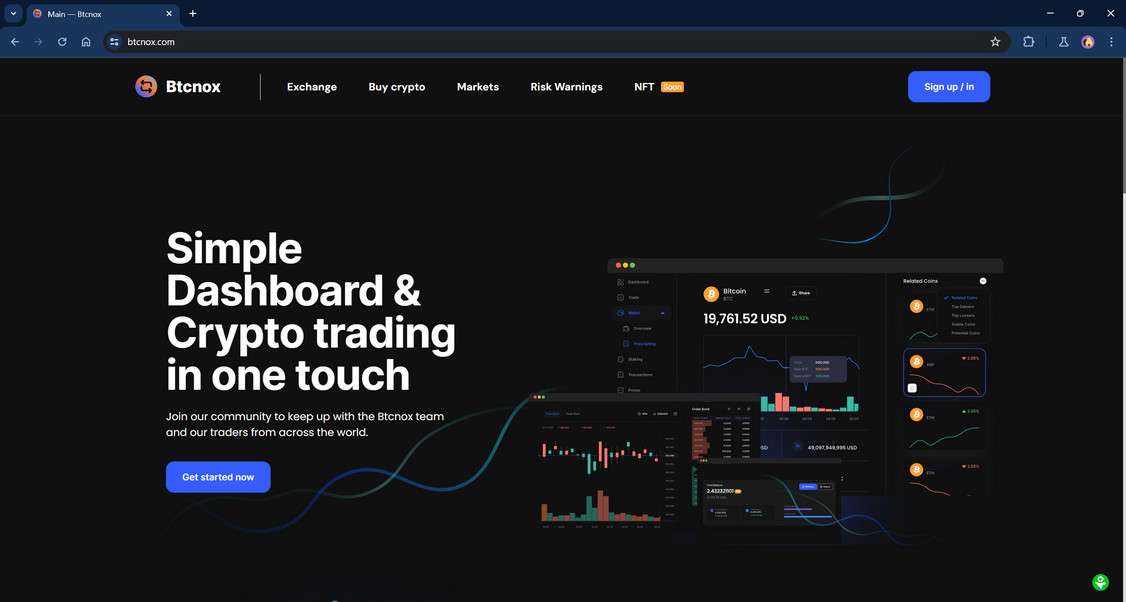
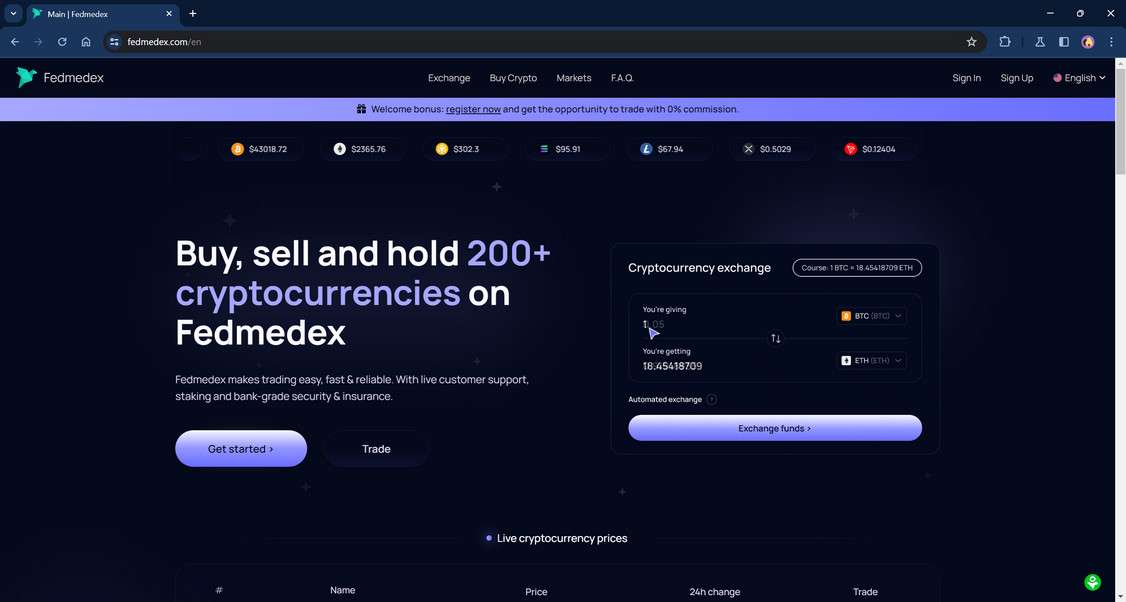
Then the site does its part. Clean design. Familiar trading layout. A dashboard that looks like any other exchange.
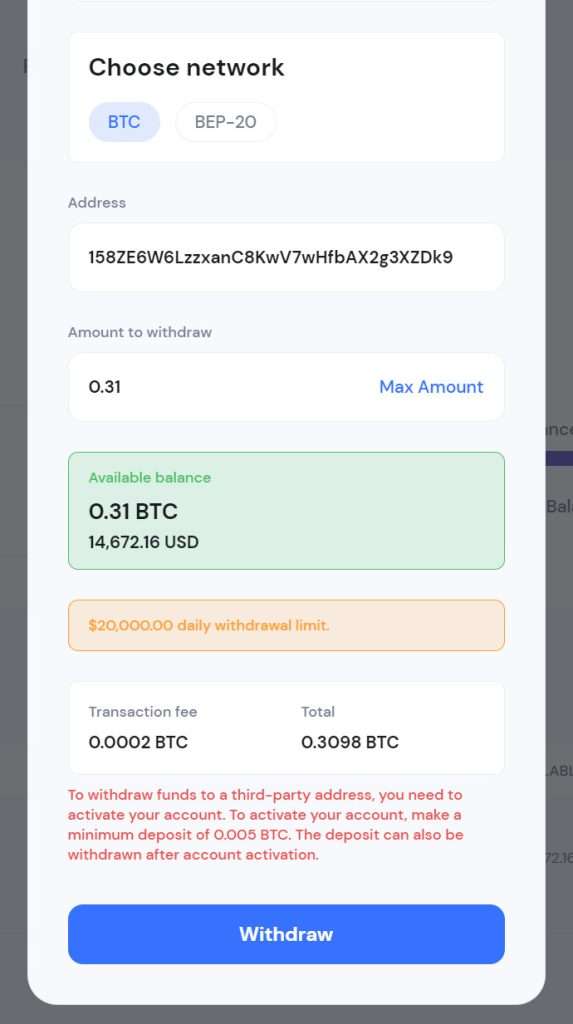
You type the promo code, and your account suddenly shows a balance, often something like 0.31 BTC. And the moment you try to withdraw, the trap snaps shut.
A message appears claiming you must deposit a small amount first, usually 0.005 BTC, to “activate” withdrawals or “verify” your account. That deposit is real. The balance you see is not.
This article breaks down the Exbidy.com promo code scam in detail, how it manipulates people step-by-step, what red flags matter most, and what to do if you already sent crypto.
Scam Overview
Exbidy.com is presented as a cryptocurrency trading platform, but the promotional funnel around it follows a pattern that is strongly associated with crypto giveaway fraud.
The pitch is simple on the surface: register, enter a promo code, receive free Bitcoin. The psychology underneath is not simple at all. The scam blends celebrity authority, urgency, and a “small step” deposit requirement that feels harmless compared to the larger amount shown in the account.
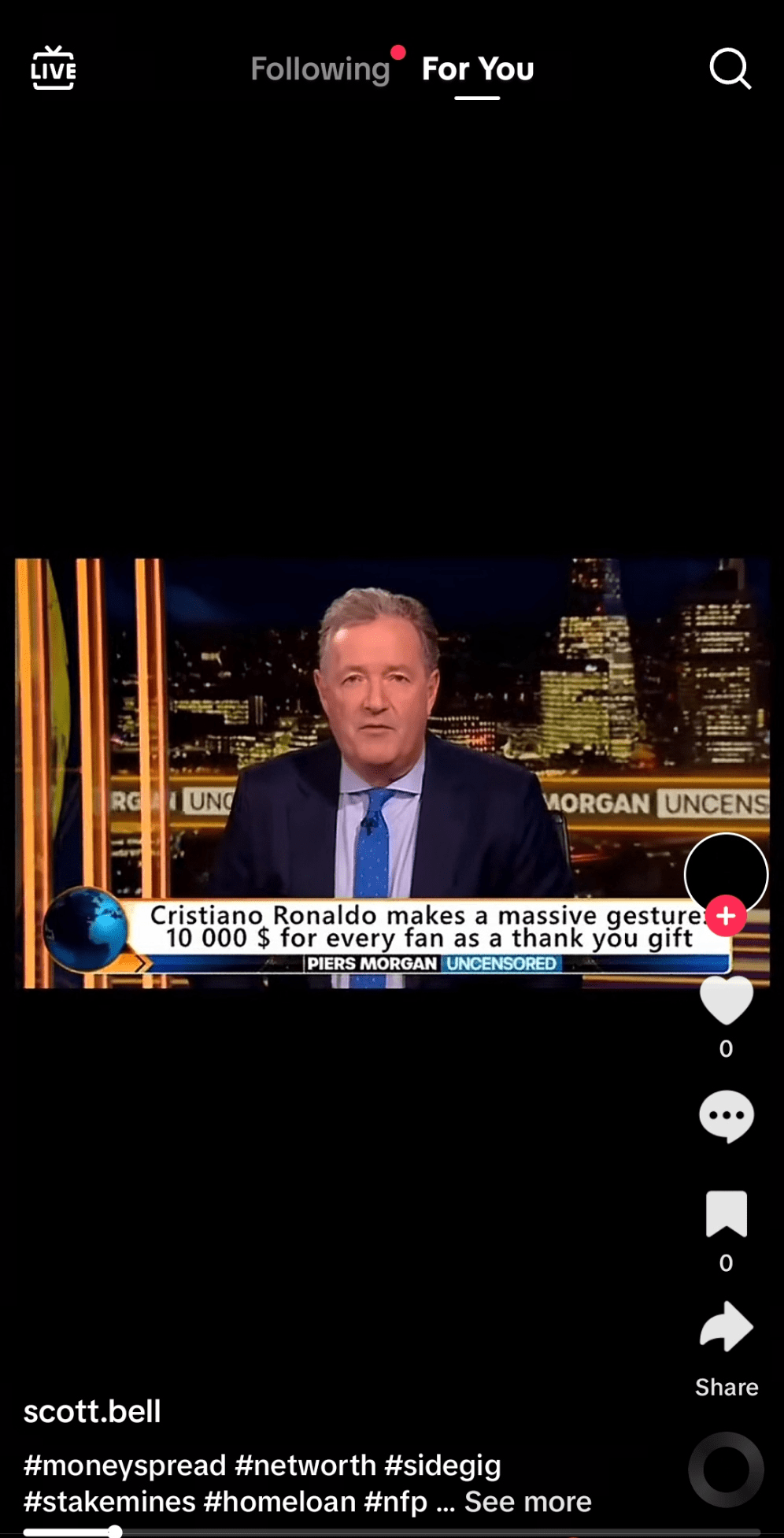
The most common version is pushed through AI-edited celebrity videos featuring names like Cristiano Ronaldo and Elon Musk. Other variants circulate using Bill Gates, Mark Zuckerberg, and Drake.
These videos are typically deepfakes (face and voice synthesized) or voice-dubbed edits (real footage with manipulated audio). Either way, the goal is the same: borrow trust from a public figure so your brain relaxes and stops doing the safety checks it would normally do.
What Exbidy.com pretends to be
The website is usually styled to resemble a legitimate exchange:
- A trading interface with charts, pairs, and a wallet dashboard
- An account balance area that updates instantly after a promo code is entered
- “Verification” language that mimics real compliance steps (KYC, activation, security checks)
- Customer support prompts or chat widgets that feel reassuring, even if they are fake or scripted
This matters because scams do not just steal money. They steal confidence. A polished interface reduces suspicion and makes the next request feel routine.
What it really is
In the scam flow, Exbidy.com functions as a deposit collection front.
The “bonus” balance is a visual trick inside the dashboard. It is not money on-chain. It is not a real credit. It is simply a number displayed to push you toward the next step: sending a real deposit.
Once you send crypto to the deposit address the site provides, the transaction is irreversible in practice. Crypto transfers do not have the same consumer protections as card payments. There is no automatic chargeback mechanism for Bitcoin transfers.
That is why this scam format is so effective. It is not trying to steal your “free bonus.” It is using the idea of a free bonus to get you to send real funds.
Why the promo code is central to the con
Promo codes are a clever device because they create a feeling of legitimacy:
- They imply exclusivity (“not everyone gets this”)
- They make the user feel like they discovered something
- They add a step that looks like a real marketing campaign
In reality, the promo code is just a trigger that tells the site to display a fake balance. The balance is the bait. The deposit requirement is the hook.
Why people fall for it even when they are cautious
Many victims are not reckless. They are normal people who got caught in a well-constructed pressure loop.
This scam exploits a few predictable human reactions:
- Authority bias: If a celebrity appears to endorse it, it must be real.
- FOMO: The giveaway is “limited-time,” so you act quickly.
- Commitment: Once you register and enter the code, you feel invested.
- Anchoring: Seeing 0.31 BTC makes a smaller deposit like 0.005 BTC feel minor in comparison.
- Social proof: Fake popups, comments, likes, and “recent withdrawals” create the illusion that others are succeeding.
The scam does not need everyone to believe it. It only needs a small percentage of viewers to act fast.
Where the scam spreads
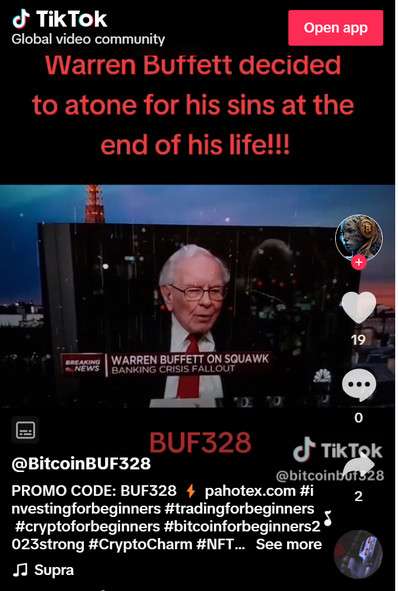
The scam is typically distributed through short, viral-friendly videos and paid promotion across platforms such as YouTube, TikTok, Facebook, and Instagram.
The videos are often posted from accounts that look new, have minimal history, or are built around a single theme (crypto, giveaways, celebrity clips). In many cases, the same video format is recycled, with only the celebrity face, promo code, and website name swapped.


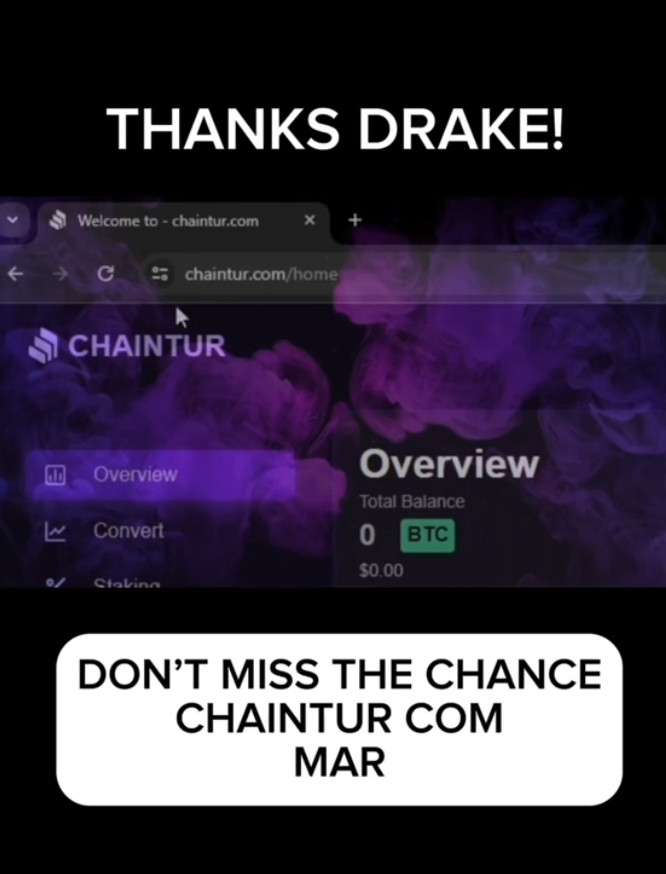
The rotating-domain problem
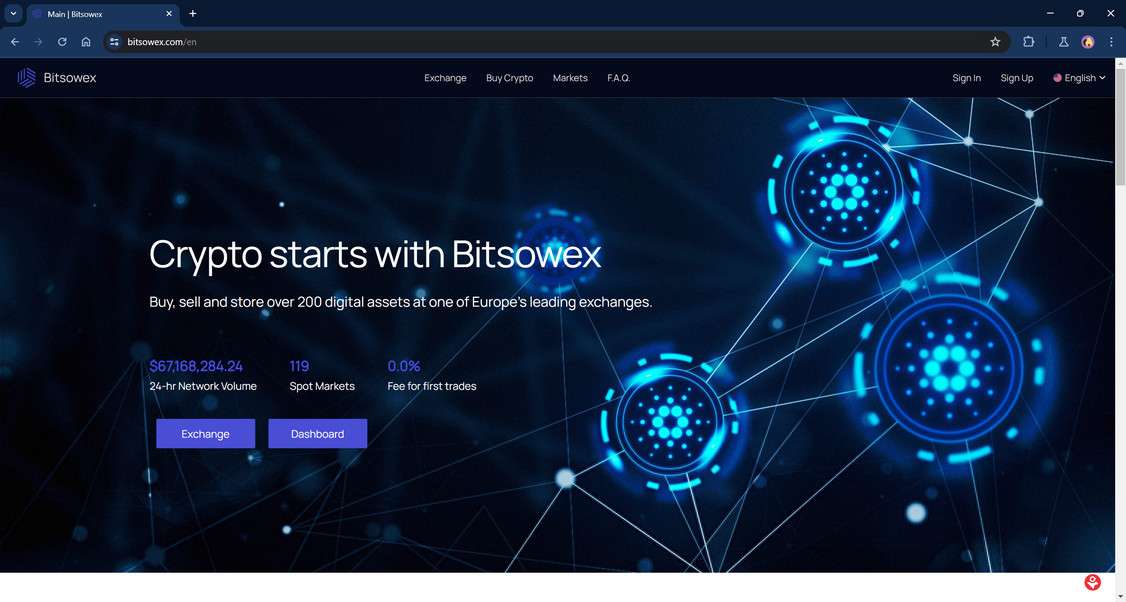
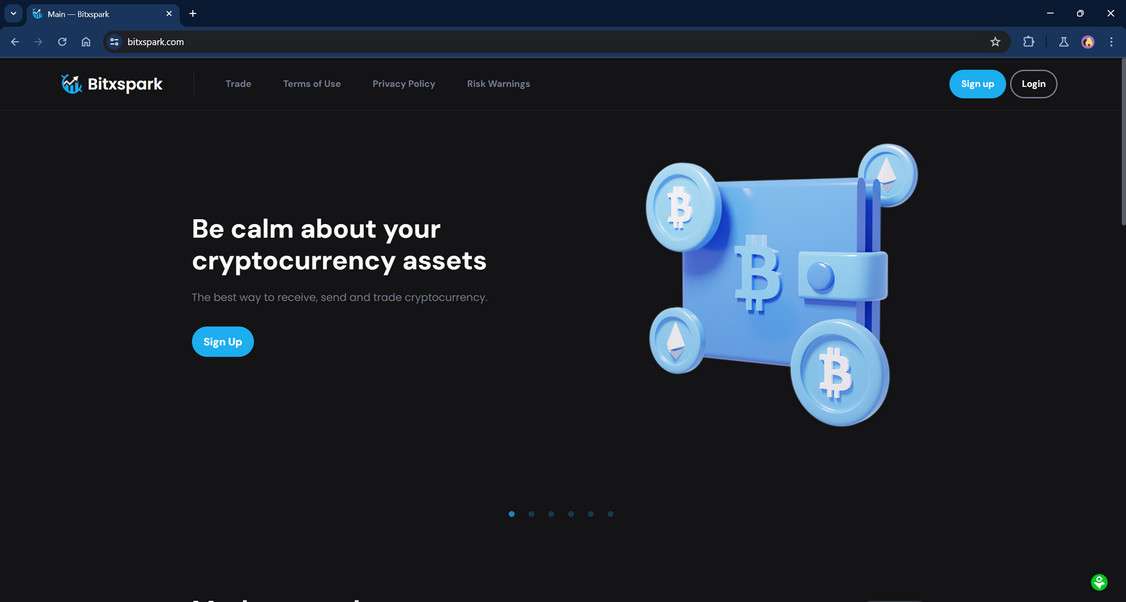
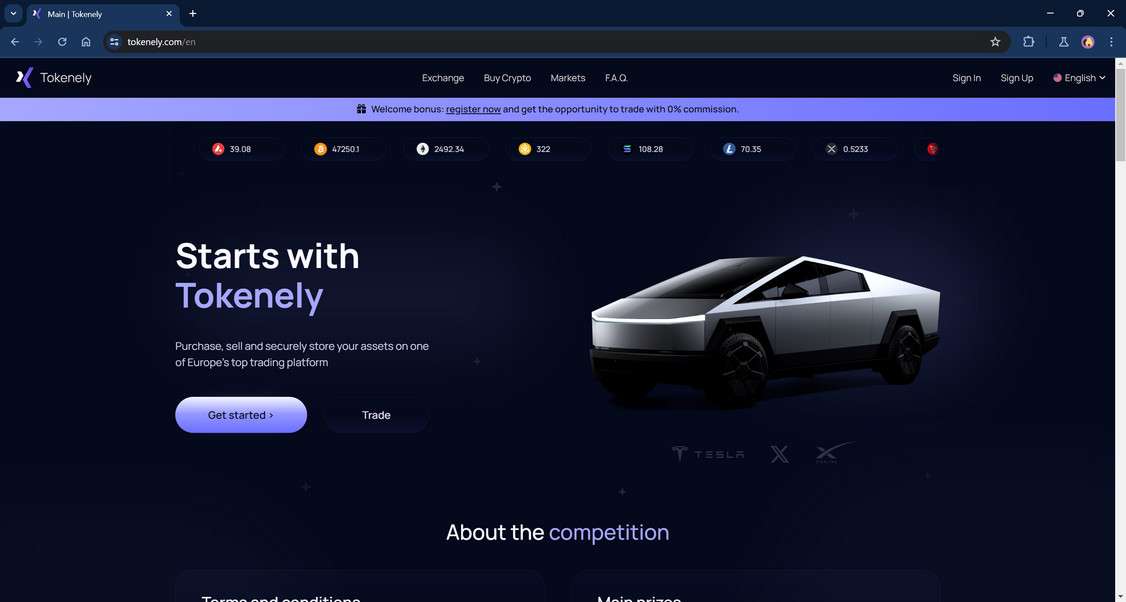
Even if Exbidy.com is taken down or loses traction, the operation can continue under a new domain with the same template.
That is why you will see long lists of similar sites over time. The brand name is not the core asset. The funnel is the asset:
- Deepfake video template
- Landing page template
- Promo code balance illusion
- Withdrawal blocked until deposit
- Disappearing act when enough deposits are collected
If you focus only on the domain name, you end up playing whack-a-mole. If you learn the funnel, you can spot the scam no matter what it is called next week.
The fastest red flags
If you remember nothing else, remember this: legitimate platforms do not require you to deposit crypto just to withdraw an account balance that was supposedly credited to you.
Here are the red flags that matter most:
- A celebrity “giveaway” that requires you to send crypto first
- A promo code that magically adds Bitcoin to a dashboard
- A withdrawal message demanding a deposit to “activate” withdrawals
- No clear corporate identity, licensing info, or verifiable business footprint
- Support that only exists as a form or chat bubble, with no accountability
- Pressure language like “limited spots,” “ends today,” or “only for viewers”
A real exchange can have promotions, but a real promotion does not hinge on you sending crypto to unlock your own money.
How The Scam Works
The Exbidy.com promo code scam is not random. It is a structured funnel designed to move you from curiosity to payment with as little time for reflection as possible.
Below is the typical flow, broken into the stages that matter.
Stage 1: The bait video is built to bypass your skepticism
The scam begins with a video that looks like it came from a trusted source.
Common traits include:
- A familiar public figure speaking directly to the camera
- A “collaboration” narrative (“partnering with a platform”)
- A clean, simple instruction set (register, enter code, withdraw)
- A limited-time hook that discourages research
If it is a deepfake, you may notice subtle issues: unnatural mouth movement, odd blinking, strange facial lighting, or audio that does not match the room. If it is voice dubbing, you may notice the voice sounds “flat,” the pacing is off, or the words do not align with the celebrity’s usual phrasing.
The important point is this: you do not need to be fooled by perfect realism. You just need to be slightly convinced for 30 seconds.
Stage 2: The scam adds urgency so you do not verify anything
Urgency is not decoration. It is a control mechanism.
You will see phrases like:
- “Only today”
- “First 10,000 users”
- “Offer ends in a few hours”
- “Use the code now before it expires”
The goal is to prevent you from doing the two things that would stop the scam immediately:
- Searching for independent verification
- Asking yourself why any legitimate business would give away significant crypto to strangers
Stage 3: The link sends you to a site that looks “just real enough”
When you click the link, you arrive on Exbidy.com.
A well-designed scam site does not need to be perfect. It needs to meet a basic credibility threshold:
- Professional layout
- Trading-like visuals
- Familiar terminology (wallet, withdraw, verification, security)
- An interface that “feels” like other exchanges
Many people equate design with legitimacy. Scammers know that.
Stage 4: Registration collects more than just an account
The signup process is another psychological step. Even if the scammers do not care about your email, the act of registering creates commitment.
Depending on the variant, the site may request:
- Email and password
- Phone number
- Name and country
- Occasionally, identity “verification” details
You should assume anything entered could be stored and reused, even if the site later disappears. That is why password reuse is dangerous here.
Stage 5: The promo code triggers the fake balance
This is the moment the scam “pays” you, at least visually.
You enter a code like “CR7” or another short label connected to the celebrity in the video. Instantly, the dashboard shows a credited balance. Often the number is chosen carefully:
- Big enough to excite you (so you want it)
- Not so big that it feels impossible (so you believe it)
You might see something like 0.31 BTC, plus a USD-equivalent estimate. Even if the $ value fluctuates, the emotional reaction is consistent: “It worked.”
At this point, many victims stop thinking about whether the credit is real. They shift into “withdrawal mode.”
Stage 6: The withdrawal wall appears, framed as a normal requirement
When you try to withdraw, you hit the key mechanism: withdrawals are blocked until you make a “minimum deposit.”
The message is usually framed as one of these:
- Account activation
- Anti-fraud verification
- Wallet binding
- Network fee requirement
- Compliance verification
The deposit amount is often 0.005 BTC. The genius of that number is psychological. Compared to the displayed 0.31 BTC, it feels like a small unlock fee.
This is anchoring in action.
Stage 7: The deposit goes straight to the scammers
If you proceed, the site provides a deposit address and sometimes a QR code.
Once you send Bitcoin:
- The transaction is broadcast to the network
- It becomes permanent after confirmations
- The scammers control the receiving wallet or a forwarding mechanism
Many operations auto-forward funds quickly, moving deposits through additional addresses to make tracing harder and to reduce the chance of a freeze if funds later hit an exchange.
This is also where victims often make a second mistake: sending more.
If the first deposit does not “unlock” withdrawals, the site may claim you deposited the wrong amount, used the wrong network, or must deposit again to complete verification. The scam can escalate until the victim stops.
Stage 8: Stalling tactics, fake support, and the slow realization
After the deposit, several outcomes are common:
- Withdrawals remain blocked with a new reason
- Support responds with generic scripts
- The site claims you need a “larger verification deposit”
- Your account is locked “for security”
- The platform stops responding entirely
This phase is designed to extract additional deposits from people who are emotionally invested and still hoping the balance is real.
Stage 9: The reset, disappearance, and rebrand
Once enough deposits are collected:
- The domain may go offline
- The site may redirect to a blank page
- Accounts may stop working
- Videos may be deleted and reposted by new accounts
Then the operation restarts under a different name.
This is why it is more useful to learn the scam pattern than to memorize one domain.
Why “activation deposits” are not normal in legitimate crypto
Real exchanges make money through fees, spreads, and volume, not through forcing deposits to unlock withdrawals of promotional credits.
Legitimate promotions may involve:
- A welcome bonus that is clearly labeled and has written terms
- A requirement to trade a certain amount before a bonus can be withdrawn
- Verification requirements that are completed with documents, not crypto deposits
What legitimate promotions do not involve is: “Send us Bitcoin first so you can withdraw Bitcoin.”
That is the tell.
What To Do If You Have Fallen Victim to This Scam
If you already interacted with Exbidy.com, focus on damage control and documentation. Time matters, especially if you purchased the crypto through a centralized exchange.
1) Stop sending crypto immediately
If the site is demanding another deposit to “finish verification,” treat that as confirmation you are dealing with a scam.
Do not try to “complete” the process. That is how losses compound.
2) Secure your email and any reused passwords
If you used a password you have used anywhere else, change it immediately everywhere it was reused.
Also:
- Change your email password if there is any chance it matches
- Turn on 2-factor authentication (2FA) for email and financial accounts
- Review your email security settings for unfamiliar forwarding rules
3) Document everything while it is still accessible
Before the site changes or disappears, capture:
- Screenshots of your dashboard balance and the withdrawal error
- The deposit address shown to you
- Transaction IDs (TXIDs) for any crypto you sent
- The promo code and the video link or account that promoted it
- Any chat logs or emails from “support”
This documentation is useful for reporting and for exchange investigations.
4) Contact the exchange you used to buy or send the crypto
If you sent Bitcoin from an account at a centralized exchange (for example, a major retail exchange), contact their support immediately and provide:
- The destination address
- The TXID
- The date and time
- The amount sent
They may not be able to reverse a blockchain transfer, but they can sometimes help with tracing, flagging addresses, and coordinating if funds hit identifiable endpoints later.
5) Report the scam content on the platform where you saw it
Report both the video and the account that posted it.
Include details like “deepfake celebrity crypto giveaway” and “requires deposit to withdraw.” That phrasing helps moderation teams recognize the category faster.
6) File official reports in your region
If you are in the United States, common reporting channels include:
- Federal Trade Commission for fraud reports
- FBI Internet Crime Complaint Center (IC3) for online crime reports
- U.S. Securities and Exchange Commission if the scam is framed as an investment product
If you are outside the United States, report to your national cybercrime unit and financial regulator. Include the deposit address and TXID if you have it.
7) Watch for recovery scammers
After crypto scams, many victims get targeted again.
Recovery scammers typically claim:
- They can “trace and retrieve” your Bitcoin
- They have a special connection to law enforcement
- They are “blockchain hackers” who can reverse transactions
- You only need to pay a fee upfront
Treat these as scams. Do not send more money or share more personal information.
8) If you paid with a card to buy the crypto, call your bank anyway
If you funded the purchase via debit or credit card, your bank may be able to help you dispute the card purchase in some scenarios, depending on how it was processed.
Be straightforward:
- You were induced into buying crypto due to fraud
- The destination was a scam platform
- You can provide evidence and timestamps
Even when the outcome is uncertain, it is still worth reporting quickly.
9) Check your devices for unwanted software and extensions
Most of these scams are social engineering, not malware. Still, if you installed anything or clicked additional downloads:
- Remove suspicious browser extensions
- Run a reputable security scan
- Update your browser and operating system
10) Warn others with specifics, not embarrassment
Scams thrive on silence. If you can, warn friends or communities with concrete details:
- The domain name
- The “deposit to withdraw” trick
- The celebrity deepfake angle
You are not “stupid” for being targeted. This is engineered deception.
11) If you shared ID documents, treat it as identity-risk
If you uploaded a photo ID, passport, or selfie, assume it could be misused.
Consider:
- Monitoring for new-account fraud (credit alerts where applicable)
- Watching for phishing that uses your personal details
- Reporting the identity exposure to relevant local services, if available
12) Keep your expectations grounded
Crypto transfers are hard to recover. The realistic goal is:
- Limit further loss
- Report quickly
- Reduce the chance the scammers can reuse your data
- Help platforms take down distribution channels
The Bottom Line
Exbidy.com fits a well-known scam blueprint: a celebrity deepfake “giveaway” that creates urgency, shows you a fake Bitcoin balance after a promo code, then blocks withdrawals until you send a real deposit.
That deposit is the real product. The dashboard balance is just a lever to move you emotionally from curiosity to action.
If you see any offer that boils down to “send crypto first to unlock free crypto,” treat it as a scam. Legitimate exchanges do not operate that way. Legitimate celebrities do not hand out Bitcoin through random promo codes in social media clips. And legitimate promotions do not require you to deposit funds to withdraw a balance that supposedly already belongs to you.
If you already sent Bitcoin, do not negotiate with the scam. Document everything, contact your exchange immediately, report the videos and accounts pushing it, and watch out for recovery scams that try to exploit your loss a second time.
FAQ
1) What is Skycoinx.com?
Skycoinx.com is presented as a crypto trading platform, but in this scam pattern it functions as a fake exchange interface designed to collect Bitcoin deposits. The “balances” shown after entering promo codes are not real on-chain funds.
2) How does the Skycoinx promo code scam work?
A viral video claims a celebrity is giving away free Bitcoin through a promo code. After you register and enter the code, the site displays a Bitcoin balance in your account. When you try to withdraw, it demands a “minimum deposit” (often 0.005 BTC) to activate withdrawals. That deposit is what the scammers steal.
3) Are the celebrity videos real?
No. These campaigns typically use deepfake video, face swaps, or voice dubbing to make it look like a celebrity is endorsing the giveaway. The celebrity has not approved it.
4) I entered the promo code and saw 0.31 BTC in my account. Is that real?
No. That amount is a visual trick inside the dashboard. It is meant to make you feel like the promo code “worked” so you will send a real deposit to unlock withdrawals.
5) Why does the site ask for a deposit to “activate” withdrawals?
Because that is the core theft mechanism. Legitimate exchanges do not require you to send crypto just to withdraw an existing balance. Scammers frame it as verification, activation, or network fees to make it sound normal.
6) If I deposit 0.005 BTC, will I be able to withdraw the bigger amount?
Almost never. After the first deposit, victims are often hit with another demand (higher verification tier, taxes, anti-money laundering checks, wallet binding fees). The goal is to extract as much as possible before you stop.
7) Can I get my Bitcoin back?
In most cases, no. Bitcoin transactions are not reversible. Your best chance is rapid action if you sent funds from a centralized exchange, because they may be able to flag addresses or assist with tracing, but they usually cannot reverse the transfer.
8) What should I do immediately if I already sent Bitcoin?
- Stop sending any more crypto.
- Save screenshots of the dashboard, deposit address, and error messages.
- Save the TXID (transaction ID) for your transfer.
- Contact the exchange you used to send the Bitcoin and report it as fraud.
- Change passwords if you reused them, and enable 2FA on email and financial accounts.
9) I created an account but did not deposit. Am I still at risk?
Your money is likely safe if you never sent crypto, but your email and password could be at risk if you reused a password. Change it anywhere it was reused and enable 2FA.
10) What if I shared my phone number or personal details?
Expect more spam, phishing attempts, and scam calls. Be extra cautious about “account support” messages, fake recovery offers, and anyone claiming they can help you withdraw your balance.
11) I was contacted by someone who says they can recover my crypto. Is that legit?
Be very skeptical. “Recovery” offers are commonly secondary scams. If someone asks for an upfront fee, remote access, seed phrases, or wallet connection approvals, treat it as a scam.
12) How can I tell a real exchange promotion from a scam?
Real promotions have clear written terms, verifiable company details, and do not require you to send crypto to unlock withdrawals. A “deposit to withdraw” requirement is one of the strongest indicators you are looking at a scam.
13) Why do these scams keep coming back under new website names?
Because the operation is template-based. Scammers reuse the same videos, landing pages, and fake dashboards while rotating domains, promo codes, and branding to stay ahead of reports and takedowns.
14) What are the biggest red flags I should remember?
Urgency pressure like “limited time” or “act now”
Celebrity giveaway promoted via social media clips
Promo code that instantly adds Bitcoin to a dashboard
Withdrawals blocked until you deposit crypto
No licensing, corporate identity, or verifiable footprint








