

You have probably seen the clip already. A crypto casino. A promo code. A balance that fills itself the second you register. Then a withdrawal button that will not move until you send more coins.
That is why people search Zitrix.pro at midnight. The ads are built to follow you until you click.
This is the same pattern as the other polished gaming pitches. A huge bonus. Familiar games. A cashout that turns into a verification deposit. Then, for a lot of people, another fee after that.
Overview
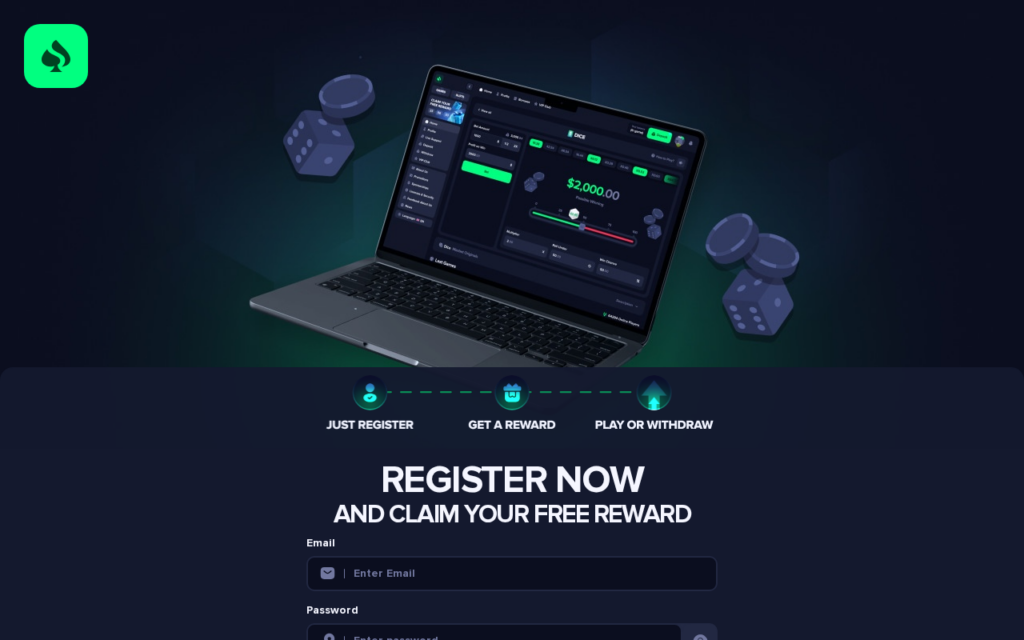
Zitrix.pro is a crypto casino built around one moment: the first withdrawal. Sign-up takes seconds. A promo code credits a bonus. Crash, Plinko, slots, dice, mines, tower, and coin flip sit on the lobby like any other crypto room. The trap is not the lobby. The trap is the extra crypto it demands before it will release money you think you already have.
The strongest hook is a free reward tied to a promo code. It does not ask for trust slowly. It tries to manufacture it in one sitting, with famous names, live-win tickers, and a dashboard that already looks like you are ahead.
When you try to cash out, the tone changes. The site talks about verification, a network fee, wallet validation, or an activation deposit. Common asks sit in the $100 to $500 range. Pay that, and the next message is often another payment, or a stall that never ends.

The celebrity costume
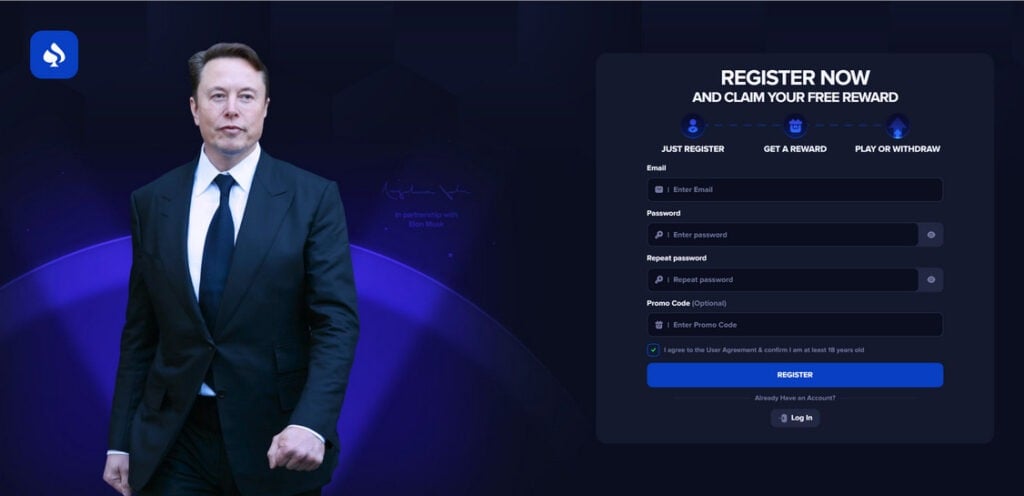
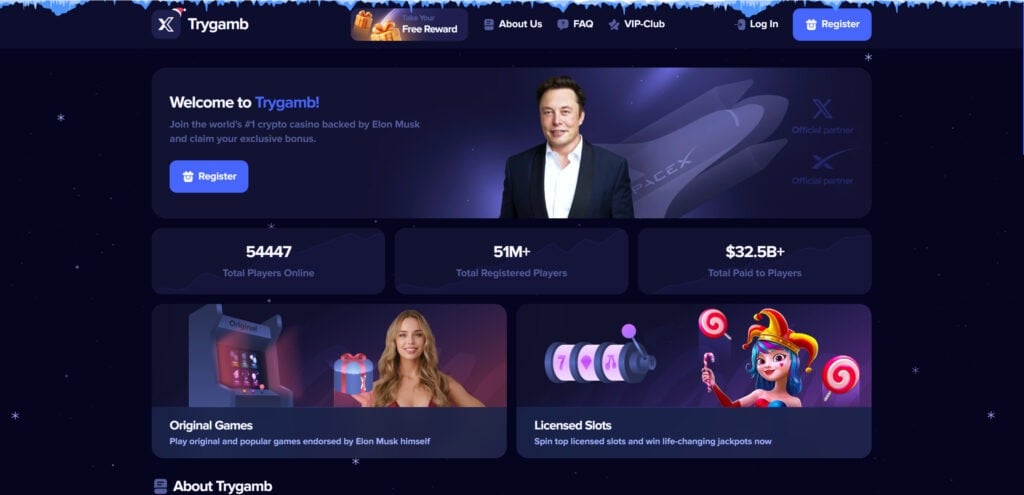
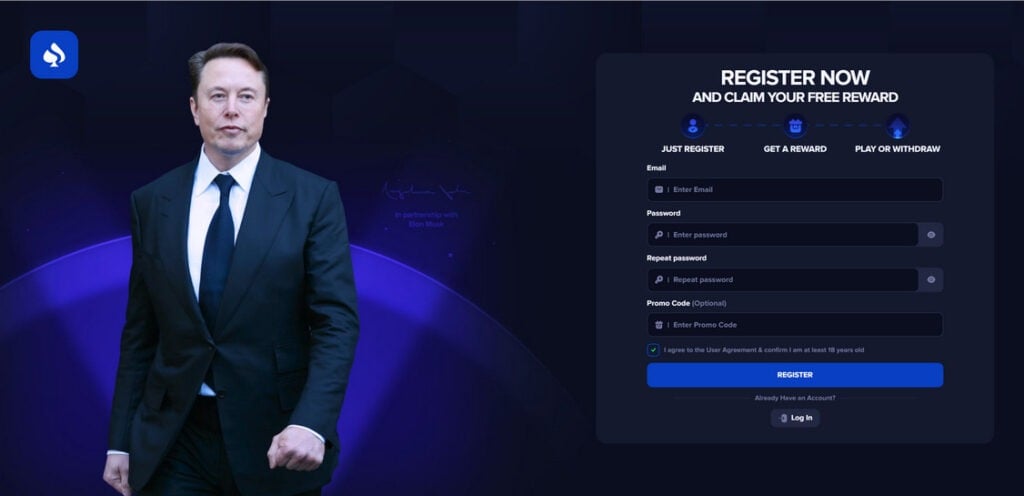
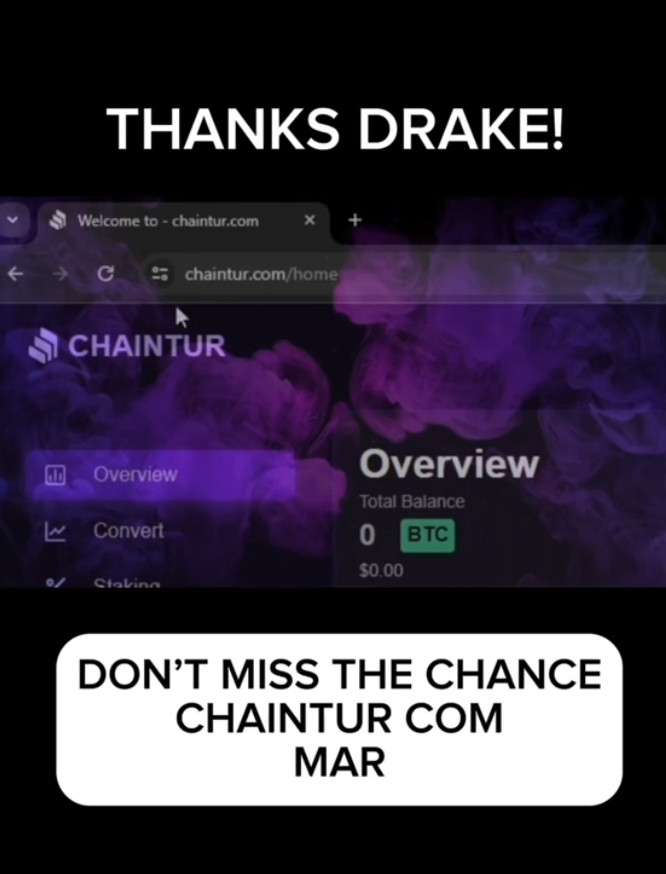
Zitrix.pro markets itself as if Elon Musk, MrBeast, Drake, Jeff Bezos, Bill Gates, and other famous names are behind it. Some versions of the same pitch add Cristiano Ronaldo, Mark Zuckerberg, Warren Buffett, or Taylor Swift. Celebrity name-dropping makes people hesitate less.
There is no credible, verifiable evidence those people are affiliated with Zitrix.pro. That is not a side detail. Fake endorsements are how this kind of pitch travels on social media, where users scroll fast and do not stop to check a founder story.
The same costume shows up on a long run of lookalike gaming sites. Promo codes unlock free credits. Influencer-style clips make the offer feel like a tip from someone you already watch. The famous face is the bait. The deposit demand is the product.




The live-win ticker
Zitrix.pro often shows numbers that are meant to feel like a crowded room:
- Total players online
- Total registered users
- Recent big wins
- Recent withdrawals
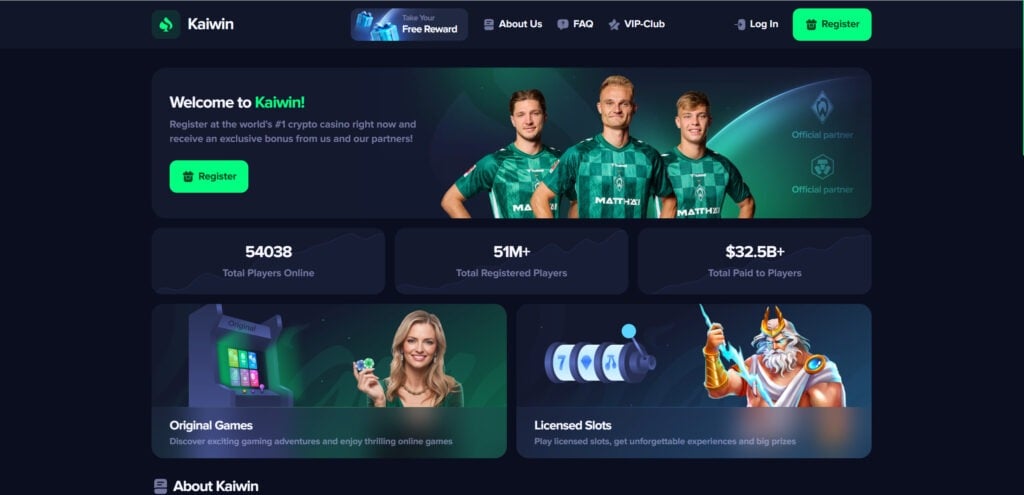
Those counters create the feeling that thousands of other people are playing and cashing out. On sites like this, the numbers are commonly fabricated. They can be generated by scripts, bots, or preloaded animations that refresh on a timer. They are not proof anyone got paid.
A slick front end is part of the same theater. The lobby looks funded and busy so you stop asking who operates it. Activity on the screen is not the same thing as money leaving the platform.
The operator you cannot name
A real gambling platform, especially one that takes crypto, usually tells you who runs it and how a dispute would work. You should be able to find:
- The company behind the platform
- Jurisdiction and licensing
- Terms for bonuses, wagering, and withdrawals
- Responsible gambling policies
- A dispute process and customer support that can be held to account
Zitrix.pro often lacks that level of transparency. When a site asks you to deposit and will not clearly identify the operator or the regulator, you are taking a major risk with no one to call when the cashout fails.
That missing name is what lets a site stall, block, or ignore a withdrawal. There is no license desk and no company you can actually serve. The chat window is the only door, and that door can close.
The signup that asks for nothing
Registration is easy on purpose. No friction means more signups. More signups means more people who will try a cashout and then hear they must verify.
The site typically lets you in with almost no checks. Then, when you hit Withdraw, it suddenly claims verification is required. That is where the trap appears.
Many people are told they must verify by making an additional deposit, commonly $100 to $500, before the withdrawal can be processed. That sequence, easy door, locked exit, extra payment, is a hallmark of modern crypto casino scams.
The same funnel shows up across mass-deployed gaming sites. Promo credits get you playing. A verification deposit is the price of a payout that does not arrive. People who pay the first ask are soon asked for more.
The deposit that unlocks nothing
This is the line that matters. Zitrix.pro often tells users they cannot withdraw unless they first send more cryptocurrency. The extra payment is dressed up as something official:
- Verification deposit
- Activation fee
- Network fee
- Security deposit
- Wallet validation
The label changes. The structure does not. You must pay extra money to access money you already have in the account.
Legitimate platforms do not work that way. If a real site charges a fee, it is disclosed up front and is typically deducted from the withdrawal amount. It is not demanded as a separate transfer to a fresh wallet.
If support will not deduct a fee from the cashout, and instead asks you to send a new deposit, stop. That answer is the tell.
The bonus that is only a number
Zitrix.pro advertises extremely large bonuses, sometimes up to $10,000, simply for signing up and using a promo code. Ads often sit in the $2,000 to $10,000 range and call the offer limited-time.
That is not a sustainable casino. Real welcome offers come with written wagering rules, limits, and a path to withdraw that does not require a second deposit to unlock the first one.
A displayed bonus balance can be just a number on a screen. In this kind of pitch, promo credits exist to get you playing and emotionally invested. They are not the same thing as withdrawable funds.
Huge, effortless bonuses are bait. The goal is excitement and urgency so you start spinning before you look up the brand.
The games that feel real
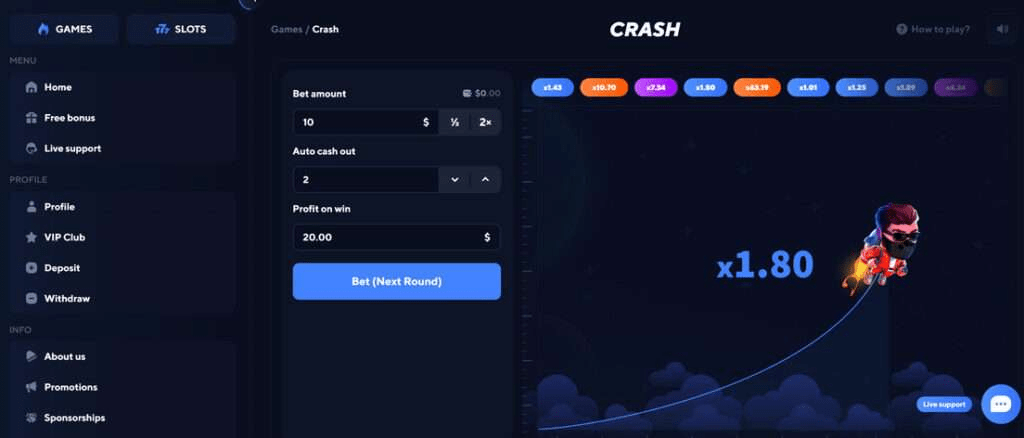
The lobby is familiar on purpose. Zitrix.pro typically lists:
- Crash
- Slots
- Plinko
- Dice
- Mines
- Tower
- Coin flip
The interface can be polished and responsive. Games can run. Early balances can climb. That is enough to convince a first-time visitor that payouts will work the same way.
Polish is not fairness, and it is not a license. In this ecosystem, many of the sites are slick on the surface, which is exactly why people stay long enough to try a withdrawal. The games have one job: build enough confidence that you believe cashouts are real.
Then the platform switches. The next screen is not a payout. It is an extraction step.
The same casino under new names
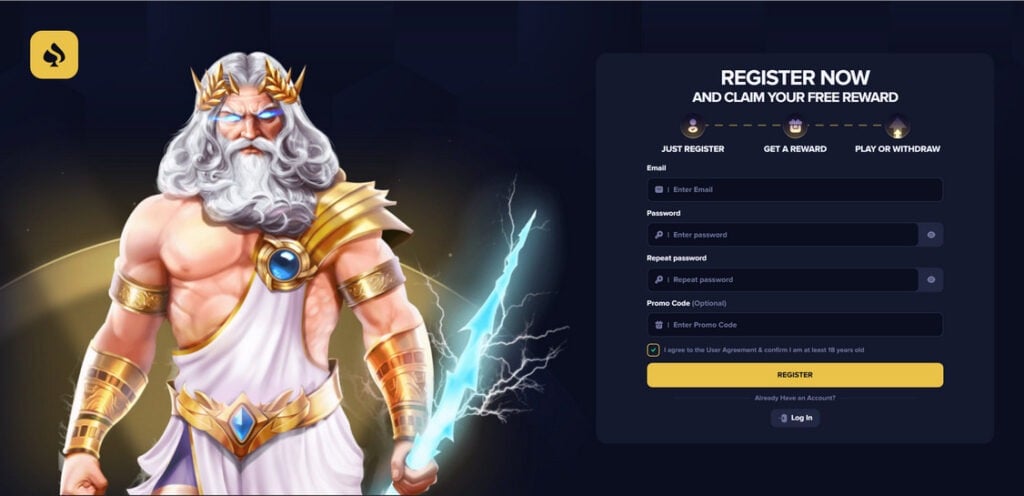
Zitrix.pro does not look like a one-off website. The same crypto casino layout, the same claims, and the same withdrawal trap are reused across many different domain names.
The brand name changes. The experience stays the same. A slick site promises a huge bonus, lets you play, then blocks withdrawals until you send an additional verification deposit.
Side by side, the fingerprints repeat:
- The same hero headline style, for example Decentralized Crypto Gaming Platform #1
- The same page structure and UI blocks
- The same game carousel and game list
- The same big-bonus marketing angle
- The same withdrawal message that demands a new deposit to verify or activate cashouts
- The same fake celebrity story, most often Elon Musk and very often MrBeast, plus recycled names like Bill Gates, Jeff Bezos, Mark Zuckerberg, Warren Buffett, Drake, and Taylor Swift
Lookalike domains that have carried the same pattern include:
- Bunodex.com
- TryGamb.cc
- Olympus-games.net
- KaiWin.cc
- Betaras.com
- Bezhope.bet
- Acegam.com
- 8BitWin.com
- 7Spiny.com
- Nexusball.com
- Germibet.cc
- Telaxplay.com
- EnyBex.com
- Roarax.com
- Siodex.com
- RuseWin.cc
- Epicdrops.life
Operators rotate domains so a burned URL can be replaced after complaints pile up. Fresh names keep ads running. Searching one exact domain is less useful when the next clip uses a different one.
Do not judge legitimacy by the logo. If the site blocks withdrawals and demands an extra deposit to unlock your funds, that is the pattern that matters.
How The Scam Works
Zitrix.pro follows a short funnel. Curiosity becomes a signup. A signup becomes a bonus balance. A bonus balance becomes a withdrawal attempt. The withdrawal attempt becomes a payment demand.
1. The ad finds you first
Most people do not find Zitrix.pro through careful research. They hit it on platforms where trust is low and speed is high:
- TikTok-style short videos
- YouTube ads or creator-like clips
- Facebook posts and sponsored ads
- Instagram reels and stories
- Posts inside chat groups and communities, including Discord
The promotion usually highlights a promo code, a sign-up bonus often $2,000 to $10,000, a limited-time claim, a founder story involving billionaires or famous names, and screenshots of big balances or withdrawals.
The clip is there to get the click. Tracking is already in the link. You are not sold a casino in the first five seconds. You are sold a secret: free crypto, a famous backer, a room that is paying out right now.
2. Sign-up is over before you think
Once you land, registration typically takes seconds. That is intentional. The longer you hesitate, the more likely you are to search the brand and see warnings.
After you register, the site often shows a bonus credited instantly, a prompt to start playing, and a dashboard with a large balance. The instant reward creates a commitment. You feel like you already gained something, which makes you more likely to keep going.
There is usually no meaningful identity check at this stage. The easy door is the point. The hard door is later, when money is supposed to leave.
3. You play with bonus money and win
Zitrix.pro usually lets you play with the bonus balance. That step matters because it creates emotional investment, a sense of momentum, and the belief that a withdrawal is the next logical click.
Some people see early wins or a balance that grows quickly. That reinforces the idea that the platform is functioning normally. A game that pays on screen is not the same as a game that pays to a wallet you control.
The goal is not a fair table. The goal is to get you to the withdrawal attempt, where the deposit demand appears.
4. The first cashout hits a wall
When you try to withdraw, the tone changes. Instead of processing the request, Zitrix.pro often shows an error or a message that you must complete verification or meet extra requirements.
Common lines include:
- Withdrawals are locked until verification is complete
- You must verify your wallet
- Minimum deposit required to withdraw
- Account verification required
- Security check in progress
The site does not usually say you cannot withdraw. It says you can withdraw after you do this one thing. That wording keeps hope alive. It turns a refusal into a to-do list.
A fast way to see the wall is to open Withdraw and try a small cashout, even $10, and read the message. If it says you must deposit first to unlock withdrawals, stop. If it asks for a separate transfer to verify your wallet, stop. A real platform can process a cashout without demanding a new deposit from you.
Phrases that expose the same playbook:
- Verification deposit required to withdraw
- Activate withdrawals by making a deposit
- Wallet verification required before payout
- Pay the network fee to process withdrawal
- One final step to unlock your funds
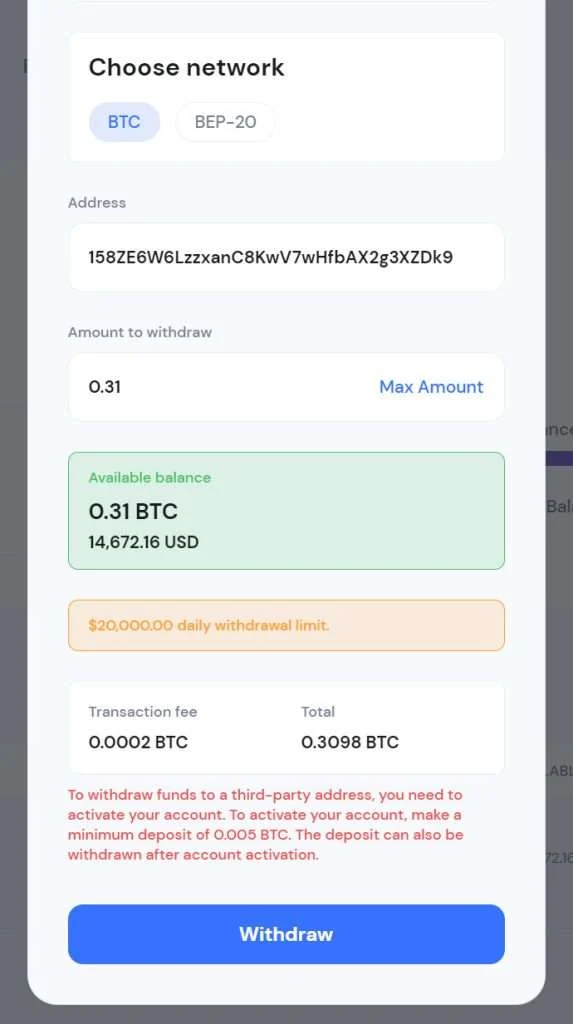
5. The verification deposit
This is the core extraction step. Zitrix.pro support, or the platform itself, demands an additional deposit, commonly $100 to $500, to verify the account or activate withdrawals.
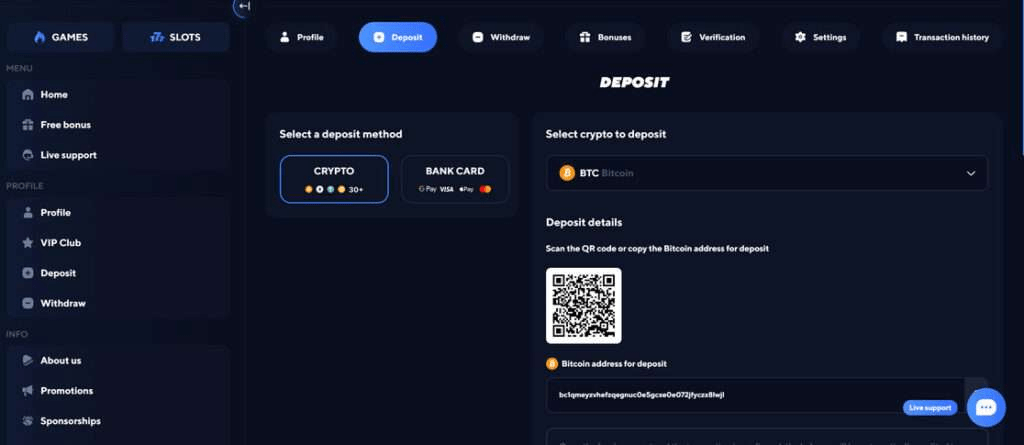
People who pay are told the cryptocurrency verification deposit is required before funds can be distributed. After they pay, they are hit with more payment demands.
The deposit is usually framed as something official:
- A compliance requirement
- A network fee
- A wallet validation step
- A security deposit
It is not a normal verification process. It is a payment demand. Real KYC asks for documents. It does not ask you to fund a new wallet as proof you are you.
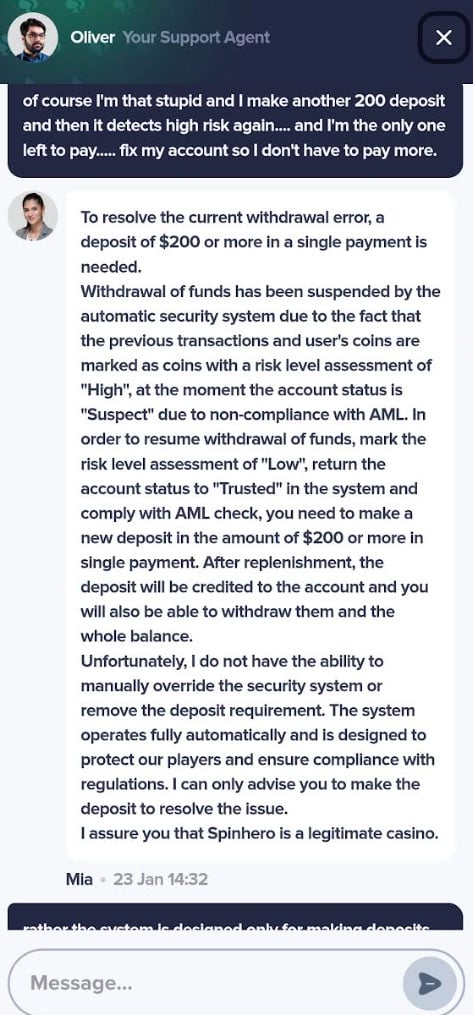
6. After you pay, the goalposts move
If you pay the first deposit, one of two things typically happens. The site demands a second payment, or it stalls indefinitely with excuses.
Common excuses include:
- Technical issue, try again later
- Your withdrawal is pending
- You selected the wrong network
- You need VIP verification
- Additional compliance is required
- Deposit more to unlock withdrawals
This is not random. It is a loop designed to extract more funds while you still believe a payout is one step away. Each new requirement is written to sound like the last one.
Once a person pays once, the site has learned they will pay. New tiers, higher verification, and delays are there to repeat the same ask under a new label.
7. Support fades once you stop paying
Many people report that support becomes repetitive, vague, slow, pushy about deposits, then suddenly unresponsive. Some are handled by a mix of automated replies and human operators, and then blocked or ignored.
While you still look like a deposit, the chat stays open. Once the operation believes you will not pay again, engagement often stops. The help desk was never a help desk. It was a collection window.
Ask one question if you are still in the chat: can they deduct any required fee from the withdrawal amount instead of asking for a separate deposit? If the answer is no, do not pay. Save screenshots, record the wallet address, and report the transaction details to your exchange.
What To Do If You Have Fallen Victim to This Scam
If you deposited money or shared details with Zitrix.pro, the priority is to stop losses, lock down your accounts, and keep proof. Work through this in order.
1. Stop sending money immediately. Do not send a verification deposit, an activation fee, or a network fee. If you already sent one payment, do not send another. These demands are designed to keep you paying.
2. Document everything before it changes. Save screenshots of your Zitrix.pro dashboard and balances, withdrawal error messages, chat logs and emails from support, the promo code and bonus offer page, deposit addresses shown on the site, and transaction hashes from your wallet or exchange.
The FBI advises victims to collect detailed cryptocurrency transaction information such as wallet addresses, transaction hashes, amounts, and dates when reporting crypto fraud. Write those down even if you think you will remember them later.
3. Contact the exchange or service you used to send crypto. If the coins left a centralized exchange, write their support immediately with the recipient wallet address, the transaction hash, the amount and coin type, the date and time, and a short description of the scam.
They may not be able to reverse it. Rapid reporting can still help flag the destination address and support investigations. Crypto transfers are generally irreversible once confirmed, which is why this kind of site prefers them.
4. Secure your email, exchange, and wallet access. Change your email password. Turn on 2FA for email and exchanges. Change any reused passwords. Review your device for suspicious extensions or downloads.
If you connected a wallet or approved permissions, consider revoking those permissions and moving remaining funds to a fresh wallet. Treat the Zitrix.pro login itself as burned.
5. Watch out for recovery scams. After a crypto loss, people are often targeted again by recovery agents who promise to retrieve funds for an upfront fee. The FBI warns people to be cautious of cryptocurrency recovery services, especially those charging fees upfront. Treat unsolicited recovery offers as highly suspicious.
6. Report the scam. Reporting helps build cases and protects the next person who sees the same promo code.
If you are in the United States, file with the FTC ReportFraud site and with the Internet Crime Complaint Center (IC3), and tell your exchange. Both offices want wallet addresses, hashes, amounts, and dates.
The FTC tells people to act quickly on cryptocurrency scams. The FBI warns that paying extra fees or taxes to access funds is a red flag and typically will not result in recovery.
If you are outside the United States, report to your national cybercrime unit, to local law enforcement, and to the platform where the ads appeared.
7. Report the ads and accounts promoting Zitrix.pro. If you found the site through social media, report the ad, the posting account, the landing page, and any screenshots of the offer. That can cut reach and stop the next signup.
8. Share a factual warning. A short, calm report helps more than a rant. Stick to the bonus claim, what happened when you tried to withdraw, the deposit demand, how support responded, and any wallet address involved. Avoid exaggeration. Facts travel farther and hold up better.
If someone forwarded you the clip, send them this page instead of the promo. These things spread in group chats. That is part of how they travel.
The Bottom Line
Zitrix.pro is a high-pressure crypto casino funnel. Huge promo bonuses, billionaire name-dropping, and a polished game lobby get you in. The failure point is the first withdrawal.
When a platform requires you to deposit additional crypto to verify or activate a cashout, that is the warning. The same tactic runs across slick lookalike gaming sites: free credits, then a verification deposit, then more payment requests and no payout.
If you already sent coins, stop paying, save the evidence, lock down your accounts, and report it. If someone offers to recover your crypto for an upfront fee, treat that as the next trap. The first loss is how they find you for the second one.

Reviews & discussion
0 commentsShare a firsthand experience, or ask a question.
Community reviews
zitrix.pro
Moderated reader experiences, not an editorial verdict.
Start the conversation
Have a question or something useful to share? Add the first comment.