

The ad finds you between commute clips and productivity tips, promising that beginners can learn artificial intelligence in plain language and turn those lessons into side income without becoming a programmer overnight.
App previews show neat lesson lists, ChatGPT shortcuts, and freelance growth modules that feel orderly after months of random YouTube tabs. What the creative softens is the jump from a cheap trial week to a recurring monthly charge that many people struggle to cancel cleanly.
Finestro is a real beginner learning app with structured content. The overhype lives in the income framing and in billing friction that turns curiosity into an expensive habit.
Overview
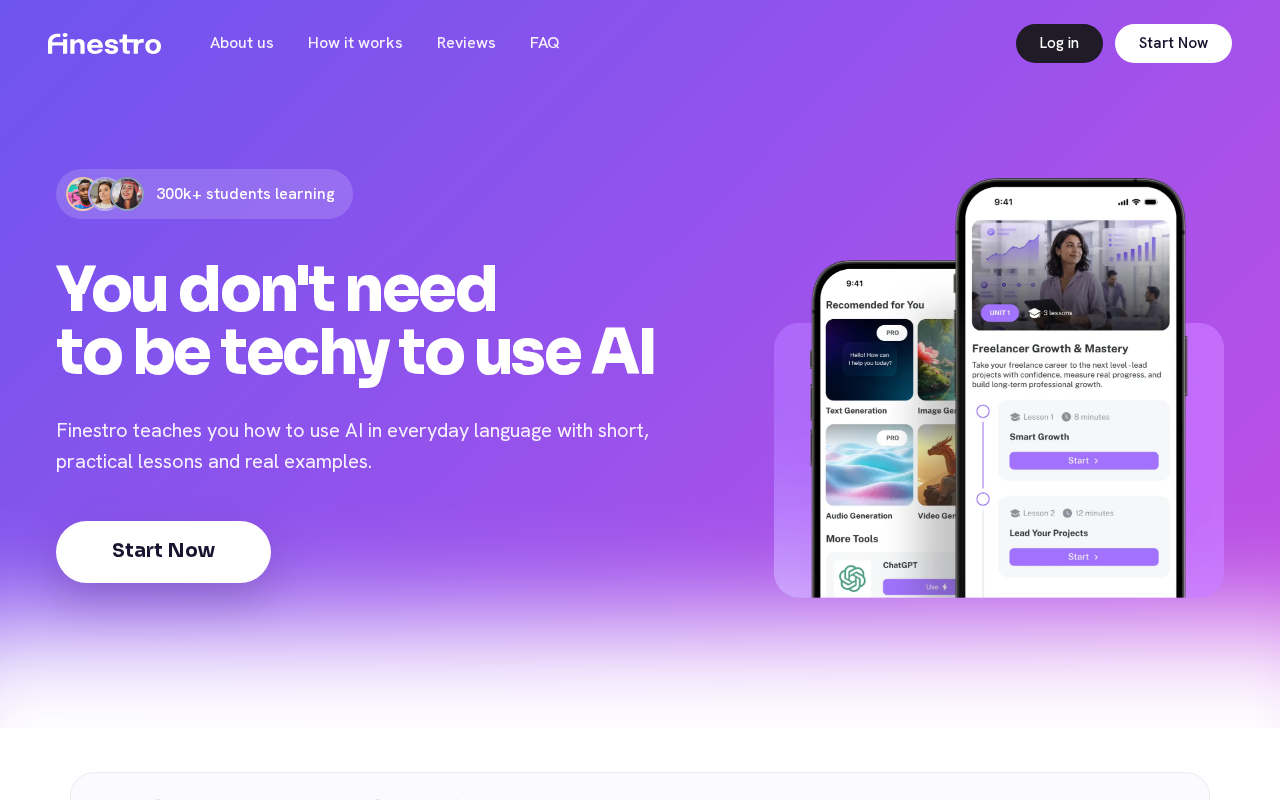
Finestro markets itself as a guided AI learning platform for people who feel behind on tools like ChatGPT, Gemini, and Claude. Short video lessons, practice tasks, prompt templates, and in app tool shortcuts are packaged as a personal plan that supposedly gets you from curious to capable without a technical background. The official web home for that pitch sits at the Finestro site, with companion mobile apps in the major stores.
The company behind the service is VELRIO LIMITED, incorporated in Cyprus, and the public terms describe how subscriptions, trials, and auto renewal work. Shoppers may also see related merchant names on bank statements depending on how payment processing is routed for a given checkout.
Pricing that surfaces repeatedly in user reports starts with a paid trial near $10 for about one week, then converts toward roughly $49.99 per month if you do not cancel in time. Exact checkout numbers can vary by storefront, tax, and currency, which is why the payment screen itself deserves a slow read before you confirm.
Content wise, the library sits close to what free documentation and creator tutorials already cover: clearer prompting, everyday productivity workflows, light freelancing tips, and marketplace ideas such as packaging digital goods. Beginners who want sequencing rather than another chaotic playlist can find that structure useful.
Complaints cluster less around empty courses and more around money. People describe surprise renewals, cancellation flows that feel easy to abandon, refund refusals after trial conversion, and confusion about whether Apple, Google, or the website controls the subscription.
This article treats Finestro as an overhyped income and billing trap wrapped around a real beginner app, not as a fake storefront. You can receive lessons, yet the risk is paying recurring money for optimistic side hustle promises and then discovering that stopping the charges requires the correct cancellation door.
How These Ads Work
1. A soft beginner promise lowers the fear of AI
Creative opens with reassurance rather than code. Headlines insist you do not need to be techy, that lessons use everyday language, and that hundreds of thousands of students are already learning inside colorful phone frames.
That tone is effective because many adults feel embarrassed about prompting tools their younger coworkers already use. The ad sells relief from that embarrassment before it sells a syllabus, which makes the Start Now button feel like self care instead of a subscription decision.
2. Side income language arrives before the syllabus details
Once attention is warm, the funnel layers freelancing growth, marketplace hustles, and workplace productivity stories that imply money follows quickly from short lessons. Job market statistics and salary uplift claims add a sense of urgency about not missing the AI wave.
Learning to prompt well can support income over time when paired with clients, portfolio work, and patience. Ads compress that long arc into a feeling that the app itself is the missing paycheck, which is the first layer of overhype.
3. The product is mostly familiar prompting and creator style tips
Inside the modules, shoppers commonly find ChatGPT oriented prompting drills, rewriting tasks, summary practice, and light business content such as positioning services or selling digital products on marketplaces. None of that is automatically worthless for a true beginner.
It is also widely available elsewhere for free or cheaper, because official tool docs, nonprofit courses, and endless free videos already teach similar workflows. Finestro packages sequencing and accountability, then prices that packaging like a recurring career program.
4. A cheap trial week trains the habit before the real price lands
Checkout often leads with an approachable trial near ten dollars for roughly seven days. That number feels like a low risk workshop fee, especially when the ad has already promised practical income skills.
Unless you cancel before the trial ends, the plan auto converts to a much higher monthly rate near $49.99 according to repeated user reports and policy language about trials becoming paid subscriptions. The emotional purchase happens at the small number, while the durable charge is the larger one.
5. Cancellation instructions split across website and app stores
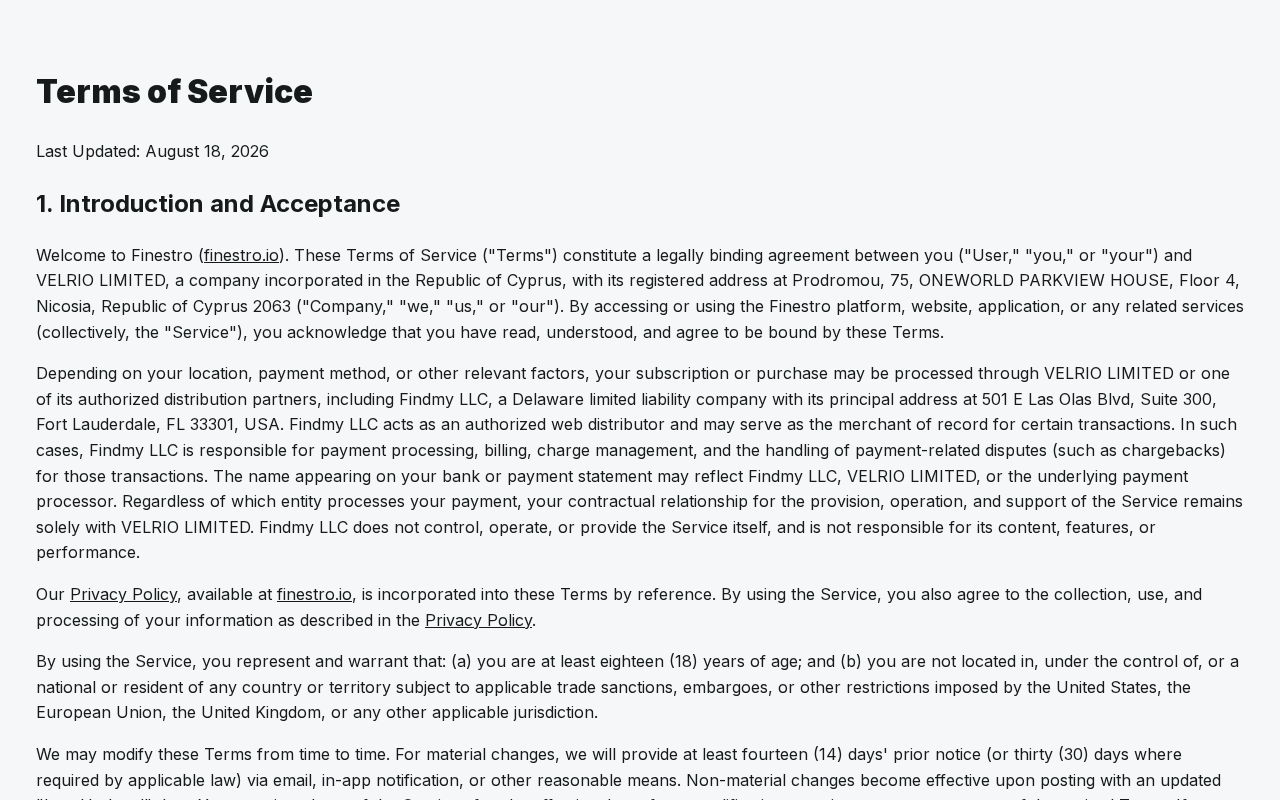
Terms explain that deleting the app does not cancel billing, and that subscriptions bought through Apple or Google must be cancelled inside those store subscription menus because the developer cannot flip that switch for you. Website purchases follow account or support paths instead.
That split is common in mobile subscriptions, yet it becomes a trap when ads never rehearse it. People tap Cancel inside the product, email support once, or uninstall the icon, then discover another charge because they used the wrong door for the way they originally paid.
6. Refund policy language protects the company more than confused buyers
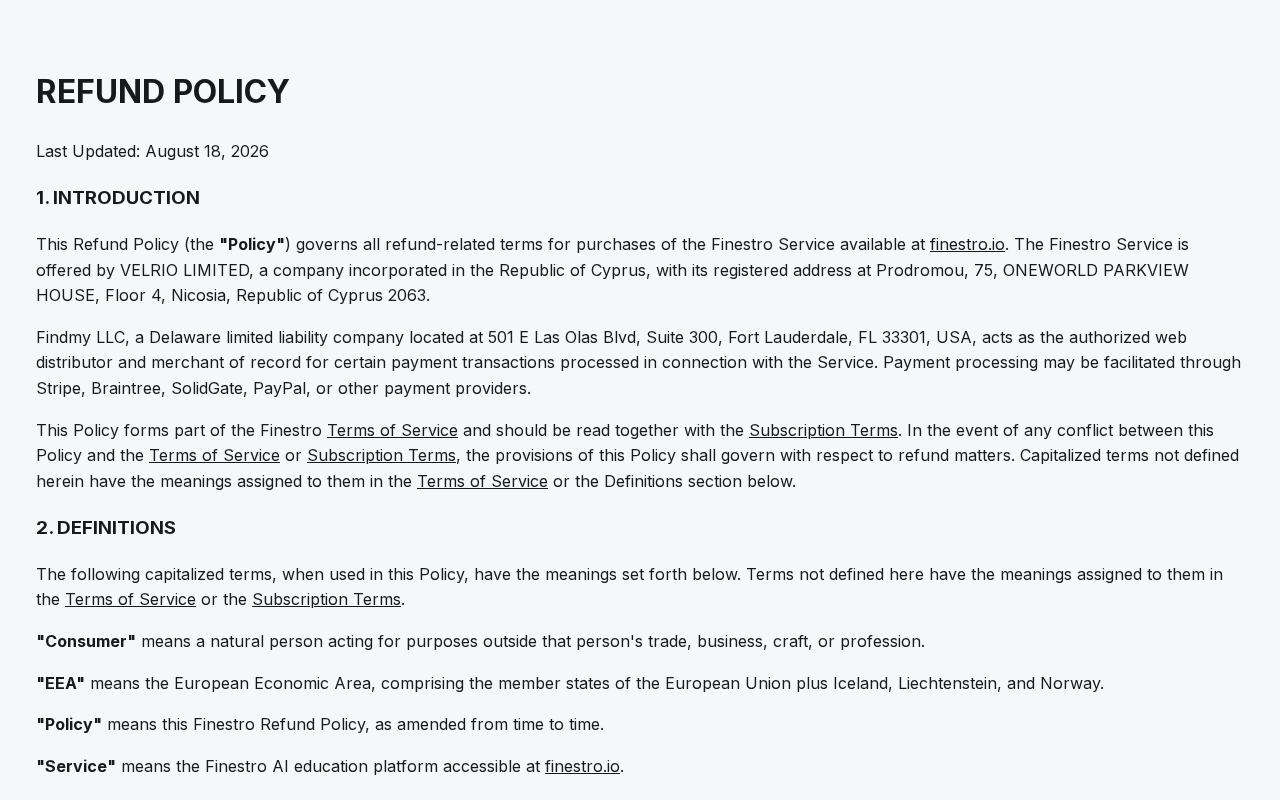
Published refund material generally treats processed payments as nonrefundable and warns that forgetting to cancel before conversion is not a qualifying reason. Consumers in some regions still have statutory withdrawal rights, but the default posture of the policy is restrictive.
When support replies slowly or asks for extra confirmation steps, the calendar keeps moving toward the next renewal. Billing friction does not require a fake company, because it only requires process design that rewards hesitation.
7. After the charge, buyers separate useful lessons from expensive expectations
Many users still describe the lessons as clear, short, and beginner friendly. That feedback can coexist with anger about money because the product and the pitch are not the same object.
People who wanted a structured tour of prompting may feel fine if they cancel on time. People who believed the ad promised quick side income, then faced a stubborn renewal, experience the funnel as a trap even though modules still open.
What You Are Actually Paying For
Strip away the salary statistics and the freelance growth photography, and Finestro looks like a subscription learning app with a curriculum editor, progress tracking, and bundled tool access. Sequencing has value for learners who stall without a checklist, especially adults returning to study after work.
Sequencing is not a proprietary engine that prints money. If the modules teach you to draft better prompts, summarize documents, outline listings, or plan client emails, those skills still require you to find buyers, deliver work, handle revisions, and keep showing up after the dopamine of lesson completion fades.
Marketplace tips about selling digital products follow the same pattern, since knowing that people list prompts or printables is easy. Building something customers repurchase, handling refunds, and competing with thousands of similar listings is the unglamorous remainder the ad rarely films.
That gap explains polarized reviews, because learners who treat the app like a course organizer praise clarity while learners who treat it like an income machine feel misled when month two arrives without clients, even if every video played correctly.
Paying nearly fifty dollars a month can still be a conscious choice for someone who wants accountability and likes the interface. It becomes an overhype problem when the creative implies the subscription itself is the business model that replaces a job search.
Billing Traps To Spot Before You Tap Start
Read the trial length and the renewal price on the same screen. If the offer highlights a one week price without an equally visible monthly amount, scroll until both numbers appear, then screenshot them before confirming so your future self has evidence.
Identify the merchant of record, because App Store and Google Play purchases are billed by Apple or Google. Website checkouts may show the Cyprus company or a payment partner on the statement, which matters later when you dispute a charge.
Set a cancellation reminder for at least twenty four hours before the trial ends, not on the morning you vaguely remember. Auto renewal is designed around people who intend to cancel and then get busy.
If you subscribe on a phone storefront, practice the store cancellation path once immediately after purchase, even if you plan to keep the trial. Confirming that Finestro appears under Subscriptions early prevents a panicked search after the first full charge.
Prefer a virtual card or a low limit card for experimental subscriptions. That habit does not replace cancellation, yet it reduces damage when a renewal slips through while you argue with support.
Ignore income guarantees that never define a time frame, a sample size, or a refund tied to earnings. Skills products can be honest without promising a paycheck schedule that no course can control.
Who This App May Help And Who Should Skip The Trial
A structured beginner path can help someone who already knows they want guided practice, who will calendar a cancellation reminder, and who treats income claims as advertising rather than a forecast. For that shopper, the useful comparison is against free courses and official documentation, not against a fantasy of passive deposits.
People who are already comfortable drafting prompts, shipping freelance work, or teaching themselves from docs will usually gain less from another mobile syllabus. Paying a monthly fee mainly for motivation is fine when chosen consciously, yet it is a weak reason to ignore the renewal math.
Anyone currently short on cash should be especially cautious about trial funnels that convert upward. A ten dollar week can become a fifty dollar habit before the first client email is ever sent, and refund policies are rarely written to rescue that scenario.
If your goal is immediate side income, spend the same week building a small public sample of work, talking to one real prospect, and learning one tool deeply from primary sources. Those actions teach faster than watching another introduction to summarizing emails inside a paywalled playlist.
Parents buying subscriptions for teens should also verify age rules and store billing controls. Shared family cards make surprise renewals harder to spot, and app store purchase approvals exist partly to prevent exactly this class of accidental recurring charge.
How Finestro Compares To Free Learning Paths
OpenAI, Google, and Anthropic publish beginner materials that explain prompting, safety limits, and practical examples without a third party subscription. Those pages will not gamify a streak for you, yet they come from the vendors whose tools you will actually use on the job.
YouTube and written tutorials cover Etsy style digital product ideas, cold outreach drafts, and content repurposing workflows in exhausting volume. Quality varies, which is why a paid sequencer can feel calming, but the calming effect is organizational rather than secret knowledge.
Community colleges, libraries, and nonprofit digital skills programs sometimes offer free or low cost AI literacy workshops with human instructors. Those options trade polish for accountability that does not auto renew through a phone storefront while you sleep.
The honest premium Finestro sells is packaging: a single place to click next, a mobile interface, and a sense that someone planned the order of topics. Judge the price against that packaging. Do not judge it against the dollar value of a career change the ad implied in fifteen seconds.
If you still want the app after that comparison, enter with a written exit date. Keep the lessons if they help, and drop the myth that a subscription alone rearranges your income.
What To Do If You Are Already Subscribed Or Charged
1. Find the original payment rail first. Check whether the charge came from Apple, Google, or a direct web merchant name, because that single detail decides which cancellation and refund doors actually work.
2. If Apple billed you, cancel in iPhone or iPad Settings under your name, then Subscriptions, then the Finestro style title, and confirm cancellation. Screenshot the confirmation page and the expiration date.
3. If Google Play billed you, open the Play Store profile menu, open Payments and subscriptions, open Subscriptions, select the app, and cancel there. Again, keep a screenshot because store records resolve later arguments faster than memory.
4. If you paid on the website, cancel through the account subscription controls and follow up by email so you have a written timestamp. Do not assume uninstalling the mobile app ended a web billing relationship.
5. Request refunds through the same rail that charged you, with app store purchases going through Apple or Google refund flows. Direct web charges go to the company support address listed in the terms, with your order email and dates attached.
6. Watch the next statement date instead of trusting a chat promise alone. If a charge posts after a documented cancellation, escalate with the store refund tools or your card issuer using the screenshots as a packet.
7. Separate useful learning from sunk cost. Download or note any prompts and workflows you still want, then stop paying for a library you can largely rebuild from free sources once you understand the basics.
8. Treat future AI hustle ads with the same billing first checklist. Ask where renewal lives, what the post trial price is, and whether income claims are measurable before another Start Now button feels harmless.
The Bottom Line
Finestro can be a real beginner app that sequences prompting practice, short tutorials, and light freelancing tips into a tidy mobile experience operated by a Cyprus registered company with ordinary subscription paperwork.
The overhype is the income story that makes a structured ChatGPT style course feel like a side hustle engine, paired with trial to monthly billing that punishes hesitation. Cancel through Apple or Google when those stores billed you, and cancel on the web account when the website billed you.
Skills are worth practicing and recurring charges are worth controlling, so keep those two ideas separate and the funnel loses most of its power.

Join the discussion
1 commentShare your experience or ask a question about this article.
Discussion
A well written and easy to understand post that gave all the needed answers that Finestro is not worth the hassle and other online options are available. Thank You very much for a very good post and well worth the read!