

The feed sells a yellow circle you can wear on your arm when motivation feels thin, promising steadier mood, clearer focus, and a brain chemistry reset without another pill bottle competing for space on the bathroom counter.
Kind Patches and lookalike wellness brands turned that idea into Dopamine Patches that later rebranded toward Mood+ language after regulators and lawsuits pressed on the blunt product name. Shoppers still meet packaging and ads that lean on dopamine talk, herbal ingredient lists, and convenience claims that outrun what a consumer sticker can deliver through skin during an eight hour wear window.
These are overhyped wellness stickers, not prescription dopamine agonist medicines used in clinical settings under medical supervision. The gap between the word dopamine and the patch contents is the entire problem this category keeps trying to advertise past.
Overview
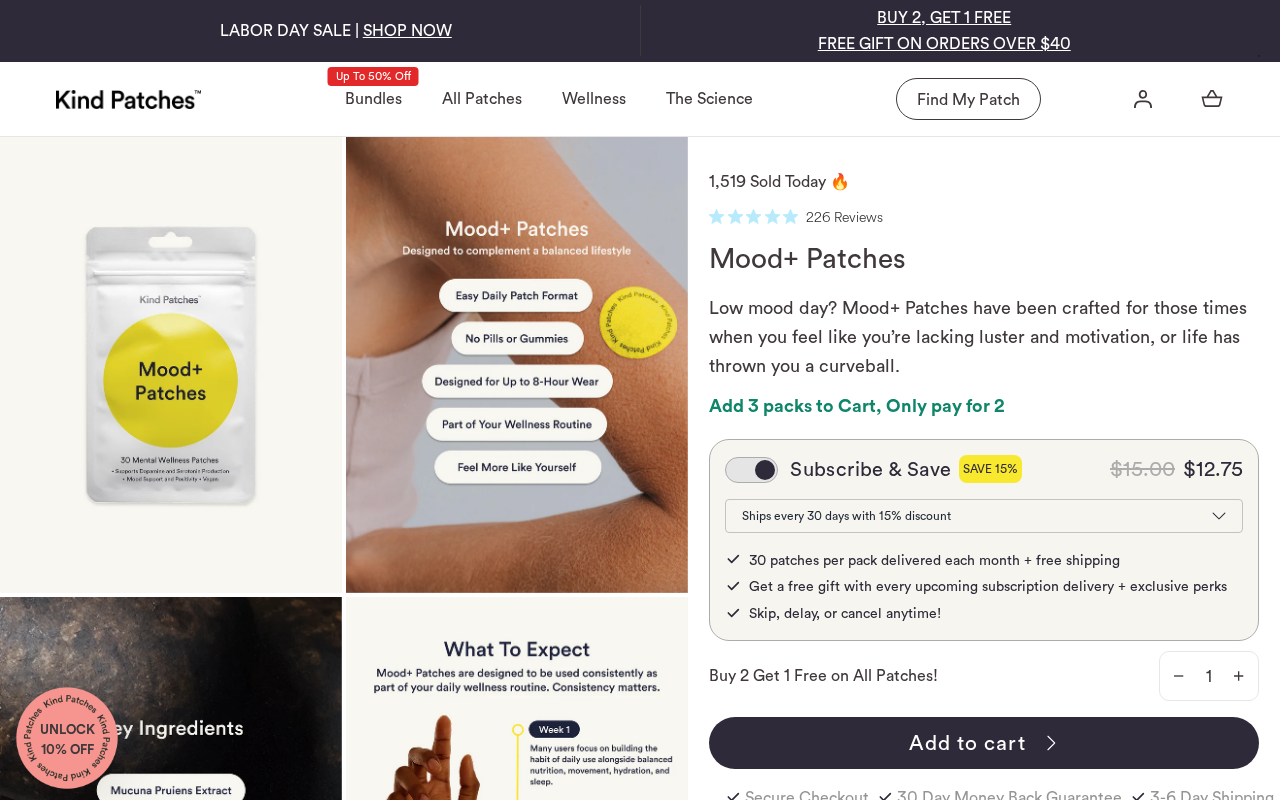
Dopamine Patches in the consumer wellness sense are adhesive stickers marketed for mood, motivation, focus, and emotional balance, often sold as a month of daily wear patches you apply for up to about eight hours as part of a routine. Kind Patches popularized the category with bright packaging and social ads, and the same product line later appears as Mood+ Patches with former dopamine naming still visible in URLs, receipts, retailer search results, or leftover copy on product pages.
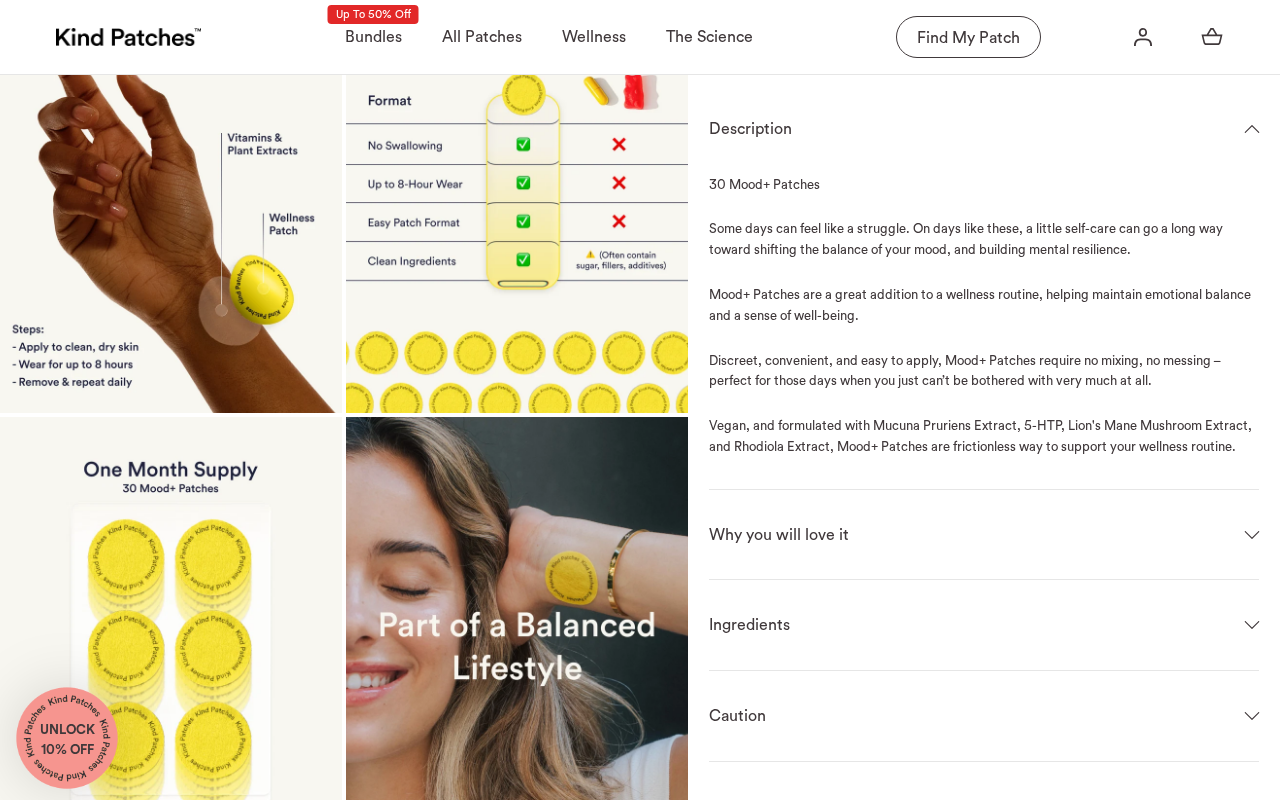
The brand home for that line is the Kind Patches site, where Mood+ listings describe plant based ingredients such as Mucuna pruriens extract, 5-HTP, lion’s mane, and rhodiola rather than the dopamine molecule itself sitting in the adhesive. Packaging and on page claims still talk about supporting dopamine and serotonin production, which is how shoppers continue to hear a chemistry promise even after a rename meant to soften regulatory heat and class action attention.
On 4 February 2026, the UK Advertising Standards Authority upheld complaints against Kind Patches ads, including dopamine patch creatives that linked low dopamine to lost spark and promised mood, clarity, and stress support in everyday language. The ASA concluded the health claims were not substantiated because submitted studies largely involved oral doses higher than patch amounts, or non clinical material that could not carry the advertising weight consumers would reasonably assign to those sentences.
Kind told the ASA in related proceedings that it did not hold evidence to substantiate mood, focus, motivation, emotional balance, dopamine level, and serotonin level claims in the form consumers would understand from the ads. The company described renaming the product after recognizing that Dopamine Patches could be taken at face value, which is a rare moment of clarity in a category that usually doubles down on molecule branding.
Civil complaints in the United States similarly allege that consumers were led to believe the patches contain dopamine or work like meaningful neurological support, while fine print and ingredient lists show herbal extracts instead of the named neurotransmitter. This article discusses those allegations as public claims in litigation and does not turn them into a courtroom verdict you should treat as final while cases proceed through ordinary legal timelines.
It is important not to smear unrelated real pharmaceuticals while criticizing wellness stickers sold beside hair support pouches and spin to win popups. Prescription dopamine agonists and other regulated medicines used for diagnosed conditions are a different category with different evidence standards, different risks, and different medical supervision requirements. Nothing in a Mood+ style consumer patch should be treated as a substitute for those therapies or for assessment of ADHD, depression, or other clinical concerns that deserve a qualified clinician.
Clones and copycat dopamine stickers follow the same template across marketplaces with only font changes and slightly different botanical stacks. Bold neurotransmitter branding, plant extracts, subscribe and save toggles, and urgency about daily mental wellness travel together because that combination converts. The Kind ASA ruling is a clear signal for the whole genre that focus and ADHD adjacent claims need evidence they have not produced for transdermal consumer doses.
This article treats dopamine wellness patches as overhyped stickers sold with brain chemistry language that outruns the pouch. You may receive adhesive discs with herbal ingredient stories and a thirty day supply calendar. You should not expect them to deliver dopamine the way the product name taught your brain to expect, and you should not delay real care while waiting for a sticker to restore motivation that might need sleep, therapy, or medicine instead.
How These Ads Work
1. Low motivation becomes a chemistry problem with a wearable answer
Ads speak directly to brain fog, flat mood, and the sense that your spark went missing between work messages and bad sleep that never quite recovers on weekends. Framing those feelings as low dopamine makes a sticker feel like targeted support rather than a vague self care purchase you might forget in a drawer beside unused vitamins.
The leap is powerful because dopamine is a real word people half remember from documentaries, classroom posters, and social explainers about reward. Once the feeling has a molecule name, a product named after that molecule feels like matching luggage even when the pouch only contains herbs that appear in countless oral supplements already.
2. The product name does heavy scientific lifting before ingredients appear
Calling a patch Dopamine teaches shoppers what to expect before they flip the pouch and read Mucuna, 5-HTP, lion’s mane, and rhodiola in smaller type under a yellow badge. Mood+ renaming reduces some of that bluntness on newer pages, yet former dopamine URLs, residual copy, and support language about dopamine pathways keep the association alive for searchers and for returning customers.
Regulators treated that naming problem as foreseeable consumer takeaway rather than an accidental branding quirk that nobody could have predicted. If the average person hears dopamine patch in a paid social ad, they hear dopamine delivery or dopamine restoration, not a poetic nickname for a botanical wellness routine.
3. Ingredient studies get borrowed from oral research that does not match the patch
Marketing and defense materials often point to studies on individual ingredients taken by mouth at doses higher than what a thin sticker can plausibly present to skin for a workday of desk time. The ASA walked through that mismatch in February 2026 and found it insufficient for the mood and focus claims consumers would take from the ads as written.
Transdermal delivery is not automatically fake as a concept, because some medicines are designed as patches under pharmaceutical controls with known doses and known risks. Wellness stickers that skip those controls still owe proof that their specific dose, matrix, and wear time do anything measurable beyond placebo comfort and the satisfaction of doing something visible.
4. Focus and ADHD adjacent language widens the audience beyond mild mood days
Some creatives talk about staying focused, mental clarity, and drive in ways that people with attention struggles may hear as an alternative path that avoids clinics and controlled medicines. That expansion is commercially smart and clinically risky, because ADHD care and related conditions need proper assessment rather than a subscribe and save pouch with a cheerful arm photo.
Unproven focus claims are a major reason this category draws regulatory heat and lawsuit attention in the same season. A sticker can be a harmless ritual for someone who likes routines and gentle reminders, yet it becomes harmful when it delays evaluation or replaces therapies that were never part of the brand’s evidence package for advertising law.
5. Subscribe and save turns a curiosity purchase into a monthly habit
Product pages push subscription toggles with modest discounts, sold today counters, and bundle math that rewards buying three and paying for two during seasonal sales. Those tools are ordinary ecommerce across wellness, and they matter here because the underlying benefit story remains unproven while the shipping cadence continues month after month.
A person who feels unchanged after two weeks may still receive the next box because cancellation was not rehearsed at checkout while a popup offered ten percent off. Habit billing is how overhype extracts money after the first hopeful application on a Monday morning when motivation felt especially thin.
6. Rebranding manages risk without always resetting shopper expectations
Moving from Dopamine Patches to Mood+ Patches is a rational response after an ASA ruling and public criticism of the name that did too much scientific work. Rebrands can improve label accuracy while leftover ads, retailer listings, and word of mouth still teach the old chemistry story to new buyers who never saw the ruling.
Shoppers should read the ingredient panel and the claim language as they exist today on the page that charges them, not as a vibe remembered from a yellow logo in a friend’s story. If dopamine support remains the emotional promise in captions and bullet points, the rename alone has not finished the honesty work the ASA required.
7. Clones amplify the same neurotransmitter theater across checkout pages
Once a niche converts, marketplace sellers and small brands copy the pouch shape, the molecule word, and the focus captions with minor font changes and different stock photography. The Kind ruling becomes a category warning rather than a single company footnote, because the mechanism of overhype is the name and the claim pattern, not one warehouse address in Berkhamsted.
Buying a no name dopamine sticker does not escape the evidence problem that oral studies cannot automatically rescue. It usually means fewer refund paths and even thinner documentation than a major direct to consumer brand that at least publishes ingredients, wear instructions, and a money back blurb.
What To Do If You Bought Dopamine Or Mood+ Style Patches
1. Do not stop or change any prescribed medicine because a wellness patch ad suggested a simpler wearable path for mood or focus on a stressful week. Speak with your clinician before altering treatment, and treat consumer stickers as unrelated to pharmaceutical care that was prescribed for a reason.
2. If you hoped the patch would address ADHD symptoms, depression, or sudden personality change, book appropriate clinical evaluation instead of escalating to more stickers or stronger sounding clones from marketplace ads. Motivation problems can have medical, sleep, thyroid, and situational causes that adhesive cannot sort in eight hour wear sessions.
3. Cancel subscribe and save inside the retailer or brand account as soon as you decide the product is not earning its place on your arm, and screenshot the confirmation date for your records. Watch the next billing cycle so a discounted habit does not outlive your patience or your skin’s tolerance.
4. Request a refund under any money back promise while documenting the dopamine or mood claims that led you to buy, especially if packaging still implies neurotransmitter results after a rename. Keep order emails and page captures because rebrands can make later conversations fuzzy when support says the product was always Mood+.
5. Read the ASA February 2026 Kind Patches ruling summary if you want a clear example of why oral ingredient studies fail to rescue patch ads aimed at everyday consumers. Use that logic on any clone that waves a study without matching dose and delivery method to the sticker you actually wear.
6. Avoid stacking multiple neurotransmitter themed patches from different brands in hopes that volume creates chemistry your body will finally notice. More stickers mainly create more skin irritation risk and more recurring charges without improving the evidence base that regulators already found wanting.
7. If a patch seems to help, consider placebo, routine, caffeine elsewhere in your day, sunlight, and sleep changes before crowning the herbs as proven dopamine delivery through skin. Personal feeling can matter for rituals you enjoy, yet it is not the same as substantiated health claims under advertising standards that demand adequate evidence.
8. Teach teens and young adults in your home that dopamine branding on a pouch is marketing language, not a diagnosis and not a licensed medicine with pharmacy oversight. Early skepticism toward neurotransmitter stickers is cheaper than a subscribe loop built on exam stress and social media chemistry myths that travel faster than ASA rulings.
That caution is the whole point of reading past the yellow circle before another subscribe toggle quietly extends a chemistry story that already failed basic advertising scrutiny in the United Kingdom.
The Bottom Line
Dopamine wellness patches from Kind and its clones sell a wearable answer to low mood and thin focus, then fill the pouch with botanical extracts that never equal the molecule featured in the product name that made the ads convert.
The UK ASA February 2026 ruling against Kind ads, the later Mood+ rename, and public lawsuits all point to the same gap between neurotransmitter theater and evidence for transdermal consumer doses. Focus and ADHD adjacent promises remain especially unproven and especially risky when they delay real care that a sticker cannot replace.
Keep prescription medicine and clinical assessment in their own lane, far away from yellow stickers sold beside spin to win popups and labor day banners. If you want a ritual, choose it honestly as a ritual you can stop without a chemistry story. If you want dopamine related medical treatment, you will not find it delivered by an overhyped wellness patch that had to back away from its own name after regulators asked for proof.

Join the discussion
0 commentsShare your experience or ask a question about this article.
Discussion
Start the conversation
Have a question or something useful to share? Add the first comment.