

On your first visit, Faonex.com looks like a modern crypto casino: slick lobby, recognizable games and a big promo code bonus credited the moment you register.
The generosity holds up right until you ask for a withdrawal. Then Faonex.com shows you what it was really designed for.


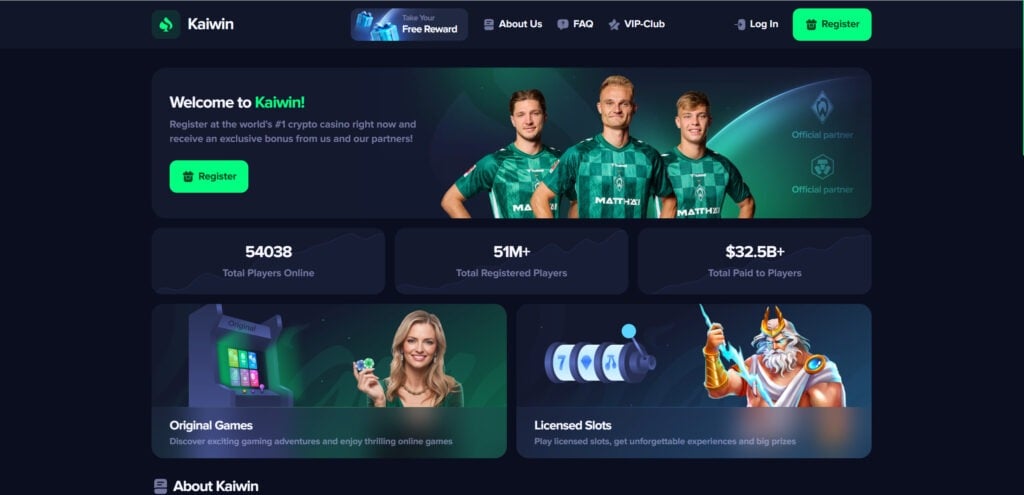

Overview
Designed to pass as a trustworthy crypto casino
Faonex.com describes itself as a decentralized gaming platform, then piles on the signals people read as proof of a real crypto casino:
- Bold “#1” platform claims that point to no source at all.
- A sprinkling of “blockchain,” “decentralized” and “provably fair” language.
- Glossy lobby styling lifted from crypto casinos people already recognize.
- A menu of familiar games: Crash, Plinko, Mines and slots.
- A big bonus that shows up the moment you register.
- Nonstop scrolling live feeds of “recent wins” and “withdrawals.”
The polish works on first contact: lots of activity, a modern look, a sense of deep pockets. Judge it like anything else that holds your money, and the gaps show.
Celebrity backing it has no way to prove
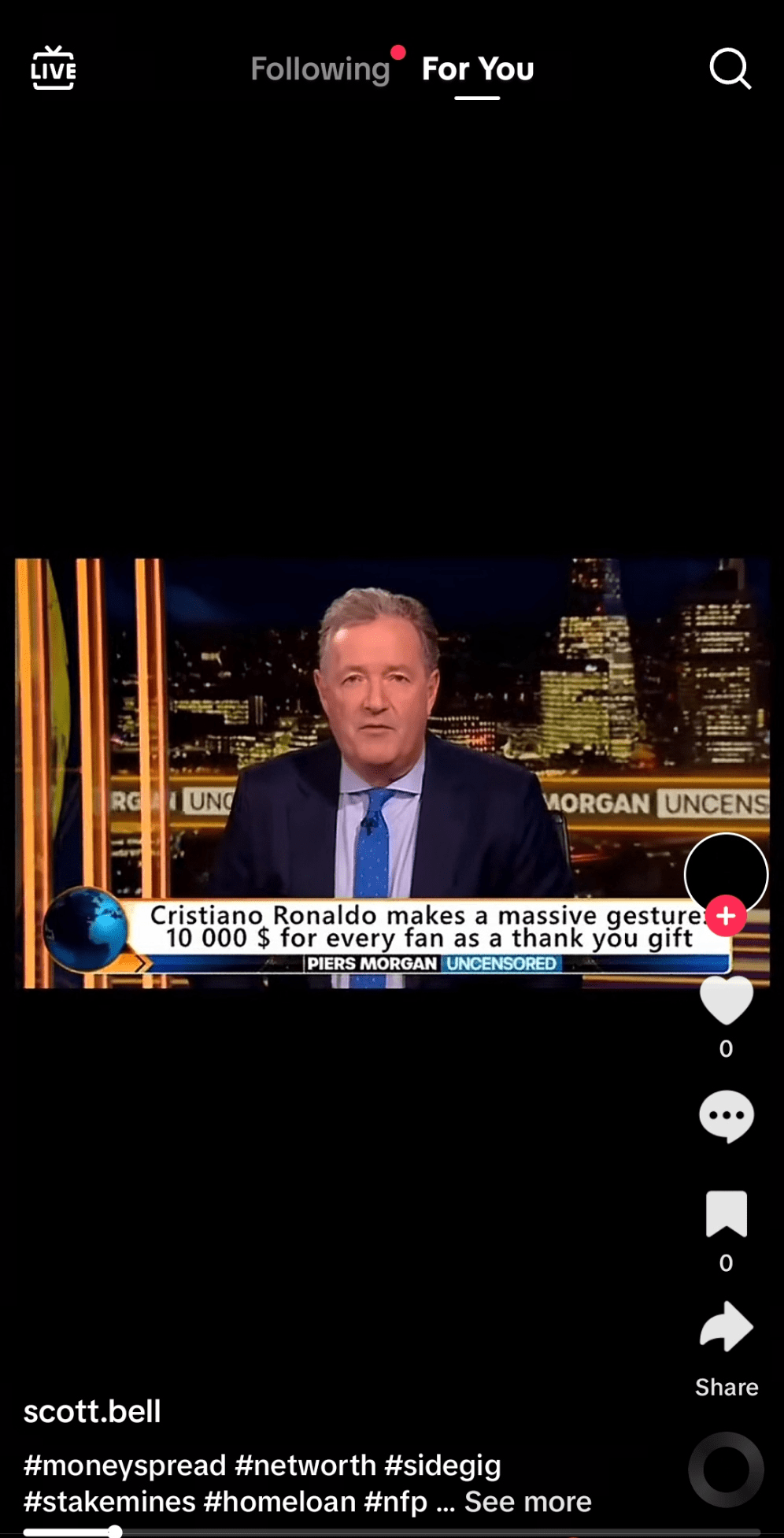
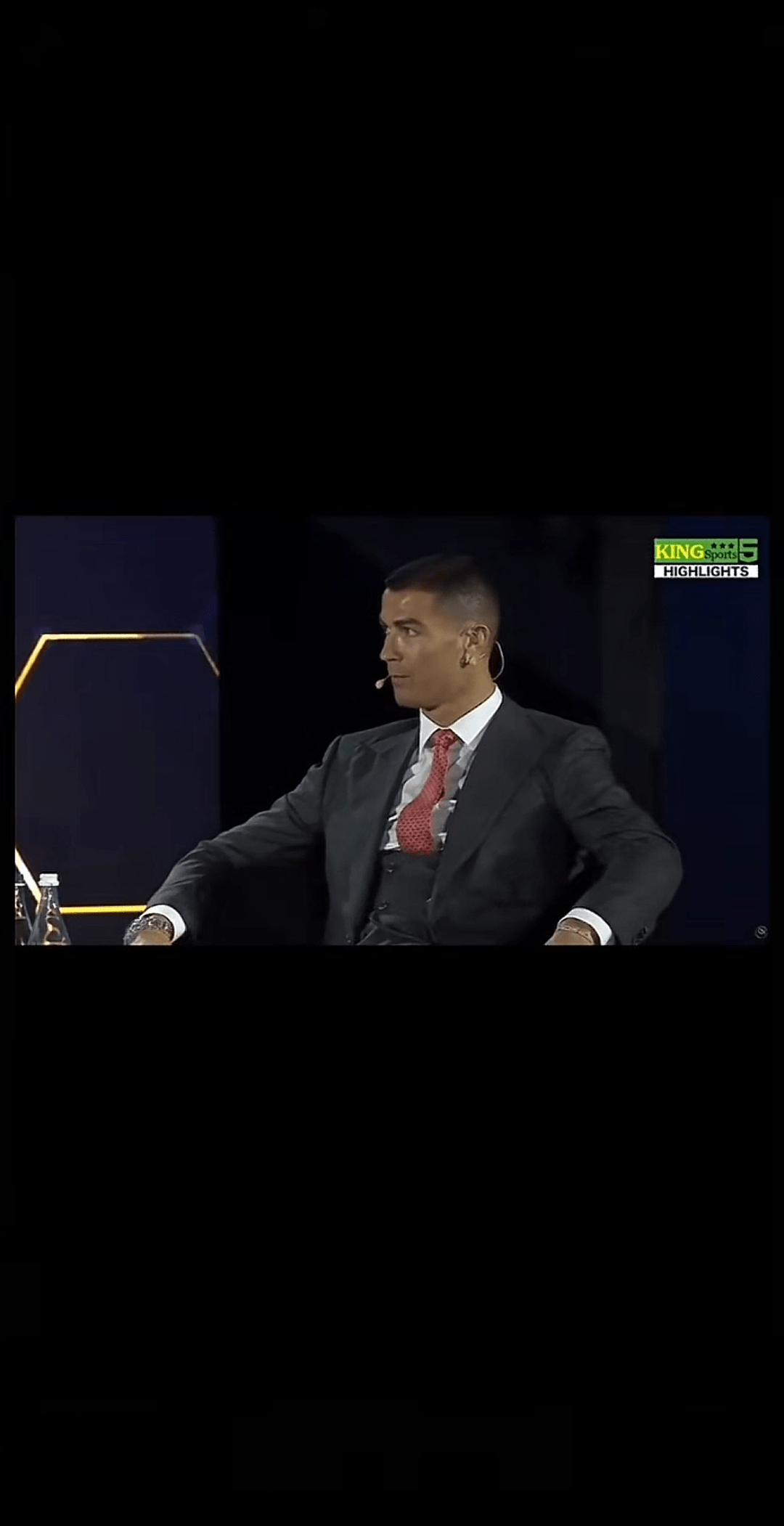
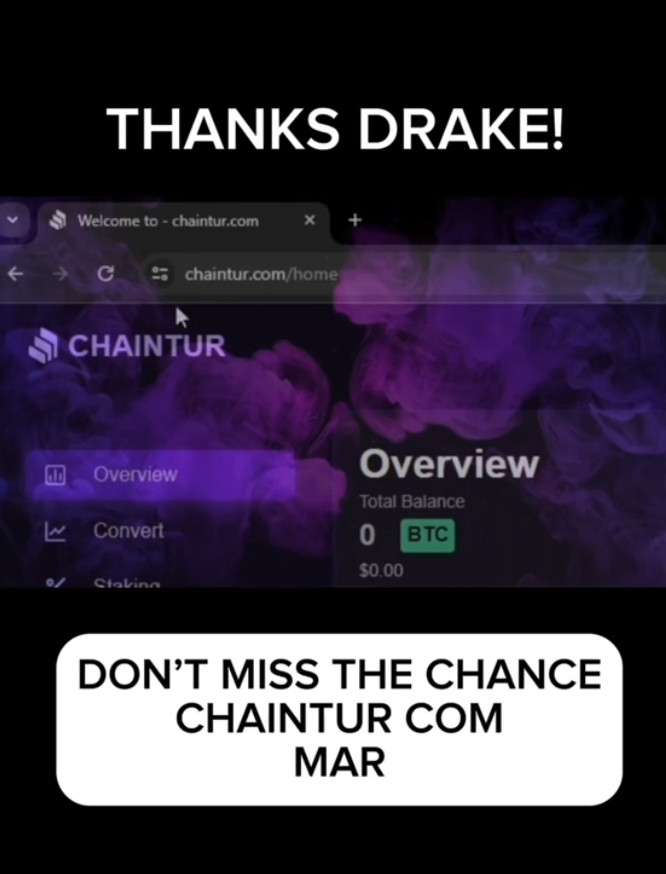
Elon Musk, MrBeast, Drake, Jeff Bezos and Bill Gates often turn up as claimed backers on these sites. Some prefer Cristiano Ronaldo or Taylor Swift.
No one on that list has a credibly documented link to these casinos. Those names are there so you won’t question anything.

People on social media scroll fast and rarely check anything, so fake endorsements thrive there. These casinos tend to advertise in exactly that space.
The quickest test is the celebrity’s own official accounts. A casino launch by them would land on front pages, not in a promo code buried in the comments.
The point where the money stops moving
Joining and playing take no effort at all. Hit withdraw for the first time, though, and the site asks for a new crypto deposit to “verify” your account.
Here’s the core of the scam: that deposit. Pay it and the site comes back for more; decline and your displayed balance never budges.
To look legitimate, the demand usually carries an official-sounding label:
- Verification deposit
- Activation fee
- Network fee
- Security deposit
- Wallet validation
The labels rotate, but the logic never does. You’re asked to pay extra just to touch money you supposedly already have.

Don’t deposit on Faonex.com, because it’s a fake crypto casino. And don’t pay any “verification” or “activation” fee to unlock a withdrawal.
What Our Investigation Found on Faonex.com
Here’s what stands out about Faonex.com:
- Faonex.com was registered on March 11, 2026, about 7 months ago.
- Faonex.com is built from the same site kit as winandplay.cc, bevawin.com, zabowex.com and renubet.com, which MalwareTips has already exposed as scams.
How the Faonex.com Scam Works
It’s one funnel, copied across every site running this scam. Each step moves you a little closer to the first withdrawal, and that’s when the real ask begins.
Step 1: Promo codes show up in ads and chat groups
Search rarely leads anyone to sites like Faonex.com. They’re pushed at you in TikTok clips, YouTube ads, Facebook and Instagram posts, and messages in Discord or Telegram groups.
Every version of the pitch leans on similar props: screenshots of huge balances or payouts, a promo code, a bonus worth thousands and a “limited time” warning.
Those platforms favor speed over checking. A clip is gone in seconds, the code feels exclusive, and the comments are packed with people claiming they got paid.


Step 2: Signing up takes seconds
Almost nothing stands between you and an account: no identity checks, no proof of address, and often not even an email to confirm.
This speed is deliberate. A short path to the first game leaves less time to look up reviews and warnings about the site.
If a site like this asks you to connect a crypto wallet instead, never approve the permissions it requests. One approval can let it drain your wallet.
Step 3: A generous bonus balance to gamble with
Enter the promo code and a large bonus appears, often $2,000 to $10,000. From there, you’re playing with money that was never really yours.
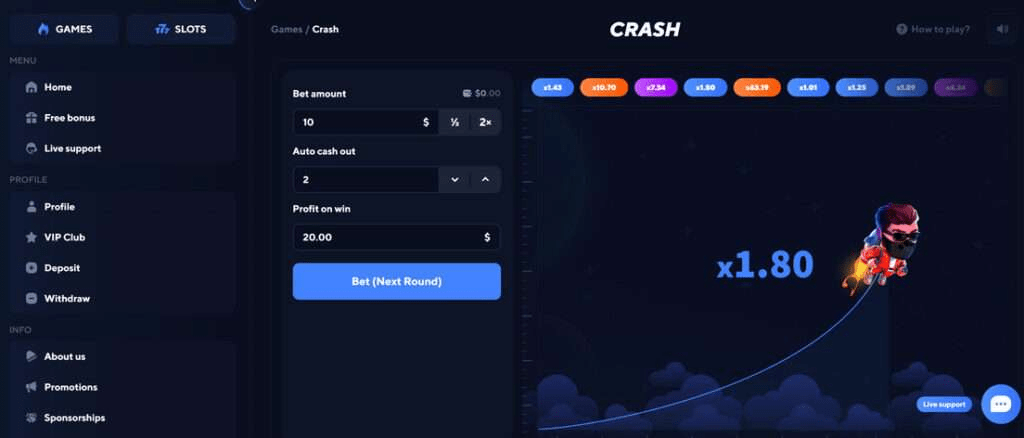
Expect early wins; they’re common. A climbing balance builds confidence and makes cashing out feel like a formality.
Crash, Plinko, Mines, dice and slots all run smoothly. That polish proves nothing. It’s there so you believe a withdrawal will work.
Step 4: You try to cash out and hit a barrier
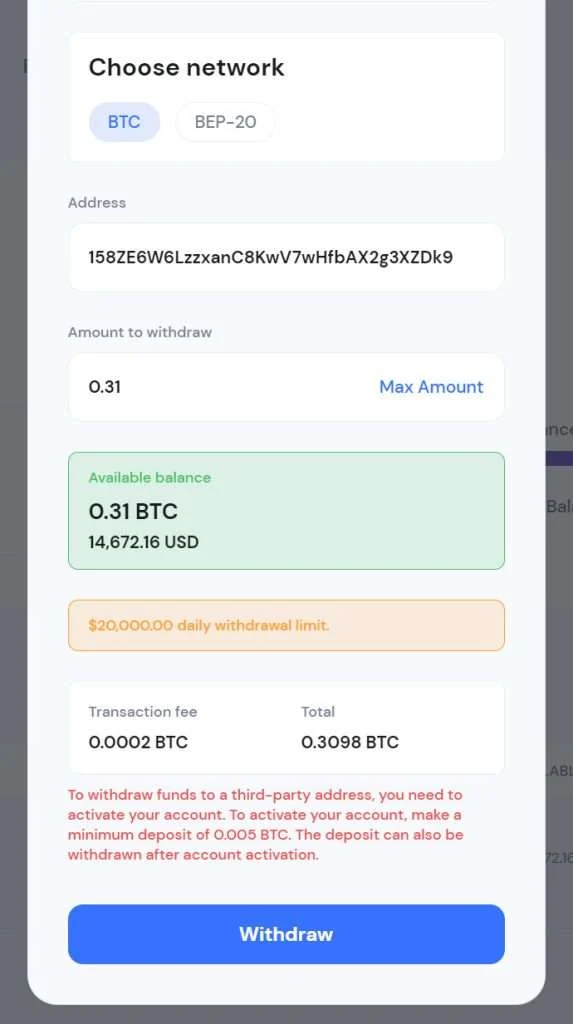
Request a payout and you get something else entirely: a message about verification, a locked wallet or a minimum deposit. The wording looks like this:
- “Withdrawals are locked until verification is complete”
- “Minimum deposit required to withdraw”
- “You must verify your wallet before payout”
- “Security check in progress”
These messages never refuse a withdrawal. They promise it’s coming right after one more step, which is exactly how the site keeps you hopeful.
Step 5: The site demands a “verification deposit”
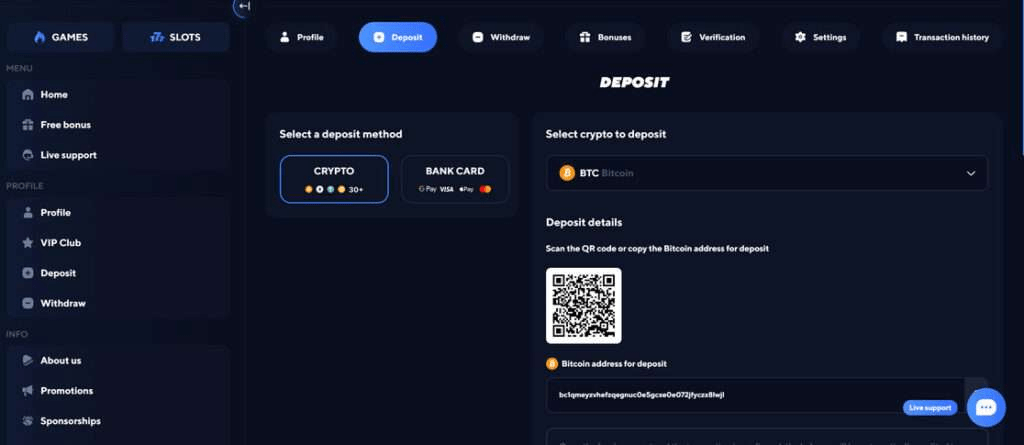
This is where you’re asked to pay. The site or its support chat wants another crypto deposit, commonly $100 to $500, to “activate” withdrawals.
Some sites make the deposit feel urgent with a countdown or a payout shown as “pending.” That payout doesn’t arrive, regardless of how much you hand over.
Step 6: The fees stack up and replies stop
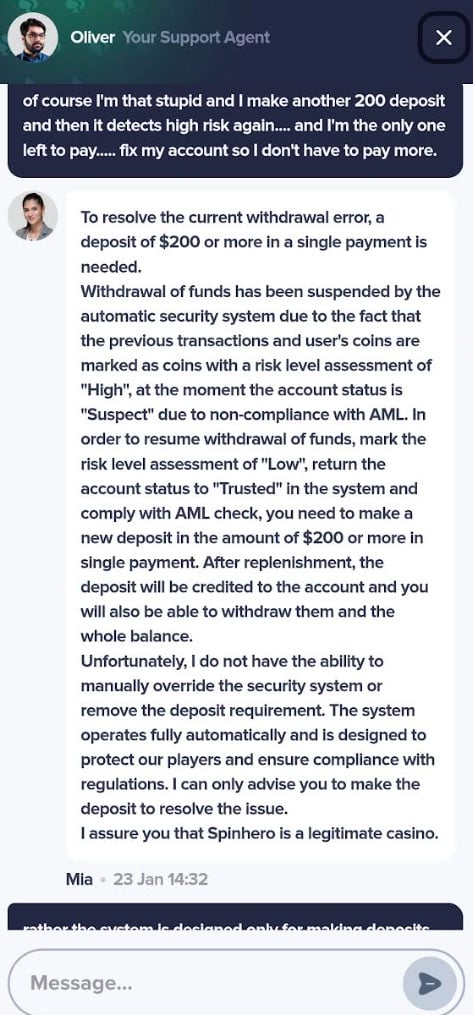
Paying doesn’t free your balance. It just triggers the next requirement, such as a higher verification tier, a VIP upgrade, a tax on your winnings or a bigger deposit.
You’ll also hear plenty of stalling: “your withdrawal is pending,” “try again later” or “you chose the wrong network.”
Friendliness lasts exactly as long as your deposits. When you won’t pay again, replies come slower and vaguer until they stop altogether.
Red Flags at Faonex.com
Most of these warning signs can surface independently. The first, though, is enough all by itself. Line them up and they point to the crypto casino scam kit behind Faonex.com.
The cashout that needs a fresh deposit
Nothing else on this list is as decisive. Being asked to deposit again just to free up a balance you supposedly won means the payout doesn’t exist.
The math gives it away. A real fee would come out of your withdrawal amount, so a separate transfer to “unlock” the balance only makes sense for the scammer.
A bonus too large to be real
Real casinos aren’t shy about the conditions on their welcome offers, from limits to wagering rules. A bonus in the thousands with no strings isn’t a promotion. It’s bait.
Check for bonus terms. On sites like this they’re usually missing, vague or copied, and they never explain how the bonus could actually be withdrawn.
Endless tickers of players and wins
Players online, new wins, fresh withdrawals: the feed never stops moving. On sites like this, it’s usually a scripted animation instead of real activity.
You can test this yourself by refreshing a few times. The same usernames and amounts tend to roll by again, a sign of a loop, not live data.
Who runs it, who licenses it, where disputes go: unknown
A legitimate casino identifies its operator and license, and tells you where disputes go. Fake casinos like Faonex.com usually leave out all three, or make them up.
Check the license number directly in the regulator’s register. A missing number or a mismatch means you treat the site as unlicensed.
The door opens easily, the cash-out never does
Signing up needs no checks and takes seconds. Withdrawing suddenly demands “verification.” The trap is built on exactly that reversal.
Identity checks at a genuine casino mean uploading documents, at sign-up or ahead of your first cashout. Paying crypto is never part of the process.
Customer support that keeps steering you to deposits
No matter how directly you ask about your withdrawal, support brings it back to paying. Genuine help explains a delay; it doesn’t treat another payment as the fix.
Only crypto deposits, no card payments
Sites like this accept crypto as the only deposit method. The appeal for them is that crypto payments are almost impossible to reverse.
Same Scam Playbook, Different Domains
Faonex.com has plenty of twins. A long list of short-lived domains copies its layout, its games, its bonus pitch and even its withdrawal message.
Viewed side by side, they leave identical fingerprints:
- Headlines written the same way, such as “Decentralized Crypto Gaming Platform #1”
- A shared page design, game carousel and game list
- Bonus pitches that are equally oversized
- Often the identical celebrity setup, usually centered on Elon Musk or MrBeast
- The same note insisting you deposit before a single payout
Among the lookalike domains using the same kit:
- Bunodex.com
- TryGamb.cc
- Olympus-games.net
- KaiWin.cc
- Betaras.com
- Bezhope.bet
- Acegam.com
- 8BitWin.com
- 7Spiny.com
- Nexusball.com
- Germibet.cc
- Telaxplay.com
- EnyBex.com
- Roarax.com
- Siodex.com
- RuseWin.cc
- Epicdrops.life
Each domain puts a different name on the lobby. The withdrawal message never changes, and that’s what gives the scam away.
If you recognize these fingerprints on a site, don’t hand over money to prove it’s honest. Unsure about a casino? The free test below is for you.
Why these casinos keep switching domains
The constant switching isn’t random. It helps the operators in several ways:
- The old name keeps the complaints and bad reviews, not the new one.
- A new, “clean” address lets the ads keep running.
- Look up the new name and you won’t find any warnings yet.
- Each extra site carries the same funnel to a fresh crowd.
The useful question isn’t what the site is called but how it acts. Every new domain still finishes at the same withdrawal wall.
The Withdrawal Wall Test
Can’t tell whether to trust a crypto casino? Try this quick test before any money goes in.
Try this two-minute check
- Make an account with a throwaway email plus a password you use nowhere else. Then go right to the withdrawal page.
- Enter a modest cash-out from your bonus. $10 is enough for this test.
- Look closely at the message that comes back.
- The wall looks like a request for a deposit, a fee, a wallet connection or a “wallet verification” transfer. See any of them at any point? Don’t deposit.
Before you deposit, this knowledge is free. After you deposit, it can cost everything you sent.
Warning phrases that reveal the trap
Spot any of these lines, and you’re dealing with the same playbook:
- “Verification deposit required to withdraw”
- “Activate withdrawals by making a deposit”
- “Pay the network fee to process your withdrawal”
- “One final step to unlock your funds”
Ask this one question
Ask support one thing: take the fee out of the withdrawal itself. If the money never hits your wallet, keep your crypto. Save the chat and leave.
What to Do If You Have Fallen Victim to This Scam
Sent a deposit already? From here, it’s about cutting your losses, keeping your accounts safe and saving the evidence investigators will want.
- Stop paying. Don’t send another verification deposit, activation fee or network fee. Every payment just triggers the next demand.
- Capture the proof. Your screenshots should show the balance, the withdrawal messages and every support chat. Alongside them, record the promo code, the deposit addresses and each transaction hash.
- Let your exchange know. If the crypto left from your exchange account, pass along the receiving address, the transaction hash, the amount and the date. They may flag the wallet.
- Secure your email and exchange. Change both passwords and enable two-factor authentication. If you approved wallet permissions on the site, revoke them too.
- Clean up your device. Did you install an app or extension for the casino? Uninstall it, then run a scan with Malwarebytes Free.
- Ignore recovery pitches. A promise to get your crypto back in exchange for an upfront fee is a second scam. The FBI warns about exactly this trick.
- Report the scam. Americans should file at ReportFraud.ftc.gov and with the FBI’s Internet Crime Complaint Center (IC3). Everyone else can reach their national cybercrime unit or local police.
- Flag the promotion. Go back to the platform where you saw it and report the ad, the posting account and the promo code.
- Block the ads. Ads and fake posts are how these casinos find new players. AdGuard stops many malicious ads and pop-ups in your browser, so fewer slip through.
- Warn other players. Keep it short and factual: the bonus you saw, the deposit you were asked for and the wallet address. That helps others spot the trap.
Don’t wait. Crypto payments are hard to reverse, so the sooner the details reach the exchange and the authorities, the better your position.
Frequently Asked Questions
Is Faonex.com a legitimate crypto casino?
No. Faonex.com is a fake crypto casino. The bonus balance gets you playing, and the moment you try to withdraw, it wants a new deposit, every single time.
You’ll find the identical layout and withdrawal trap on plenty of other domains. Don’t treat a new name without warnings online as a sign of safety.
Is the sign-up bonus real money?
No. What you see is a number on the screen, put there to get you playing. No deposit will ever turn it into money you can withdraw.
Can I withdraw my winnings from Faonex.com?
No. Your withdrawal is held behind a “verification” deposit. Pay it and the demands keep coming, but the payout never does.
Why does Faonex.com want a deposit to verify my account?
The deposit is the scam. Real platforms verify identity by checking documents, not by collecting a crypto payment.
A routine-sounding word hides an old trick. The “verification” deposit is an advance fee: you pay more so you can unlock money that isn’t there.
I already paid the verification deposit. Should I pay again?
Don’t. Each deposit just opens another requirement while your balance stays locked. Stop now, hold on to your records and tell your exchange about the transactions.
Can someone recover my crypto for a fee?
Proceed very carefully. Scammers go after people who just lost money, and a recovery offer that demands an upfront fee is a common way they strike again.
Here’s the free alternative: report your losses to the authorities. The FBI’s IC3 specifically warns about recovery services that collect fees upfront.
The Bottom Line
Faonex.com is a fake crypto casino dressed up with a bonus and a busy lobby, plus any celebrity story. Underneath, it’s a deposit demand waiting at your first withdrawal.
So don’t deposit on Faonex.com. Never pay anyone to unlock a withdrawal either. If crypto gambling appeals to you, use a licensed platform run by a named operator.
Paid already? Hold back any further payment, keep a record of every transaction hash and screenshot, and report the wallet addresses to your exchange and the authorities today.

Join the discussion
0 commentsShare your experience or ask a question about this article.
Discussion
Start the conversation
Have a question or something useful to share? Add the first comment.