

A breakfast recipe, a reassuring scientist, and the promise of getting precious memories back. The Joshua Carr presentation knows exactly how to hold someone’s attention.
Before you spend another hour waiting for the promised explanation, look closely at the story carrying you toward the order button.
Overview
The breakfast promise leads to a supplement presentation
The Joshua Carr egg toast recipe pitch connects ordinary forgetfulness with an alarming explanation: damaging crystals supposedly interfering with the brain.
The recorded presentation introduces a neuroscientist, a private laboratory, a university connection, and a promised kitchen solution. The commercial destination is Synaptigen.
That distinction matters. A useful breakfast suggestion and a sales presentation for chewable tablets are not the same offer.
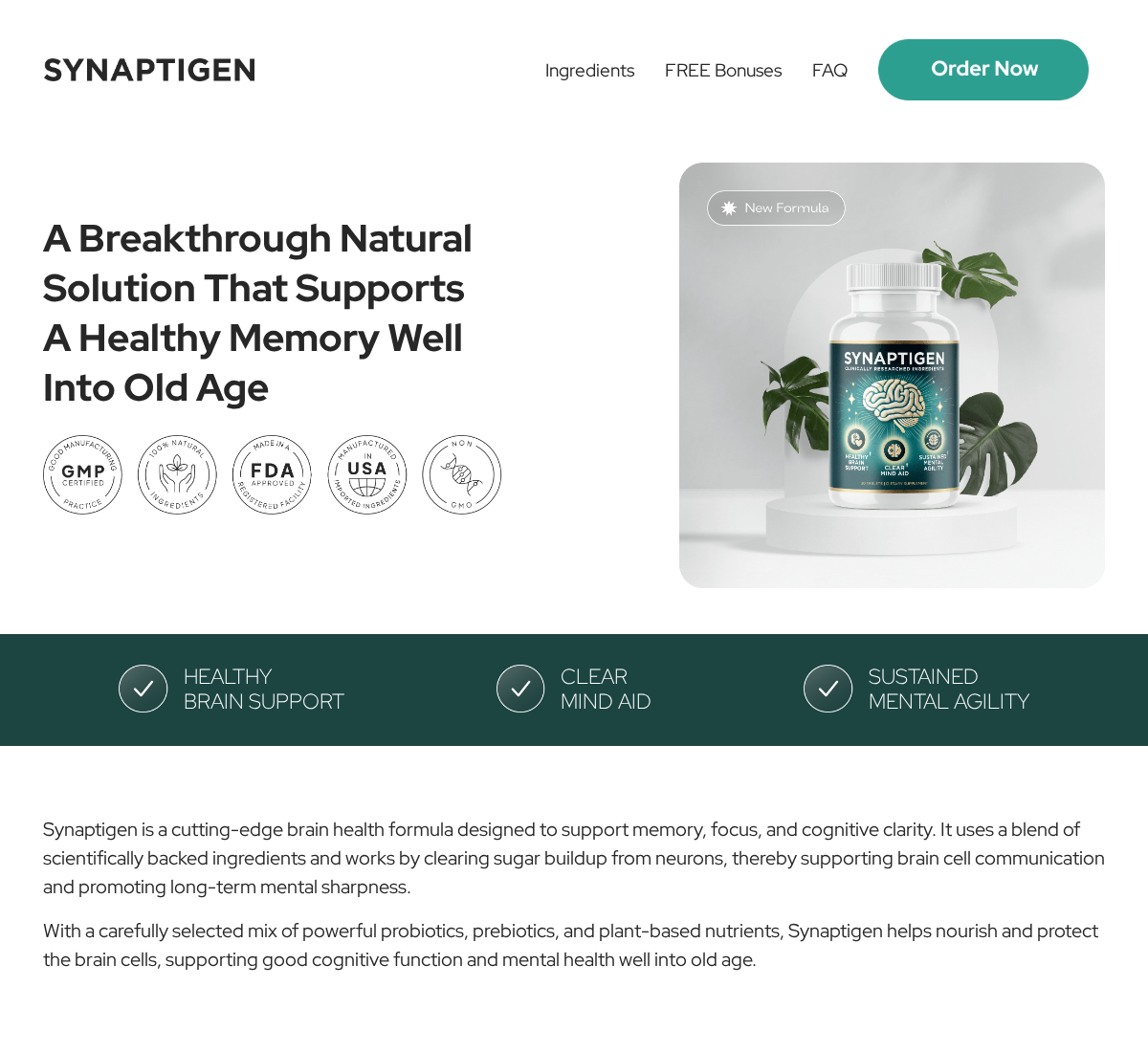
The current Synaptigen website still promotes removing sugar buildup from neurons. It lists probiotics, inulin, and other ingredients beside memory-support claims.
The scientist’s identity needs more than a matching name
The campaign describes Joshua Carr as an experienced neuroscientist with an extensive publication record. That particular identity has not been independently authenticated.
However, real academic publications do include authors named Joshua Carr. Saying nobody with that name exists would be wrong.
A PubMed record involving hippocampal research, for example, lists that name with a Canadian university affiliation. It does not authenticate this supplement presentation.
The missing connection is between a named, identifiable researcher and the exact commercial claims. Search results alone cannot supply it.
The buying decision should rest on what can be checked
Do not order because the presentation makes an unverified expert sound convincing. Its strongest promises need product-specific evidence, not scientific scenery.
- The egg toast story is a marketing hook, not an established treatment.
- A real paper with a similar-sounding title does not validate the advertised mechanism.
- The current page describes purchases as one-time, without automatic shipments.
- The published refund instructions require returning bottles and paying return postage.
This investigation concerns the Carr advertising story. It does not accuse unrelated researchers, universities, or every similarly named supplement of wrongdoing.
The Sugar-Crystal Explanation Does Not Match Its Scientific Shortcut
Simple pictures make complicated health problems feel manageable. If memory loss comes from crystals coating neurons, clearing those crystals sounds like a complete answer.
But that story needs evidence at several separate levels. Are the proposed deposits established? Does the product reach them? Do patients actually improve?
The recorded pitch points to a paper called Effects of Sugar Crystals on Cerebrum. The title sounds tailor-made for the explanation.
The original publication is a two-page short communication by Subham Kumari, associated with a dental institution.
It discusses glucose metabolism and possible harms of excessive sugar exposure. It is not a clinical trial of Synaptigen.
Nor does it demonstrate that an egg toast recipe removes crystal spikes from human neurons or restores years of lost memories.
Reading an impressive title is not the same as reading the study. The author, methods, participants, and actual findings determine what it can support.
A reference can be real while the conclusion drawn from it is exaggerated. That is the problem readers need to recognize here.
The Mayo Clinic name also appears in the recorded narrative. A mention is not documentation of a Mayo-developed product or an institutional endorsement.
Ask for the specific study, author list, treatment, and measured outcome. A vague reference to researchers leaves the crucial commercial claim unsupported.
How the Joshua Carr Egg Toast Sales Pitch Works
Step 1: A familiar lapse becomes an urgent problem
The presentation speaks to people who misplace things, lose words, or worry about a parent’s memory. Those experiences deserve attention, not embarrassment.
It then offers one dramatic explanation for many different experiences. The reader moves from recognizing a symptom to accepting the advertiser’s diagnosis.
That leap happens before a clinician has taken a history, reviewed medication, or assessed whether the change is persistent.
Keep those questions separate. Relating to the opening story does not mean the explanation that follows is correct.
Step 2: The egg toast hook keeps the answer just ahead
A recipe sounds accessible. You picture ingredients already in the kitchen, rather than committing to months of supplement purchases.
The recorded presentation repeatedly brings viewers back to the breakfast promise while delaying the practical details.
Short countdowns and fast-moving progress indicators can make a long sales video feel almost finished. They are interface choices, not evidence of medical urgency.
You do not owe a presentation more time because you have already watched most of it. Leaving is not abandoning a treatment.
Step 3: A scientist’s biography carries the proof burden
The spokesperson’s supposed laboratory experience, publications, and university work encourage viewers to trust the explanation before checking it.
Yet an impressive biography needs a verifiable affiliation and research trail. A product-linked profile page is not an independent academic record.
The recorded presentation also includes a woman introduced as Molly. A personal family story may build sympathy, but it cannot establish a treatment’s effectiveness.
No conclusion about either person’s acting role or AI origin is necessary to ask for evidence. Unauthenticated authority is already insufficient for this purchase.
Step 4: Familiar publication names soften the transition to selling
Scientific journals and health-media names can make the surrounding page feel reviewed. Readers may assume someone independent has checked the product.
A logo, a bibliography, and a product evaluation do different jobs. Only an actual, relevant evaluation could support the impression of independent approval.
The current website also displays a large customer-review count. Without an auditable review source, the number should not decide whether you buy.
Likewise, claims that pharmaceutical interests oppose a discovery do not establish that the discovery works. They redirect attention away from the missing test.
Step 5: Breakfast turns into bottles and a larger commitment
Synaptigen is presented as a daily chewable or dissolving tablet. The listed ingredients include several probiotic strains, inulin, strawberry, and peppermint components.
Those ingredients do not turn the Carr story into a validated medical recommendation. Evidence about one ingredient cannot automatically establish the finished formula’s results.
The website strongly favors six bottles. A recommendation to purchase a larger package is a sales preference, not an individualized treatment plan.
Check the total payable amount and selected quantity before entering payment details. A per-bottle figure can look much smaller than the complete order.
Step 6: The guarantee becomes the final reassurance
The main page promises 180 days and presents the purchase as one-time. That is materially different from proving an undisclosed recurring subscription.
The refund page, however, advises using the product for at least six months while also limiting eligibility to 180 days after delivery.
Those periods can collide. Following the suggested waiting period could leave very little time to arrange a return before the stated deadline.
Do not wait until the final days to discover the process. A guarantee needs a workable calendar, not just a reassuring badge.
Checking the Researcher Without Accusing a Namesake
A name match can create a false positive in either direction. Finding a genuine researcher does not prove he made the advertisement.
Equally, failing to locate the advertised biography does not justify declaring every person with that name fictional or dishonest.
The useful connection would be an institutional profile acknowledging the exact commercial work, or a clearly identified publication supporting the advertised treatment.
Check the affiliation and the subject of the research. A paper about exercise, epilepsy, or animal learning is not automatically a trial of memory tablets.
Author identifiers can help distinguish people sharing a name. They should lead to consistent affiliations and research histories, not merely another promotional biography.
If the advertisement claims 140 publications, a verifiable list would be a reasonable starting point. A number in a narration is not that list.
Even a complete publication record would not answer the product question on its own. Expertise does not make every commercial inference correct.
For a claimed memory benefit, look for an appropriate comparison, defined outcomes, sufficient follow-up, and the actual formulation used by participants.
Ask whether improvement was measured or simply reported by customers. Those are different kinds of information, with different limitations.
This approach is fairer to real scientists and more useful to buyers. It tests the claim rather than trying to assign guilt through search results.
Until that bridge is supplied, the Carr biography should not carry the decision. The seller has the responsibility to substantiate the promise.
The Actual Return Instructions Matter More Than the Narrator
The published policy asks buyers to contact support, return all bottles, include the packing slip, and cover return shipping costs.
It lists 285 Northeast Ave, Tallmadge, Ohio, as a return destination. That listing alone does not identify the manufacturer or establish company ownership.
Nor does it prove the address is fake. Treat it as a stated return address that should be confirmed for your particular order.
BuyGoods is identified as the retailer. Its role in processing an order does not amount to scientific approval of the advertised memory claims.
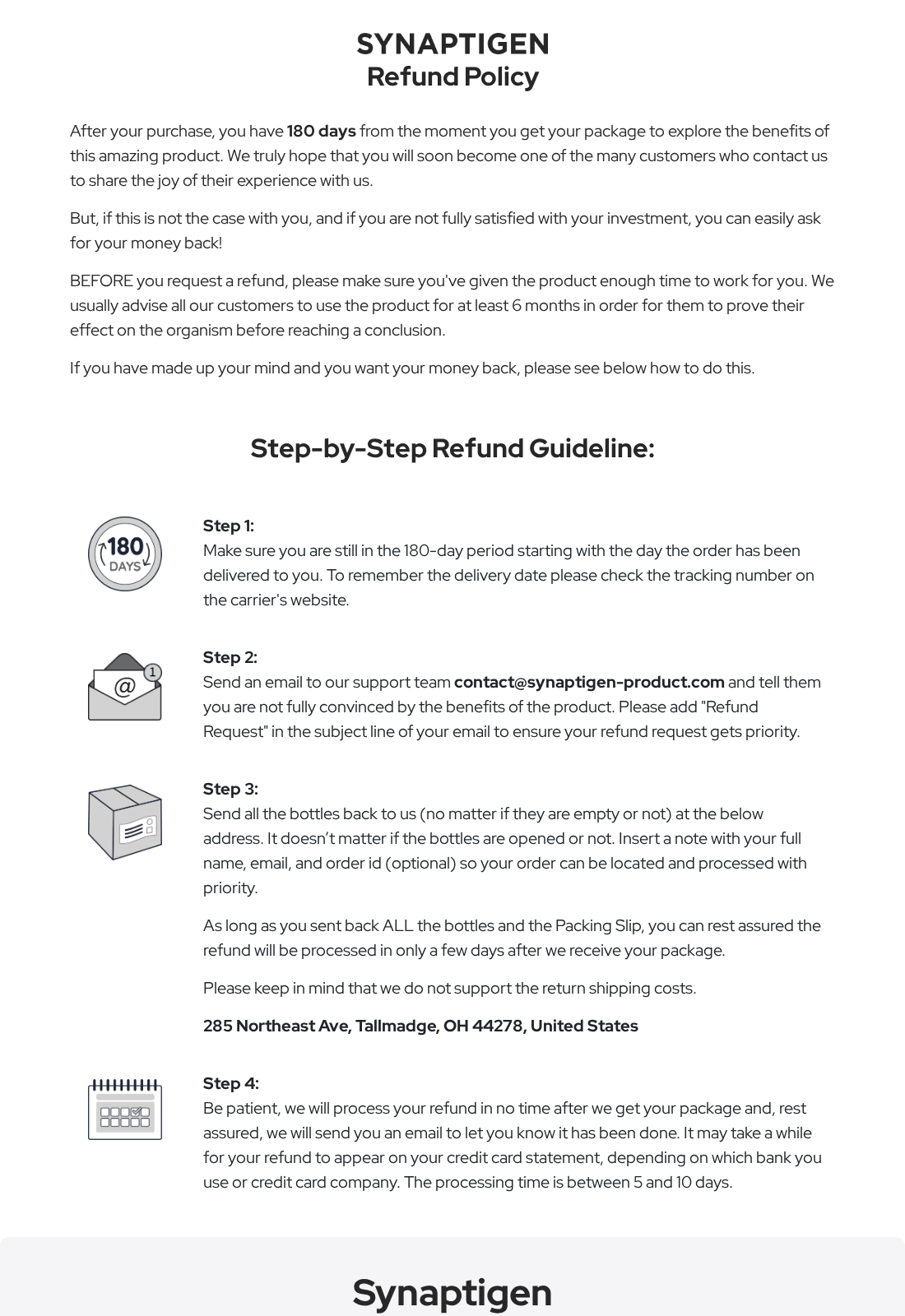
Save the version shown when you buy. If a policy later changes, the original screenshot helps explain what you relied on.
The current contact FAQ also refers to an FDA-approved facility. The FDA says it does not approve facilities.
A manufacturing registration or quality claim is not authorization to market a memory treatment. None of those labels repairs an unsupported clinical promise.
A Better Way to Handle the Memory Worry Behind the Ad
If you are worried about changes in memory, write down examples rather than accepting the advertiser’s explanation for them.
Note when the changes started, whether someone else noticed them, and whether they affect work, driving, medication, or everyday tasks.
Bring that information to an appropriate healthcare professional. It creates a more useful conversation than asking whether a breakfast secret sounds plausible.
Sleep problems, medication effects, and other health issues may need assessment. An online video cannot distinguish them by describing symptoms many people recognize.
You can still enjoy eggs and toast. What deserves rejection is the leap from ordinary food to a claim of reversing cognitive decline.
For bottle-specific concerns, our Synaptigen coverage addresses the product. This article keeps the spotlight on the authority story used to sell it.
What to Do If You Responded to the Joshua Carr Offer
-
Stop the purchase process if you have not paid. Close the presentation and avoid returning through a countdown or reminder email.
Save the advertisement if you want to report its claims. You do not need to finish watching or provide personal information.
-
Locate the order through your receipt. Identify the retailer, transaction reference, quantity, total charge, and any separate purchases.
Use the retailer’s genuine support route rather than a telephone number supplied by an unsolicited follow-up message.
-
Request cancellation or a refund in writing. State which order you mean and whether it has shipped. Keep the response and ticket number.
If returning bottles, ask for the applicable deadline and destination before posting them. Keep tracking and photographs of the package contents.
-
Check your statement against the receipt. The current offer says no autoship. Challenge any unrecognized renewal with that wording and your payment records.
Describe the actual problem accurately to your card issuer. A disputed advertising claim, extra order, and unauthorized transaction are different issues.
-
Protect the refund window. Do not let advice to use six months of tablets push you past a shorter payment-dispute deadline.
Ask the payment provider about its timing now. A seller’s guarantee does not automatically extend the provider’s process.
-
Get help for the original health concern. Show a clinician or pharmacist the full label before taking the tablets alongside medication.
Report misleading advertising with the page address and exact claims. Ignore anyone offering guaranteed recovery for another upfront payment.
Frequently Asked Questions
Is Joshua Carr a real neuroscientist?
Researchers with that name appear in genuine publications. The problem is the unverified link between those people and the specific presenter, biography, and Synaptigen claims.
Does the egg toast recipe remove crystals from the brain?
No clinical evidence presented here establishes that result. The cited sugar paper is not a trial demonstrating that breakfast or Synaptigen clears neuronal crystals.
Does a Mayo Clinic mention mean the supplement is approved?
No. A sales narrative referring to an institution does not establish collaboration, authorization, or a favorable evaluation of the finished product.
Does Synaptigen automatically enroll buyers in refills?
The current site explicitly describes a one-time purchase without autoship. An undisclosed subscription has not been established for that offer. Preserve your actual checkout terms.
What should I keep if I want a refund?
Retain the receipt, packing slip, bottles, policy screenshot, support correspondence, and delivery details. The published process asks for all bottles and buyer-paid return shipping.
Should I buy through the Joshua Carr presentation?
No. The unverified authority and unsupported breakfast-to-memory claims are not a sound reason to buy. Address persistent memory changes through appropriate healthcare instead.
The Bottom Line
Do not buy because of the Joshua Carr egg toast story. A convincing biography and scientific references do not validate the advertised memory breakthrough.
If you ordered, document the transaction and start any cancellation or refund request promptly. Keep the six-month usage advice from swallowing your refund window.
The useful next step is an accountable conversation about your symptoms, not another countdown promising the answer after one more video.

Join the discussion
0 commentsShare your experience or ask a question about this article.
Discussion
Start the conversation
Have a question or something useful to share? Add the first comment.