

The vanilla latte hack starts with an appealing image: an iced coffee and a small morning change with an unusually big payoff.
Then come the scientist, the secret location, and the story of a discovery somebody supposedly wants hidden. It is worth following those details carefully.
Overview
The vanilla latte hack is a sales story, not an established recipe treatment
The recorded vanilla latte hack promotion promises dramatic weight loss through a morning drink. It introduces Mike Harrison and a scientist called Dr. Andreas Ferrer.
Instead of a straightforward recipe with credible treatment evidence, the story leads toward Ignitra capsules. The appealing drink is the doorway into a supplement offer.
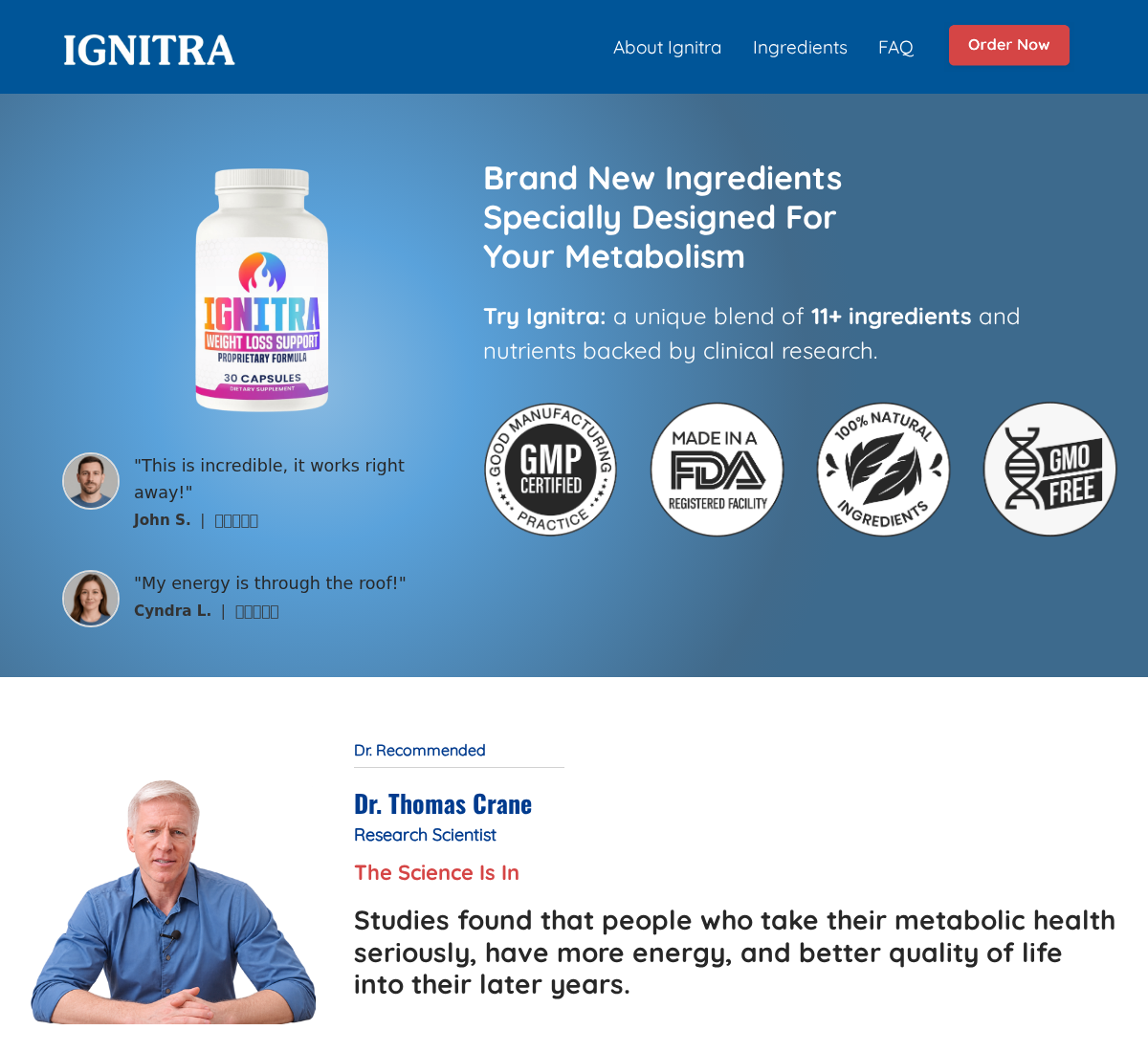
The current Ignitra homepage presents a metabolism formula. It does not independently substantiate Ferrer’s biography or the earlier story about a hidden latte discovery.
Its authentic screenshot above shows today’s product presentation, not the historical video or proof of an endorsement by the pictured person.
A borrowed headline exposes a concrete problem
The recorded narrative attributes a piece about a country supposedly not needing Ozempic to Ferrer and ScienceDaily.
But the identifiable article is a TIME essay by Johann Hari, published in 2024 and discussing Japan.
That is not confirmation of Ferrer’s supposed Spanish discovery. A recognizable headline has been used in a different commercial story.
The problem is more substantial than whether a presenter looks artificial. The supposed supporting journalism does not match its advertised author or outlet.
The sensible decision is to skip this offer
Do not buy through the vanilla latte presentation. Its borrowed authority and missing recipe evidence do not justify spending money on a weight-loss supplement.
- A morning-drink hook becomes a bottle purchase.
- The promoted researcher and biography remain unverified.
- The current six-bottle offer costs $294, not $49 for the entire package.
- Today’s FAQ says purchases are one-time, without autoship.
Those findings support a firm warning about the pitch. They do not prove an undisclosed refill plan, a particular manufacturing country, or criminality by unrelated businesses.
The Story Changes the Question You Think You Are Asking
You may arrive looking for ingredients: coffee, vanilla, perhaps something already in your cupboard. The presentation encourages that expectation.
It then spends time on people, institutions, and a dramatic explanation for stubborn weight. The practical instruction keeps moving further away.
By the time a product appears, the question has quietly changed from making a drink to choosing a package of capsules.
That change deserves your attention. A seller should plainly explain what is being offered before asking you to invest time or trust.
A capsule may contain real ingredients and still be sold using an unreliable story. Receiving a bottle would not authenticate the alleged discovery.
Nor would a genuine food-science paper prove that this exact formula produces the dramatic weight change described in the presentation.
The relevant test concerns the finished product, its dose, the people studied, the comparison group, and the outcomes. A collage of familiar university names cannot substitute.
How the Vanilla Latte Hack Sales Funnel Works
Step 1: The morning routine makes the promise feel achievable
The initial hook suggests that the missing answer is a tiny change to an enjoyable habit. You do not need another punishing routine.
That is an effective way to reach people tired of weight-loss advice. It offers relief before asking them to scrutinize the evidence.
The promotion attaches a striking weight-loss figure to the drink. But it does not turn that claim into a controlled clinical result.
Ask whether the promised outcome comes from documented participants using the actual product. A narrator’s confidence cannot answer that question.
Step 2: A Spanish success story supplies the contrast
The presentation describes a woman who supposedly became popular online, contrasting her freedom around food with another woman’s expensive weight-loss efforts.
Social-media counters and a familiar-looking profile can make such a story seem independently witnessed. They are still part of the advertisement.
To verify a testimonial, you need more than a face and a first name. The source, permission, and relevant experience must be identifiable.
There is no need to diagnose every image as AI-generated. The missing substantiation is enough to reject the testimonial as purchase evidence.
Step 3: Ferrer’s credentials make the mystery sound scientific
The story presents Dr. Andreas Ferrer as an important European researcher and introduces a supposed San Sebastian paradox.
An intriguing label can sound like a recognized medical finding. Here, the commercial narrative does not supply a verifiable research record establishing its claimed breakthrough.
The related narrator, Mike Harrison, is presented with extensive research experience. His specific advertised biography also needs independent confirmation.
Readers should not confuse a repeated name with a verified person. Several promotional pages repeating the same biography remain one unsupported claim.
Step 4: News and university references fill the evidence gap
The video invokes major universities, news outlets, and a supposedly suppressed discovery. These references lend the story borrowed prestige.
The TIME headline mismatch offers a useful reality check. The actual author and publication can be compared directly with the advertisement’s attribution.
That mismatch does not require guessing who made the video. It shows why the narrative should not be treated as reliable medical journalism.
Similarly, mentioning research at Harvard or Yale does not establish either institution’s involvement with Ignitra. Related science and product endorsement are different claims.
Step 5: The recipe becomes a proprietary supplement
Ignitra eventually occupies the space where the promised kitchen answer should have been. The customer is asked to buy a formulated product.
Today’s page names ingredients including riboflavin, mangosteen, prickly pear, konjac, turmeric, and berberine. An ingredient list is not a demonstration of the latte story.
The current page also presents a different named research spokesperson, Dr. Thomas Crane. That change does not establish continuity with Ferrer or validate either biography.
The durable warning concerns the sales method: an ordinary recipe promise recruits attention, while an unverified scientific narrative does the work of persuading buyers.
Step 6: Package pricing and guarantees make buying feel safer
The current six-bottle package displays $49 per bottle and $294 altogether. Three bottles are $207, while two cost $158 before any applicable shipping.
Those are selected package totals, not evidence that a one-bottle order is secretly changed after payment. Check the actual order summary.
A large discount claim can make the biggest package seem necessary. You can decline the offer rather than debate which quantity offers better value.
The website describes the payment as one-time and denies autoship. Do not label that a proven refill trap without a conflicting checkout or actual billing evidence.
What Today’s Pages Say About the Promise
The present homepage uses general metabolism language and a manufacturing-registration badge. The earlier recorded promotion made a stronger FDA-approval claim.
Keep those versions separate. A current registration badge should not be misquoted as today’s product-approval statement.
The FDA’s explanation of approval makes clear that supplements are not approved to treat disease.
A registration reference cannot establish that a product duplicates a prescription medicine’s effects. A clinician’s treatment decision involves much more than a badge.
The current guarantee advertises 180 days. Yet its wording unexpectedly refers to a transformation in brain health, despite the product’s metabolism positioning.
That is a concrete copy inconsistency. It is not laboratory evidence about what the capsules contain, but it weakens confidence in the purchase information.
The support and terms pages also carry a Revaslim copyright name. Buyers should establish which seller and policy actually cover their order.
A mismatched footer does not by itself prove common ownership or fraud. It does mean the site’s presentation needs answers before you pay.
Our separate Ignitra product investigation covers the bottle itself. The latte story deserves scrutiny even when a future advertisement changes its product.
The Guarantee Needs an Answer Before You Pay
The current homepage’s brain-health wording is particularly jarring because a buyer arrived looking for help with metabolism or weight.
A copied sentence does not tell us how support handles a refund. It does leave the buyer unsure which promise the seller intended.
Ask whether the 180 days start at purchase, shipment, or delivery. Those dates can differ, especially when a parcel takes time to arrive.
Also establish whether every bottle must be returned and whether an empty bottle counts. Do not discard packaging while the answer remains unclear.
The support page advertises an email response target and telephone support. Publishing contact details is not the same as demonstrating responsive service.
No calls or support messages were sent for this investigation. It would be wrong to claim those channels ignored customers based only on their existence.
Instead, keep your own written request and response times. If a guarantee becomes difficult to use, that record explains the particular problem.
A purchase decision should not require sorting contradictory copy after delivery. The unresolved wording is another reason to pass on this presentation.
Why a Kitchen Drink Is Not a Prescription Substitute
The word natural can make a product sound gentler and more familiar. It does not measure effectiveness, dosage, or interaction risk.
Prescription weight-management medications are evaluated for particular uses, doses, and patient groups. Their benefits and risks cannot be borrowed by a coffee story.
The NIDDK’s medication guidance describes treatment as a discussion with a healthcare professional, alongside relevant lifestyle measures.
That is a very different process from accepting a video host’s claim that a simple drink replaces medical treatment.
If you already take medication, bring the proposed supplement label to your pharmacist. Ingredients may matter even when the advertising explanation is unreliable.
Do not stop prescribed care because a story claims pharmaceutical companies fear its discovery. That claim can discourage exactly the independent advice you need.
The Checkout Record Is More Useful Than a Sales Badge
For an existing buyer, the receipt answers questions the presentation avoids: who took the payment, how much, and for which quantity.
Today’s site identifies ClickBank as the retailer. Its support role should be checked against your own transaction, not assumed for every page using the product name.
Order support and product support are separate routes. The retailer can help locate a charge; the product seller may handle ingredient or delivery questions.
Record both the amount and the statement descriptor. A familiar payment platform does not endorse the claims made by a seller using it.
Keep the checkout screenshot before confirming payment. It is far easier to resolve an order disagreement when the selected package and terms are visible.
No purchase was made to test this funnel. Delivery quality, actual refund handling, and undisclosed billing outcomes therefore remain untested.
What to Do If You Ordered Through the Vanilla Latte Pitch
-
Find every receipt from the purchase session. Check for a main order, optional additions, and separate confirmation emails.
Compare the quantities and totals with your card activity. Do not assume an unfamiliar second charge is automatically the same transaction.
-
Send a clear cancellation request. Name the product and order number, and explain whether you want an unshipped order stopped or delivered goods refunded.
Retain a copy outside the seller’s chat window. An email trail is more useful than remembering a reassuring promise.
-
Confirm the guarantee that covers your order. Ask when its clock starts, what must be returned, and who pays postage.
Do not mail capsules to a guessed address or an unrelated business with a similar name. Obtain order-specific instructions first.
-
Use the retailer on the receipt if necessary. If ClickBank processed your purchase, locate its genuine order-support service independently.
Explain unresolved billing or refund issues with the receipt and correspondence. Never provide a stranger with your banking password to obtain a refund.
-
Watch for charges you did not agree to. The current FAQ says there is no subscription. Save that statement with the actual checkout terms.
If an unwanted renewal appears, ask the issuer about stopping further recurring charges and disputing the particular transaction. Replacing plastic alone may not suffice.
-
Separate your health plan from the refund dispute. Discuss the ingredients with a qualified professional before using them or changing medication.
Report a misleading advertisement with its URL and specific claims. Avoid paid recovery services promising certainty that the original seller never provided.
Frequently Asked Questions
Is there a verified vanilla latte recipe for the advertised results?
The recorded sales story does not establish one. Its commercial destination is a supplement, not a clinically validated recipe producing the promised weight change.
Who is Dr. Andreas Ferrer in the presentation?
He is the researcher named in the advertisement. The described biography and connection to the supposed discovery remain unverified, not authenticated by repeated promotional mentions.
Did ScienceDaily publish Ferrer’s article about not needing Ozempic?
The identifiable matching headline belongs to a TIME essay by Johann Hari about Japan. It does not substantiate the advertisement’s different attribution.
Does the current Ignitra offer include automatic refills?
Its FAQ says no autoship and one-time payment. That should be checked against your own checkout and receipt, not replaced with assumptions about other supplement campaigns.
Why does the screenshot show a different spokesperson?
It captures the current homepage, which names Dr. Thomas Crane. The older latte narrative invokes Ferrer and Harrison. The image does not authenticate those people.
What is the best next step if I paid?
Locate the transaction, request cancellation or a refund in writing, and check your payment provider’s deadline. Keep all package and guarantee information.
The Bottom Line
Do not order through the vanilla latte hack pitch. Its recipe promise and borrowed scientific authority do not make a persuasive case for the capsules.
If you bought, act on the receipt rather than the storyline. Start the refund process, check the full charge, and get independent advice about weight management.

Join the discussion
0 commentsShare your experience or ask a question about this article.
Discussion
Start the conversation
Have a question or something useful to share? Add the first comment.