

A Costco-branded ad promises full-coverage car insurance for $24.99 a month. For drivers facing another expensive renewal, that price is difficult to scroll past.
Before entering your ZIP code, look at where the advertisement takes you. The destination can tell you more than the familiar logo at the top.
Overview
The low-price ad is not a personalized insurance quote
The Costco $24.99 car insurance ad pairs a recognizable retailer’s identity with unusually low monthly prices. It makes obtaining cheaper coverage sound almost immediate.
The documented promotion includes a full-coverage price card and an initial route identified as carinsurancedealz.info. The described journey continues to quotesforallonline.com.
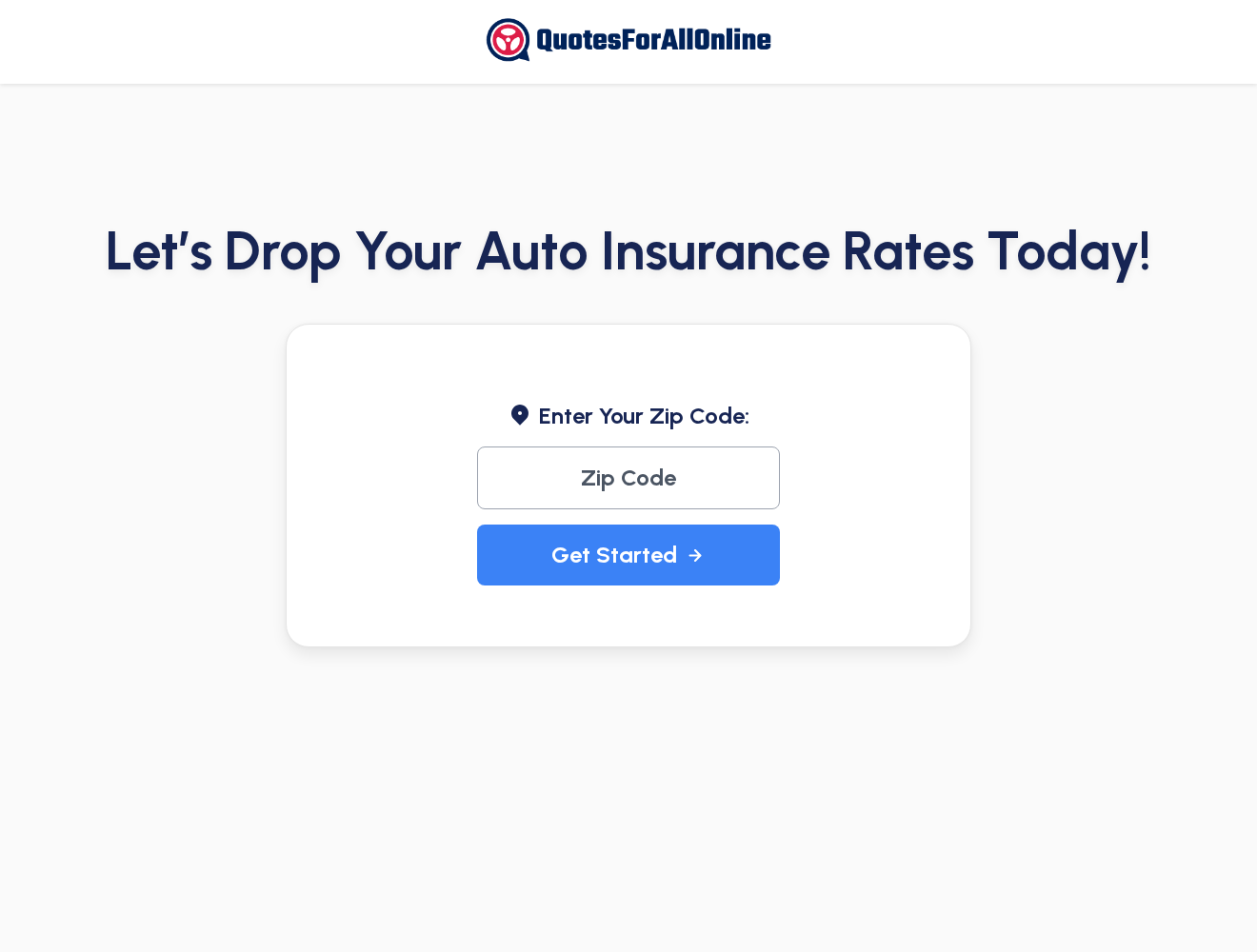
The current destination begins with a ZIP-code form. Its disclosures say it is a referral website, not an insurance company, broker, or agent.
That difference is central. An invitation to submit information is not a binding offer to insure your vehicle for the price shown in an ad.
Costco really does have an insurance program
Do not confuse this warning with a claim that Costco has no insurance offering. Its real Auto & Home Insurance page describes member benefits.
The current official page identifies American Family Insurance and describes personalized coverage. It does not turn a third-party $24.99 advertisement into an approved quote for every driver.
Start on Costco’s own site if you want its program. Follow the official route rather than assuming an ad’s copied branding establishes the same connection.
The immediate risk is handing over a valuable sales lead
- You may be submitting contact information rather than buying a policy.
- Referral compensation can influence which offers are presented.
- Marketing permission can lead to calls, texts, and emails.
- A displayed price does not establish your eligibility or final premium.
The referral model itself is not proof of criminal fraud. The concern is a branded bargain pitch that can leave readers expecting something the destination does not promise.
What the Destination’s Own Disclosures Reveal
The landing page promotes easier insurance comparison, but the important qualifications sit in its disclosures. Those qualifications substantially narrow the impression created by a fixed-price advertisement.
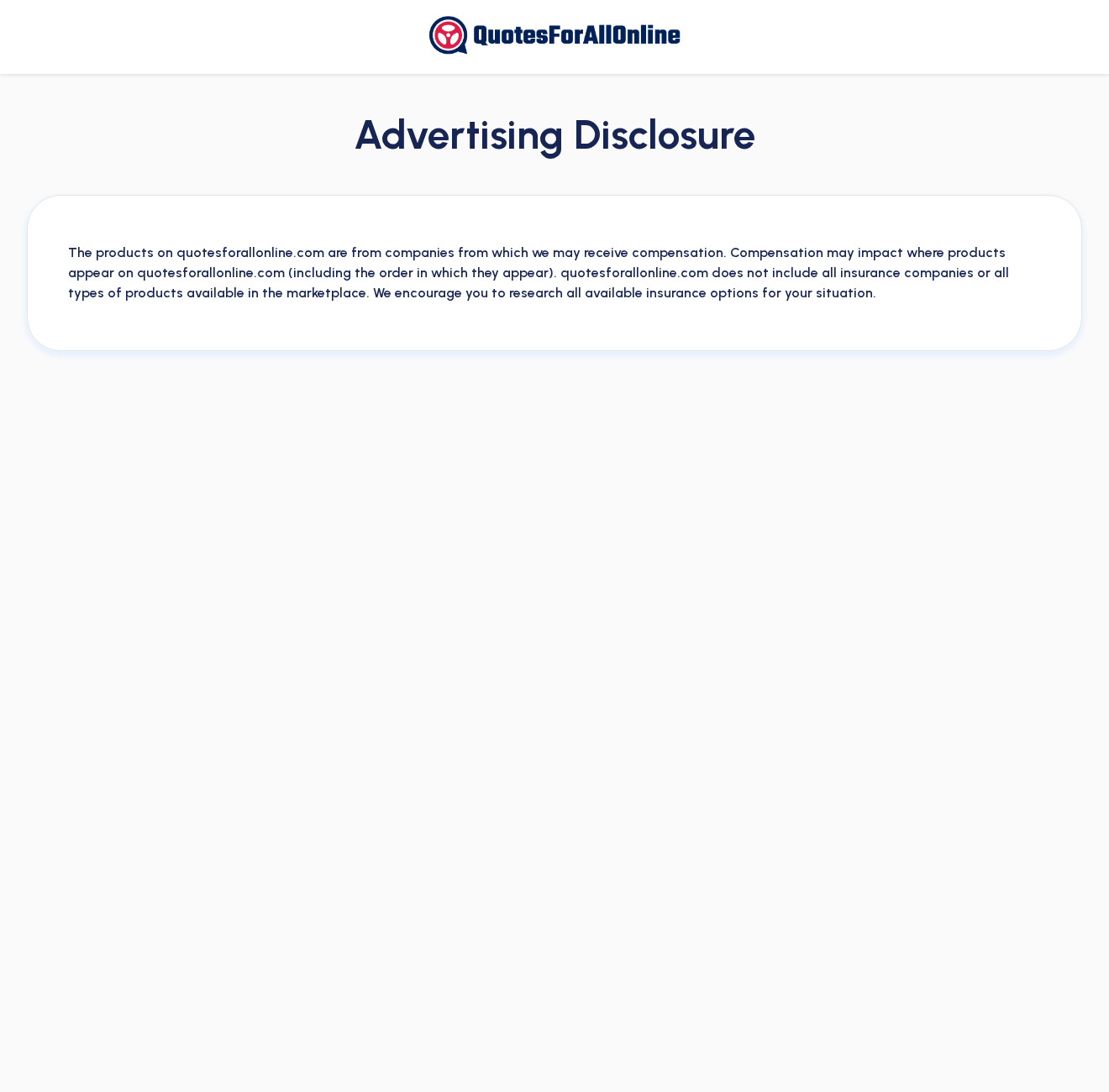
Its advertising disclosure says compensation may affect the offers shown. The site also says it does not include every available insurer or product.
In practical terms, a result should not be treated as a complete market comparison. Another insurer outside that referral list may offer different coverage or pricing.
The service also makes clear that submitting information does not guarantee insurance approval. The insurer ultimately determines the premium after considering the application.
These are material facts, not minor technicalities. A driver comparing a real renewal bill needs an actual policy proposal, not simply a pathway to future sales contact.
How the Costco-Branded Insurance Ad Funnel Works
Step 1: A familiar logo makes a striking price look credible
The campaign starts with an image advertisement, not necessarily an AI video. Costco-style branding gives the low-rate message an appearance of established buying power.
A driver may reasonably associate Costco with member savings. The ad benefits from that association before explaining which business actually collects the inquiry.
Look beyond the picture to the advertiser identity and outbound address. A trustworthy-looking logo cannot establish that the retailer authorized the particular promotion.
Keep a copy of the complete ad, including any sponsorship label. A cropped price card may omit the information needed to trace the offer later.
Step 2: A small ZIP-code request lowers the barrier to entry
The destination asks for a ZIP code before introducing the rest of the quote journey. That feels like a quick availability check rather than a significant commitment.
A location question can be legitimate in insurance. It still does not confirm that a headline price applies to you or that you are using Costco’s program.
Check the address and footer before continuing. Ask whether you are on an insurer’s site, an agency’s site, or a referral service.
If the answer changes after the click, reassess the offer. You are allowed to stop even after completing the first harmless-looking question.
Step 3: A quote-style questionnaire builds a detailed profile
The advertised route moves toward questions about the driver and vehicle. Insurance inquiries can include contact information, driving history, existing coverage, and other personal details.
Those answers are valuable because they identify a person actively shopping for insurance. The result can be a marketable lead rather than an immediately available policy.
Before submitting a phone number, read the permission language attached to the final button. Do not assume it only authorizes one email with a price.
Supply sensitive documents only after verifying the actual licensed party and the need for that information. A recognizable ad is not enough.
Step 4: Marketing consent can widen the circle of contact
The destination’s privacy policy describes marketing calls and messages by the site, service providers, agents, and partners. It includes automated and prerecorded contact.
The policy also discusses sharing information with several categories of recipients, including advertising networks and data resellers. That is broader than a private exchange with one insurer.
A phone number on a Do Not Call list is not a reason to ignore consent wording. The policy expressly addresses contact even in that situation.
Read what you are agreeing to before pressing the submission button. If the arrangement is not acceptable, leave instead of hoping the contact will remain limited.
Step 5: A referral or callback replaces the simple price promise
A later call may involve a legitimate insurance business. That still does not prove the initial ad accurately described the route or the available price.
You may need to answer more questions before receiving a usable quote. The final premium, coverage limits, deductibles, and eligibility can differ from the headline.
Do not cancel an existing policy because a comparison page displays an encouraging result. A submitted inquiry does not put replacement coverage in force.
Only an actual insurer or authorized intermediary can explain the policy offered to you. Verify that party independently before making coverage or payment decisions.
Operator, Contact, and Insurance Accountability Checks
The referral website is not the insurer
The site identifies itself as Quotes For All Online. Its terms describe connecting consumers with service providers rather than underwriting insurance or acting as your adviser.
Keep that role separate from the ad sponsor and any insurer contacting you later. A referral chain can involve several businesses with different responsibilities.
The available pages do not establish that Costco controls this advertising route. Do not infer ownership or authorization simply because Costco appears in the promotional image.
A web address does not identify the person handling your application
Record each domain in the journey, but also obtain the legal name and licensing details of the business that proposes a policy.
A state insurance department can help verify an insurer or producer. Match the business identity and contact information, not merely a familiar-sounding trading name.
Do not send paperwork to an address copied from an unrelated review or unsolicited message. Confirm the destination through the verified business.
Contact requests and privacy requests are different jobs
The current contact page offers a form for questions. Its existence is not evidence that support responds quickly or that a deletion request has been completed.
Use the published privacy controls to request applicable data choices or revoke unwanted marketing permission. Keep a dated copy of what you requested.
A request to the lead site may not reach every recipient already holding your information. Direct unwanted callers to stop contacting you as well.
Policy responsibility belongs to the actual insurance provider
Ask who would issue the policy, collect premiums, manage changes, and handle claims. These answers should be available before you authorize a purchase.
Check that the documents identify your vehicle, drivers, effective date, coverage limits, and deductibles. A generic approval screen is not a substitute.
If a salesperson cannot supply clear written terms, do not proceed. Cheap-looking marketing is no compensation for uncertain coverage when you need to make a claim.
Why “Full Coverage” Does Not Settle the Comparison
Drivers often use full coverage to mean a package including liability, collision, and comprehensive insurance. The phrase alone does not specify every limit or exclusion.
A meaningful comparison needs matching deductibles and limits. A lower monthly figure can reflect different protection rather than a better price for the same protection.
Check whether the quoted amount includes all relevant drivers, required fees, and the chosen payment schedule. Compare the policy term’s total cost as well.
Discount conditions matter too. A price that depends on eligibility, a particular vehicle, or additional requirements cannot be assumed to apply universally.
You do not need to determine whether an advertised number is impossible for every driver. You need to know whether an identified insurer offers it to you.
That is why the correct response is to obtain verifiable written quotes. Do not replace a real policy with an advertisement’s promise.
Take your existing declarations page when comparing offers. It provides a practical starting point for checking whether a cheaper proposal changes important protection.
Ask about the deductible you would pay after a covered loss, not just the premium paid each month. A lower bill can accompany a larger out-of-pocket exposure.
Separate discounts that apply now from conditions you would need to satisfy later. Do not mentally subtract savings that the written quote has not actually granted.
Likewise, check when an introductory price changes and whether the quoted total covers the full term. A monthly payment is only one part of the comparison.
If the agent discusses a membership benefit, verify it through the official membership program. A reference to Costco during a phone call is not enough.
Keep a copy of the proposal before agreeing. This makes it easier to resolve differences between the conversation and the policy documents eventually issued.
For a driver under financial pressure, the promise of instant savings can feel like relief. Give the actual coverage decision more time than the advertisement allows.
You can decline the referral and still shop for insurance elsewhere. Submitting an inquiry does not oblige you to accept the next salesperson’s offer.
What to Do If You Submitted Your Information
-
Keep your current insurance active. Do not cancel or stop payment until you have verified replacement coverage and its effective date.
If you already requested cancellation, contact your current insurer promptly to discuss the situation. Do not assume a new comparison inquiry covers any gap.
-
Save the offer and your submission records. Preserve the original ad, destination addresses, permission wording, confirmation messages, and any quoted rate.
These details help distinguish a misleading advertisement from a separate sales conversation. They also show what you expected when you entered your information.
-
Revoke unwanted contact permission. Use the referral site’s published contact and privacy channels, and make applicable deletion or sharing requests.
Ask callers to identify their legal business and honor your contact preference. Record persistent unwanted calls instead of repeatedly supplying more personal details.
-
Verify any policy proposal independently. Reach the insurer or licensed agency using a contact obtained outside the incoming message.
Request written coverage, premium, payment, and cancellation terms. If you paid, ask for the actual policy documents and confirm whether coverage was issued.
-
Address money or identity exposure according to what happened. Report unauthorized payments to your financial provider and keep evidence of any promised refund.
If you supplied sensitive identifiers to an unverified recipient, consult IdentityTheft.gov. A ZIP-code inquiry alone does not automatically mean identity theft.
-
Report the ad’s misleading branding or price presentation. Include the complete creative and click destination when reporting it to the advertising platform.
For insurance-specific concerns, contact your state insurance department. Explain the ad, referral site, and actual seller separately so the complaint identifies the right conduct.
There is no need to buy security software merely because a lead form produced sales calls. Handle the permission and insurance issues directly.
Frequently Asked Questions
Is the $24.99 Costco car insurance ad a guaranteed quote?
No. A price in an advertisement is not a personalized, binding policy offer. The referral destination expressly says approval and advertised rates are not guaranteed.
Does Costco offer real auto insurance benefits?
Yes. Costco has an official Auto & Home Insurance page. Use that route to check its current program instead of relying on a third-party branded ad.
Is QuotesForAllOnline an insurance company?
Its own disclosures say it is not an insurer, broker, or agent. It connects inquiries with other businesses and receives compensation for referrals.
Why might several companies contact me after I apply?
The site describes partner marketing and information sharing. Read the submission consent and privacy policy to understand which communications you may have authorized.
Does an insurance lead website automatically count as a scam?
No. Lead generation can be legitimate. This warning concerns the gap between a Costco-branded low-price pitch and the referral process behind the click.
Should I cancel my current policy after seeing an approval screen?
Not without confirming actual replacement coverage. Verify the issuing insurer, written policy, and effective date before making changes to existing insurance.
The Bottom Line
Do not treat the Costco $24.99 car insurance ad as a policy offer. Use Costco’s official program or independently verified insurers to obtain comparable written quotes.
If you submitted details, manage unwanted contact and verify any resulting proposal. Keep existing coverage until a genuine replacement policy is confirmed.

Join the discussion
0 commentsShare your experience or ask a question about this article.
Discussion
Start the conversation
Have a question or something useful to share? Add the first comment.