


A copper bracelet is an easy purchase to understand. A bracelet sold as an answer to persistent joint pain deserves a much closer look.
Willis Judd combines attractive jewelry with a persuasive health story. Before choosing a style or bundle, it helps to follow that story beyond the advertisement.
Overview
What Willis Judd Is Selling
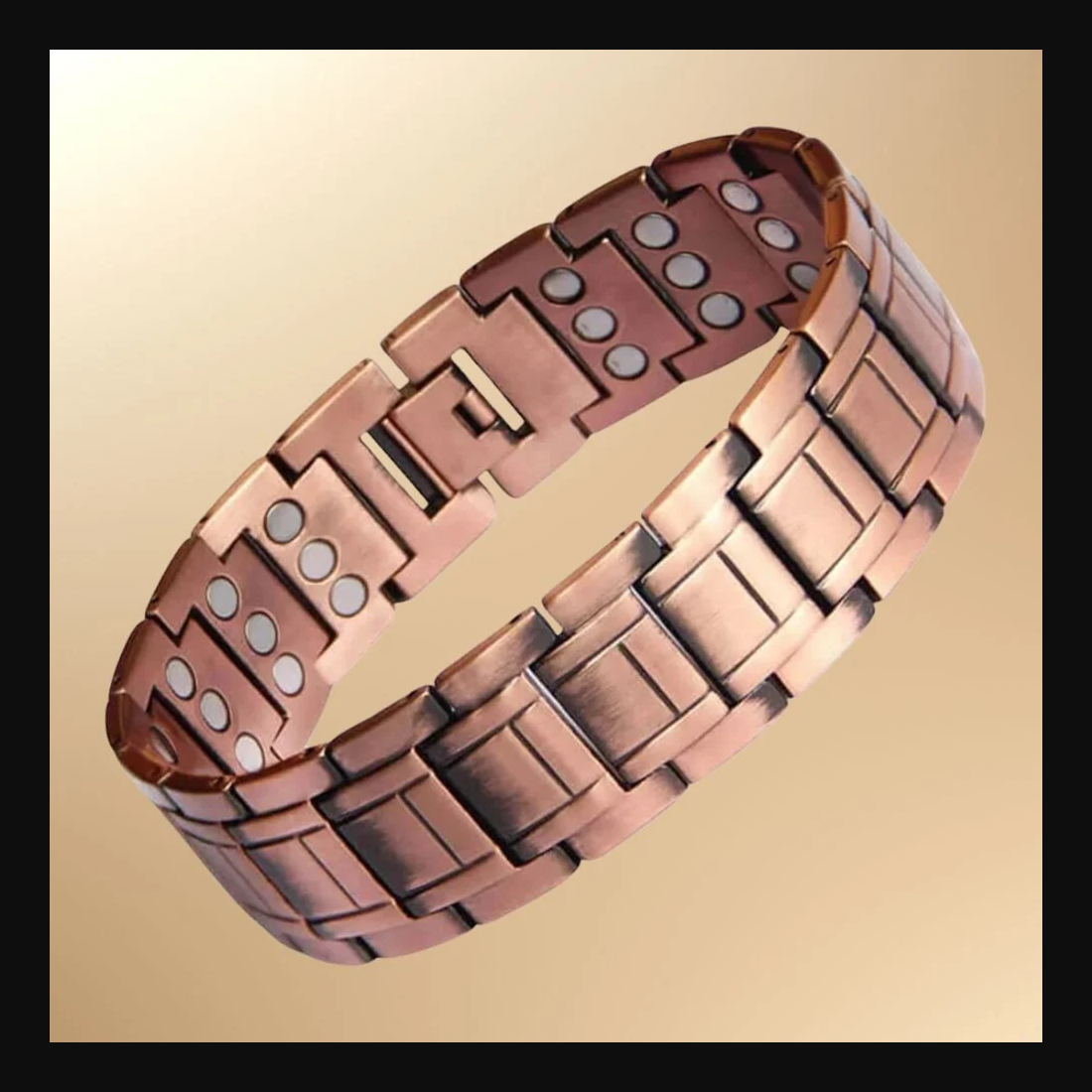
Willis Judd sells copper and magnetic jewelry, including a wide men’s bracelet with three magnets per link. This is a physical jewelry offer, not an app.
The purchasing decision becomes more complicated when the promotion connects wearing that jewelry with better circulation, copper absorption, and relief from painful hands.
Someone shopping for an accessory can judge its appearance and fit. Someone shopping for arthritis relief needs evidence that goes considerably further than attractive photographs.
Why the Health Pitch Matters
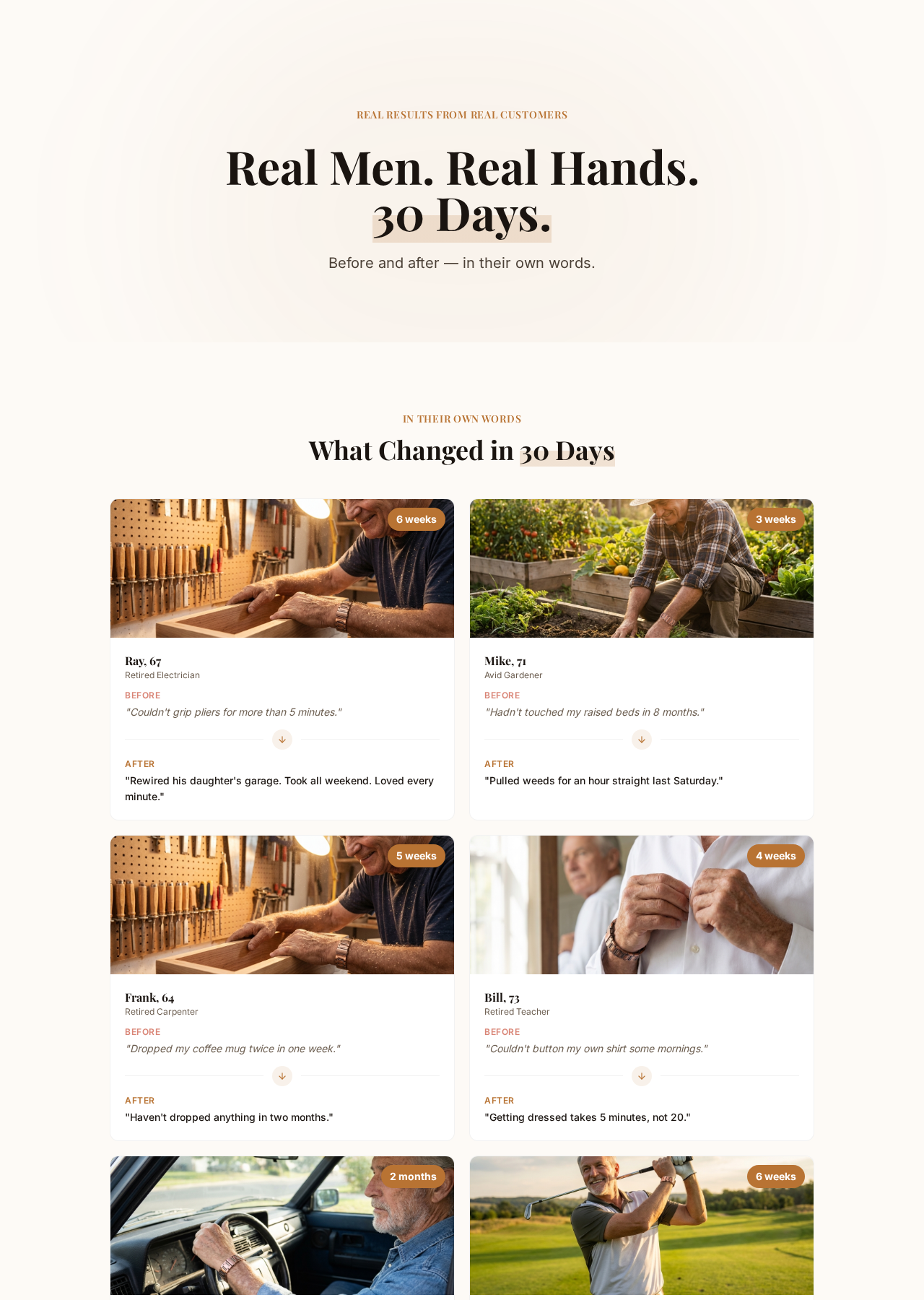
The results.willis-judd.com advertisement presents copper and magnets as complementary ways to help uncomfortable joints. It builds its case around everyday activities that pain makes difficult.
That framing matters. Struggling to open a jar or sleep comfortably can make a simple, drug-free purchase feel more appealing than another medical appointment.
However, describing a possible biological mechanism does not establish that a bracelet delivers a meaningful treatment benefit. Those are different claims requiring different evidence.
The Questions Behind This Purchase
Before paying, separate the jewelry, the medical promises, and the refund arrangement. A favorable answer about one does not settle the others.
- Does evidence support wearing copper or static magnets for the particular pain being discussed?
- Which return promise applies to the exact page and package selected?
- What happens if two bracelets are worn but the trial covers only one?
- How much would a return actually recover after any applicable fee?
The Copper and Magnet Claims Need More Than Testimonials
Copper Absorption Is Not a Demonstrated Treatment
The advertisement describes copper passing through the skin and helping joint comfort. It also associates the bracelet’s magnets with improved circulation around joint tissue.
These explanations sound specific, which makes them persuasive. But naming a mineral or magnetic field does not demonstrate an effective dose, useful absorption, or improved arthritis outcomes.
A practical test would compare otherwise similar groups, measure relevant symptoms, and account for other treatment. A collection of favorable customer stories cannot do that.
In particular, a bracelet leaving a mark on the skin would not tell you whether enough copper reached any target tissue to produce a therapeutic effect.
Nor would wearing two bracelets establish that a person receives twice the benefit. That conclusion requires evidence about outcomes, not simply twice as much jewelry.
What a Controlled Arthritis Trial Found
A randomized, placebo-controlled rheumatoid arthritis trial compared copper bracelets and magnetic wrist straps with control devices.
Participants used different devices in a crossover design. Researchers assessed pain and other measures rather than relying only on a purchaser’s general impression.
The study did not find a meaningful therapeutic advantage for copper bracelets or magnetic straps beyond placebo. It was not a trial of this specific Willis Judd model.
That distinction does not rescue an unsupported sales promise. It means the relevant category evidence does not provide a reliable reason to buy this bracelet for arthritis.
A seller proposing that its particular combination performs differently would need convincing product-specific research. Three magnets in each link are a specification, not that research.
Static Magnets Are Not the Same as Medical Electromagnetic Therapy
The National Center for Complementary and Integrative Health says research has not conclusively established static magnets as effective for pain.
Static magnets have a magnetic field that stays on. They are the category relevant to magnetic jewelry, rather than powered equipment producing changing electromagnetic fields.
Some medical electromagnetic treatments have specific clinical uses. Their existence does not validate every magnetic bracelet, necklace, or wristband advertised online.
It is therefore misleading reasoning to point to approved magnetic medical technology and treat that as proof for an unpowered piece of jewelry.
For the buyer, the useful question is narrow: what reliable evidence shows that this particular purchase will improve the condition prompting the order?
How the Willis Judd Offer Works
Step 1: A Pain-Relief Story Creates the Need
The promotion starts with the experience of uncomfortable hands rather than the bracelet’s appearance. The accessory becomes a potential solution to a frustrating daily problem.
This is why the evidence standard matters before comparing prices. The commercial hook is not simply a copper-colored bracelet that might complement an outfit.
A reader can like the story and still ask for clinical support. Empathy with the problem does not establish that the proposed purchase solves it.
Step 2: Materials and Magnets Become Reasons to Believe
Copper purity, multiple magnets, and repeated wear make the proposed solution feel tangible. These details encourage the reader to imagine a continuous effect throughout the day.
However, better construction and medical effectiveness are separate questions. A well-made clasp or sturdy link can improve jewelry quality without treating inflammation.
Do not let the number of magnets replace the question about evidence. More components can increase a product’s perceived value without proving better health results.
Step 3: The Product Page Encourages a Larger Order
The USD product page displayed one bracelet at $69.99 and two at $104. A two-bracelet option was positioned around wearing one on each wrist.
The same page described 21 mm links, three magnets per link, a sizing tool, and a velvet presentation box. Those are merchant-listed product details.
A bundle discount can be genuine while the reason offered for buying more remains unsupported. Do not double your order because you expect doubled pain relief.
Before confirming, check the selected quantity and total rather than the largest crossed-out comparison price. The amount charged is the figure that matters.
Step 4: The Return Pages Define a More Limited Trial
The advertisement offers a straightforward 30-day refund message. The product and refund pages describe a 60-day window, while a separate FAQ adds important conditions.
That FAQ asks for at least 30 days of daily wear, covers one worn bracelet per order, and states a $19.99 restocking fee for trial returns.
It also rejects ordinary change-of-mind refunds, offers exchange or credit for unworn items, and contains an unresolved placeholder about additional unworn bracelets.
These are material differences, not minor stylistic variations. A buyer trying two bracelets needs to know what happens to both, not just the first.
Ask for the applicable conditions in writing before ordering. Do not assume the friendliest sentence on one page overrides restrictions elsewhere.
For a $69.99 bracelet, a $19.99 deduction would leave $50 before any other applicable costs. Clarify that calculation before agreeing to a return.
Seller Identity and Return Conditions
The Published Business Name
The contact-information policy identifies NEX AND NOVA LIMITED and gives an address at Unit 2A, 17/F, Glenealy Tower, No. 1 Glenealy, Central, Hong Kong.
That is the operator information published by the website. It is not evidence that the address is a factory, a return warehouse, or fictitious.
Keep the legal name shown when you buy. It can help connect an order confirmation and payment record if the brand name differs from the billing descriptor.
Support Details Are Not a Response Test
The refund page lists customerservice@willisjudd.com. The contact-information policy uses customerservice@willisjudd.com.au, despite being hosted on the same hyphenated storefront.
These published addresses give buyers contact routes, but their presence does not prove how quickly an individual request will be handled. We did not test support responsiveness.
For an actual order, use the address on your receipt and save the message history. A dated written request is more useful than an undocumented conversation.
The Trial Has a Bundle Problem
The single-worn-bracelet limit deserves attention because the sales page encourages a pair. Trying both could leave a customer outside the stated trial for the second item.
There is also a placeholder reading [REFUND / STORE CREDIT] for extra unworn bracelets. A purchaser should not have to guess which remedy the seller intends.
Ask whether the full package is returnable, which deductions apply, and whether the clock starts at delivery. Save the answer with the selected offer.
A Guarantee Does Not Establish Medical Value
A return promise is a financial arrangement. Even a perfectly honored guarantee would not demonstrate that copper or magnets relieve arthritis.
The reverse is also important: disappointing results do not automatically mean no item will arrive. The supported concern here is the health pitch and inconsistent trial presentation.
Buy jewelry only if its ordinary appearance, materials, fit, and clear return terms justify the price. Do not pay a treatment premium for unestablished benefits.
Safety Questions to Settle Before Wearing Magnetic Jewelry
Magnetic accessories are not appropriate for everyone. NCCIH notes possible interference with medical devices, including pacemakers and insulin pumps.
The Willis Judd product page also warns about implanted devices and pregnancy. Those warnings should be taken seriously, not dismissed because the item looks like ordinary jewelry.
If you use an implanted or wearable medical device, ask the clinician or device manufacturer before wearing magnets nearby. Do not experiment to see whether symptoms appear.
Remove magnetic jewelry before an MRI and follow the imaging team’s instructions. Keep loose magnets away from children, who can suffer serious injury if they swallow them.
Persistent swelling, worsening pain, or new difficulty using a joint deserves medical assessment. A bracelet trial should not become a reason to delay that assessment.
There is no need to abandon a prescribed treatment because an advertisement promises a natural alternative. Discuss any proposed change with the professional managing your condition.
What to Do If You Already Bought a Willis Judd Bracelet
-
Identify the exact purchase. Find the receipt, storefront address, order number, quantity, currency, and delivery date. Different regional pages may publish different terms.
-
Preserve the offer that persuaded you. Save the advertisement, product description, trial statement, and applicable return policy. Include the full page address in your records.
-
Ask a precise refund question. State whether one or two bracelets were worn. Request the refund amount, deductions, deadline, and authorized return address in writing.
-
Handle a safety concern promptly. Stop wearing the bracelet if it causes irritation. Seek appropriate medical advice rather than continuing solely to complete a trial.
-
Keep return evidence. If you agree to a return, photograph the contents and retain tracking. Do not send it to an address taken from unrelated regional pages.
-
Escalate an unresolved transaction honestly. Ask your payment provider about applicable dispute options. Explain the actual problem, such as an unhonored promise or incorrect charge.
A refund request and a payment dispute are not the same process. The provider determines eligibility, evidence requirements, and deadlines; neither route guarantees recovery.
For U.S. credit-card purchases, the CFPB distinguishes billing errors from product-quality disputes. Ask your issuer about the appropriate procedure and deadline promptly.
There is no reason to install security software merely because you ordered jewelry. The documented issue is a purchasing and health-claims question, not a demonstrated device infection.
Frequently Asked Questions
Is Willis Judd a Scam or a Real Jewelry Seller?
There is an actual jewelry storefront and identifiable product offer. That does not establish the advertised health effects or resolve the conflicting return descriptions.
Our recommendation is not to buy the bracelet as a pain treatment. Its merits as an accessory are a separate purchasing decision.
Does a Copper Magnetic Bracelet Help Arthritis?
Controlled research on copper bracelets and magnetic straps has not established a meaningful arthritis treatment benefit. Favorable testimonials are not a substitute for that evidence.
If arthritis is the reason you are considering the order, discuss evidence-based options with your clinician instead of relying on the bracelet.
Will Wearing One on Each Wrist Work Better?
The two-bracelet offer does not establish a superior clinical outcome. A larger quantity and more magnets are not proof of greater relief.
The trial FAQ also limits returns to one worn bracelet per order, making the pair a potentially more consequential purchasing decision.
Is the Money-Back Trial Really Risk-Free?
The return FAQ includes a $19.99 restocking fee, a minimum wear period, and limits on worn items. Those conditions deserve clarification before payment.
Save the exact promise attached to your order rather than assuming every page describes the same arrangement.
Can People With a Pacemaker Wear It?
Do not wear magnetic jewelry around an implanted medical device without professional guidance. Both the product page and official health guidance identify interference concerns.
Ask your clinician or device manufacturer about the specific device. A retailer’s general reassurance is not an individualized safety assessment.
What Should I Do If the Seller Refuses My Return?
Request a written explanation identifying the applicable condition. Send your order record and the advertisement if the explanation conflicts with the offer you accepted.
If that does not resolve the problem, contact your payment provider before its deadline. Describe the dispute accurately and retain all correspondence.
The Bottom Line
Do not buy a Willis Judd copper magnetic bracelet as an arthritis or pain treatment. The health pitch is not backed by convincing evidence for that purpose.
If you want it as jewelry, settle the conflicting trial terms first. Already ordered? Preserve the offer and request a specific, written return decision promptly.

Join the discussion
0 commentsShare your experience or ask a question about this article.
Discussion
Start the conversation
Have a question or something useful to share? Add the first comment.