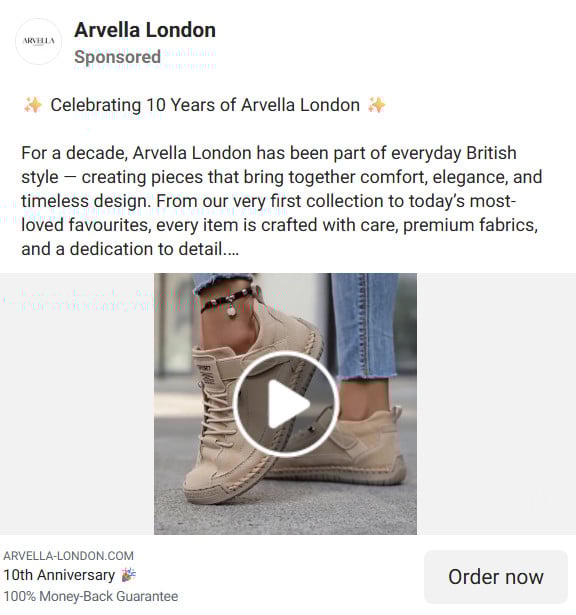
It starts innocently enough. You’re scrolling through Instagram, Facebook, or TikTok when you see an ad announcing something that seems too good to ignore:
“Celebrating Our 10-Year Anniversary — Everything Up to 90% OFF!”
The ad features professional product photos, a heartwarming message about customer loyalty, and a big promise: this is a “thank you” event for all their supporters over the years. The sale is said to last only a few days, and “stock is limited.” It seems like a great opportunity to grab luxury items at a fraction of their normal price.
But behind many of these so-called “Anniversary Sale” celebrations is a highly organized scam operation designed to steal your money. These fake campaigns have become one of the fastest-growing e-commerce fraud tactics worldwide.
In this comprehensive guide, we’ll explain in detail how the Anniversary Sale Scam works, the tactics scammers use to make their stores look legitimate, how to protect yourself, and what to do if you’ve already been targeted.
Scam Overview
The Anniversary Sale Scam is an online shopping fraud in which criminals create fake stores or impersonate legitimate ones to promote non-existent anniversary events.
They lure victims with unrealistic discounts—typically 50% to 90% off—and an emotional story designed to build trust quickly. This narrative is carefully crafted to make people believe they’re buying directly from a well-established brand celebrating years of business.
Emotional storytelling and psychological manipulation
The scam usually starts with ads or pop-ups featuring:
- “Celebrating 10 Years of Excellence”
- “Thank You for Your Loyalty — 80% Off Storewide!”
- “Our Biggest Anniversary Sale Ever — Limited Time Only”
These phrases give the impression that you’re dealing with a reputable, long-standing company. Shoppers lower their guard, thinking “an established brand wouldn’t scam me.”
This scam is particularly dangerous because it exploits trust, loyalty, and urgency simultaneously.
A growing pattern on social media
Cybersecurity researchers and fraud prevention experts have identified tens of thousands of fake anniversary ads running simultaneously on Facebook, Instagram, and TikTok.
These campaigns are:
- Cheap to run, since scammers use stolen images and templates.
- Extremely convincing, often mimicking real brands or using British, European, or American-sounding names.
- Widespread, appearing in multiple countries at once.
Many of these scam operations target countries with strong online shopping habits like the United States, the UK, Canada, and Australia.
Examples of common scam narratives
- “We’re celebrating 15 wonderful years of serving you!”
- “10th Anniversary: Final Sale — 90% OFF on everything!”
- “Thank you for making our journey unforgettable — shop our biggest sale ever!”
- “This week only: anniversary deals for loyal customers.”
These fake stories trigger urgency and FOMO (Fear of Missing Out), which leads many victims to act fast without verifying the site’s authenticity.
Copycat branding and fake city names
Scammers often create brands that sound real and familiar by using city names or elegant-sounding titles like:
- Arvella London
- Whitmore Oxford
- Classic Sydney
- Thompson New York
They also intentionally misspell city names (e.g., “Melbourn,” “Los Angels”) to bypass trademark conflicts while still appearing legitimate.
This geographic association plays a psychological role. Consumers tend to trust brands they believe are based in cities associated with quality and heritage.
Polished appearance, stolen content
Unlike older scams, anniversary sale scams often feature very convincing websites:
- Professional product photography (usually stolen from real retailers).
- Fake customer testimonials and star ratings.
- Modern, responsive web design.
- “Secure payment” icons and trust badges.
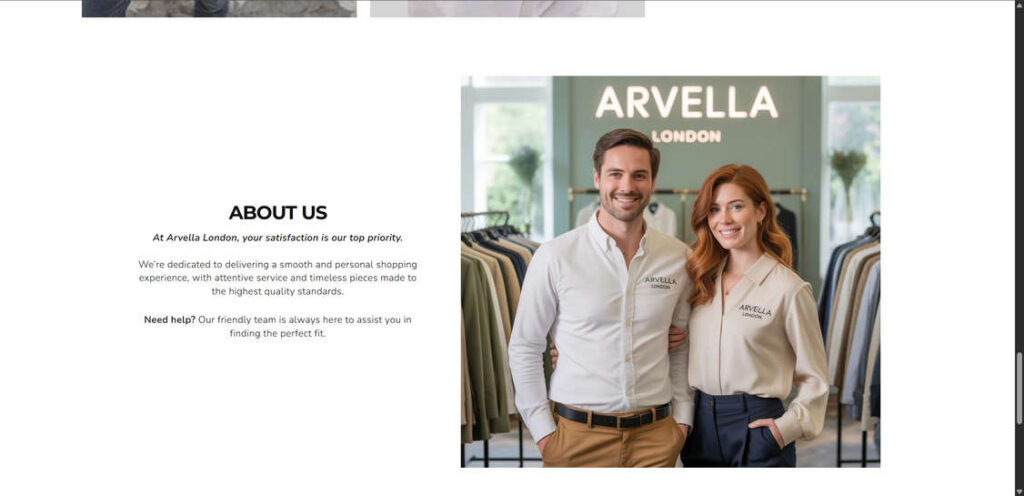
- “About Us” pages filled with emotional stories.
Because the presentation looks professional, shoppers rarely suspect anything is wrong until after they’ve paid.
Industrialized fraud
Scammers don’t just create one store—they create hundreds of near-identical storefronts, often changing names and domains weekly.
When complaints or chargebacks pile up, they simply abandon the site and launch a new one.
The speed and scale of these scams make them especially difficult to shut down quickly.
How the Scam Works
While every fake anniversary sale campaign has its own name and design, the core mechanics are almost identical.
Step 1: Setting up a fake storefront
Scammers create a new website, often with a freshly registered domain name that includes keywords like:
- “anniversary”
- “outlet”
- “official sale”
- “thankyou”
Examples:
- arvella-anniversary.com
- london-outlet-sale.shop
- sydney-10years.com
They use Shopify, WooCommerce, or cheap hosting platforms to build a polished online store in less than 24 hours.
Key features of the fake site include:
- “Since 2013” or another random year in the logo to fake history.
- “About Us” page with emotional language about “10 years of service.”
- Fake social proof elements like reviews, star ratings, and security seals.
The professional look of these sites is what makes the scam so convincing.
Step 2: Launching aggressive ad campaigns
Once the site is ready, scammers launch ad campaigns on platforms like Facebook, Instagram, TikTok, and sometimes Google.
Their ads typically feature:
- High-quality product images (stolen from real retailers)
- Emotional anniversary messages (“Thank you for 10 years of loyalty”)
- Countdown timers and “last day” claims
- Unrealistic discounts (often 70–90% off)
These ads are carefully targeted toward demographics likely to click impulsively, such as online shoppers over 25.
Step 3: Creating urgency and scarcity
Once users click on the ad, they land on the store’s homepage, which is engineered for maximum pressure:
- “Final Hours” countdown timers
- “Only 3 items left in stock” notices
- Pop-ups saying “Samantha from London just bought this item!”
- Phrases like “This offer will never return.”
These tactics are classic FOMO triggers designed to make people buy fast without research.
Step 4: Collecting payments
Scammers usually accept:
- Credit/debit cards
- PayPal (sometimes)
- Unsecured payment processors
Customers receive a generic confirmation email, but no real invoice or customer service support.
Unlike legitimate stores, there’s no verifiable company name, no tax ID, and no legal business registration.
Step 5: Shipping fake or low-value goods (or nothing at all)
Victims report three common outcomes:
- Nothing arrives. The scammer takes the money and disappears.
- A cheap knockoff arrives. For example, a $5 polyester item instead of the $120 product advertised.
- A random item arrives. Some victims receive unrelated objects like sunglasses or socks—this tactic allows scammers to claim they “delivered” something.
Fake tracking numbers are often sent to delay disputes and keep the victim waiting.
Step 6: Ignoring customer support requests
After payment:
- Emails go unanswered or receive auto-responses.
- Phone numbers don’t work.
- Refund requests are ignored.
- Return addresses are either fake or lead nowhere.
This is a key difference between legitimate stores and scams—there’s no real way to contact anyone.
Step 7: Abandoning and relaunching
When enough people complain or initiate chargebacks:
- The scam site is shut down or abandoned.
- The scammers register a new domain with a different name.
- The entire cycle repeats, often using the same images and ad copy.
This rinse-and-repeat approach allows scammers to remain ahead of consumer complaints and platform takedowns.
What to Do If You Have Fallen Victim to This Scam
If you’ve already made a purchase through an anniversary sale site that turns out to be fake, quick action can significantly increase your chances of getting your money back and protecting your personal information.
1. Contact your bank or credit card provider immediately
- Report the charge as fraudulent.
- Request a chargeback to recover your funds.
- Cancel or replace your card to prevent future unauthorized transactions.
- Monitor your account for suspicious activity.
Most banks have buyer protection programs that can help if the report is made promptly.
2. If you paid with PayPal, file a dispute
- Go to the PayPal Resolution Center.
- Select “Item Not Received” or “Significantly Not as Described.”
- Provide evidence: website URL, confirmation emails, screenshots, tracking information.
- Escalate the claim if needed.
PayPal often favors buyers in scam cases if you act quickly.
3. Secure your online accounts
- Change any passwords you used on the scam site.
- If that password is reused elsewhere, change it on all accounts.
- Enable two-factor authentication wherever possible.
This step helps prevent secondary attacks like credential stuffing or phishing.
4. Report the scam to authorities
Depending on your country, report to:
- United States: Federal Trade Commission (FTC)
- United Kingdom: Action Fraud
- Australia: Scamwatch
- European Union: European Consumer Centre
Also report the advertisement on Facebook, Instagram, or TikTok to help get it flagged and removed.
5. Beware of follow-up scams
Victims of one scam often receive new phishing emails or refund scams. These may include:
- Fake “refund agent” messages.
- Phishing links asking for banking information.
- Identity theft attempts.
Only communicate with your bank or official payment provider.
6. Share your experience publicly
- Post on Trustpilot, Reddit, or consumer forums.
- Submit the domain to scam reporting websites.
- Warn friends and family to reduce further victimization.
Public exposure helps slow these scams down.
7. Consider identity monitoring if you shared sensitive data
- Monitor your credit report.
- Freeze your credit if applicable in your country.
- Use identity protection alerts to detect misuse of your information.
Even if the scam was “just” a fake sale, personal data can be valuable to cybercriminals.
How to Spot an Anniversary Sale Scam Before You Buy
Preventing scams is far easier than resolving them afterward. Here are the key red flags that can help you spot an anniversary scam early.
1. Domain age and registration
- Use WHOIS to check when the website domain was created.
- Scammers often register domains just days or weeks before launching the “anniversary” campaign.
- A “10-year anniversary” site with a 2-week-old domain is an obvious fake.
2. Overly emotional language
Scammers love phrases like:
- “Celebrating 10 amazing years!”
- “Thank you for supporting our family business.”
- “Once-in-a-decade anniversary event.”
Genuine companies may use similar language, but paired with verifiable business history—not vague statements.
3. Unrealistic discounts
- 70%–90% off sitewide is rarely legitimate.
- Big discounts may exist, but real stores don’t discount everything at once.
- Deep discounts are bait to push quick sales.
4. Lack of company information
- No real address or only a fake UK/US address.
- No company registration number or tax information.
- Only a single, generic email address for contact.
A legitimate retailer can always provide verifiable details.
5. Reused images and designs
- Reverse image search product photos using Google Images or TinEye.
- If the same images appear on multiple unrelated websites, it’s a red flag.
- Many scam sites are identical templates with different names.
6. Fake urgency
- Countdown timers that reset when you reload the page.
- “Only 2 items left” for every product.
- “Final hours” banners that remain for weeks.
These are psychological tricks, not signs of a real sale.
7. Misspelled or suspicious domains
- Example: arvella-londn.com or melbourn-anniversary.com
- Misspellings of famous city names are common scam tactics.
8. No independent reviews
- A lack of mentions outside their website.
- Only glowing reviews directly on the site.
- Negative reviews appearing on forums or scam alert sites.
Always search the store name + “scam” or “reviews” before buying.
Why Scammers Use Anniversary Sales
Scammers use anniversary narratives for one simple reason: they work extremely well.
Anniversary sales create trust
A company claiming to have been in business for 10 years sounds reliable. People assume that no scam would survive that long. Scammers exploit this psychological shortcut.
Anniversary sales create urgency
Words like “limited-time celebration” and “once-in-a-decade event” make buyers feel they can’t miss out.
Anniversary sales bypass skepticism
Because these scams mimic legitimate marketing tactics used by real brands, people are less suspicious compared to random pop-up sales.
Geographic branding amplifies trust
Adding city names like London, New York, Sydney, or Oxford makes the fake store appear established and international. Consumers worldwide associate these cities with quality, heritage, and luxury.
Real-World Examples
Example 1: Arvella London
- Claimed 10-year anniversary sale.
- Used AI-generated founder images and fake Trustpilot reviews.
- Promised 80% off luxury footwear.
- Site disappeared after 3 weeks.
Example 2: Whitmore Oxford
- Used UK branding to appear legitimate.
- Launched identical ads across multiple accounts.
- Sold fake “designer coats” at 70% off.
- Victims received either nothing or random socks.
Example 3: Generic “Anniversary Sale” sites
- Thousands of domains with “anniversary” in their names.
- Same ad copy recycled across platforms.
- Fake scarcity and fake trust badges.
- Shut down quickly to avoid chargebacks.
These scams look nearly identical but operate under different names, making them difficult to track.
Frequently Asked Questions
What is the Anniversary Sale Scam?
The Anniversary Sale Scam is a type of online shopping fraud where scammers set up fake e-commerce stores claiming to celebrate their “10-year anniversary” (or another milestone) with massive discounts—often 70% to 90% off. The website usually looks professional and trustworthy, with emotional messaging like “Thank you for 10 years of support” and “Our biggest anniversary sale ever.” Shoppers are tricked into thinking they’re buying from a real, established brand, but in reality, the scammers either never ship anything or send cheap knockoff products.
Why do scammers use fake anniversary sales?
Anniversary sales create instant trust. People are more likely to believe in the legitimacy of a brand that claims to have been around for many years. Phrases like “10th anniversary” or “celebrating a decade of success” make the fake store appear well-established and reliable. Scammers use this emotional narrative to lower your guard, encouraging you to buy quickly without verifying the site.
Where do these anniversary scam ads appear?
Most anniversary sale scams spread through social media ads on Facebook, Instagram, and TikTok. These platforms allow scammers to run cheap, highly targeted ads that look almost identical to those of real retailers. You might also encounter these scams through Google Ads or sponsored search results. Because the ads use professional images, emotional language, and urgency, they’re difficult to distinguish from legitimate campaigns at first glance.
How can I recognize a fake anniversary sale website?
There are several red flags to look out for:
- The domain is newly registered, often just a few weeks or months old.
- The website claims to be celebrating a long anniversary despite having no verifiable history.
- There are unrealistic discounts of 70% or more on every product.
- Contact information is vague or missing—usually just a generic email address.
- The physical address, if provided, is fake or unrelated.
- The site uses fake reviews, fake trust badges, and copied product images.
- The store name may include famous city names like “London,” “New York,” or “Sydney” to appear more legitimate.
- Urgency tactics such as countdown timers and “low stock” warnings are prominently displayed.
Why do scammers use city names like London or New York?
Scammers use well-known city names in their store names and URLs because these cities are associated with trust, heritage, and quality. Names like “Arvella London” or “Whitmore Oxford” sound more credible than generic brand names. Even misspelled city names like “Melbourn” or “Los Angels” are common because they help scammers evade detection while still appearing familiar and trustworthy to shoppers.
What happens after you buy from a fake anniversary sale site?
Victims typically receive a confirmation email but nothing else. In many cases, no product ever arrives. If something does arrive, it’s usually a cheap imitation or a completely unrelated item, like a pair of sunglasses or a low-quality shirt. Customer service is nonexistent or unresponsive, and refund requests go unanswered. Many victims realize it’s a scam only after weeks of waiting for their package.
Can I get my money back after falling for this scam?
Yes, in many cases you can. If you paid with a credit card, contact your bank immediately and request a chargeback. If you paid through PayPal, open a dispute in the Resolution Center and provide evidence of the scam. Acting quickly increases your chances of recovering the funds. If you paid via bank transfer or cryptocurrency, it’s often much harder to get your money back.
How can I verify if an anniversary sale is real or fake?
- Check the domain’s age with a WHOIS lookup. A “10-year anniversary” site with a 2-week-old domain is suspicious.
- Look for a verifiable business registration number.
- Search for the store name plus the word “scam” or “reviews” on Google.
- Reverse-image search their product photos to see if they’re stolen.
- Check whether their social media pages are new and ad-only.
- Avoid sites that lack clear return policies or real contact details.
Why are the discounts so high in these scams?
The discounts are part of the manipulation. Huge price cuts—like 80% or 90% off—make shoppers feel like they’re getting a once-in-a-lifetime deal. This sense of urgency encourages quick purchases, often without research. Real brands rarely discount their entire inventory at such extreme levels.
Are all anniversary sales scams?
No, not all anniversary sales are scams. Many legitimate brands run real anniversary promotions. The difference is that genuine businesses have verifiable company information, established online reputations, and consistent branding. If an anniversary sale comes from an unfamiliar website, especially one that seems new or uses emotional language, it’s wise to double-check before making a purchase.
What payment methods do scammers usually accept?
Most scam sites accept credit cards or PayPal. Some also encourage riskier payment methods like bank transfers, debit cards, or cryptocurrency, which are harder to dispute. If a site only allows bank transfers or crypto payments, that’s a major red flag.
What should I do if I entered personal or payment information on a scam site?
- Immediately contact your bank or card issuer to block your card or monitor suspicious activity.
- If you used PayPal, file a dispute as soon as possible.
- Change any passwords you used on the scam site, especially if you reuse them elsewhere.
- Enable two-factor authentication on your important accounts.
- Monitor your credit or banking activity closely.
Can scammers use my personal data after I place an order?
Yes. Even if the scam is focused on stealing money, many of these fake sites also collect personal data such as your name, address, email, and phone number. This data can be sold or used for phishing attacks. That’s why it’s important to secure your accounts and stay alert for follow-up scams.
How do scammers disappear after running these fake anniversary sales?
Most scam operations are designed to be short-lived. Once they collect enough money or start receiving complaints, they abandon the domain and launch a new one with a different name but the same content. This makes them difficult to track and shut down. They often reuse the same product images, ad copy, and fake reviews across multiple sites.
How can I report an anniversary sale scam?
You can report scams to consumer protection agencies:
- United States: Federal Trade Commission (FTC)
- United Kingdom: Action Fraud
- Australia: Scamwatch
- European Union: European Consumer Centre
You should also report the ad directly on Facebook, Instagram, or TikTok to help get it flagged and removed. Posting your experience on consumer forums and review platforms can help warn others.
Why are these scams so effective?
The effectiveness comes from the combination of trust-building, emotional appeal, urgency, and professional presentation. Scammers exploit real marketing tactics used by legitimate companies—anniversary celebrations, discount events, and brand storytelling—to make their operation appear legitimate. Many victims only realize it was a scam after weeks of waiting for their order.
What are some example scam names or domains?
Common scam naming patterns include adding words like “anniversary,” “outlet,” or “official” to city names. Examples might include:
- arvella-anniversary.com
- london-outlet-sale.shop
- melbourn10years.com
- whitmore-oxford.com
These names change frequently, so always double-check before buying.
How can I protect myself from these scams in the future?
- Always research unfamiliar stores before purchasing.
- Check the domain’s registration date.
- Look for verifiable company registration and contact details.
- Use credit cards or PayPal for added buyer protection.
- Avoid impulse buying from emotional or urgent ads.
- Reverse image search product photos.
- Trust your instincts—if something feels off, don’t proceed.
What is the bottom line about the Anniversary Sale Scam?
The Anniversary Sale Scam thrives on trust, emotion, and urgency. It’s designed to look real and feel special, but in reality, it’s just another way to trick people into paying for fake or nonexistent products. By learning to recognize the warning signs—new domains, vague company info, fake reviews, emotional copy, and extreme discounts—you can protect yourself and others from falling victim. If you ever have doubts about a promotion, take a few minutes to verify the store before buying. That quick pause can save you from losing money to a scammer who never had an anniversary to celebrate in the first place.
The Bottom Line
The Anniversary Sale Scam is one of the most widespread and sophisticated e-commerce fraud tactics today. It works because it blends emotional storytelling, fake legitimacy, and psychological urgency to make unsuspecting shoppers believe they’re supporting a well-established brand.
But once you understand the warning signs—new domains, unrealistic discounts, fake reviews, vague contact details, and urgency tactics—these scams become far easier to detect.
If you’ve already fallen victim, act quickly to secure your finances, report the fraud, and help warn others.
The next time you see an ad claiming “10-Year Anniversary Celebration — 90% Off,” pause. Take a few minutes to verify the store’s authenticity. Those few minutes can save you from losing money to a scammer who never had a store—or an anniversary—to begin with.