

A message from ARB Interactive saying you won a sweepstakes or prize may appear harmless until a check arrives and the sender asks you to use part of the money for fees, taxes or another payment. The check is counterfeit, even if your banking app initially shows that the deposit is available.
This scam relies on the delay between a bank crediting a deposit and discovering that the check is fraudulent. By the time the check is reversed, the money you sent is gone and the loss belongs to you. This guide explains each stage of the trap and the safest steps to take if you received or deposited the check.
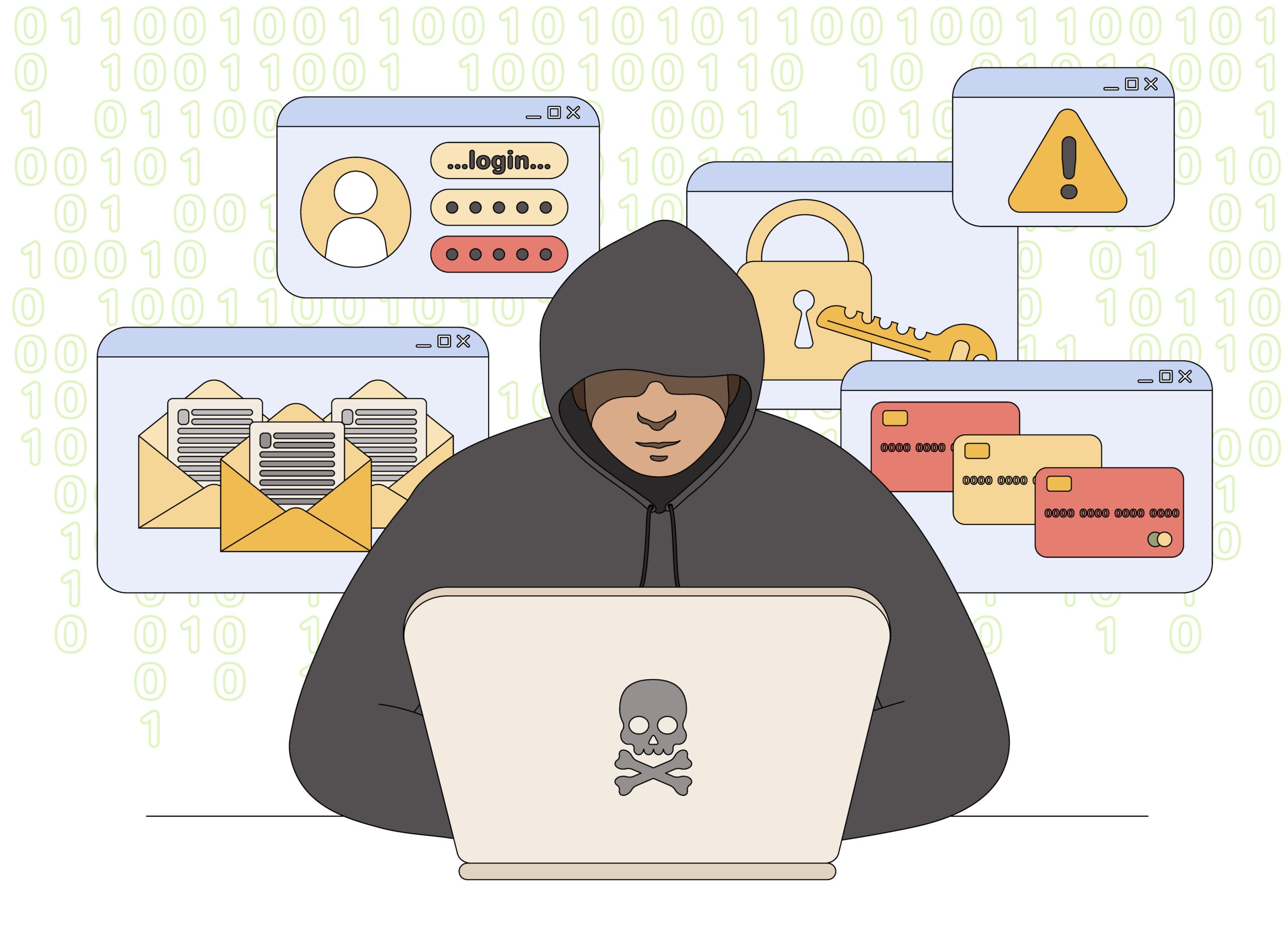
ARB Interactive Prize Scam Overview
The ARB Interactive prize notification is a confirmed fake check and sweepstakes scam. Letters claim that the recipient has won a large Publishers Clearing House or PCH Digital prize, often $750,000, and include a realistic-looking cashier’s check for an amount in the $1,000s.
ARB Interactive is a legitimate social gaming company associated with current PCH-branded operations. The company name is being impersonated. The letter, check, claims agent, and payment instructions described in this campaign are fraudulent.
The check may appear to be worth between $8,900 and $9,950. The letter says the money will help cover taxes, processing costs, or other out-of-pocket expenses. That explanation is the hook: after the check is deposited, the recipient is told to send much of the money to the scammer.
Seeing funds in a bank account does not prove the check is genuine. Banks are required to make deposited funds available quickly, while a counterfeit or stolen check can take weeks to be identified. When it is returned, the temporary credit disappears and the victim is left responsible for money sent away.
The check can appear authentic because it contains a bank name, routing number and professional printing, and a mobile deposit may initially show the amount as available. Availability is not the same as final clearance. Banks often provide provisional access before the paying institution confirms that the check is valid, a process that can take days or longer.
The scammer uses that window to demand a fast outgoing payment for taxes, equipment, charity donations or a supposed prize agent. When the counterfeit deposit is returned, the outgoing transfer is not automatically reversed. Never send part of a check’s value to the person who sent it. Ask the issuing bank to verify the check independently and tell your own bank that the payment may be fraudulent.
How the ARB Interactive Fake Check Scam Works
Step 1: An unexpected prize letter arrives
The recipient receives a professional-looking letter through the mail. It may use the names ARB Interactive, PCH Digital, Publishers Clearing House, a prize department, or a clearing house lottery.
The letter says a winning entry was selected and that a large jackpot is ready to be released. Most recipients do not remember entering the promotion, but the official language and recognizable brand names are designed to overcome that doubt.
Step 2: A cashier’s check makes the claim feel real
A check for more than $1,000 is enclosed. It may display the name and routing information of a real bank, a security background, a signature, and other details that make it difficult to identify as counterfeit by sight.
The check is not the full prize. It is described as an advance for fees, taxes, insurance, or expenses needed before the remaining $750,000 can be delivered.
Step 3: The victim is ordered to call a claims agent
The letter provides a telephone number and says the check must not be deposited until a claims agent gives approval. That call connects the recipient directly to the fraudster.
The agent congratulates the victim, confirms details printed in the letter, and explains the next steps with confidence. This personal contact turns a suspicious mailer into a story that feels active and organized.
Step 4: The fake check is deposited
The victim deposits the check and may see the money appear in the available balance within a short time. The scammer uses that temporary availability as proof that the prize is genuine.
But available is not the same as verified. The bank can reverse the deposit after the check moves through the clearing process and is rejected by the supposed issuing bank or account owner.
Step 5: Money must be sent back for fees
The claims agent tells the victim to keep a small portion and send the rest to a tax office, courier, prize processor, or other invented third party. Payment may be requested by wire transfer, gift card, cryptocurrency, cash, or a payment app.
Those methods are chosen because they move real money quickly and are difficult to reverse. The recipient is not paying a legitimate fee. They are sending their own money to a criminal.
Step 6: The check is returned as fraudulent
Days or weeks later, the bank discovers that the check is counterfeit, altered, or drawn on a compromised account. The deposit is removed from the victim’s balance.
The money wired or spent on gift cards does not return with it. The victim may also face an overdrawn account, returned-check fees, or temporary account restrictions while the bank investigates.
Step 7: The scammer demands more money
If the first transfer succeeds, another fee often appears. The scammer may claim that the prize is delayed by insurance, federal tax, customs, legal paperwork, or a delivery bond.
There is no final payment that unlocks the jackpot. Each new demand exists only to extract more money before the victim or bank recognizes the fake check.
Warning Signs in the Prize Letter
- You receive a prize notice for a sweepstakes you do not remember entering.
- The letter includes a check but says part of it must be sent elsewhere.
- You must call an agent before depositing or discussing the check.
- The prize is supposedly free, yet taxes, processing, or delivery costs must be paid first.
- Payment is requested by gift card, wire transfer, cryptocurrency, cash, or payment app.
- The letter tells you to keep the prize confidential.
- You are warned not to discuss the check with family members or bank staff.
- The sender creates urgency and threatens cancellation if you pause to verify the claim.
A demand for secrecy is especially revealing. Bank employees and family members are exactly the people most likely to recognize a fake check scheme, so criminals try to isolate the recipient from them.
Why the Bank Shows Money From a Fake Check
People often assume a deposited check has cleared because the balance becomes available. In reality, the bank may release funds before it has completed every step needed to confirm the check and the account behind it.
A convincing counterfeit may use a real bank’s name or even information from a real account. The problem can surface only after the issuing institution or account holder rejects the item.
The Federal Trade Commission warns that fake checks can look genuine even to bank employees and may take weeks to uncover. If money was sent to the scammer during that window, the bank can remove the fake deposit while the outgoing payment remains gone.
What To Do With the Letter and Check
- Do not deposit the check. Do not test it through mobile deposit or an ATM.
- Do not call the number in the letter. Speaking with the agent confirms that the address and telephone number reached a responsive target.
- Do not send any money. Real sweepstakes do not require gift cards, wire transfers, cryptocurrency, or advance payments to release a prize.
- Preserve evidence. Photograph or scan the letter, envelope, check, telephone numbers, and return address before securely storing them.
- Verify independently. If you want to contact the named company, use contact details obtained from its official website, not the letter.
- Report the scam. File a report with the Federal Trade Commission and the U.S. Postal Inspection Service if the material arrived by mail.
Do not publicly post a full image of the check without covering account and routing information. Even fraudulent documents can contain details copied from a real person or business.
What To Do If You Deposited the Check
Contact the bank immediately and ask for the fraud department or a branch manager. Explain that the deposit is connected to a suspected prize scam and ask what steps are needed to protect the account.
Do not spend the money, even if it is available. If you already sent a wire, gift card, cryptocurrency transfer, or payment-app transaction, contact that provider immediately and request a fraud reversal or freeze. Recovery is not guaranteed, but speed matters.
Watch for follow-up recovery scams. Criminals may contact victims again and promise to retrieve the lost money for another fee. A legitimate government agency will not charge an advance payment to investigate the report.
Frequently Asked Questions
Is ARB Interactive a real company?
Yes. ARB Interactive is a real company. That does not make an unexpected prize letter genuine. Scammers regularly impersonate legitimate companies to gain trust.
Can I keep part of the check and send back the rest?
No. That instruction is the core of the fake check scam. The deposited funds can be reversed, while any money you send back comes from you.
Do prize winners have to pay taxes through a claims agent?
No. A legitimate sweepstakes does not send a check and then order the winner to return money for taxes or fees. Only scammers demand an advance payment to release a prize.
Does a cashier’s check guarantee the money?
No. Cashier’s checks can be counterfeited or altered. The document may look authentic and still be rejected after the bank completes its review.
The Bottom Line
The ARB Interactive prize letter is not a shortcut to a $750,000 jackpot. It is a classic fake check trap built around a current company name, a professional letter, and a deposit that may appear real for a short time.
Do not deposit the check and never send part of it back. If the check is already in your account, contact the bank before using any of the funds and report the scheme while the payment trail is still fresh.

Join the discussion
3 commentsShare your experience or ask a question about this article.
Discussion
what can I do to recover the money lost.( I am on a fixed income and this loss is going to hurt) in my account. I have called the attorney Generals office
In reply to Vernon Lee Carter
If you live in Minnesota, there is a fund to help fraud victims with their losses. There may be similar funds available if you live somewhere else.
In reply to Sylvie B
Thank you for sharing that resource. Programs for fraud victims vary by state, so readers should verify eligibility and contact details through an official government website or agency before submitting any information.