

A video shows up in your feed claiming Bill Gates is backing a “honey trick” that can change your health fast.
Sometimes it’s framed as a weight loss shortcut. Other times it’s pitched as a memory breakthrough, a blood sugar fix, “blood support,” or even male enhancement. The story shifts, but the format feels the same: a simple “golden honey recipe,” a famous name for instant trust, and a link you’re pushed to click right now.
If you followed one of these ads, you’re not just looking at a supplement. You’re looking at a repeatable scam-style funnel built to convert fear and hope into a purchase, often with billing surprises and refunds that go nowhere.
This article breaks down how the Bill Gates Honey Trick scam typically works, what red flags to watch for, and what to do if you already bought.
Scam Overview
The “honey trick” is the hook, not the solution
Honey is the perfect bait for health scams because it feels safe.
It’s familiar. It’s “natural.” It’s something you can picture in your kitchen, which makes the pitch feel like advice instead of advertising.
That is exactly why scammers keep using it.
The honey trick story usually starts with a promise that sounds easy and comforting:
- a spoonful of honey each day
- a “golden blend” recipe
- a rare honey type, sometimes marketed as Manuka or “Himalayan”
- a bedtime ritual that “activates” something in the body
It’s designed to feel like you’re about to learn a simple habit, not buy a product.
But in many versions, the recipe is delayed, vague, or never clearly delivered. It becomes a narrative device that holds your attention until the real goal appears: a checkout page for an overpriced supplement.
That’s the bait-and-switch.
The bait is the recipe.
The switch is the bottle.
Why Bill Gates gets pulled into the story
Bill Gates is used because he functions like a credibility shortcut.
The scam wants your brain to make a quick, emotional leap:
“If he’s involved, this must be real.”
Sometimes the ad implies Gates funded research.
Sometimes it says he “revealed” the trick.
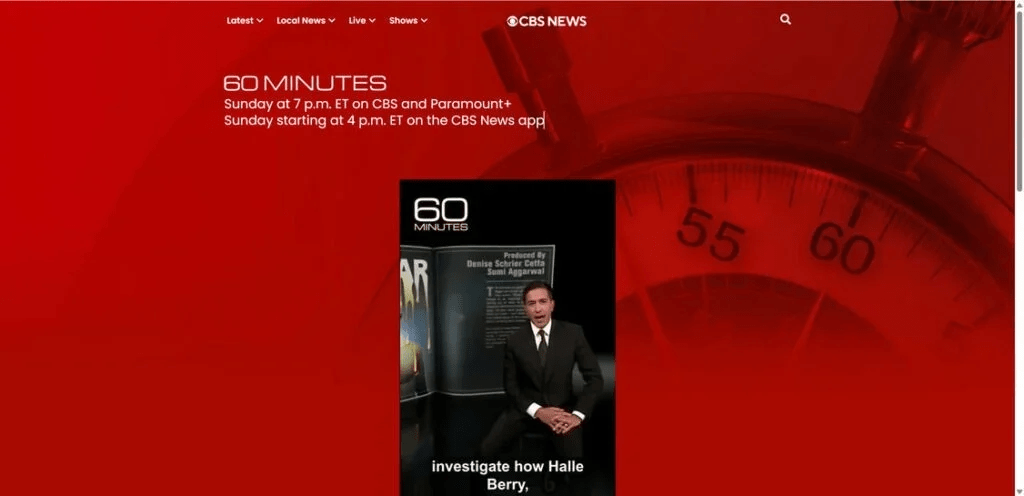
Sometimes the video looks like a real segment featuring him.
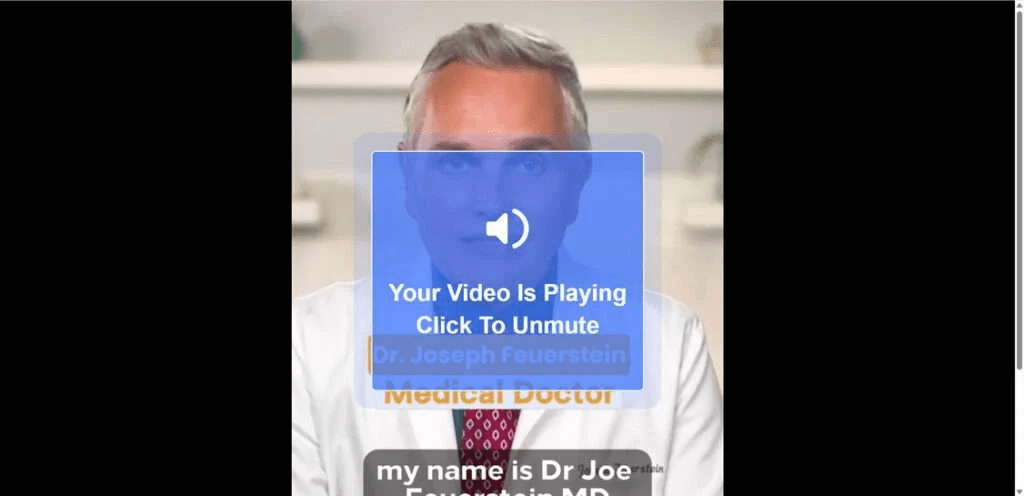
In reality, these campaigns often rely on AI-generated or manipulated endorsement-style content. The FTC has warned that scammers are using fake celebrity endorsements, including doctored video and audio that can seem real.
That warning matters because this scam is not built on proof. It’s built on perceived authority.
This is not one product, it’s a reusable scam template
One of the most confusing things for victims is the constant name changes.
Today it’s one brand of drops.
Next week it’s a different bottle with a new label.
Then it’s gummies, capsules, or a “probiotic blend.”
That churn is a feature, not a bug.
Once a funnel works, it can be cloned quickly:
- new domain
- new product name
- new bottle label
- same script and same urgency tools
That’s why you should focus less on the product name and more on the structure.
Even scam-reporting coverage of these “honey trick” campaigns notes that famous names like Bill Gates appear because they trigger instant trust, not because they are involved.
The scam targets high-stakes health fears
The honey trick campaign shows up across multiple niches, but it spreads fastest when it can tap into fear and vulnerability:
- memory loss and dementia concerns
- blood sugar and diabetes anxiety
- weight loss desperation and shame
- “blood support” and circulation fears
- male enhancement insecurity
These are emotional categories.
People are tired of feeling stuck.
People are scared of what symptoms might mean.
People want a gentle solution that feels less scary than medical testing, prescriptions, or hard lifestyle changes.
Scammers exploit that exact emotional pressure.
When the honey trick is marketed as a memory cure or dementia solution, it becomes especially cruel. The FDA explicitly warns consumers to watch out for false promises about so-called Alzheimer’s cures and notes that these products are not proven safe or effective.
Fake news-style pages are part of the trap
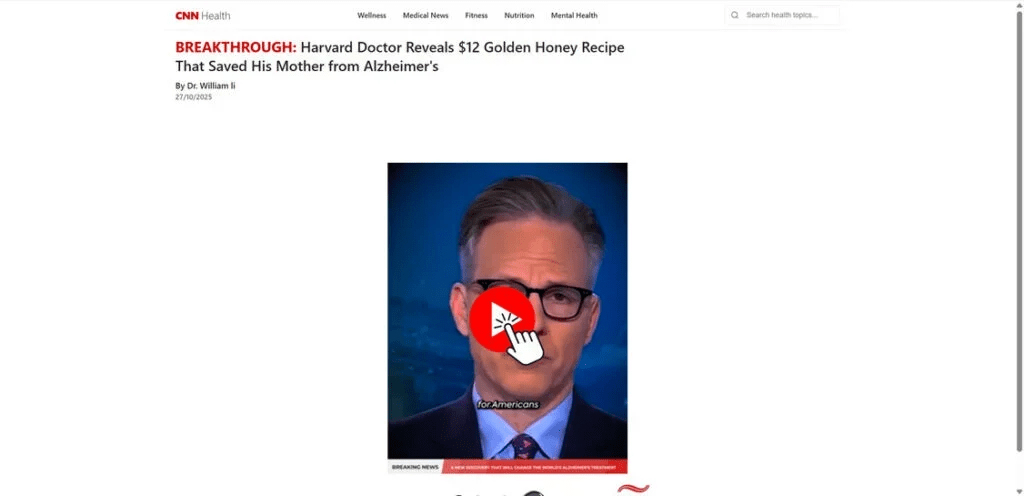
After the ad, many people land on what looks like reporting.
A “special report.”
A newsy layout.
A logo that resembles a real outlet.
A byline and date stamp.
A big embedded video with “tap to listen” prompts.
This is an advertorial: advertising disguised as editorial content.
The FTC warns that scammers use fake stories and fake news-style websites to sell weight loss products and other “miracle” health offers.
The point is not to inform you. It’s to lower your guard.
The “secret recipe” is often intentionally incomplete
If a recipe were truly the point, it would be written clearly.
Exact ingredients.
Exact measurements.
A short list of steps.
Realistic outcomes.
Warnings for people with conditions or medications.
Instead, these pages often do the opposite:
- tease the recipe repeatedly
- insist you must watch a long video
- add suspense (“stay until the end”)
- insert fear (“this is being suppressed”)
- imply it’s “too powerful” to reveal quickly
That’s not how trustworthy health information behaves.
That’s how conversion scripts behave.
“Natural” does not mean safe, and “supplement” does not mean tested
Another reason these scams work is the safety illusion.
The funnel implies that because honey and herbs are “natural,” the product is automatically gentle and safe.
But the FDA warns that products sold as supplements for health issues are not reviewed by the FDA before they hit the market and can be contaminated with hidden drug ingredients.
Harvard Health has also warned about hidden ingredients in supplements marketed for weight loss and male enhancement, noting that some contain prescription drugs or untested substances that can cause serious side effects or interactions.
That risk matters because these honey trick funnels often rotate across those exact categories.
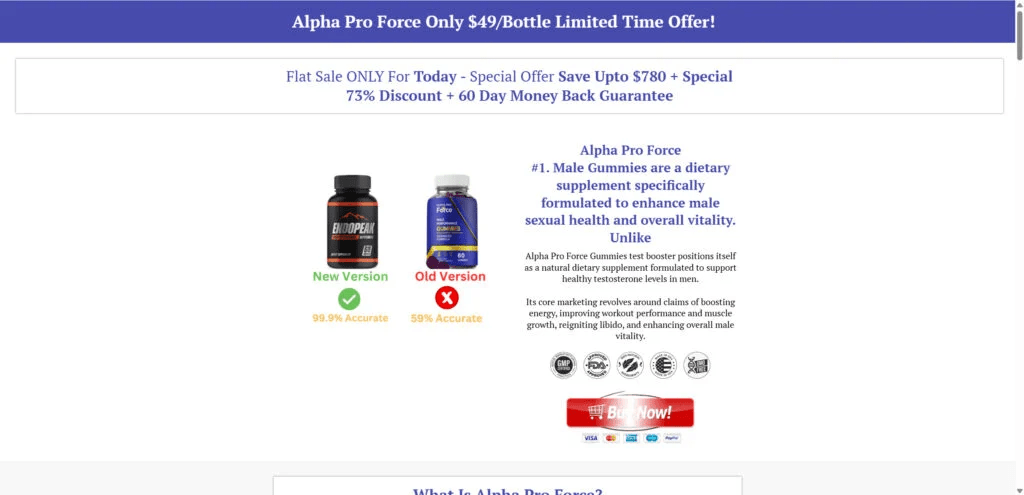
The biggest damage is often billing, not the bottle
Many victims say the same thing:
“I didn’t just get fooled by the claims. I got trapped by the billing.”
Common complaint patterns in these funnel-style supplement scams include:
- being charged for more bottles than expected
- upsells that look like required checkout steps
- “today only” discounts that hide the real terms
- merchant names on bank statements that don’t match the product name
- unwanted “refill” subscriptions or monthly autoship programs
- refunds that become slow, vague, or functionally impossible
The FTC’s weight loss guidance specifically warns that many offers include recurring charges and shipments people did not intend, especially through “trial” style promotions.
Why this scam has gotten harder to spot
Older scams often looked sloppy.
Today’s scams are polished, and AI makes them even more convincing.
The FCC has warned that deepfake audio and video links are making scam calls and scam texts harder to spot.
That same reality applies to ads.
A video can look like an endorsement. It can sound real. It can still be fake.
So the safest rule is simple:
If the “proof” exists only inside the ad and the sales page, it is not proof. It is marketing.
How The Scam Works
This is the typical step-by-step flow behind Bill Gates Honey Trick scam supplement campaigns. The names and visuals vary, but the mechanics stay remarkably consistent.
Step 1: A scroll-stopping ad triggers fear and hope
You see a short video on social media or an ad network.
It is designed to hit a sensitive nerve fast, such as:
- “I’m forgetting names, is this the beginning?”
- “My numbers won’t stabilize, what if it gets worse?”
- “Nothing works for weight loss anymore.”
- “I feel older and weaker than I should.”
Then the ad offers relief.
A honey trick.
A cheap recipe.
A simple ritual.
That emotional swing is deliberate.
It pulls you into a story before you start evaluating evidence.
Step 2: Bill Gates is inserted as the credibility lever
At this stage, the ad introduces a famous name.
Sometimes the clip appears to show Bill Gates talking.
Sometimes it’s a headline implying he funded it.
Sometimes the ad claims he backed research.
The point is to make you stop asking questions.
The FTC has warned that scammers use fake celebrity endorsements, including doctored video and audio, to generate profits.
So even if the video looks convincing, treat it as a claim that needs verification, not as proof.
Step 3: You land on a “special report” page disguised as health content
After clicking, you often arrive on a page that looks like a news article.
Common signs include:
- a headline with “breakthrough” framing
- a date stamp to look current
- a byline that is vague or untraceable
- a big video block with “tap to listen”
- minimal navigation so you can’t easily leave
This page is designed for one thing: keep you watching.
Step 4: The video opens with suspense, not clear sourcing
The first minutes typically sound like a reveal.
You may hear lines like:
- “This is being suppressed.”
- “Doctors don’t want you to know.”
- “Stay until the end.”
Instead of giving you a recipe, it gives you a cliffhanger.
That suspense is a retention tactic.
It keeps you engaged and passive.
Step 5: A “root cause” story reframes the problem
Now the funnel introduces a single hidden cause.
Depending on the category, it might be framed as:
- toxins
- inflammation
- “brain plaque”
- “blocked pathways”
- “bad bacteria”
- “metabolism sabotage”
- “blood sugar switch malfunction”
Some of these words are borrowed from real science, but the scam move is the certainty and simplicity.
Complex health issues are reduced to one lever, and the ad claims the honey trick pulls it.
Step 6: The honey recipe is teased again, then blurred
This is the moment where the scam becomes obvious if you watch carefully.
You came for a recipe.
But instead of clear instructions, you get vague claims:
- “a special honey”
- “a rare ingredient”
- “a golden blend”
- “a traditional remedy”
The details stay fuzzy because the recipe is not the point.
The point is to keep you engaged until the product appears.
Step 7: The bait-and-switch: the supplement becomes the “real answer”
At some point the page pivots:
“The recipe works because of these key compounds.”
Then it introduces a product:
- drops
- capsules
- gummies
- a “proprietary blend”
Now the free trick is no longer central. The bottle is.
This is the heart of the scam funnel.
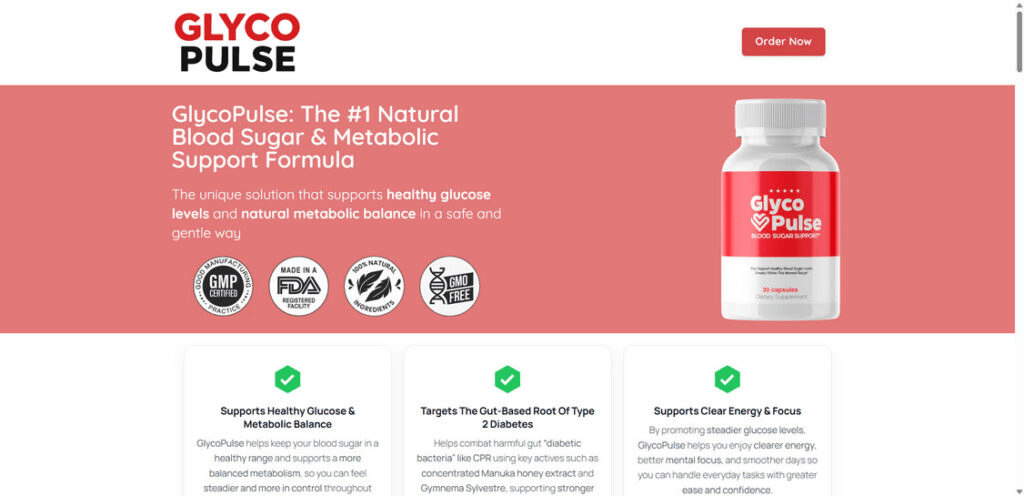
Step 8: Credibility badges appear next to the buy button
Now the page stacks trust signals:
- “clinically proven”
- “doctor recommended”
- “FDA registered facility”
- “GMP certified”
- “lab tested”
- “made in the USA”
These badges are designed to quiet doubt quickly.
But the FDA warns that products claiming to help with health issues are not reviewed before they enter the market and can be contaminated with hidden ingredients.
So badge stacks should be treated as marketing until independently verified.
Step 9: Fake urgency tools push you to buy before researching
The funnel ramps pressure with:
- countdown timers
- “limited supply”
- “today only”
- “people watching now”
- popups claiming recent purchases
These are conversion tools.
Their job is to stop you from opening a new tab.
Step 10: Bundle pricing pushes higher spending up front
You’ll usually see a tiered offer:
- 1 bottle at the highest price
- 3 bottles as “recommended”
- 6 bottles as “best value”
This is designed to increase the initial spend before you can evaluate anything.
Step 11: Checkout traps lead to extra charges or subscriptions
This is where many victims get hit.
Common issues include:
- pre-selected quantities
- upsells that look like required confirmation steps
- fine print that introduces “refill” or monthly autoship terms
- merchant names that don’t match the brand name
The FTC warns that many consumers end up billed repeatedly for offers they did not intend, especially in weight loss promotions.
Step 12: Refund friction kicks in after payment
After purchase, many people report:
- slow email-only support
- vague replies
- unclear return steps
- shifting requirements
- delays that feel designed to make you give up
This is why returns feel impossible.
Friction is often part of the business model.
Step 13: The campaign disappears and relaunches under a new name
When complaints rise or ad accounts get flagged, the operation can reset quickly:
- new domain
- new product name
- new bottle label
- same honey story
- same urgency
- same billing risk
That’s why learning the funnel matters more than memorizing the latest product name.
What To Do If You Have Fallen Victim to This Scam
If you clicked, ordered, or were charged after a Bill Gates Honey Trick ad, take these steps calmly and quickly.
- Save evidence immediately
Screenshot the ad, the landing page, the checkout totals, and the terms if you can still access them. Save confirmation emails and receipts. - Check your statement for extra charges
Look for multiple charges, higher totals than expected, or small “test” charges. - Watch for refill subscriptions
Search your confirmation email for words like autoship, membership, monthly, continuity, refill, next shipment. - Email the seller to cancel in writing
Include your name, order number, and a clear instruction: cancel any subscription and do not charge me again. Ask for written confirmation. - Contact your card issuer quickly if billing looks wrong
Ask about disputing the charge, blocking future charges, and whether replacing your card is recommended if repeat billing continues. - Monitor transactions for at least 60 days
Many victims see delayed rebills. Set a reminder to check weekly. - Do not delay real medical evaluation for memory concerns
The FDA warns consumers about false promises for Alzheimer’s cures and unproven products marketed for dementia and memory loss. (U.S. Food and Drug Administration) - Stop using the product if you feel unwell
Supplements can cause side effects and interactions. If symptoms occur, stop and seek medical advice. - Report the ad on the platform where you saw it
If the ad used a fake endorsement video, mention that. - Report fake endorsement scams
The FTC warns about doctored celebrity endorsement videos and encourages consumers to verify before buying. - Tighten account security
Change passwords you reused, enable 2-factor authentication on your email, and be cautious with follow-up “support” emails. - Document delivery and product details if anything arrives
Take photos of the label, packaging, and inserts before you attempt a return.
The Bottom Line
The Bill Gates Honey Trick scam supplements are not a harmless recipe trend.
They are often a polished, repeatable funnel that uses a “golden honey recipe” hook, AI-generated endorsement-style content, and high-pressure checkout tactics to sell supplements with exaggerated claims, unwanted subscriptions, and refund friction.
If you see a famous name like Bill Gates used as the trust anchor, treat that as a warning sign, not reassurance. The FTC has warned that fake celebrity endorsements using doctored video and audio are being used to scam people online.
If you already bought, focus on protection: save evidence, watch for refill billing, cancel in writing, and involve your card issuer quickly if anything looks deceptive.
The name on the bottle will change. The funnel pattern usually will not.

Join the discussion
3 commentsShare your experience or ask a question about this article.
Discussion
I fell for the Spam. I listened to Bill Gates promoting the research hid company did for MemoHoney. The research was very plausible, including how to be able to produce the ingredients in capsules. I paid $294 for a 6 months supply. There was no honey nor a special root extract from the Himalaya. It contained Turmeric, Pepper, Ginger and another ingredient.
I got half of my money back and I am promissed that the rest of the money will be send when they receive the returned merchandidse (MemoHoney).
How do I get my $312 back ???
In reply to Margaret Ringsred
Hi Margaret, I’m sorry this happened.
If you paid $312, act quickly. Save your receipt, order confirmation, screenshots of the ad and product page, and any emails or text messages you received. Then contact your bank, credit card company, or PayPal and dispute the charge as misleading advertising, item not as described, or seller misrepresentation.
If the product has not arrived, you may also be able to dispute it as item not received. If it does arrive and it looks nothing like what was promised, keep the packaging and take photos before doing anything else.
Also watch your account for any additional charges, because some of these sellers try repeat billing after the first order.