Cryptocurrency continues to attract millions of investors who are drawn by the potential for high returns. With opportunities like staking, yield farming, and liquidity pools, legitimate platforms can provide steady income for those who understand the risks. Unfortunately, where money flows, scams follow. One of the most dangerous threats today is the rise of fake ETH farming websites that pose as legitimate yield farming platforms but are actually designed to drain unsuspecting investors’ wallets.
These scams are polished, professional-looking, and convincing enough to fool even seasoned crypto users. Understanding how they work is essential for protecting your hard-earned crypto. This article explores these scams in detail, explains how they operate, and gives you a step-by-step action plan if you’ve fallen victim.
Scam Overview: Fake ETH Farming Websites
Fake ETH farming scam websites mimic legitimate decentralized finance (DeFi) platforms that allow users to provide liquidity in exchange for rewards. On the surface, these sites appear completely authentic. They use slick website designs, well-written FAQs, whitepapers, and fake partnerships with well-known crypto brands such as CoinMarketCap, Huobi, or Trust Wallet.
These websites typically advertise services such as:
Liquidity farming: Claiming users can farm ETH or USDC by providing liquidity to farming pools.
Yield farming: Promising daily or hourly rewards that are unusually high.
Referral rewards: Offering users significant ETH bonuses if they invite friends.
At first glance, everything looks legitimate. They display live statistics such as “total liquidity locked,” “daily rewards,” and even “latest yield” with wallet addresses and ETH payouts. These numbers, however, are completely fabricated.
Key Features of Fake ETH Farming Websites
Professional Website Design The scam sites use professional designs that closely resemble real DeFi projects. They include blue-and-white themes, clean typography, and icons for wallets like MetaMask and Trust Wallet. They even feature fake dashboards showing rewards and transactions to build credibility.
Wallet Integration Victims are prompted to connect their wallets via popular tools like WalletConnect, MetaMask, or Trust Wallet. This step is the entry point of the scam.
Whitepapers and Documentation To establish trust, these websites often include downloadable whitepapers, detailed FAQs, and partnership logos. The documents usually contain plagiarized or generic content, while the logos are unauthorized.
Fake Partnerships Many fake sites display logos of reputable exchanges (Huobi, Binance), analytics platforms (CoinMarketCap, CoinGecko), or wallets to appear legitimate. None of these companies actually endorse the scam platform.
Unrealistic ROI Promises Scam websites promise returns of 10% to 40% daily or monthly, which is far above what any legitimate DeFi protocol offers. They use these figures to lure users into thinking they can get rich quickly.
Deceptive Referral Schemes To spread rapidly, scammers offer large referral rewards (sometimes 30% of a friend’s deposit). These are fake incentives designed to expand the scam’s reach.
Smart Contract Exploits The scam relies on malicious smart contracts. Once the victim signs a contract to “approve” the site to use their funds, the scammers gain unlimited access to the victim’s wallet.
Why People Fall for It
Even experienced crypto users fall victim to fake ETH farming sites because of several factors:
The websites look polished and professional.
They use common DeFi terminology to appear legitimate.
Many include testimonials or fabricated on-chain transactions that seem real.
They play on the greed and FOMO (fear of missing out) mindset.
They exploit trust in well-known logos and brands.
Because these scams mimic real DeFi platforms so effectively, detecting them requires careful analysis. Many users only realize something is wrong after their funds are drained.
How the Scam Works
To understand the mechanics of fake ETH farming scams, let’s break it down step by step.
Step 1: Victim Discovery
The scam begins with victims finding the fake website through:
Sponsored ads on social media (Facebook, Twitter, Telegram).
Links shared in Discord groups or Telegram channels.
Fake articles, press releases, or blog posts claiming the project is new and revolutionary.
Referral links from other victims who unknowingly help spread the scam.
Step 2: Building Trust
Once on the website, victims are met with professional visuals and convincing statistics. They see terms like “liquidity farming,” “daily yield,” and “passive ETH rewards.” The website often features:
A “Connect Wallet” button front and center.
A FAQ section that explains how to join and what rewards to expect.
Fake transaction data showing ETH rewards distributed to wallet addresses.
A whitepaper link for legitimacy.
Step 3: Wallet Connection
The victim clicks Connect Wallet. Options like WalletConnect, MetaMask, and Trust Wallet appear, just like on legitimate DeFi sites.
At this stage, nothing suspicious seems to happen. Victims think they are authorizing the platform to interact with their wallet.
Step 4: Smart Contract Approval
The critical step is when victims are asked to sign a smart contract authorization. The site claims this step is needed for yield farming to begin.
In reality, the smart contract is malicious. It grants the scammer’s wallet unlimited spending permissions over the victim’s crypto assets. This means the scammer can drain funds at any time.
Step 5: Fake Rewards Display
After connecting, victims are shown fake dashboards. They may see:
ETH or USDC balances increasing.
Charts showing “daily yield” or “accrued rewards.”
Notifications of “successful staking” or “successful farming.”
These numbers are fake. They exist only to keep the victim engaged and to encourage more deposits.
Step 6: Encouraging More Investment
Victims are persuaded to deposit more funds to “unlock higher rewards.” Some platforms even promise higher ROI tiers for larger investments.
Referral systems also come into play here. Victims are encouraged to invite friends for a share of rewards, unknowingly dragging others into the scam.
Step 7: Withdrawal Attempts Fail
When victims try to withdraw, one of several things happens:
They are asked to pay fees in ETH or USDC to “unlock” withdrawals. These fees vanish into the scammer’s wallet.
The withdrawal fails repeatedly, with vague error messages.
The site shuts down completely, disappearing without a trace.
Step 8: Wallet Drain
At any time, the scammers can drain the victim’s wallet using the spending approval they tricked them into signing. Victims may suddenly see their ETH, USDC, or other tokens vanish without warning.
By this point, the scam is complete, and the victim has little to no recourse.
What to Do if You Have Fallen Victim to This Scam
If you’ve connected your wallet to a fake ETH farming site, immediate action is crucial. Follow these steps:
Disconnect and revoke any smart contract approvals that you don’t recognize.
Transfer Remaining Funds to a New Wallet
If funds are still in your wallet, move them immediately to a fresh wallet with no compromised approvals.
Do not reuse the same wallet, even after revoking permissions.
Do Not Pay Additional “Unlock” Fees
Some scams trick victims into paying more ETH to unlock withdrawals. This is another scam. Never send more funds.
Report the Scam
Report the website to platforms like MetaMask, Trust Wallet, Etherscan, CoinMarketCap, and relevant social media.
File a complaint with organizations like the Federal Trade Commission (FTC) or your local cybercrime authority.
Warn Others
Share your experience on Reddit, Twitter, or crypto communities to prevent others from falling victim.
Consider Professional Help
While most funds cannot be recovered, some blockchain forensics firms specialize in tracking stolen assets.
Be careful, though, as many “crypto recovery services” are scams themselves.
Harden Your Security for the Future
Always verify DeFi platforms through official sources.
Bookmark official project websites and avoid clicking random links on social media.
Use hardware wallets for better security.
Frequently Asked Questions (FAQ) About Fake ETH Farming Scam Websites
What is a fake ETH farming scam website?
A fake ETH farming scam website is a fraudulent platform that pretends to offer liquidity farming, staking, or yield farming rewards in exchange for connecting your crypto wallet. These sites often mimic legitimate decentralized finance (DeFi) platforms but are built with malicious smart contracts designed to steal crypto funds. Once you approve the contract, scammers can drain your wallet of ETH, USDC, or other tokens.
How do fake ETH farming scams work?
Fake ETH farming scams follow a predictable pattern:
They lure victims with promises of high returns through advertisements, referral links, or social media posts.
Victims visit a professional-looking website with fake dashboards, fabricated statistics, and unauthorized partnership logos.
The site prompts users to connect their wallet using tools like MetaMask, WalletConnect, or Trust Wallet.
Victims unknowingly sign a malicious smart contract approval that grants scammers unlimited access to their funds.
The site shows fake farming rewards to encourage further deposits.
When victims try to withdraw, either withdrawals fail or scammers demand extra “unlock fees.”
Ultimately, the wallet is drained, leaving victims with nothing.
How can I recognize a fake ETH farming scam site?
Spotting a fake ETH farming website requires close attention to detail. Warning signs include:
Unrealistic ROI promises, such as 20%–40% daily or monthly rewards.
Copied or vague whitepapers that don’t explain how the platform works.
Fake partnership logos from well-known exchanges or crypto brands.
Suspicious domain names that imitate legitimate projects.
No verifiable smart contract code or GitHub repository.
Pressure tactics like referral bonuses and limited-time offers.
If a platform offers rewards that seem too good to be true, it’s almost certainly a scam.
What happens if I connect my wallet to a scam farming site?
When you connect your wallet and approve the contract, you may unknowingly give scammers unlimited token spending permissions. This means they can transfer your ETH, USDC, or other assets out of your wallet at any time. Some victims see funds vanish instantly, while others notice after trying to withdraw rewards.
Can I recover stolen crypto from a fake farming scam?
Unfortunately, recovering funds stolen through malicious contracts is extremely difficult. Once assets are transferred, scammers typically move them through mixers and multiple wallets to obscure the trail. However, you can take steps to protect any remaining funds:
Revoke wallet permissions using tools like Revoke.cash.
Transfer funds to a new wallet that has no malicious approvals.
Report the scam to blockchain explorers, crypto wallets, and law enforcement.
In some cases, blockchain forensics firms may help trace stolen funds, but success rates are low.
How do scammers make fake ETH farming sites look real?
Scammers invest heavily in creating websites that look legitimate. They use:
Clean UI designs similar to well-known DeFi projects.
Live-looking dashboards with wallet addresses and ETH payouts (all fabricated).
Whitepapers and FAQs filled with generic information.
Referral systems that make users spread the scam unknowingly.
Fake endorsements with logos from CoinMarketCap, Huobi, or Binance.
The professional appearance is designed to lower your guard and trick you into approving their malicious contracts.
What should I do immediately if I fell victim to an ETH farming scam?
If you’ve connected your wallet or lost funds, act quickly:
Revoke token approvals via Revoke.cash or Etherscan.
Transfer remaining assets to a fresh, uncompromised wallet.
Stop sending funds – do not pay additional “unlock” fees.
Report the scam to your wallet provider (MetaMask, Trust Wallet, etc.) and to platforms like CoinGecko and Etherscan.
Warn others by sharing your experience in crypto communities.
Consider forensic tracking, but beware of “recovery service scams.”
How can I protect myself from fake ETH farming scams?
Here are key safety tips to avoid these scams:
Verify DeFi platforms using official sources like CoinMarketCap, CoinGecko, or the project’s verified social media.
Bookmark official URLs and avoid clicking random links from Telegram, Discord, or Twitter.
Never trust unrealistic ROI promises. Legitimate platforms offer moderate returns, not guaranteed riches.
Double-check smart contracts before approval. Look for verified contracts on Etherscan.
Use a hardware wallet to add another layer of security.
Stay updated on scams by following trusted crypto security researchers.
Are fake ETH farming websites common?
Yes. With the popularity of DeFi and yield farming, these scams are increasingly common. Scammers exploit trending crypto terms to trick investors, and they can launch new scam websites within hours. Because the crypto industry is decentralized and global, these scams are difficult to shut down completely.
Is Your Device Infected? Scan for Malware
If your computer or phone is slow, showing unwanted pop-ups, or acting strangely, malware could be the cause. Running a scan with Malwarebytes Anti-Malware Free is one of the most reliable ways to detect and remove harmful software. The free version can identify and clean common infections such as adware, browser hijackers, trojans, and other unwanted programs.
Malwarebytes works on Windows, Mac, and Android devices. Choose your operating system below and follow the steps to scan your device and remove any malware that might be slowing it down.
Malwarebytes for WindowsMalwarebytes for MacMalwarebytes for Android
Run a Malware Scan with Malwarebytes for Windows
Malwarebytes stands out as one of the leading and widely-used anti-malware solutions for Windows, and for good reason. It effectively eradicates various types of malware that other programs often overlook, all at no cost to you. When it comes to disinfecting an infected device, Malwarebytes has consistently been a free and indispensable tool in the battle against malware. We highly recommend it for maintaining a clean and secure system.
Download Malwarebytes
Download the latest version of Malwarebytes for Windows using the official link below. Malwarebytes will scan your computer and remove adware, browser hijackers, and other malicious software for free.
(The above link will open a new page from where you can download Malwarebytes)
Install Malwarebytes
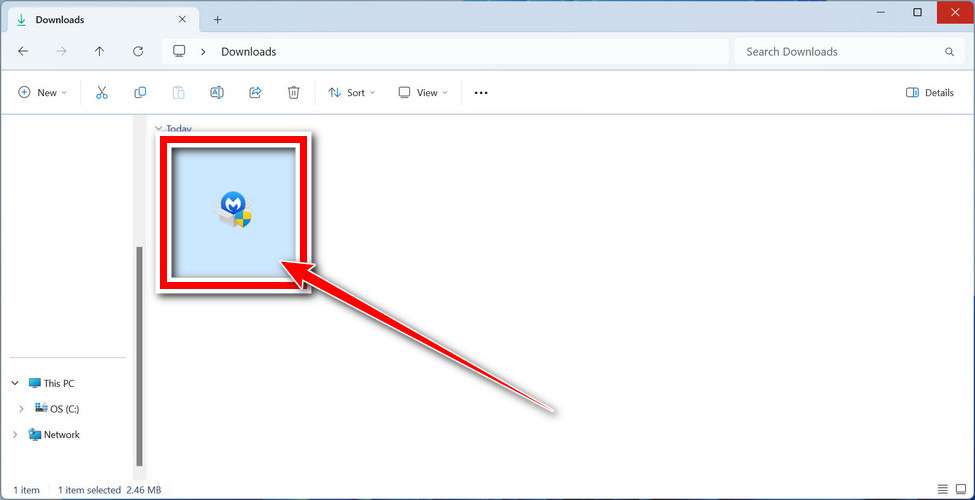
After the download is complete, locate the MBSetup file, typically found in your Downloads folder. Double-click on the MBSetup file to begin the installation of Malwarebytes on your computer. If a User Account Control pop-up appears, click “Yes” to continue the Malwarebytes installation.
Follow the On-Screen Prompts to Install Malwarebytes
When the Malwarebytes installation begins, the setup wizard will guide you through the process.
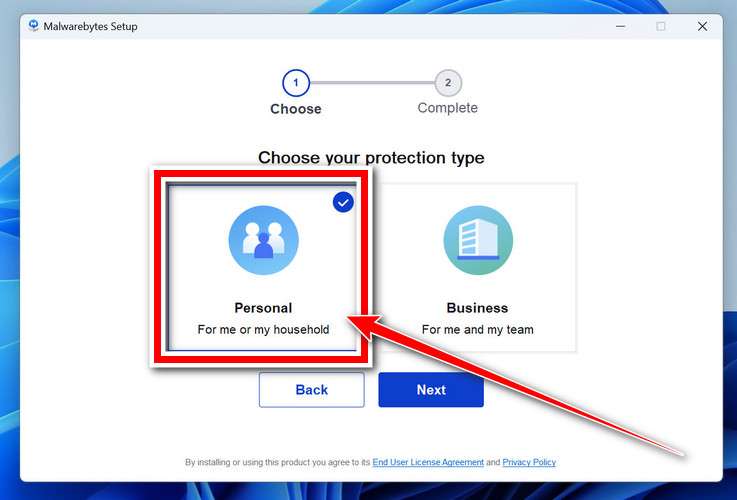
You’ll first be prompted to choose the type of computer you’re installing the program on—select either “Personal Computer” or “Work Computer” as appropriate, then click on Next.
Malwarebytes will now begin the installation process on your device.
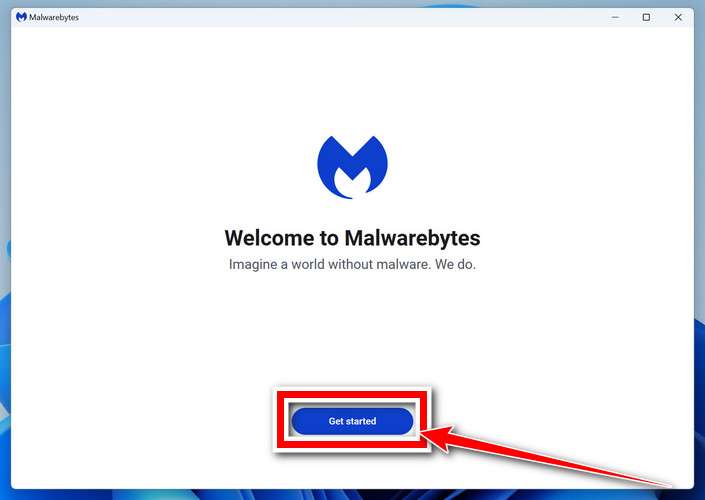
When the Malwarebytes installation is complete, the program will automatically open to the “Welcome to Malwarebytes” screen.
On the final screen, simply click on the Open Malwarebytes option to start the program.
Enable “Rootkit scanning”.
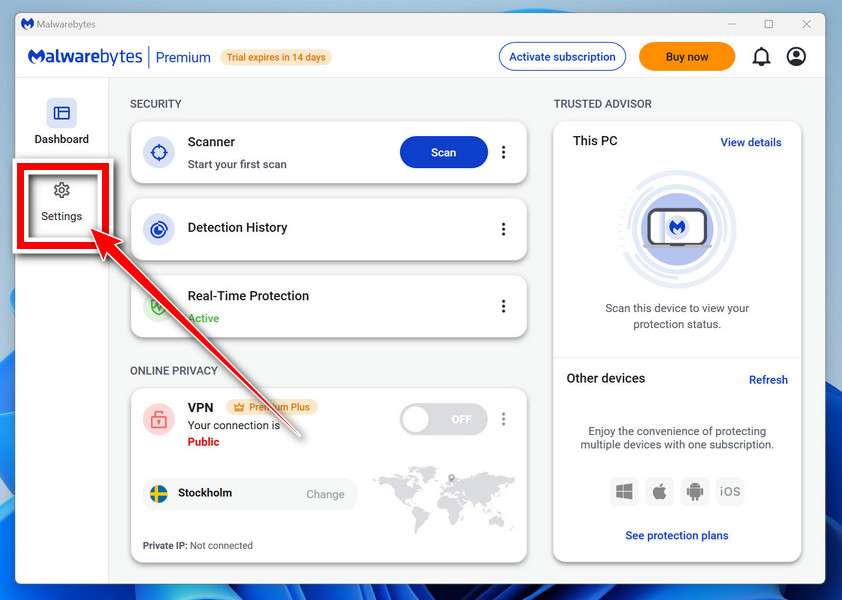
Malwarebytes Anti-Malware will now start, and you will see the main screen as shown below. To maximize Malwarebytes’ ability to detect malware and unwanted programs, we need to enable rootkit scanning. Click on the “Settings” gear icon located on the left of the screen to access the general settings section.
In the settings menu, enable the “Scan for rootkits” option by clicking the toggle switch until it turns blue.
Now that you have enabled rootkit scanning, click on the “Dashboard” button in the left pane to get back to the main screen.
Perform a Scan with Malwarebytes.
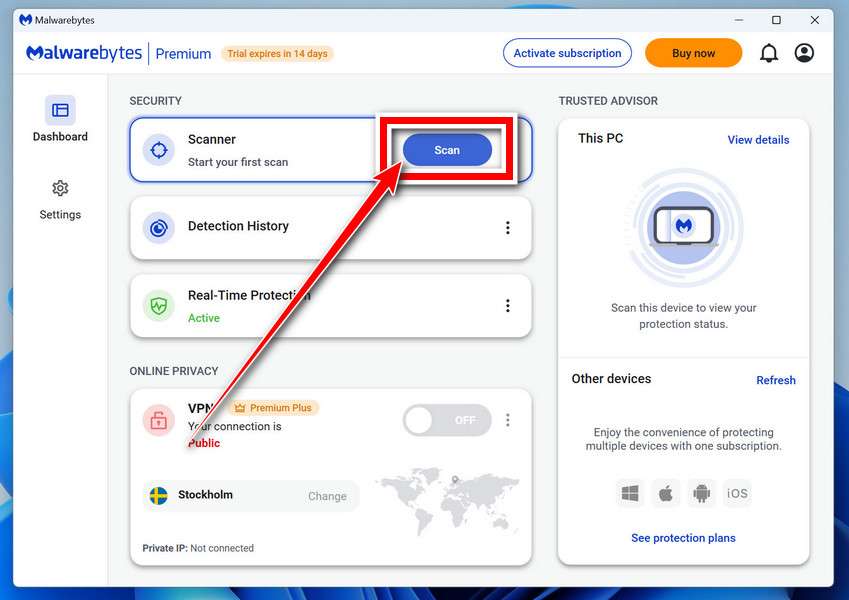
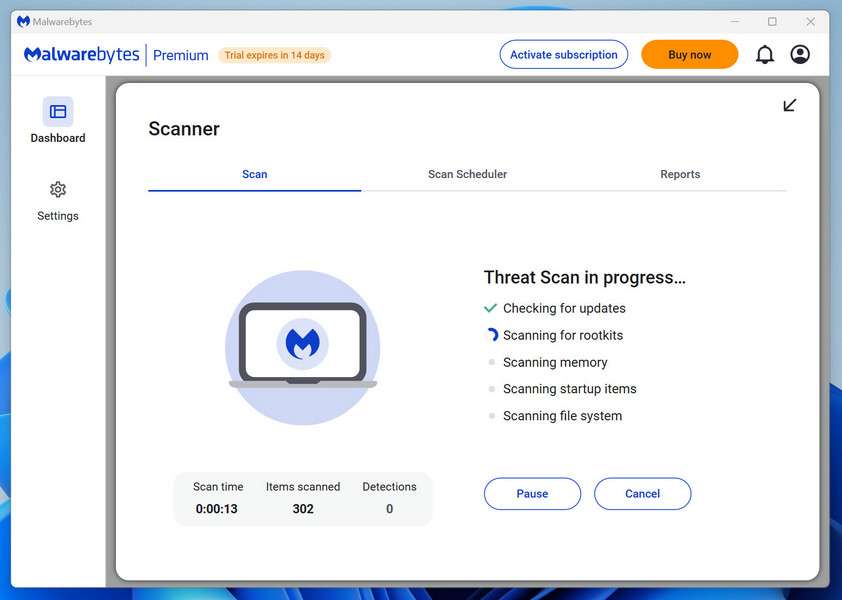
To start a scan, click the Scan button. Malwarebytes will automatically update its antivirus database and begin scanning your computer for malicious programs.
Wait for the Malwarebytes scan to complete.
Malwarebytes will now scan your computer for browser hijackers and other malicious programs. This process can take a few minutes, so we suggest you do something else and periodically check the status of the scan to see when it is finished.
Quarantine detected malware
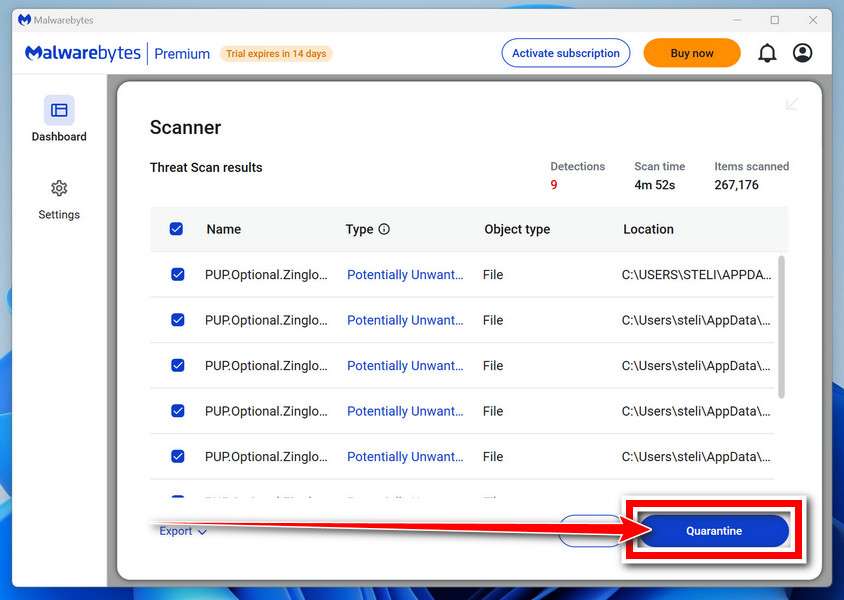
Once the Malwarebytes scan is complete, it will display a list of detected malware, adware, and potentially unwanted programs. To effectively remove these threats, click the “Quarantine” button.
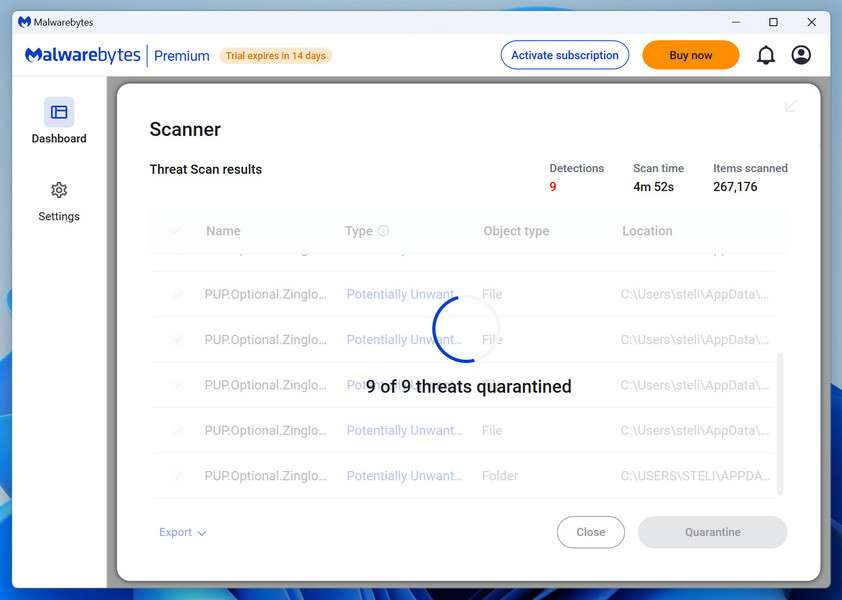
Malwarebytes will now delete all of the files and registry keys and add them to the program’s quarantine.
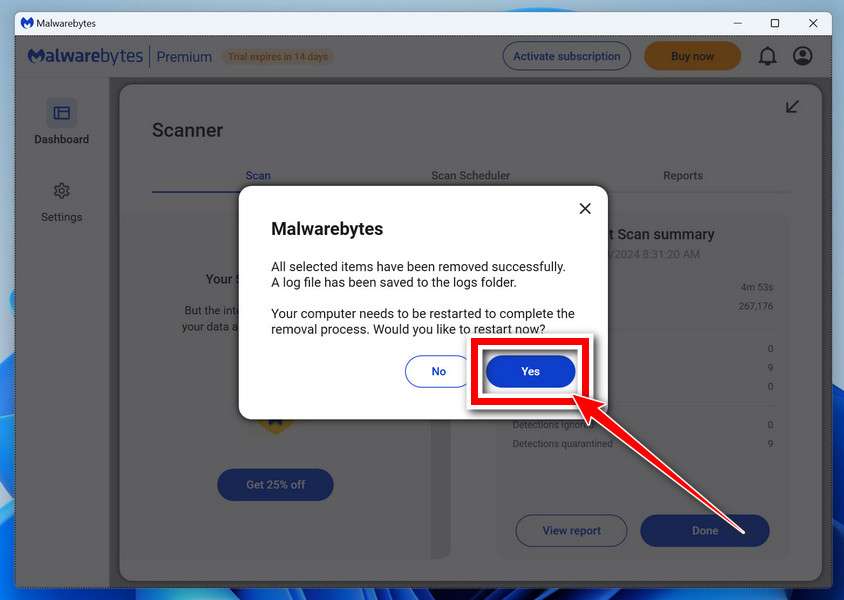
Restart your computer.
When removing files, Malwarebytes may require a reboot to fully eliminate some threats. If you see a message indicating that a reboot is needed, please allow it. Once your computer has restarted and you are logged back in, you can continue with the remaining steps.
Once the scan completes, remove all detected threats. Your Windows computer should now be clean and running smoothly again, free of trojans, adware, and other malware.
If your current antivirus allowed this malicious program on your computer, you may want to consider purchasing Malwarebytes Premium to protect against these types of threats in the future. If you are still having problems with your computer after completing these instructions, then please follow one of the steps:
Malwarebytes for Mac is an on-demand scanner that can destroy many types of malware that other software tends to miss without costing you absolutely anything. When it comes to cleaning up an infected device, Malwarebytes has always been free, and we recommend it as an essential tool in the fight against malware.
Download Malwarebytes for Mac.
You can download Malwarebytes for Mac by clicking the link below.
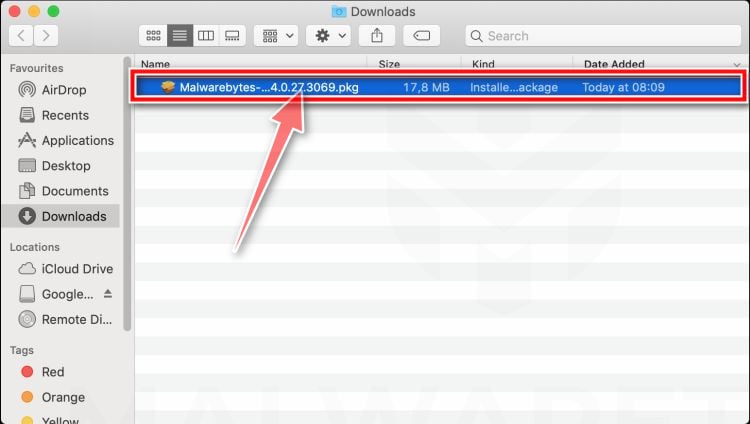
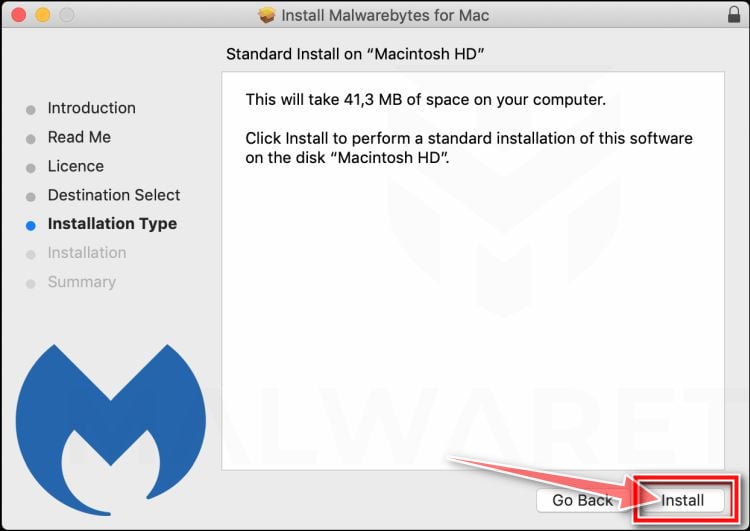
When Malwarebytes has finished downloading, double-click on the setup file to install Malwarebytes on your computer. In most cases, downloaded files are saved to the Downloads folder.
Follow the on-screen prompts to install Malwarebytes.
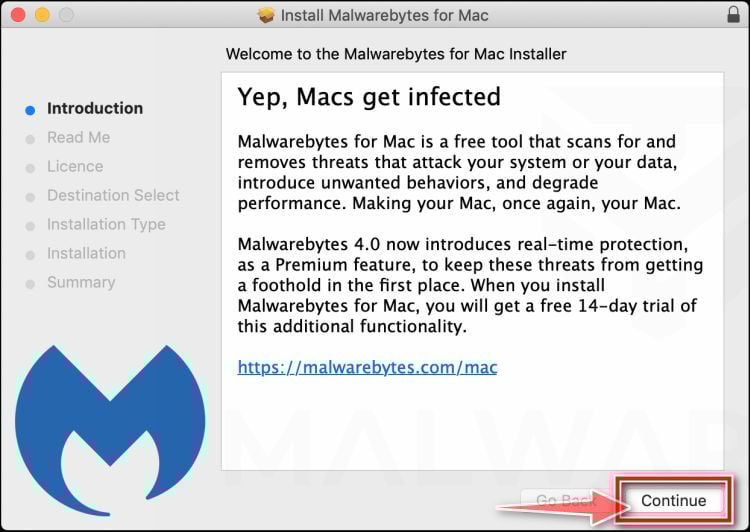
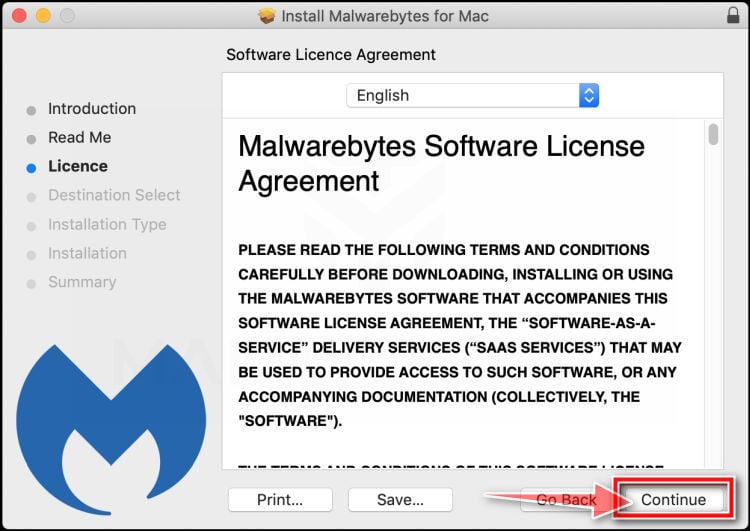
When the Malwarebytes installation begins, you will see the Malwarebytes for Mac Installer which will guide you through the installation process. Click “Continue“, then keep following the prompts to continue with the installation process.
When your Malwarebytes installation completes, the program opens to the Welcome to Malwarebytes screen. Click the “Get started” button.
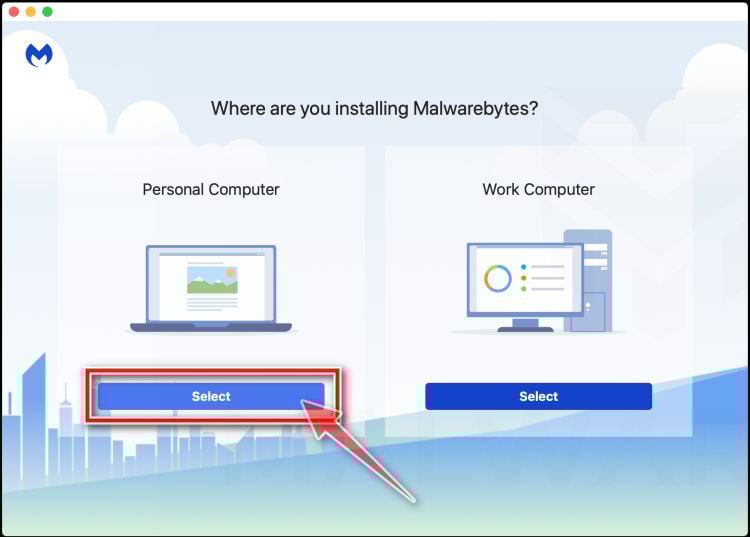
Select “Personal Computer” or “Work Computer”.
The Malwarebytes Welcome screen will first ask you what type of computer are you installing this program, click either Personal Computer or Work Computer.
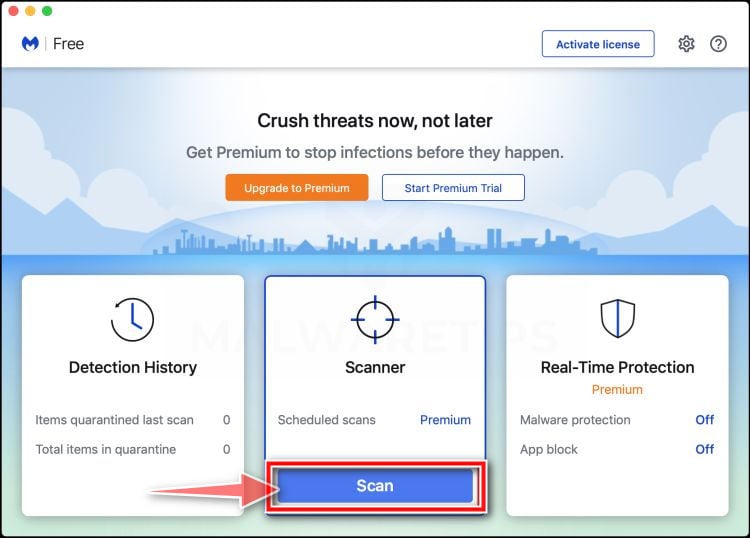
Click on “Scan”.
To scan your computer with Malwarebytes, click on the “Scan” button. Malwarebytes for Mac will automatically update the antivirus database and start scanning your computer for malware.
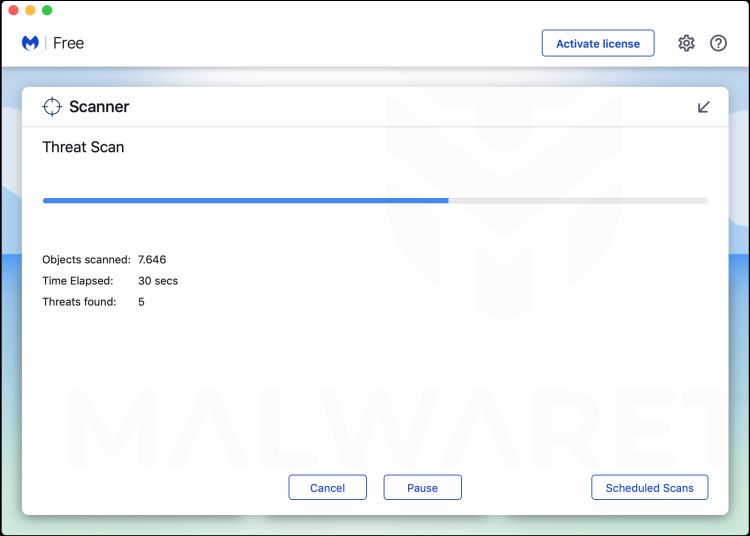
Wait for the Malwarebytes scan to complete.
Malwarebytes will scan your computer for adware, browser hijackers, and other malicious programs. This process can take a few minutes, so we suggest you do something else and periodically check on the status of the scan to see when it is finished.
Click on “Quarantine”.
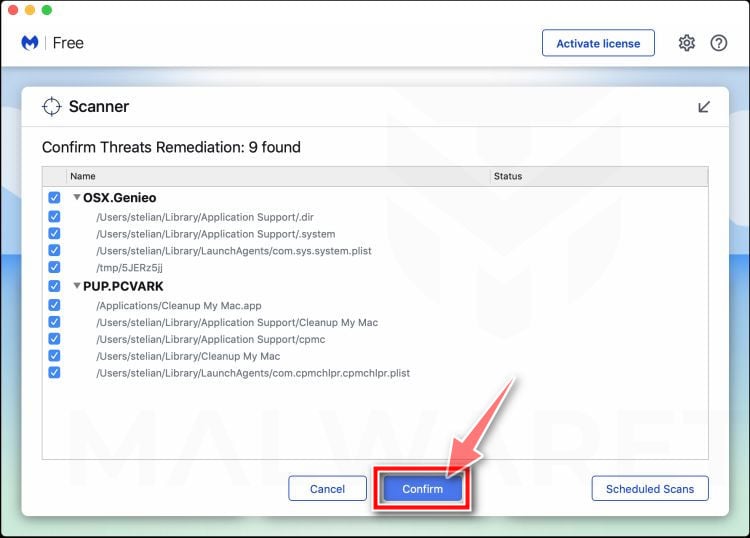
When the scan has been completed, you will be presented with a screen showing the malware infections that Malwarebytes has detected. To remove the malware that Malwarebytes has found, click on the “Quarantine” button.
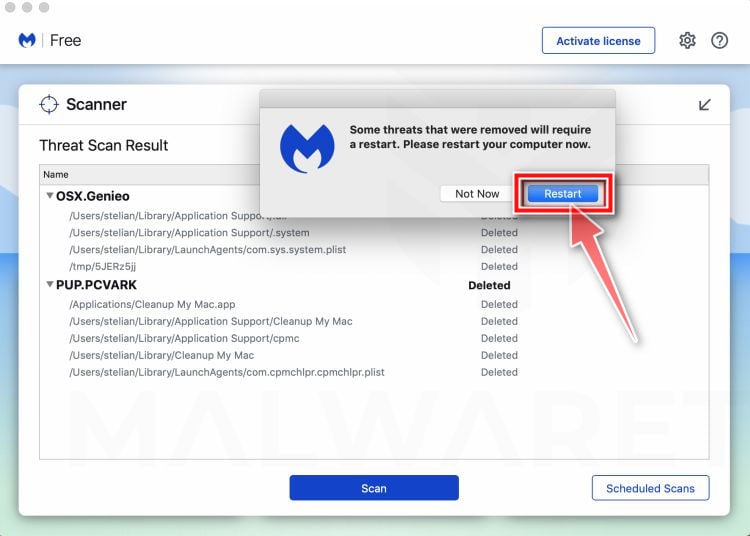
Restart computer.
Malwarebytes will now remove all the malicious files that it has found. To complete the malware removal process, Malwarebytes may ask you to restart your computer.
After scanning, delete any detected threats. Your Mac should now be free from adware, unwanted extensions, and other potentially harmful software.
If your current antivirus allowed a malicious program on your computer, you might want to consider purchasing the full-featured version of Malwarebytes Anti-Malware to protect against these types of threats in the future. If you are still experiencing problems while trying to remove a malicious program from your computer, please ask for help in our Mac Malware Removal Help & Support forum.
Run a Malware Scan with Malwarebytes for Android
Malwarebytes for Android automatically detects and removes dangerous threats like malware and ransomware so you don’t have to worry about your most-used device being compromised. Aggressive detection of adware and potentially unwanted programs keeps your Android phone or tablet running smooth.
Download Malwarebytes for Android.
You can download Malwarebytes for Android by clicking the link below.
In the Google Play Store, tap “Install” to install Malwarebytes for Android on your device.
When the installation process has finished, tap “Open” to begin using Malwarebytes for Android. You can also open Malwarebytes by tapping on its icon in your phone menu or home screen.
Follow the on-screen prompts to complete the setup process
When Malwarebytes will open, you will see the Malwarebytes Setup Wizard which will guide you through a series of permissions and other setup options. This is the first of two screens that explain the difference between the Premium and Free versions. Swipe this screen to continue. Tap on “Got it” to proceed to the next step. Malwarebytes for Android will now ask for a set of permissions that are required to scan your device and protect it from malware. Tap on “Give permission” to continue. Tap on “Allow” to permit Malwarebytes to access the files on your phone.
Update database and run a scan with Malwarebytes for Android
You will now be prompted to update the Malwarebytes database and run a full system scan.
Click on “Update database” to update the Malwarebytes for Android definitions to the latest version, then click on “Run full scan” to perform a system scan.
Wait for the Malwarebytes scan to complete.
Malwarebytes will now start scanning your phone for adware and other malicious apps. This process can take a few minutes, so we suggest you do something else and periodically check on the status of the scan to see when it is finished.
Click on “Remove Selected”.
When the scan has been completed, you will be presented with a screen showing the malware infections that Malwarebytes for Android has detected. To remove the malicious apps that Malwarebytes has found, tap on the “Remove Selected” button.
Restart your phone.
Malwarebytes for Android will now remove all the malicious apps that it has found. To complete the malware removal process, Malwarebytes may ask you to restart your device.
When the scan is finished, remove all detected threats. Your Android phone should now be free of malicious apps, adware, and unwanted browser redirects.
If your current antivirus allowed a malicious app on your phone, you may want to consider purchasing the full-featured version of Malwarebytes to protect against these types of threats in the future. If you are still having problems with your phone after completing these instructions, then please follow one of the steps:
Restore your phone to factory settings by going to Settings > General management > Reset > Factory data reset.
After cleaning your device, it’s important to protect it from future infections and annoying pop-ups. We recommend installing an ad blocker such as AdGuard. AdGuard blocks malicious ads, prevents phishing attempts, and stops dangerous redirects, helping you stay safe while browsing online.
The Bottom Line
Fake ETH farming websites are one of the most dangerous scams in today’s crypto landscape. They exploit trust, FOMO, and professional designs to trick victims into handing over control of their wallets. Once you connect and approve a malicious contract, scammers gain full access to your funds.
The key to protecting yourself is awareness and skepticism. If a platform promises unusually high returns or asks you to approve contracts without transparency, walk away. Always verify through trusted sources before connecting your wallet to any site.
For those who have fallen victim, revoking permissions and moving funds quickly can limit damage, but recovery is difficult. Sharing knowledge and spreading awareness remains the most powerful tool against these scams.
Thomas is an expert at uncovering scams and providing in-depth reporting on cyber threats and online fraud. As an editor, he is dedicated to keeping readers informed on the latest developments in cybersecurity and tech.