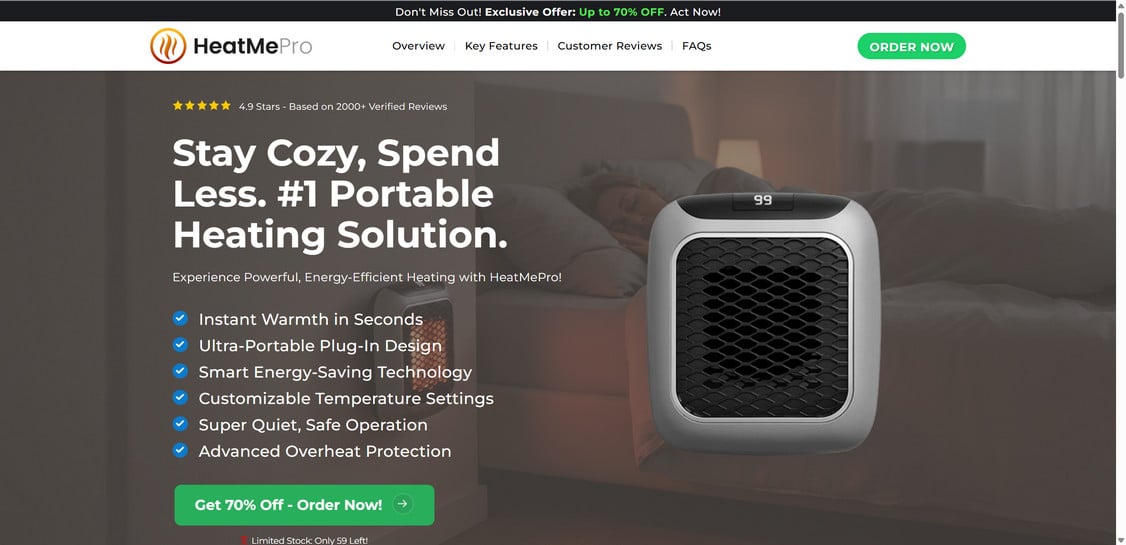
A tiny portable heater that claims to warm a room fast and cut your energy bill? That promise is everywhere right now, and HeatMePro Heater is one of the loudest names behind it.
The ads make it look like a simple, low-risk upgrade: plug it in, feel the heat, save money. But when you slow down and look closely at how this offer is being sold, a few details start to feel off, especially the way the brand appears, the way the claims are framed, and what you are not being told upfront.
Before you spend a cent, it’s worth seeing what HeatMePro Heater is really offering, how the marketing pulls people in, and the red flags that shoppers keep missing until after they click “Buy.”
Overview
The HeatMePro Heater is the latest incarnation of a false advertising scheme promoting cheap $3 portable heaters imported from China as revolutionary heating innovations. The scammers behind this bait-and-switch are continuously rebranding the same ineffective products, previously marketed as EcoHeat, Hot Amigo, Life Heater, Warmool Heater, Cosmo Heater, and now Top Heat Heater.
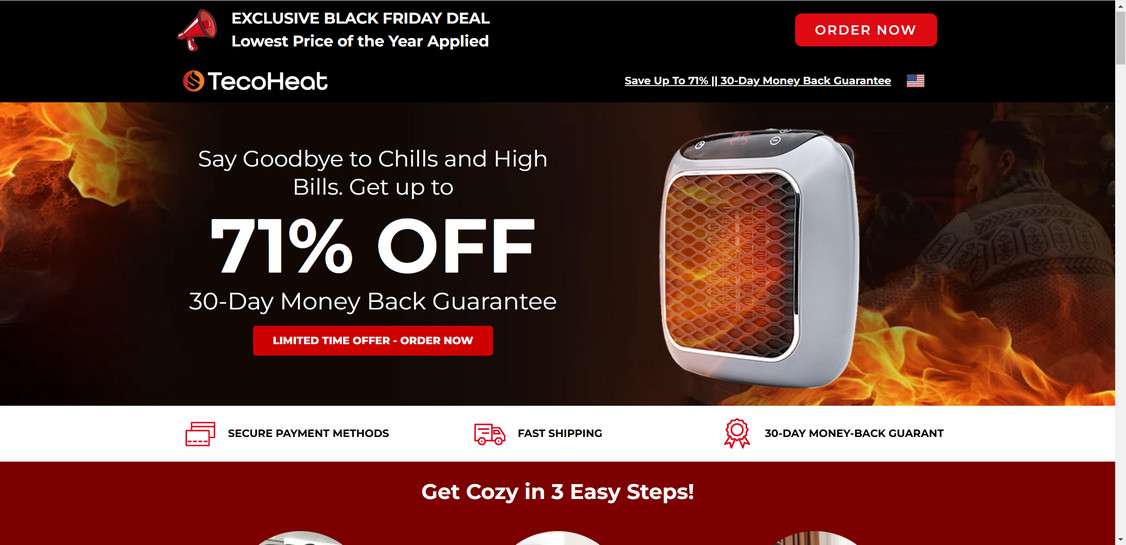
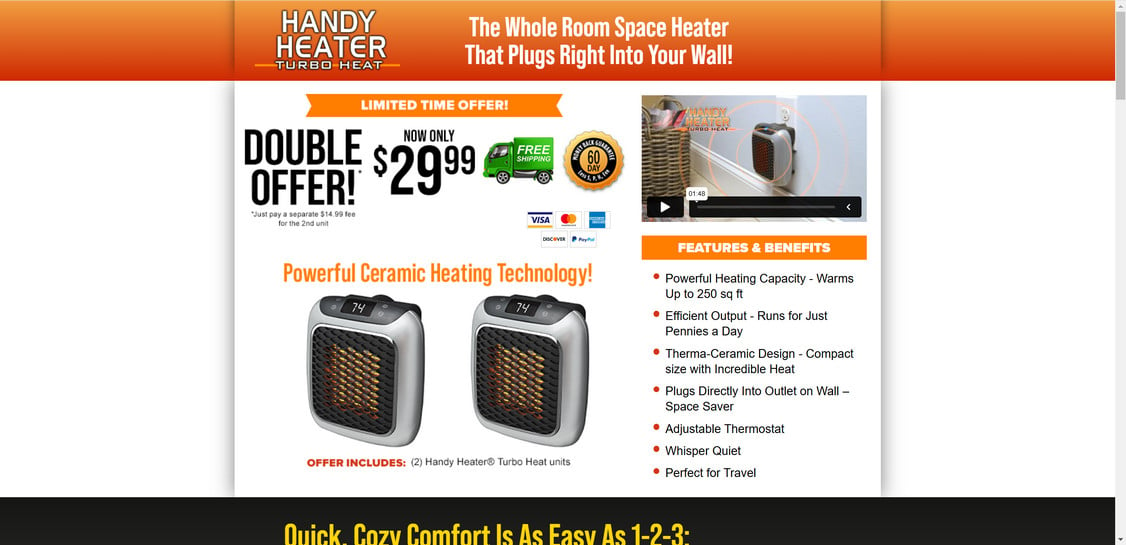
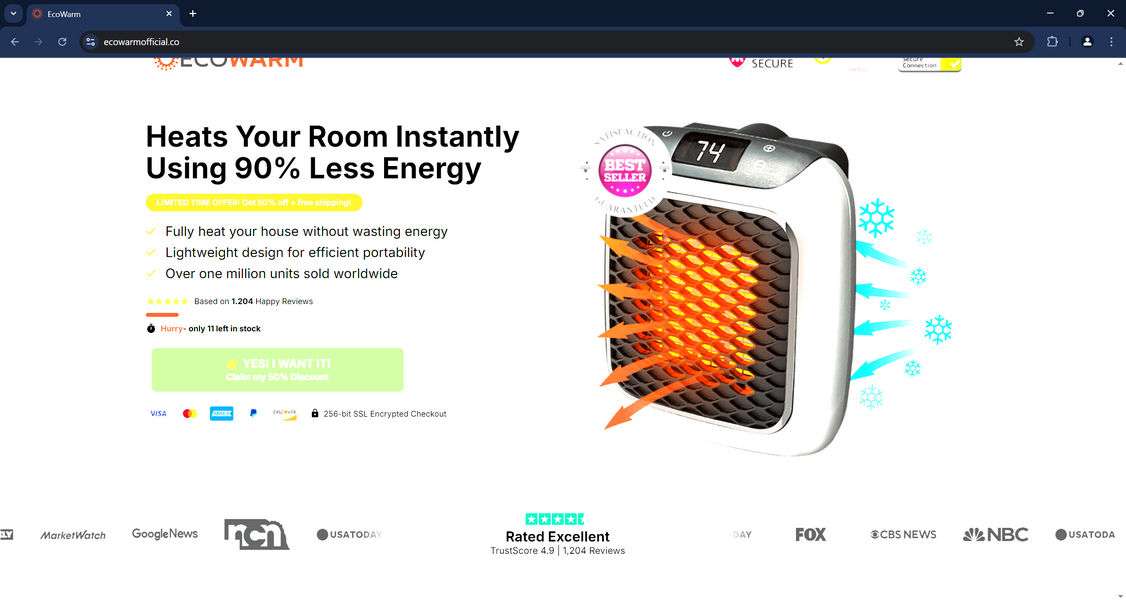
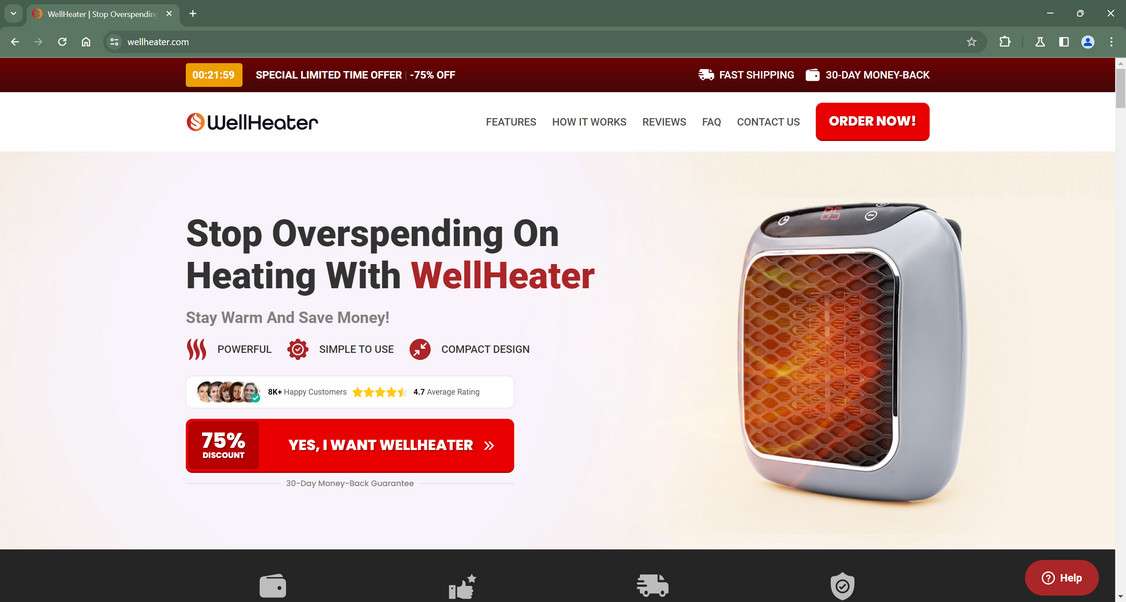
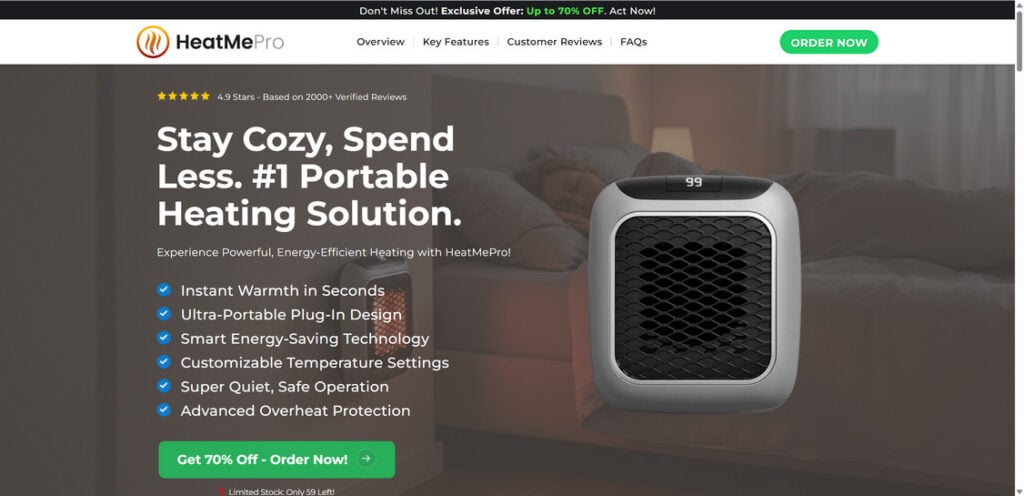
These anonymous scammers rely on viral Facebook, Instagram, YouTube ads and spam emails making unbelievable claims about HeatMePro Heater performance. Some examples of the exaggerated claims are instantly heating rooms from top to bottom in 2 minutes, slashing energy bills by 30%, advanced safety protections, fully adjustable heating, and thousands of positive reviews.
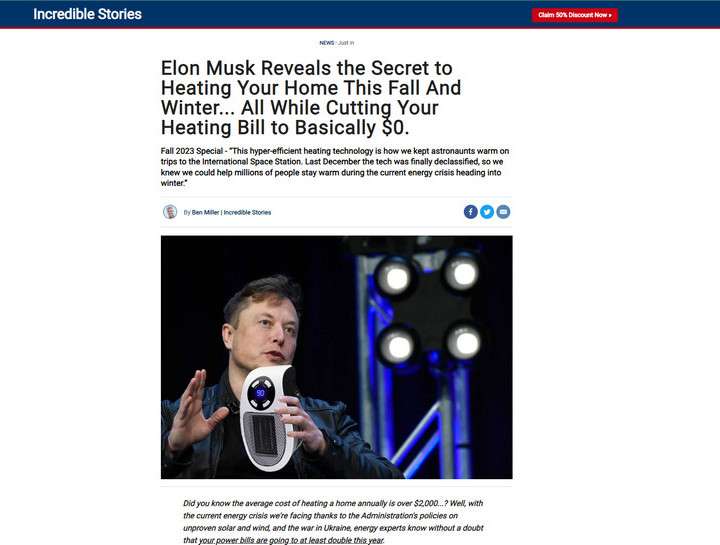
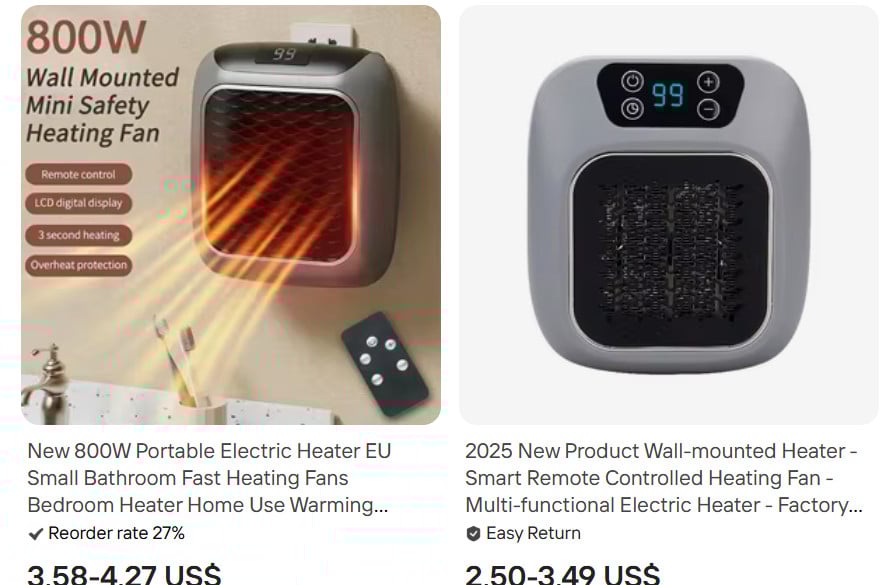
However, the actual $3 units shipped out after purchase are low-quality generic heaters bought in bulk from Alibaba and other Chinese exporters. These mass-produced heaters fail catastrophically to deliver the promised rapid heating, energy savings or performance capabilities.
The bait-and-switch scam banks on using fake reviews, misleading terminology and a sense of urgency to generate impulse purchases before skeptical buyers can thoroughly research the shady pop-up companies behind the ads.
After payments are extracted, refunds are notoriously difficult or impossible to obtain. The anonymous scammers work aggressively to bury negative reviews and feedback exposing the true underperformance of these units.
They routinely ignore refund requests and complaints, providing absolutely no way to contact them after purchase. These shady tactics are designed to limit the truth about the scam coming to light, while keeping the fraudulent marketing campaign going. Legitimate businesses that stand behind their products do not operate like this.
In summary, the HeatMePro Heater operation relies on greatly exaggerating the capabilities of cheap $3 heaters sourced from China in order to massively overcharge consumers. The misleading marketing bears no resemblance to the actual disappointing products shipped out.
How the HeatMePro Heater Dropshipping Operation Works
HeatMePro Heater is best understood as a dropshipping funnel, not a true “breakthrough heater” brand. The operation runs on aggressive ads, high-pressure checkout tactics, and fulfillment through ultra-cheap, mass-produced plug-in heaters sourced from China.
Step 1: Run exaggerated ads that sell a “miracle” story
The campaign starts with viral-style advertising built around big, simple promises: fast whole-room heat, major energy savings, and “advanced” features.
The claims are framed to feel urgent and obvious, so people buy before comparing specs, reading real reviews, or checking who actually runs the store.
Step 2: Push buyers into bundles and higher quantities at checkout
The checkout flow often nudges shoppers toward multi-unit deals (2-pack, 3-pack, “best value” bundles), sometimes with heavy discounts and scarcity messaging.
This is where order totals jump quickly, even if the buyer originally wanted a single heater.
Step 3: Ship a cheap “personal heater” that does not match the ad expectations
After purchase, the product that arrives is commonly the same style of small plug-in personal heater widely sold on Chinese wholesale marketplaces for around $3 to $4 per unit.
That matters because the performance people expect from the ads (whole-room heat, rapid results, dramatic bill savings) is not realistic for a tiny, low-wattage personal heater. The gap between the marketing and real-world use is the core of the bait-and-switch experience.
Step 4: Create confusion with quantities and charges
A recurring complaint in these heater funnels is order inconsistency.
Some buyers report ordering one unit, but later seeing they were charged for two or more, or receiving multiple units they did not intend to purchase (commonly 2 to 4). This can happen through confusing bundle pages, preselected options, or unclear cart steps that are easy to miss on mobile.
Step 5: Make returns “possible” on paper but impractical in reality
When customers try to return the product, the process often becomes expensive and slow.
Many are told they must ship the item back to China, which can cost more than the product itself and requires customs paperwork, long transit times, and tracking issues. In practice, that turns “returns accepted” into “returns are not worth it,” which is exactly what these operations rely on.
Step 6: Keep the scheme alive by rotating brand names and domains
Once complaints stack up, the operation can reset by launching the same promo under a new name, new site, and new ads.
That makes it harder for shoppers to connect past warnings to the current campaign, even when the product and tactics look familiar.
What to Do If You Bought HeatMePro Heater
If you already placed an order, focus on two goals: stop additional charges and create a clean paper trail so you can dispute the purchase if needed.
1. Save evidence immediately
Before anything changes, collect:
- screenshots of the product page, pricing, and claims you relied on
- screenshots of your cart (quantity, bundles, total) and checkout confirmation
- the order confirmation email and any shipping emails
- the ad you clicked (if you can still access it)
If the item arrives, also take:
- photos of the box, shipping label, and tracking details
- photos of the product, wattage label, manual, and accessories
This documentation is what makes chargebacks and disputes easier.
2. Confirm what you were actually charged for
Check your payment method and confirm:
- total amount charged
- number of units billed
- any separate “protection,” “warranty,” or add-on charges
- whether there are multiple pending transactions
If you ordered 1 unit but see 2 to 4 units charged, treat it as an urgent billing dispute.
3. Contact the seller in writing (and keep it short)
Send one direct message requesting one of the following:
- cancellation (if it has not shipped), or
- refund/return authorization (if it shipped or arrived), or
- correction of quantity/total if you were charged for more than you intended
Keep it factual. Do not argue. Ask for a written confirmation and a case number. Save every reply.
4. Do not accept “loops” or stalling tactics
If support replies with vague steps, delays, or repeated requests for the same information, that is a sign to stop negotiating and move to a payment dispute. You are not required to wait indefinitely.
5. If the package has not shipped, try to cancel fast
Many of these operations mark orders as “processing” quickly. Still:
- request cancellation immediately
- ask for written confirmation that the order is canceled and will not ship
- ask for a refund timeline
If they refuse to cancel while it is clearly unshipped, that strengthens your dispute.
6. If it arrived and you want a refund, be careful with return requirements
If they require return shipping to China, calculate the real cost before agreeing. If return shipping costs more than the item, or if the address/process is unclear, you can still pursue a dispute for “not as described” or “misleading advertising,” depending on your payment provider’s rules.
Do not ship anything back without:
- a clear return address
- written authorization (RMA or ticket)
- a deadline in writing
- tracking requirements confirmed
7. Contact your bank or payment provider early
If any of the following are true, escalate quickly:
- you were charged for extra units you did not intend to buy
- the product is materially different from what was advertised
- the seller refuses a refund or makes it impractical
- you cannot reach support or you only get scripted replies
Ask your provider about a dispute/chargeback reason such as:
- incorrect amount or quantity
- goods not as described
- merchant dispute or misleading advertising
- unauthorized add-ons
Deadlines apply, so do not wait.
8. Watch for hidden subscriptions or repeat billing
Check your statement for:
- recurring charges
- a different merchant name than the one you expected
- follow-up charges days later
If you see repeat billing:
- request a merchant block from your bank
- consider replacing the card number
9. If you used PayPal, open a dispute there too
If you paid via PayPal, open a dispute inside PayPal first, then escalate if the seller does not resolve it. Keep everything within the platform when possible.
10. Report the ads to help stop the spread
Report the ad on the platform you saw it on (Facebook, Instagram, YouTube, etc.). If you are in the US, you can also report deceptive advertising to the FTC. This will not guarantee a refund, but it helps reduce reach and creates a record.
How to Spot This Kind of Heater Scam in the Future
These “miracle heater” promos tend to follow the same pattern. If you learn the signals, you can spot them in under a minute, even when the brand name changes.
1. The promise is too clean and too big
Be cautious when an ad claims all of this at once:
- heats an entire room very fast
- cuts energy bills by a specific percent
- uses “revolutionary” or “breakthrough” tech
- works for almost any home, instantly, with no trade-offs
Real heating products have limits: room size, insulation, wattage, airflow, and realistic warm-up times. Scam promos talk like physics does not apply.
2. The product looks tiny but claims whole-room performance
If the device is a small plug-in unit and the marketing implies full-room heating, that mismatch is a major red flag.
Quick check: look for wattage. Legit listings usually show it clearly. If wattage is hidden, vague, or inconsistent across pages, assume the claims are inflated.
3. The seller is anonymous or hard to verify
Before buying, try to confirm:
- real company name (not just a brand name)
- a physical address that matches the business
- a working support email and phone
- a clear “About” page with ownership details
If the site feels like a one-page checkout funnel with no real identity behind it, treat it as high risk.
4. The return policy is technically “allowed” but designed to fail
This is one of the biggest tells. Watch for:
- overseas return addresses (often China)
- vague conditions like “must be unused,” “original packaging,” or short windows
- requiring approval before returns, then making approval difficult
- no clear refund timeline
If returning it would cost too much, take too long, or require unclear steps, the policy is not consumer-friendly.
5. The checkout pushes bundles, upsells, and quantity tricks
High-risk funnels often:
- default to multi-unit bundles
- use “best value” tiles that change quantity with one tap
- add protection plans or add-ons you did not ask for
- make the final quantity easy to miss on mobile
Always check the cart line item quantity before paying. If the checkout feels pushy or confusing, exit.
6. “As seen on” badges and perfect reviews with no proof
Be skeptical of:
- “As seen on” logos without real links or citations
- hundreds of five-star reviews that sound generic
- testimonials with stock-photo vibes
- claims like “10,000+ satisfied customers” on a brand-new domain
If the only praise exists on the seller’s site, it is not strong evidence.
7. The domain and brand look disposable
Common signs:
- the domain is new or the brand has no history
- the same product appears under multiple names
- the site has multiple “official” pages depending on where you click from
- inconsistent company names across checkout, emails, and billing
If the identity feels fluid, it is usually because they are ready to rotate names when complaints increase.
8. Images match cheap wholesale listings
A fast check that often works:
- search the product photo on Google Lens or reverse image search
- search key phrases from the listing (“350W plug-in heater remote” style wording)
If you find the same heater on wholesale sites for a few dollars, you are likely looking at a dropshipping markup campaign.
9. Payment and billing clues
If the merchant name on checkout or later on your statement:
- does not match the brand name
- looks random or unrelated
- changes between stages
That is a common sign you are not dealing with a stable retail business.
A simple pre-buy checklist
Before buying any viral heater:
- Find wattage, dimensions, and a real manufacturer name
- Read the return address and return shipping responsibility
- Search the brand + “reviews” + “refund” + “complaints”
- Reverse image search the product photos
- Use a credit card (better dispute protections than debit)
Conclusion
HeatMePro Heater is best viewed as a dropshipping-style heater promotion, not a legitimate heating brand built on verifiable performance. The marketing leans heavily on viral ads, big promises, and urgency, while the product that shows up for many buyers is a small plug-in personal heater that often underperforms compared to the expectations set by the ads.
The biggest risk is not just disappointment. It is the post-purchase experience: confusing quantity/bundle flows, reports of being charged for multiple units, and a return process that can become effectively impossible when the seller requires international shipping back to China at the buyer’s expense. If you are considering HeatMePro Heater, treat it like any other high-risk impulse-buy funnel: verify who you are buying from, read the return terms carefully, and assume the claims in the ads are marketing, not proof.
If you already ordered, focus on damage control: document everything, watch your statements, cancel any related subscriptions, and dispute charges quickly if the order total or quantity is not what you intended.
FAQ
Is HeatMePro Heater legit?
HeatMePro Heater is commonly promoted through a sales funnel that matches dropshipping operations: aggressive ads, dramatic claims, limited transparency about the seller, and a checkout designed to maximize conversions and order size. That combination is a major red flag. If you cannot verify the company behind the offer (real business identity, support, clear policies), treat it as high risk.
Is HeatMePro Heater a dropshipping operation?
Many buyers and scam-watchdog reports describe it like a dropshipping campaign: a storefront that markets a “revolutionary” heater, then fulfills orders through overseas suppliers. Similar plug-in personal heaters appear on wholesale marketplaces for only a few dollars, which explains how these campaigns can advertise huge “discounts” while still making profit.
What product do people actually receive?
Reports frequently describe a small plug-in personal heater, not a powerful whole-room heating solution. These devices can provide localized warmth in a small area, but they are often not capable of delivering the dramatic “heats the room fast” expectations created by the ads.
Can a tiny plug-in heater really heat an entire room quickly?
In most real-world situations, no. Whole-room heating depends on wattage, airflow, room size, insulation, and ambient temperature. Small plug-in heaters are typically better suited for personal comfort in close proximity, not fast top-to-bottom heating of large spaces.
Why do the ads promise huge energy savings?
“Save 30% on bills” style claims are common in viral product funnels because they are easy to understand and highly motivating. In reality, energy costs are driven by wattage and usage time. Any heater that produces meaningful heat uses meaningful power, and savings claims should be backed by clear test conditions. These promotions rarely provide that.
Are the reviews and testimonials on the HeatMePro Heater site reliable?
Be skeptical. Dropshipping funnels often use testimonials that are difficult to verify, along with stock-style photos and generic five-star language. A reliable review profile usually includes a mix of pros and cons, detailed usage context, and consistent presence across independent platforms.
Why do customers say returns are “impossible”?
A common issue is the return destination and requirements. Some buyers report being told to ship returns to China, which can be expensive, slow, and complicated. When return shipping costs more than the product, “returns accepted” becomes “returns not practical,” which effectively blocks refunds.
Does the company require you to ship the heater back to China?
Many complaints about similar heater promos describe exactly that. Always check the return policy for the actual return address, required authorization steps, and deadlines. If the policy is vague or the address is overseas with strict conditions, assume the return will be difficult.
I ordered one heater but was charged for two (or more). How can that happen?
This is a frequent complaint with bundle-optimized checkouts. It can happen when:
- a multi-unit bundle is preselected by default
- “buy more, save more” tiles change quantities with one tap
- the cart updates automatically after an upsell screen
- the final confirmation page shows a different quantity than expected, especially on mobile
If this happened to you, take screenshots of your order confirmation, cart, and any emails showing the quantity and total.
What should I do if I was charged for extra units I did not intend to buy?
- Contact the seller immediately and request a written correction or cancellation.
- Save all evidence: order confirmation page, emails, bank/card pending transaction, and screenshots of the checkout flow if you still have it.
- Notify your card issuer as soon as the charge posts if the seller refuses to fix it. Ask about a dispute for “incorrect amount” or “goods not as described.”
- If you used PayPal or a similar processor, open a dispute there as well.
What if the package arrives and it is not what the ad implied?
Document everything before you do anything else:
- photos of the box, label, and product
- photos of the wattage label and any included manual
- screenshots of the ad claims and the product page you bought from
Then request a refund in writing and keep communication in email or support ticket form so you have a record.
How long does shipping usually take?
Dropshipping fulfillment can take longer than typical domestic retail. Delivery timelines vary widely, especially if the product ships internationally. If the store did not clearly disclose shipping origin and timelines before checkout, that is another transparency red flag.
Is HeatMePro Heater safe to use?
Any plug-in heater can pose risks if it is poorly made, used improperly, or plugged into overloaded outlets. If you received a unit:
- do not use it unattended
- avoid power strips and extension cords unless the manufacturer explicitly allows them
- keep it away from curtains, bedding, and flammables
- stop using it if you notice odor, overheating, flickering, or unusual noise
If the product lacks credible safety documentation or clear manufacturer identification, treat it cautiously.
How can I get my money back if the seller ignores me?
Your best option is usually your payment provider:
- Credit card: request a chargeback for “not as described,” “incorrect quantity,” or “merchant dispute.”
- Debit card: disputes are possible, but timelines can be tighter.
- PayPal: open a dispute promptly and escalate if needed.
Move quickly. Many dispute processes have deadlines.
Should I cancel my card?
If you entered card details on a site you no longer trust, or if you see unexpected charges, ask your bank about:
- blocking the merchant
- issuing a new card number
- placing extra monitoring on the account
If you see repeated attempts or subscriptions you did not authorize, replacement is often the cleanest fix.
How do I spot similar “miracle heater” scams in the future?
Watch for these patterns:
- huge discounts paired with dramatic performance claims
- a brand with little history and no verifiable company information
- pressure language like “today only” or “limited stock”
- unclear return address or overseas-only returns
- bundles and upsells that make the final total jump
- lots of perfect reviews but no credible independent coverage
Where can I report the HeatMePro Heater operation?
You can report the ads on the platform where you saw them, and you can file consumer complaints with your national consumer protection agency. In the US, that includes the