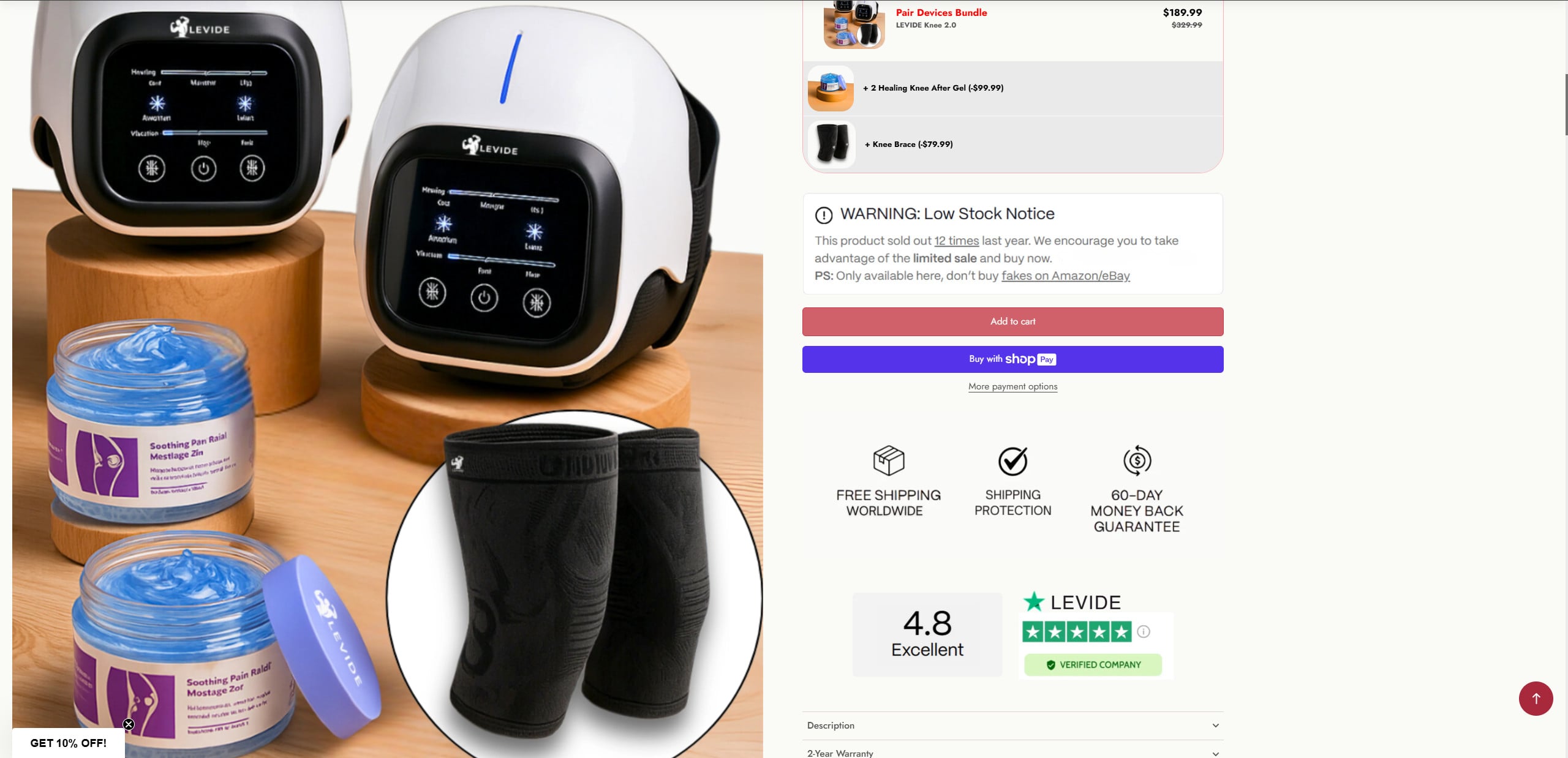
If you’re someone struggling with chronic knee pain, chances are you’ve come across online ads promising instant relief with innovative devices. Among the most aggressively marketed is the Levide Knee Massager, specifically the “Levide Knee Companion 2.0.” This device claims to relieve knee pain dramatically—by up to 47% within just 7 days—using red light therapy, vibration, and heat. But as alluring as these promises sound, are they actually backed by solid science and genuine user experiences, or is this another case of marketing hype over substance?
In this comprehensive article, we’ll thoroughly dissect the Levide Knee Massager, exposing what’s real, what’s exaggerated, and how the entire operation behind this product actually works. We’ll also outline clear steps you can take if you find yourself a victim of misleading marketing.
Overview of the Levide Knee Massager
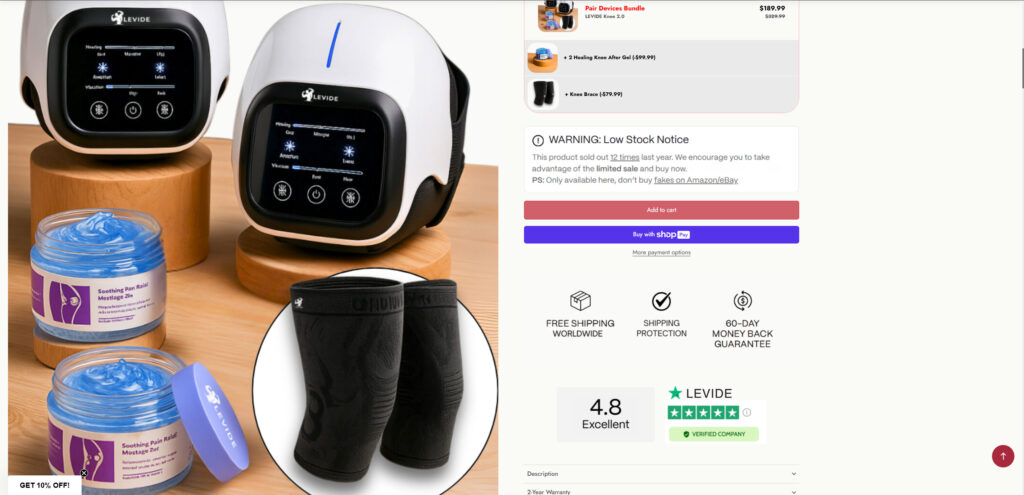
The Levide Knee Massager, particularly the “Knee Companion 2.0,” is presented online as a revolutionary solution for knee pain relief. Its marketing revolves around three primary technologies:
- Red Light Therapy: Allegedly increases cellular regeneration, reduces inflammation, and promotes healing.
- Vibration Therapy: Said to loosen tight muscles and improve circulation, reducing stiffness and pain.
- Heat Therapy: Claimed to soothe muscles, enhance flexibility, and relieve pain.
Levide’s marketing suggests these technologies, when combined, offer powerful, rapid pain relief and improved knee function. Their promotional materials emphasize significant improvements within days, making bold claims such as a “47% reduction in knee pain and stiffness in just 7 days.”
However, when diving deeper, several inconsistencies and problematic aspects quickly emerge. One of the most alarming issues is the complete lack of credible scientific backing provided by Levide. Usually, products making such definitive claims would reference legitimate clinical studies or medical trials, but Levide offers no peer-reviewed research or even reputable studies to substantiate its claims.
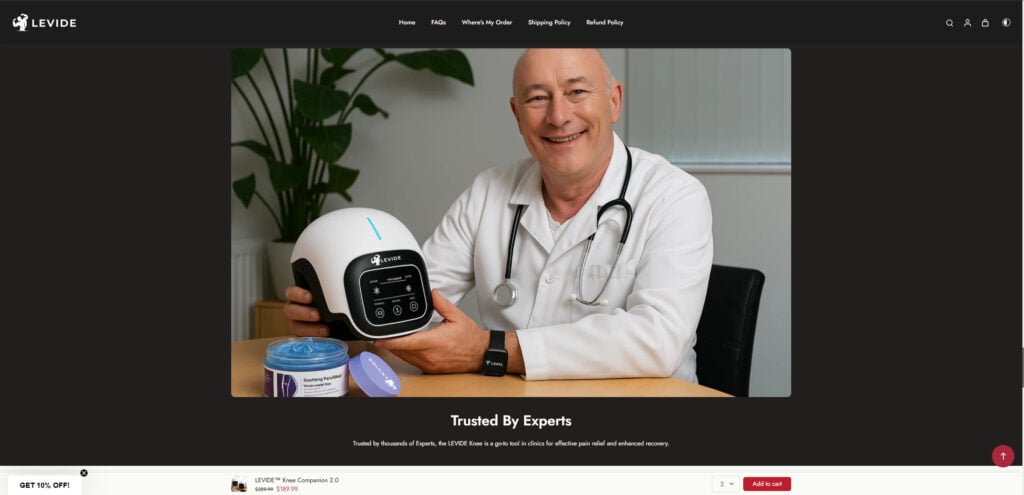
The website heavily promotes the product using flashy images, videos, and supposed testimonials from satisfied customers. But a closer examination reveals these visuals to be largely AI-generated or sourced from third-party stock footage rather than genuine user-generated content. Advanced image-detection tools have confirmed a 99% probability that these promotional images are artificially generated, casting severe doubt on the authenticity of user experiences shown.
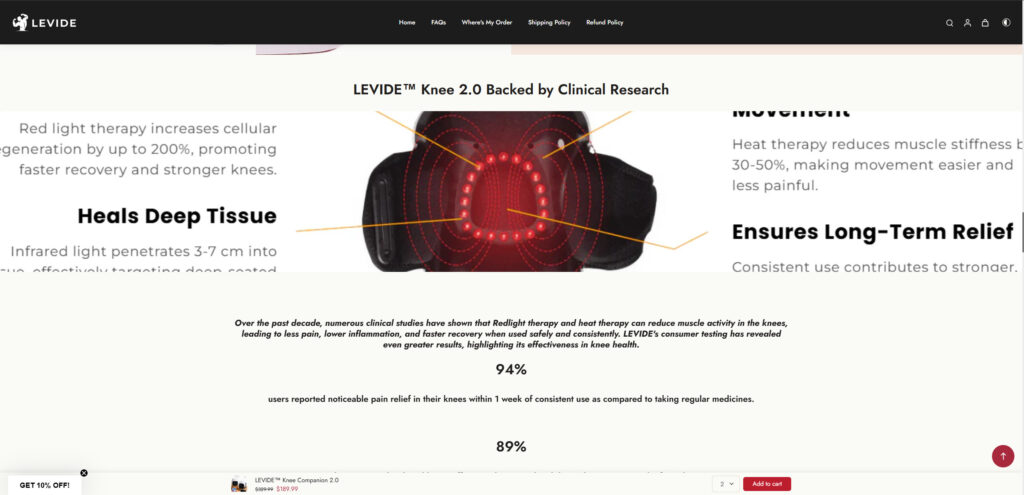
Furthermore, Levide’s website proudly claims “over 15,000 satisfied customers,” yet no genuine reviews or substantial user feedback exist on reputable third-party platforms like Trustpilot, Amazon, or Reddit. Such a discrepancy strongly suggests these customer numbers might be fabricated or inflated.
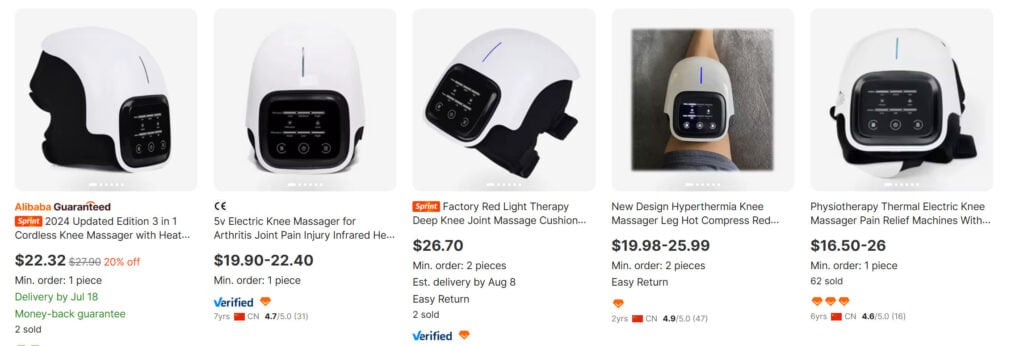
Another glaring issue is price discrepancy and product sourcing. The Levide Knee Massager is priced between $130 and $190 on the official Levide website. However, identical or strikingly similar massagers are readily available on wholesale platforms such as Alibaba for prices ranging between $20-$30. This massive markup indicates that Levide operates a dropshipping business model, essentially repackaging and reselling cheaply produced devices under their brand at highly inflated prices.
While red light therapy, heat, and vibration individually have shown promise in scientific literature for temporary relief of certain muscular and joint conditions, Levide’s claims go far beyond what any reputable source would assert. Actual benefits from such devices, according to medical professionals, tend to be modest and temporary rather than dramatically transformative.
Medical consensus strongly advises patients not to rely solely on these types of devices for serious chronic conditions like arthritis, tendon injuries, or degenerative joint issues. While they might provide temporary symptomatic relief, they are not substitutes for medical treatment, physical therapy, or necessary surgical interventions.
Ultimately, the Levide Knee Massager, although based on legitimate technologies, seems to be a classic case of exaggerated marketing. The inflated claims, artificially generated promotional content, and massive markups raise significant concerns about the legitimacy and integrity of Levide as a company.
How the Levide Knee Massager Operation Works
To fully understand how consumers end up buying an overpriced device with questionable effectiveness, let’s break down the entire process:
Step 1: Aggressive Online Marketing Campaigns
Levide invests heavily in Facebook, Instagram, YouTube, and Google ads targeting people searching for knee pain solutions. These ads highlight rapid relief and seemingly groundbreaking results.
Step 2: Use of Bold and Unsubstantiated Claims
Their marketing prominently features highly specific yet unsupported claims—such as a “47% reduction in knee pain within a week.” Such precise statistics, without clinical citations, mislead consumers into believing the device is medically proven and reliable.
Step 3: AI-Generated Visuals & Misleading Testimonials
Levide utilizes AI-generated images of users supposedly benefiting from the device. They also post video testimonials which are frequently lifted from unrelated products or even stock footage, edited to suggest satisfaction with their own device.
Step 4: Inflated Pricing and Artificial Discounts
Initially, Levide sets artificially high prices (often over $300), then significantly reduces these prices in supposed limited-time sales. This tactic creates urgency, making consumers believe they’re getting a premium product at a discount, when in reality, they’re paying many times the actual wholesale cost.
Step 5: Dropshipping Business Model
Upon receiving an order, Levide doesn’t directly produce or stock the device. Instead, they forward the order to a third-party supplier, typically located in China. This third-party supplier ships the product directly to the consumer. This model allows Levide to avoid inventory, quality control, and direct accountability.
Step 6: Poor Customer Service and Difficult Returns
Customers frequently complain about long shipping times, low-quality products arriving damaged, and challenging return policies. When customers attempt returns, they’re typically instructed to ship items back to overseas locations, incurring high shipping fees and complex processes, often leading to frustration and abandoned returns.
Step 7: Rebranding and Relaunching
Once negative reviews accumulate or their marketing tactics are exposed, companies like Levide simply rebrand under different names or website domains, selling the same generic products to new unaware consumers.
What to Do if You Have Fallen Victim to Levide’s Misleading Marketing
If you’ve purchased a Levide Knee Massager and feel misled, here are clear steps you should follow:
- Contact Your Bank or Credit Card Company
Immediately dispute the charge. Clearly state the device did not deliver as promised and was misrepresented through deceptive marketing. - File Formal Complaints
Report your experience to consumer protection organizations like the Federal Trade Commission (FTC), Better Business Bureau (BBB), or your local consumer affairs office. - Document All Communication
Keep all correspondence with Levide, including screenshots of ads, emails, transaction receipts, and any communication attempts. - Post Reviews and Warn Others
Write honest reviews on platforms like Trustpilot, Reddit, social media, or online forums. Sharing your experience helps warn others. - Avoid Further Communication with Levide
Once you’ve initiated a dispute with your bank or credit card provider, avoid further direct interactions with Levide, as they may attempt to delay or prevent refunds.
Frequently Asked Questions About the Levide Knee Massager
What is the Levide Knee Massager?
The Levide Knee Massager, specifically the Levide Knee Companion 2.0, is advertised as a wearable device that uses red light therapy, heat, and vibration to relieve knee pain, stiffness, and inflammation. While the technologies individually can offer temporary symptom relief, the massager’s bold claims about significant and rapid pain reduction are exaggerated and not medically verified.
Does the Levide Knee Massager really reduce knee pain?
It may provide temporary relief due to its heat and vibration features, which can soothe muscles and improve circulation temporarily. However, it does not offer lasting relief or address the underlying causes of knee pain, such as arthritis or injuries, as claimed in its advertisements.
Is there scientific evidence backing Levide’s claims?
No. Levide’s website makes specific claims, like reducing knee pain by 47% in 7 days, but provides no peer-reviewed studies or scientific research to substantiate these claims. Real therapeutic benefits of similar devices are typically modest, temporary, and not guaranteed.
Are Levide’s customer testimonials genuine?
Many customer images and video reviews shown on Levide’s website are likely AI-generated or sourced from unrelated products and generic stock footage. Independent verification platforms such as Trustpilot and Reddit show no real reviews from genuine buyers, raising serious credibility concerns.
Why is the Levide Massager so expensive compared to similar products?
Levide marks up their products significantly. Similar knee massagers can be found on wholesale platforms like Alibaba for approximately $20 to $30. Levide’s pricing strategy often involves inflating initial prices and then offering large artificial discounts, creating urgency and perceived value.
Is Levide Knee Massager FDA-approved?
No. The Levide Knee Massager has not been FDA-approved as a medical device. Always consult your healthcare provider for clinically approved treatments for knee pain.
How does Levide’s dropshipping model work?
Levide operates by dropshipping—this means they don’t manufacture or store products themselves. When an order is placed, Levide forwards the purchase details to third-party suppliers, typically based in China, who ship the product directly to the customer. This often results in extended shipping times and inconsistent product quality.
Can I get a refund from Levide if I’m not satisfied?
Levide advertises a 60-day money-back guarantee, but customers report difficulty receiving refunds due to complicated return processes, shipping costs to overseas addresses, and limited customer service responsiveness. Always document your attempts to return or communicate clearly if you seek refunds.
What should I do if I’ve purchased Levide and feel misled?
If you suspect misleading marketing or have received an unsatisfactory product:
- Immediately contact your bank or credit card provider to dispute the charge.
- File complaints with consumer protection agencies (e.g., FTC, BBB).
- Share your experience through online reviews and forums to alert others.
- Avoid direct negotiations with Levide that may delay refunds or resolutions.
Should I trust similar products advertised online?
Always be skeptical of products promising quick, significant medical results without clear scientific backing. Consult trusted healthcare professionals and verify claims through reliable third-party reviews before making purchases for health-related issues.
The Bottom Line
The Levide Knee Massager is not inherently fraudulent, as devices using heat, vibration, and red light therapy can provide temporary knee pain relief. However, Levide’s aggressive marketing tactics, exaggerated claims, use of AI-generated promotional content, inflated pricing, and misleading business practices strongly indicate it’s primarily a profit-driven dropshipping operation.
While the product might offer minor symptomatic benefits, consumers should approach Levide’s promises with caution and skepticism. For serious or chronic knee conditions, always consult a healthcare professional to ensure you receive proper medical guidance and treatment instead of relying solely on flashy but dubious online products.