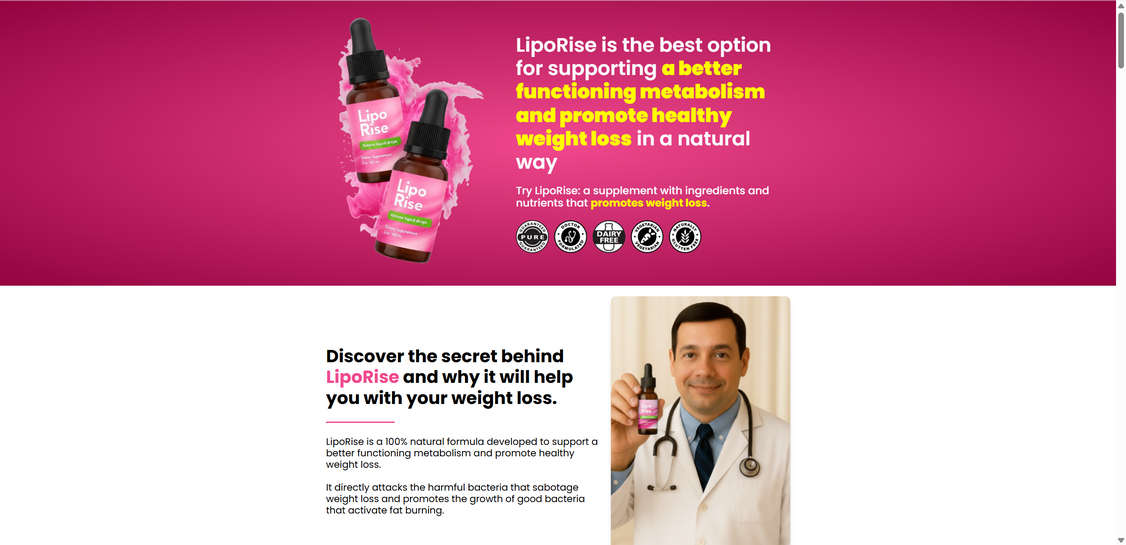
Affiliate marketers are aggressively pushing LipoRise Drops, a supposed “Ice and Gelatin Trick” weight-loss supplement that promises to melt fat fast with zero effort. This product is nothing more than a deceptive online scheme designed to steal money and personal information. Through fake testimonials, false health claims, and manipulative sales tactics, unsuspecting consumers are lured into spending hundreds of dollars on a product that delivers no real results.
Overview
LipoRise Drops is part of a growing wave of online weight-loss frauds targeting vulnerable people searching for easy solutions. Promoted on social media platforms like Facebook, Instagram, TikTok, and YouTube, the product is advertised as a revolutionary “ice and gelatin trick” that supposedly burns belly fat overnight without diet or exercise.
The scam typically starts with a clickbait ad — often showing a celebrity or a fake “doctor” claiming to have discovered a miracle recipe that big pharma or the diet industry wants to hide. Clicking on these ads redirects users to a professionally designed but fraudulent landing page such as triicksforhealth.com. These pages mimic legitimate health blogs and news outlets, using:
- Fake trust badges such as “FDA Approved,” “GMP Certified,” or “Made in the USA”
- Bogus scientific claims about metabolism-boosting ingredients
- Doctored testimonials and fake before-and-after photos
- Countdown timers and “limited supply” messages to pressure quick purchases
The scam plays on emotions — promising effortless fat burning, quick results, and a money-back guarantee that is rarely honored. These marketing tactics are designed to bypass rational decision-making and push consumers to purchase on impulse.
Fake Health Claims and Ingredients
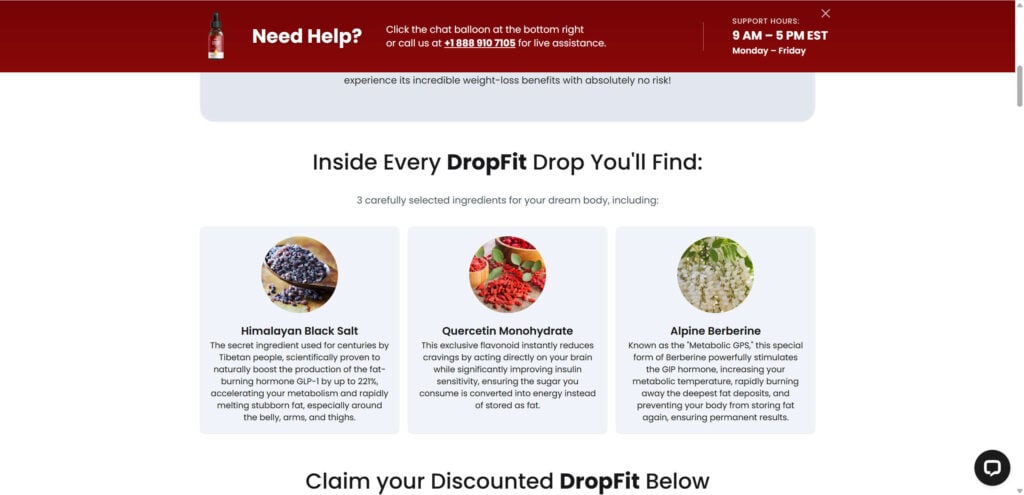
On the LipoRise sales page, three ingredients are prominently displayed:
- Himalayan Black Salt – marketed as a secret Tibetan fat-burning compound
- Quercetin Monohydrate – supposedly reduces cravings instantly
- Alpine Berberine – called the “Metabolic GPS” to melt fat
In reality, none of these claims have credible scientific backing for weight loss. Himalayan black salt is simply salt. Quercetin is a common plant flavonoid found in onions and apples, not a miracle fat burner. Berberine may have some metabolic effects, but not at the tiny doses found in such drops.
Fake Endorsements and Reviews
The website displays impressive ratings such as:
- “4.92 out of 5 based on 39,208 reviews”
- “42,534 Excellent reviews”
- “9.7 rating with secure PayPal checkout”
These reviews are fabricated. The images of “satisfied customers” are often pulled from stock photo websites. There is no independent or verifiable evidence that any real customers experienced the claimed results.
Additionally, the site uses fake medical endorsements, sometimes claiming the product was featured on major networks like CNN, Fox News, or “backed by Ivy League doctors.” These endorsements are completely false and violate FTC advertising regulations.
Price Manipulation and Psychological Pressure
LipoRise uses the same tiered pricing strategy common to supplement scams:
- $89 per bottle for 2 bottles (basic)
- $69 per bottle for 3 bottles
- $49 per bottle for 6 bottles (180-day supply)
To make the deal seem irresistible, they include:
- Fake “You Save $780” messages
- “3 Exclusive eBooks”
- “Priority Shipping Included”
- A 60-day money-back guarantee
A fake countdown timer pressures consumers to “act now” or “lose the deal.” This false urgency is one of the strongest psychological tools in online scams.
Fake Checkout Page
When customers proceed to checkout they see:
- Fake “FDA Approved” and “Non-GMO” logos
- A limited-time reservation countdown
- “Excellent 9.7” trust rating (not from any legitimate review platform)
The checkout system is designed to make the site look credible. But behind the scenes, victims are often double-charged, signed up for hidden subscriptions, or never receive the product at all.
How the Operation Works
The LipoRise scam uses a calculated funnel strategy designed to maximize revenue per victim. Here’s how the entire operation typically unfolds:
1. Clickbait Social Media Ads
The scam starts with viral ads on Facebook, Instagram, or TikTok. These ads usually feature:
- A clickbait headline like “This 60-year-old woman melted 40 pounds in 2 weeks using a doctor’s secret ICE trick!”
- Fake videos of influencers or celebrities
- Images of ice cubes and gelatin desserts to make it seem simple and natural
Clicking on the ad redirects users to the LipoRise landing page.
2. Deceptive Landing Page
The landing page mimics legitimate health sites. It contains:
- A fake article supposedly written by a health journalist
- Quotes from fake “doctors” supporting the trick
- Fabricated clinical results (e.g., “GLP-1 levels increased 221%”)
It’s designed to build trust and make readers believe they’ve discovered a hidden natural cure.
3. Emotional Hook and Urgency
The page then transitions to the LipoRise product pitch. Typical elements include:
- Fake success stories with before-and-after images
- Claims like “No diet or exercise required”
- “Limited supply — only 9 bottles left!”
This manufactured scarcity pushes readers to act quickly, skipping any critical research.
4. Aggressive Upselling and Bundling
Once the visitor clicks “Order Now,” they’re pushed into bundles:
- 6 bottles at $49/bottle (claimed “best value”)
- 3 bottles at $69/bottle
- 2 bottles at $89/bottle
Extra bonuses like “Exclusive eBooks” are added to justify inflated prices.
5. Fake Checkout and Payment Gateway
The checkout page is made to look secure with:
- PayPal, Visa, Mastercard logos
- Fake trust ratings (e.g., “Excellent! 42,534 reviews”)
- “One-time fee, no auto-ship” claims
Many victims later report:
- Multiple unauthorized charges
- Hidden auto-ship programs
- Zero response from support
6. No Real Delivery or Useless Product
In some cases, victims receive cheap, unlabelled bottles with no verified ingredients. In others, they receive nothing at all. The product, when delivered, is often unregulated and ineffective.
7. Ghost Customer Support
The website lists fake contact numbers and email addresses. When customers try to claim refunds:
- Emails bounce back or receive auto-generated replies
- Phone numbers are unreachable
- Refunds are never processed
This is where the “money-back guarantee” turns out to be meaningless.
Not the First Time: The Pattern of Aggressive Advertising Repeats
The LipoRise scam is far from a one-off incident. In fact, it follows a playbook we’ve seen used repeatedly in recent years. Aggressive, emotionally charged advertising has become a signature tactic among shady supplement marketers looking to exploit consumers seeking fast solutions to health challenges.
Whether it’s a so-called “ginger hack,” a “Mediterranean ritual,” or a “20-second brain trick,” the underlying formula is the same: create a sense of urgency, make exaggerated claims, and funnel viewers into a sales pitch disguised as a health breakthrough. These campaigns are often launched through Facebook and Instagram ads, YouTube videos, and clickbait blog posts posing as investigative reports.
In previous cases, similar scams like Ginger Slim, Kerassentials, NeuroMax, and Liv Pure used deepfake celebrity endorsements, AI-generated testimonials, and fake doctor personas to build credibility. Like LipoRise, they promised quick results—rapid weight loss, cured toenail fungus, reversed diabetes—without medical evidence. In every case, customers were led to landing pages packed with manipulated reviews, fake badges (like “FDA Approved”), and pressure tactics such as countdown timers or “only a few bottles left” warnings.
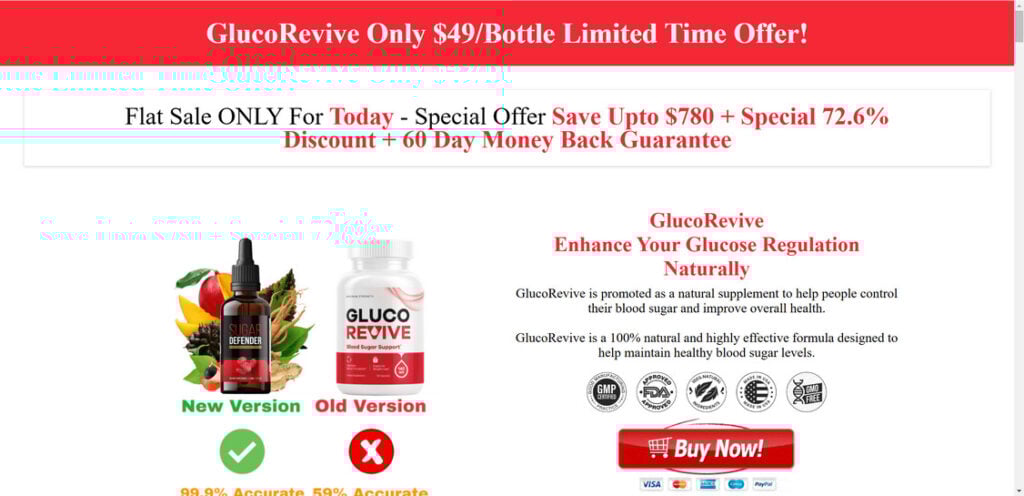
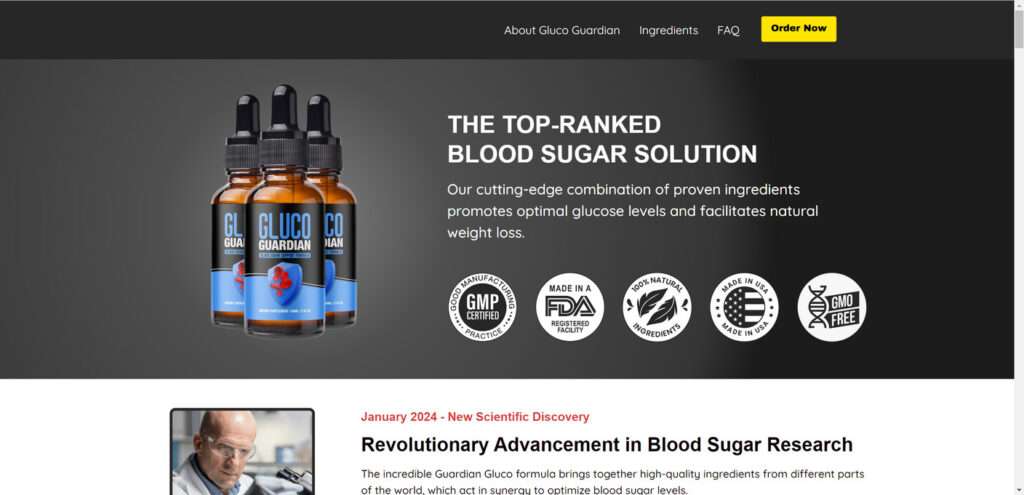
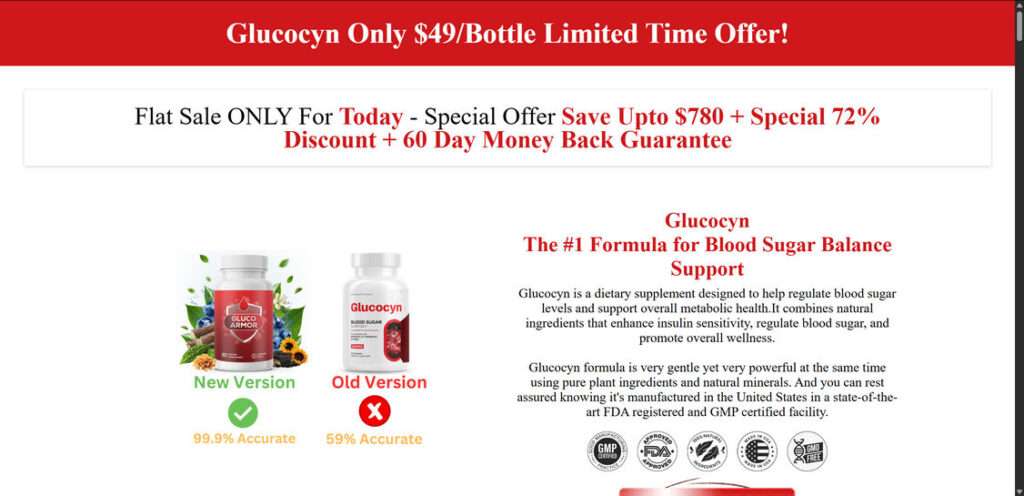

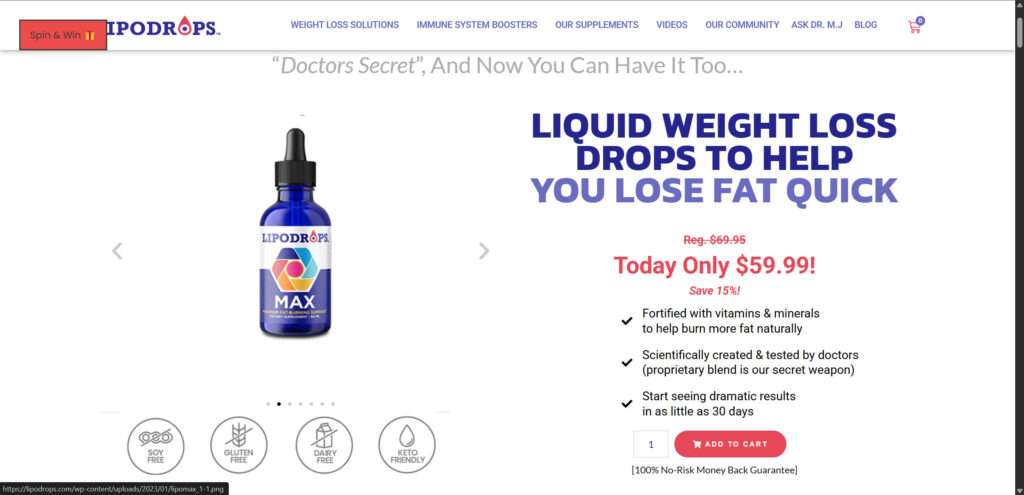
These aren’t just marketing missteps—they’re deliberate manipulations. The operators behind these campaigns are skilled at bypassing ad platform detection, frequently switching brand names and websites to stay ahead of regulators. Once enough complaints pile up or a brand’s reputation collapses, the scam simply resurfaces under a new name with the same tactics.
If LipoRise seems eerily familiar, that’s because it is. It fits squarely within a broader ecosystem of deceptive supplement marketing, exploiting hopes, trust, and a lack of regulation in online advertising spaces. Recognizing these recycled patterns is essential to avoid falling victim again—or for the first time.
What to Do If You Fell Victim
If you’ve purchased LipoRise or entered your personal information on these sites, act immediately to protect yourself. Here are the most important steps:
1. Contact Your Bank or Credit Card Company
- Request to block the charge if it’s pending.
- If the charge has gone through, file a chargeback claim for fraud.
- Ask to block recurring or future charges from the merchant.
2. Monitor Your Accounts
- Keep a close eye on your bank and credit card statements.
- Look for unfamiliar charges, especially small amounts (often used to test stolen cards).
- Enable transaction alerts for extra security.
3. Change Your Passwords
- If you used the same password elsewhere, change it immediately.
- Enable two-factor authentication (2FA) where possible.
4. Report the Scam
- File a complaint with your local consumer protection agency.
- In the U.S., report to the FTC at reportfraud.ftc.gov.
- If outside the U.S., contact your country’s cybercrime unit or financial regulator.
5. Document Everything
- Keep copies of:
- Transaction receipts
- Emails
- Chat logs
- Screenshots of the website
These will help your chargeback case and can support other victims.
6. Check for Identity Theft
- If you entered sensitive personal information (SSN, passport number, etc.), monitor for signs of identity fraud.
- Consider placing a fraud alert or credit freeze with your credit bureau.
7. Warn Others
- Leave a review or report on scam-reporting platforms.
- Warn friends or family members who might encounter similar ads.
- Share your experience to help others avoid becoming victims.
The Real Truth About the “Ice and Gelatin Trick”
The “Ice and Gelatin Trick” is a made-up marketing gimmick. There are no credible scientific studies proving that gelatin combined with ice can melt fat. This is a recycled scam narrative that has been used under many product names before LipoRise, including:
- “Alpilean” copycat scams
- “Ice hack” miracle weight loss
- “Tibetan salt water trick”
- “Hormone booster drops”
These scams simply change product names, images, and domain names — but the script is the same.
Red Flags
- Fake FDA approval claims
- Unrealistic promises like “lose 40 pounds in 2 weeks without diet or exercise”
- Fake celebrity endorsements
- Countdown timers and “limited supply” pressure
- Tiered bundle pricing to maximize profit
- No verifiable contact information or customer service
- Doctored before-and-after images
- Generic ingredient claims with no dosage or studies
If you see these signs on any supplement website, close the page immediately.
What Victims Are Saying Online
Across scam-reporting forums and consumer complaint sites, users report:
- Double charges for their orders
- No product delivery or cheap, unlabeled drops
- Refusal to issue refunds
- Fake support numbers that don’t work
- Aggressive upselling during checkout
Many also mention that other charges appeared weeks later, suggesting their credit card information may have been stored or sold.
The Bottom Line
LipoRise Drops and its “Ice and Gelatin Trick” weight-loss claims are a classic online scam designed to deceive and exploit vulnerable consumers. The product offers no scientifically proven benefits, relies on fake trust signals, and is often tied to fraudulent charges and identity theft.
Real weight loss requires sustainable lifestyle changes — no drops, hacks, or secret tricks can replace that. If you’re considering purchasing such products, do thorough research, consult a medical professional, and avoid any website that uses pressure tactics or miracle claims.
If you’ve already purchased LipoRise:
- Contact your bank immediately.
- File a chargeback.
- Report the scam to relevant authorities.