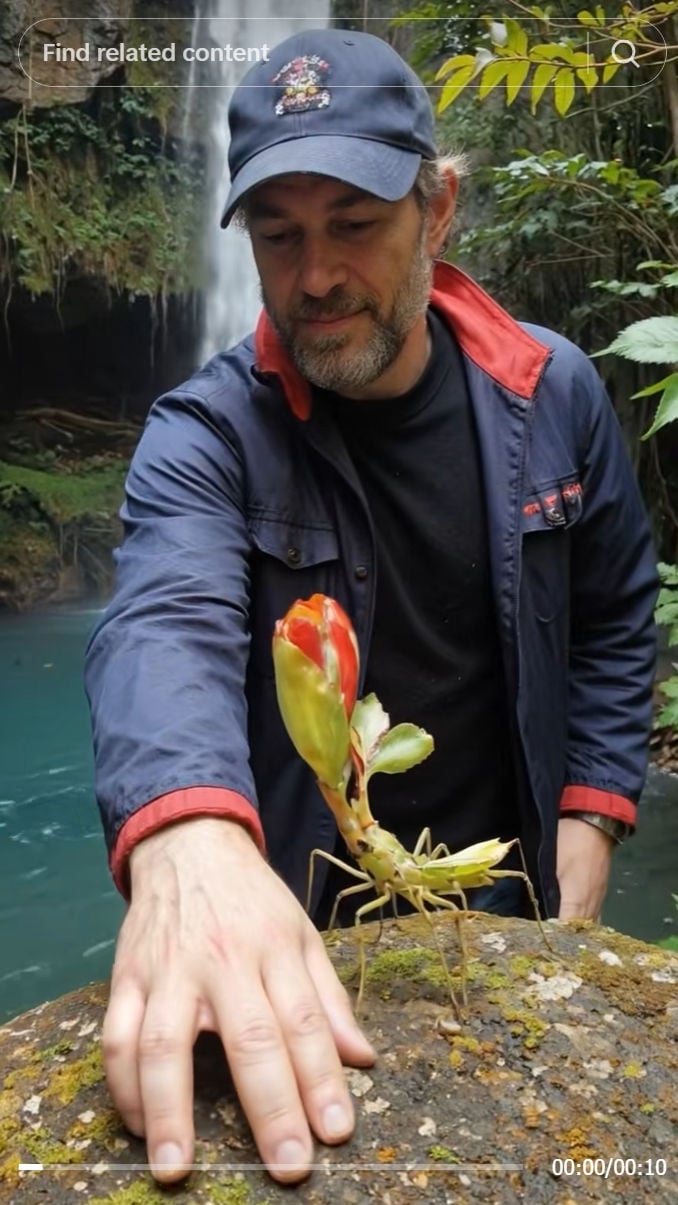
The internet has a way of making the unbelievable look real. In recent months, a video of a supposed new species called Mantiflora Aurantia has gone viral. The footage shows what appears to be a strange insect that, when threatened, transforms into a bright orange flower. Social media users on TikTok, Instagram, and YouTube have shared it widely, sparking debates, amazement, and confusion. Many wonder: is Mantiflora Aurantia a genuine discovery of science, or is it a carefully crafted illusion?
- What is Mantiflora Aurantia Supposed to Be?
- Why the Mantiflora Aurantia Video Went Viral
- Fact-Check: Does Mantiflora Aurantia Really Exist?
- The Role of Digital Artists and AI
- Red Flags That Exposed the Hoax
- The Psychology Behind Believing Viral Nature Hoaxes
- Real-Life Examples of Nature’s Tricks
- Why Misinformation About “New Species” Spreads So Quickly
- The Responsibility of Creators and Viewers
- Final Verdict: Mantiflora Aurantia – Real or Fake?
- Lessons Learned from the Mantiflora Aurantia Hoax
- Conclusion: The Beauty of Real Nature is Enough
This article takes a detailed, evidence-based look into the claims, the origins of the viral content, and the telltale signs that separate fact from digital fiction.
What is Mantiflora Aurantia Supposed to Be?
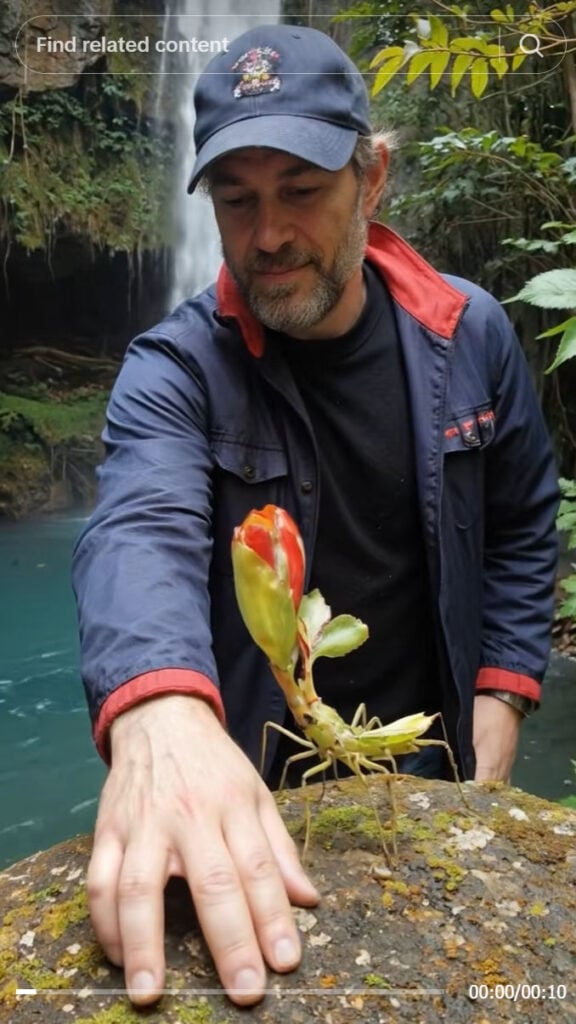
According to viral posts, Mantiflora Aurantia is a newly discovered insect capable of transforming into a flower for camouflage. The name is presented in scientific style, with “mantiflora” suggesting a mantis-flower hybrid and “aurantia” hinting at its orange coloration. The narrative claims that this species was found in remote tropical forests, where it hides from predators by blooming into a plant-like disguise.
The claims are spectacular: a living creature capable of switching not just color or shape, but its very biological category, from insect to plant. If true, this would be a discovery rivaling the greatest breakthroughs in biology. But is there any real scientific basis?
Why the Mantiflora Aurantia Video Went Viral
Videos of Mantiflora Aurantia started appearing on TikTok and Instagram Reels, often with captions like “Nature’s best-kept secret” or “Scientists can’t explain this”. The formula was irresistible for viral content: a short, visually stunning clip, a mysterious name that sounds scientific, and an air of secrecy. Comments quickly filled with people expressing disbelief and excitement. Some demanded answers from biologists, while others declared it the discovery of the century.
The virality of Mantiflora Aurantia highlights a larger trend: fantastical nature clips spread rapidly online, especially when they blend elements of science, wonder, and mystery.
Fact-Check: Does Mantiflora Aurantia Really Exist?
The short answer is no. Mantiflora Aurantia is not a real species. No credible scientific source, biological research paper, or natural history database mentions such an organism. All evidence points to this being a work of digital art and editing.
Let’s break down the reasons why Mantiflora Aurantia cannot be real:
1. Biological Impossibility
Insects and plants are fundamentally different life forms. Insects belong to the kingdom Animalia, while flowers belong to the kingdom Plantae. Their cells, DNA structures, and life processes are incompatible. No organism can transform from one kingdom to another. At most, some insects like orchid mantises mimic flowers, but they remain insects, not actual plants.
2. No Scientific Record
Whenever a new species is discovered, especially one so extraordinary, the scientific community documents it thoroughly. Peer-reviewed journals, global media outlets, and biological institutions would immediately publish findings. In the case of Mantiflora Aurantia, there is no published research, no museum records, and no official taxonomy. Its only existence is within social media videos.
3. Digital Artifacts in the Video
Experts who examined the footage noted clear signs of digital manipulation:
- Unnatural lighting shifts around the insect-flower transformation.
- Body proportions that don’t align with known insect anatomy.
- Movements that seem algorithmically generated rather than natural.
These clues are classic giveaways of CGI (computer-generated imagery) or AI-assisted editing.
4. The “Too Perfect to Be True” Factor
Viral hoaxes often share one trait: they are designed to spark awe. Mantiflora Aurantia appears almost too perfect—a flawless blend of insect and flower. Real biology is messier, with imperfections and variations. The video’s seamless transformation is more reminiscent of digital animation than the unpredictability of nature.
The Role of Digital Artists and AI
The rise of advanced visual tools, including AI-generated imagery and video manipulation software, has blurred the line between reality and fabrication. Digital creators can now design hyper-realistic creatures that look like genuine wildlife footage. Many of these creations are intended as art or entertainment, but when stripped of context and reposted, they quickly spread as supposed “real” discoveries.
Mantiflora Aurantia is a textbook case of this trend. The clip originated from a digital artist experimenting with insect-plant hybrids. While creative and visually stunning, the work was never meant to be mistaken for scientific truth. Unfortunately, once shared without explanation, it took on a life of its own.
Red Flags That Exposed the Hoax
To help readers avoid falling for similar viral deceptions, here are the main red flags that exposed Mantiflora Aurantia as fake:
- No Scientific Confirmation: Any claim of a new species must be backed by published research. None exists for Mantiflora Aurantia.
- Biological Impossibility: Insects cannot transform into plants. While mimicry exists, true cross-kingdom transformation does not.
- Signs of Digital Editing: Subtle glitches in lighting, proportions, and motion are visible in the footage.
- Source of Content: The earliest uploads came from digital art communities, not scientific organizations.
The Psychology Behind Believing Viral Nature Hoaxes
Why do millions of people believe in Mantiflora Aurantia? The answer lies in psychology and digital culture. Humans are wired to be fascinated by novelty and wonder. When we encounter something extraordinary, we want it to be true. Social media amplifies this by creating echo chambers where sensational claims spread rapidly without fact-checking.
Additionally, scientific names and exotic settings lend credibility. “Mantiflora Aurantia” sounds plausible enough to trick casual viewers. Combine that with cinematic editing, and the illusion is complete.
Real-Life Examples of Nature’s Tricks
While Mantiflora Aurantia is fake, nature does offer incredible examples of mimicry and camouflage:
- Orchid Mantis (Hymenopus coronatus): An insect that closely resembles orchid petals to ambush prey.
- Leaf Insects (Phylliidae): Creatures that look almost identical to green leaves, complete with vein-like patterns.
- Stick Insects (Phasmatodea): Masters of disguise, blending seamlessly into twigs and branches.
- Butterflies with Eye Spots: Some species have wing patterns that mimic the eyes of predators, deterring attacks.
These real adaptations are awe-inspiring in their own right, without needing digital embellishment.
Why Misinformation About “New Species” Spreads So Quickly
False discoveries like Mantiflora Aurantia thrive because they fit a perfect storm of online conditions:
- Visual Appeal: Short, stunning clips grab attention instantly.
- Mystery: A scientific-sounding name creates intrigue.
- Virality: Platforms reward engagement, not accuracy, so misleading content spreads faster than corrections.
- Lack of Context: Once stripped of the artist’s intent, creative content is rebranded as “real footage.”
The Responsibility of Creators and Viewers
Digital art is not the problem—misrepresentation is. Artists have every right to create imaginative works. The issue arises when these works are shared without proper labeling, tricking audiences. On the other hand, viewers must approach viral content critically, asking key questions:
- Where did this originate?
- Is there scientific documentation?
- Are there signs of editing?
- Do credible experts confirm it?
By developing digital literacy, audiences can enjoy creative art without mistaking it for reality.
Final Verdict: Mantiflora Aurantia – Real or Fake?
After reviewing the evidence, the conclusion is clear: Mantiflora Aurantia is fake. It is a clever piece of digital art, not a real biological species. No insect can transform into a flower. No scientific studies support its existence. The viral footage is an example of how advanced CGI and AI tools can create illusions convincing enough to fool millions online.
Lessons Learned from the Mantiflora Aurantia Hoax
The viral rise of Mantiflora Aurantia teaches us several important lessons:
- Be Skeptical of Sensational Nature Videos: If something looks too extraordinary to be real, it probably isn’t.
- Verify with Credible Sources: Always check scientific journals, reputable news outlets, or statements from biologists before believing new species claims.
- Understand the Role of Digital Art: Many viral creatures online are creative works, not real discoveries.
- Promote Science Communication: Scientists and educators must continue to engage with the public to counter misinformation.
Conclusion: The Beauty of Real Nature is Enough
Mantiflora Aurantia may be fake, but the fascination it generated shows how eager people are to believe in the wonders of nature. Fortunately, the real natural world offers more than enough marvels without fabrication. From orchid mantises to leaf insects, camouflage in the animal kingdom is proof that evolution can create beauty and mystery more powerful than any digital trick.
The next time you see a clip of a magical insect-flower hybrid, pause and question it. In doing so, you’ll not only avoid being misled, but you’ll also gain a deeper appreciation for the genuine wonders of our planet.