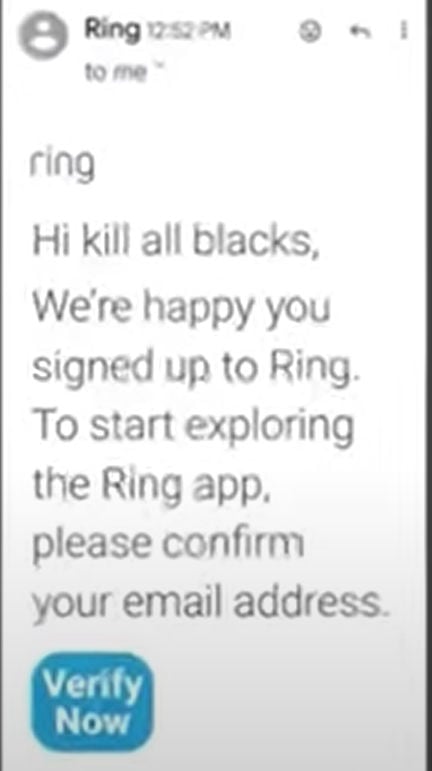
Over the past few weeks, a troubling pattern has emerged online. Countless individuals are reporting unexpected welcome emails from Ring, the smart home security company owned by Amazon. These emails appear genuine, complete with proper branding and links to Ring’s official website. But here’s the twist: the recipients never signed up.
Even more disturbing, some of these emails are addressed to extremely offensive, racist, or hateful usernames. What’s happening here isn’t just a phishing scam or accidental sign-up. It’s a coordinated abuse of Ring’s account creation system, and it’s triggering serious concerns about data security, moderation, and platform responsibility.
In this in-depth article, we’ll walk you through what’s happening, why it’s happening, what Ring has said, and most importantly, what you can do to protect your digital identity.
Why These Ring Emails Are Real — But Misleading
Many recipients initially assumed they were being phished. That’s understandable. But these emails aren’t scams in the traditional sense. They’re actually being sent from Ring’s verified domain — no-reply@verify.ring.com — and are signed with valid authentication protocols.
What makes them misleading is that they arrive in inboxes of people who never signed up for Ring. In many cases, they’re addressed to extremely offensive usernames — an indication that these accounts were created maliciously.
Verified Source, Real Links
The links in the email direct users to Ring’s actual domain. The message headers include proper SPF and DKIM signatures. There’s no spoofing going on. That’s what makes this issue so jarring — it’s an abuse of legitimate systems rather than an external hack.
How Trolls Are Exploiting Leaked Email Lists
Here’s how this scheme works:
- Leaked Email Databases: Over the years, countless websites have been hacked, and user data has leaked onto the dark web or public forums. These include usernames, email addresses, and sometimes passwords.
- Mass Sign-Ups: Trolls and internet harassers are using automated tools to create Ring accounts using these leaked email addresses.
- Offensive Usernames: While creating the accounts, they assign vile, racist, or otherwise offensive names as the account’s display name.
- Triggering Reactions: The recipient of the Ring welcome email sees their inbox addressed with a deeply offensive greeting — often assuming it’s a targeted attack.
The goal? Harassment, confusion, and public outrage.
Offensive Usernames and Ring’s Moderation Failures
One of the most baffling aspects of this scandal is how these usernames got through. In the age of AI-powered content filtering and moderation tools, how did Ring — a billion-dollar company — fail to block accounts using the N-word or other hate speech?
This has led to major questions about the integrity of Ring’s sign-up system. Some critics suggest that the company’s moderation and filtering layers are either ineffective or non-existent.
Why Filters Matter
Most modern platforms have content filters in place during account creation. These filters block inappropriate usernames, offensive terms, and racial slurs. It’s clear that Ring’s system isn’t doing its job — or worse, that no such system exists.
Harm and Trauma
These messages aren’t just unpleasant. They’re harmful. For many, receiving an email addressed with a slur or hate speech is emotionally disturbing. It creates real psychological harm and erodes trust in the company’s ability to safeguard its users.
Reddit and Social Media Sound the Alarm
The first wave of reports surfaced on Reddit, particularly in threads like r/privacy and r/techsupport. Users began comparing notes, sharing screenshots of the offensive Ring emails they received, and speculating on what might be causing the issue.
Community Discovery
As more people chimed in, a disturbing pattern emerged:
- All emails originated from Ring’s verified domain
- None of the recipients had signed up for Ring
- The usernames were often racially charged or extremely offensive
Some users even reached out to Ring’s customer support — and were met with canned responses and unhelpful advice.
What Ring Support Is Saying
According to multiple reports, Ring support has acknowledged that this is a “known issue.” However, the company has not yet released an official statement detailing what steps it is taking to prevent further abuse.
Weak Support Response
Many users have reported that Ring support told them they’d need to delete the account themselves. But how do you delete an account that you didn’t create and can’t log into?
This kind of response only amplifies public frustration. Users are demanding a better solution, and Ring’s silence or inadequate replies are failing to reassure concerned individuals.
Is Your Email Compromised?
One of the best steps you can take right now is to check whether your email address has been exposed in any known data breaches. Sites like Have I Been Pwned allow you to enter your email and check its status.
If your address appears on any breach list, assume that bad actors may try to use it in various ways — including signing up for services like Ring.
Protecting Your Email
- Use a strong, unique password
- Enable two-factor authentication (2FA)
- Regularly check your accounts for suspicious activity
- Use email aliases or temporary emails when signing up for non-essential services
What Needs to Happen Next
Immediate Steps Ring Should Take
- Filter Offensive Usernames: This should be non-negotiable. A moderation filter must be implemented immediately.
- Implement Pre-Signup Email Verification: Most services require email confirmation before finalizing account creation. Ring should follow suit.
- Allow Easy Account Removal: Ring should create a streamlined process for individuals to report and remove unauthorized accounts tied to their email.
- Public Accountability: A transparent update from Ring’s leadership would go a long way in restoring trust.
Bigger Lessons for the Tech Industry
This incident serves as a cautionary tale for all tech platforms. Open account registration systems are vulnerable to abuse. Without strong verification, moderation, and reporting tools, even well-intentioned platforms can become vehicles for harassment.
Conclusion: Time for Change
The Ring signup email incident isn’t just about spam or trolling. It’s about accountability. It’s about what happens when technology companies fail to anticipate how their systems can be misused.
Right now, Ring is under the microscope. Users are watching. And unless swift and meaningful changes are implemented, this scandal could have long-term consequences for both the company and the broader Amazon ecosystem.
In the meantime, users must remain vigilant. Check your email’s security status. Don’t click unexpected links. And most importantly, demand better from the companies that handle your personal data.
This controversy is a wake-up call — one that shouldn’t be ignored. Let’s hope Ring hears it loud and clear.