

Rosabella Moringa is the latest health supplement being aggressively marketed online through spam emails, fake news articles, misleading social media ads, and exaggerated claims. But before you pull out your credit card, it’s important to take a closer look at what Rosabella Moringa actually offers.

At first glance, Rosabella Moringa markets itself as a “natural supplement” and has a website full of glowing testimonials and impressive-sounding claims about its benefits. The site boasts certification from GMP Quality Manufacturing and that it’s Made in an FDA Registered Facility. It’s even labeled GMO Free and Made in the USA.
But let’s peel back the layers on these claims. While Rosabella Moringa may be manufactured in an FDA-registered facility, the product itself is not evaluated or approved by the FDA. The claims about it being “natural” and “GMO-free” are nothing special – supplements are already required by law to list all non-natural or GMO ingredients. And “Made in the USA” tells us nothing about the quality or efficacy of the actual product.
More importantly, Rosabella Moringa seems to follow a familiar pattern of inflated claims and miracle cures used by similar “natural supplements” – but the products rarely live up to these claims when people actually try them. The Rosabella Moringa website itself uses a templated design and layout commonly seen in other questionable health products.




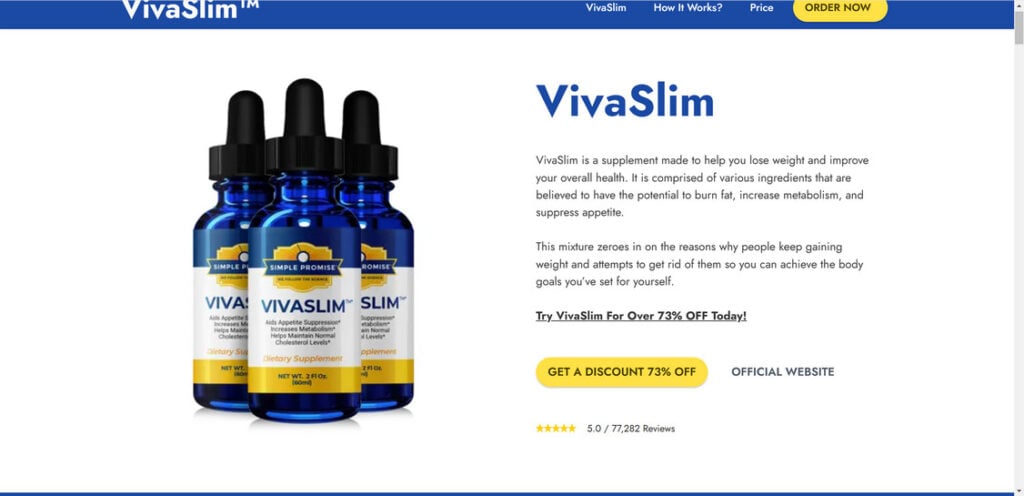

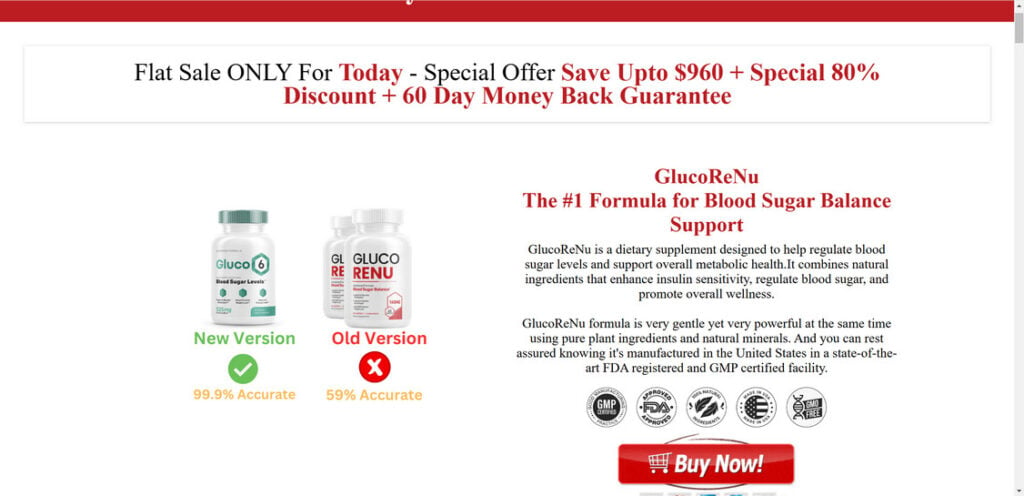
At the end of the day, Rosabella Moringa is being marketed aggressively through channels known for exaggeration, misinformation and outright deception. Given the large gap between its marketing claims and the lack of evidence backing them up, it’s wise to be very skeptical.
The safest bet is to avoid Rosabella Moringa altogether and consult a licensed healthcare professional if you have any health or medical concerns. Steer clear of “miracle” supplements that sound too good to be true – in most cases, they are. Your best chance at improving your health is through professional medical advice and evidence-based natural products – not falling prey to slick marketers making big promises but failing to deliver.
This article is for informational purposes only and should not be relied upon for financial or business decisions. We identify potential scams using research, user experiences, and expert analysis. However, all claims should be independently verified. Mistakes may occur, and legitimate products could be flagged. We strive for accuracy but make no warranties regarding the completeness or reliability of the information.

If you are the owner of the website or product in question and wish to offer clarifications regarding your business or website, please reach out to us via our Contact form.

Join the discussion
2 commentsShare your experience or ask a question about this article.
Discussion
Rosabella is definitely a scam and abuser of the elderly for financial gain. They give your information to Lovy a bladder control product without permission. Then you are receiving a product that you did not order and being charged for that product also. When trying to cancel their “subscription” they attempt to get you into another scam called “just/answer” with a monthly fee of up to $65. Rosabella, Lovy and Just/answer are all scams.
In reply to Carol Tipton
Thank you for spelling this out, because the pattern you are describing is the part most people only discover after the second charge: one “order” is used to move your details onto a second brand you never heard of, and the cancellation call becomes a sales call for a third product.
If this involves an older relative, or you yourself are being worn down by these calls, do not keep negotiating with them. Ask the card issuer for a brand-new card number rather than just cancelling the order – that kills every recurring charge from every one of the linked brands at once – and dispute the products you did not order as unauthorised. Then report it at reportfraud.ftc.gov and to your state Attorney General; if the person being billed is elderly and vulnerable, Adult Protective Services and the AG’s elder-abuse unit take financial exploitation reports and both are free.