

Seafood lovers are being tempted by full-page ads on Facebook, Instagram and TikTok advertising giant King Crab legs for 70% off. But the unbelievable deals like 6 pounds of crab for just $29.99 are a scam designed to steal your money. This article will provide an in-depth look at how the scam works and arm you with knowledge to detect and avoid being ripped off.
Scammers are heavily promoting fake King Crab deals using persuasive sale tactics and mouthwatering food images. However, the seafood companies and websites are completely fraudulent. Victims either receive nothing after placing an order or low-quality crab that doesn’t match what was advertised.
Keep reading to learn the warning signs of this convincingly executed scam and key actions to take if you unfortunately fell prey to false King Crab deals online.
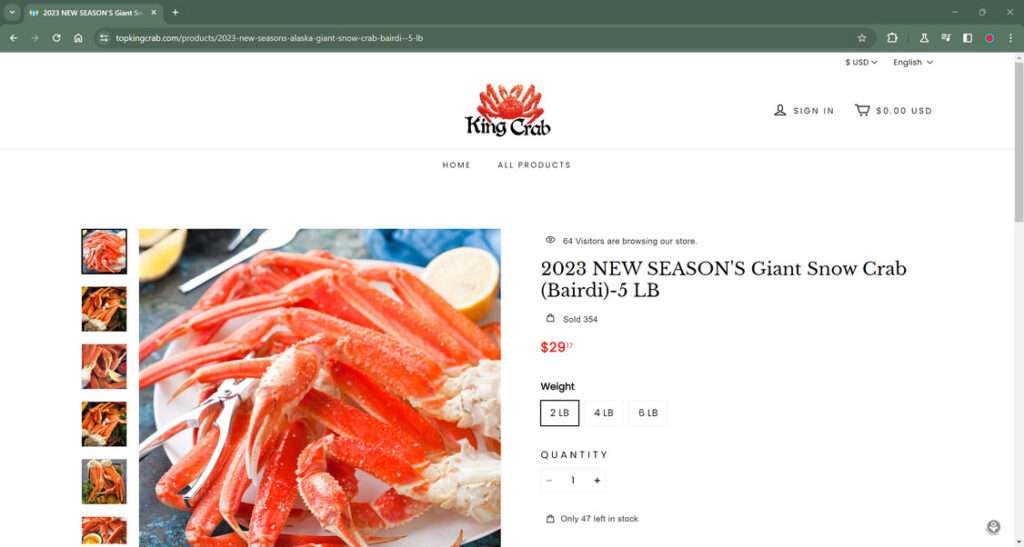
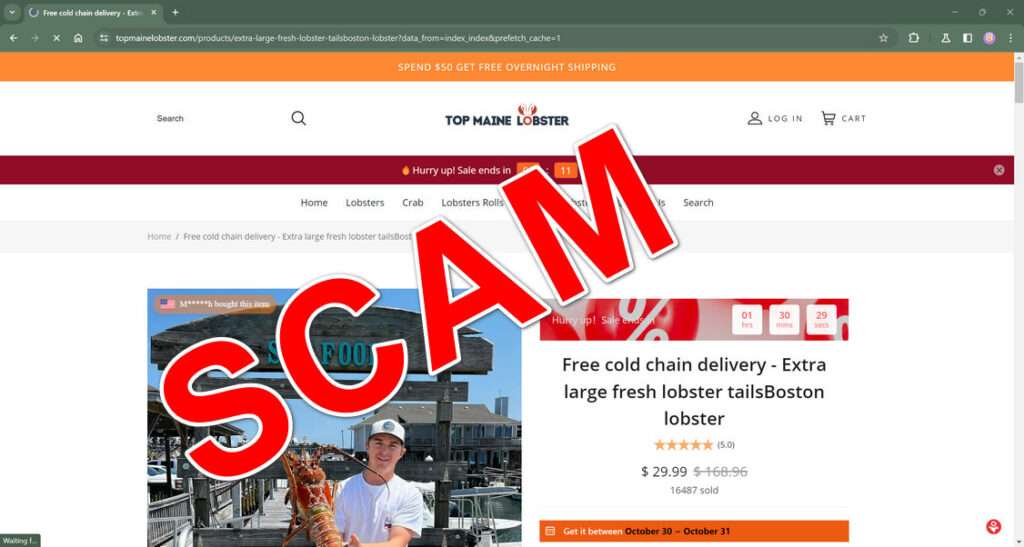
Overview of the Viral 70% Off King Crab Scam
The 70% off King Crab scam works by tempting victims with full-page ads on Facebook, Instagram, and TikTok featuring delicious food images and unbelievable prices for giant crab legs and lobster tails.
The ads boast deep discounts like “6 lbs of King Crab Legs Now Only $29.99!” and use urgent call-to-action messaging to get users to click through to fake seafood websites controlled by scammers.
These sophisticated fraud websites have all the attributes of legitimate online stores, including polished branding, menu sections, customer reviews, shipping details and credit card checkout forms. But it’s an elaborate ruse to steal money and personal information.
After victims purchase the discounted King Crab, lobster or other seafood deals, they’ll either receive nothing or subpar frozen seafood that doesn’t match the advertised photos and descriptions. Credit cards are still charged the full amounts by the scammers, often totaling over $100.
By the time customers realize they’ve been ripped off, it’s too late. The fake websites are shut down and phone numbers disconnected. Scam victims are left with no recourse to recover lost money or hold the fraudsters accountable.
Red Flags of the King Crab Discount Scam
While the King Crab social media ads and websites look incredibly convincing, here are some subtle red flags to recognize:
- Suspiciously low prices like 70% off retail value
- High-pressure tactics urging immediate action
- Fake customer reviews and endorsements
- Stock photos of King Crab instead of real company branding
- Lack of physical address or live customer service
- Website registered recently with anonymous domain owners
Being aware of these signs of a potential scam can help you avoid falling into the clever traps set by scammers impersonating seafood companies online.
How the 70% Off King Crab Online Scam Works
Let’s break down the step-by-step process fraudsters use to successfully pull off this social media scheme:
Step 1: Create Enticing Social Media Ads
Scammers invest heavily in polished, mouthwatering ads for King Crab legs and lobster tails at absurdly low prices. The ads target hungry users with interests in seafood or cooking. Persuasive slogans promise deals like “6lbs of King Crab Legs Now Only $29.99!”.
The ads feature stock photos of beautiful crimson crab legs on ice with copy hyping “free overnight delivery” and “70% off for limited time!”. Urgency cues pressure users to click before the discounted inventory is gone.
Step 2: Direct Clicks to Elaborate Fake Websites
When users click on the tempting call-to-action buttons, they are directed to elaborate fake seafood websites. These full-functioning sites have the look and feel of a real online seafood market.
The sites feature menus with different seafood products, customer reviews, an About Us section with a fictional backstory, order forms protected by SSL, and policies like Shipping & Returns.
But it’s just an impressive storefront to collect credit card details and execute the scam. The sites are newly registered and have anonymous owners based overseas.
Step 3: Collect Payment Information
To complete an order, customers must enter full payment information including name, address, and credit card number into online forms on the fraudulent sites.
Scammers use this data to charge the cards while providing nothing in return. Any credit card information entered on these untrustworthy websites should be considered compromised.
Step 4: Fail to Fulfill Orders
After submitting payment information, victims will see a confirmation screen that their King Crab order has been received and is being processed.
But in nearly every case, no seafood is ever shipped. Scammers take the money and disappear by shutting down the websites and disconnecting phone numbers once enough victims complete orders.
Step 5: Leave Victims Empty-Handed
Days and weeks go by after placing orders, but no King Crab or lobster arrives for scam victims. Attempts to visit the order status page again result in an error message since the site has been deactivated.
At best, some victims eventually receive subpar frozen seafood in the mail that is completely different than what was pictured and described online. But most end up empty-handed without recourse to get refunds.
Here are detailed sections on how to spot the 70% off King Crab scam on Facebook, Instagram, and TikTok:
How to Identify This Scam on Facebook
Facebook’s unmatched reach makes it easy for scammers to target users with King Crab discount cons. Here are tips for spotting this seafood scam on Facebook:
- Analyze Facebook ads – Scammers create eye-catching ads with tantalizing food imagery and details about extreme discounts. Scrutinize each claim and sayings like “Today Only” or “Limited Supply” that pressure buyers.
- Vet advertiser Pages – Click on the Page name running the ad. Fake seafood Pages often have no history, contact info, or location listed. Legit businesses have transparency.
- Avoid clicking ad links – Don’t click direct links in Facebook ads going to external sites. Type the company URL in the browser yourself to prevent redirects.
- Read comments – Many users will comment “SCAM” or “Fake” on scam ads and expose the fraud to warn others. But scammers also seed fake positive comments.
- Google company + reviews – Search for the business name + reviews or complaints to uncover stories from previous victims. Scammers don’t have online history or reviews.
- Report scam ads – Click the three dots in the corner of an ad and choose “Report Ad” if you suspect fraud. This helps reduce the ad’s reach.
Scrutinize each seafood discount offer promoted on Facebook and do thorough company research before clicking any ad links or providing payment information. Recognize the signs of fraud to avoid the latest King Crab scams on social media.
How to Spot This Scam on Instagram
Scammers have mastered tactics to promote fake deals on Instagram too. Here’s how to identify the 70% off King Crab scam on Instagram:
- Inspect account details – Tap the Instagram username promoting the crab deal. Scam accounts often have zero posts, no profile info and very few followers.
- Analyze captions – Scammers use captions with dollar amounts, discount claims and pressure tactics like “24 hours left!”. Be skeptical.
- Avoid clicking direct links – Never click questionable discount links in Bios, posts or Stories. Manually type known retailer URLs instead.
- Read comments – Users often comment warnings like “This is a scam. I ordered and never received the crab.” to expose the fraud for others.
- Reverse image search – Right-click any food photos and search Google to see if they are stolen stock images, a telltale scam sign.
- Search online reviews – Look for the company name + reviews to find consumer complaints. Lack of online history is a major red flag of a scam.
- Report fake accounts – Use Instagram’s reporting tool to flag accounts posting discount scams so they can be removed faster.
The enormous reach of Instagram enables scammers to scam countless users. But you can outsmart them by analyzing account credibility, reading comments, and doing thorough company research before placing any seafood orders advertised online.
How to Detect This Scam on TikTok
On TikTok, scammers promote King Crab discounts using videos and engagement tactics. Here are tips for spotting seafood scams on TikTok:
- Scrutinize videos – Scammers use stock footage or stolen videos of tasty seafood. Legit companies have branded content. Watch for watermarks or low quality.
- Research accounts – Click on the account name. Scam accounts have few followers, zero personalized content, and no legitimate contact info.
- Avoid links – Never click direct links in profiles, comments or captions. Manually enter known business URLs instead to verify legitimacy.
- Read comments – Comments will often say “fake” or “scam” to warn others of fraudulent discount promotions. But beware scammers posting fake comments too.
- Reverse image search – Verify food images aren’t stolen stock photos by reverse searching them on Google.
- Search complaints – Look up the company name plus words like “reviews”, “scam”, “complaints” to uncover negative experiences from past buyers.
- Report fake accounts – Flag scam accounts to TikTok using the reporting tool to get them removed ASAP before more users are targeted.
The popularity and video format of TikTok has attracted plenty of seafood discount scammers hoping to fool hungry viewers. But you have the power to detect red flags before clicking on questionable links or providing payment information.
How to Avoid Falling Victim to the King Crab Scam
While the King Crab social media scam is convincingly executed, there are steps you can take to detect red flags and avoid being ripped off:
- Search company name + “scam” – Research the seafood company online by searching the name plus “reviews”, “complaints”, or “scam” to uncover negative experiences from past customers.
- Inspect website carefully – Look for grammar errors, stock photos, recently registered domain, and lack of business transparency as signs of a possible fraudulent site.
- Beware unbelievable prices – Extreme discounts like 70% off retail value are almost always too good to be true.
- Check BBB site – Visit BBB.org to see if other customers have filed alerts or complaints about the seafood business.
- Avoid clicking social media ads – Don’t click on ads for steep seafood discounts. Go directly to known retailer sites like Red Lobster or LobsterAnywhere if you want deals.
- Use credit cards – Never pay suspicious sites with debit cards, PayPal, CashApp, or gift cards. Credit cards have the most fraud protection.
- Trust your gut – If an offered deal seems fake, or a site feels “off”, listen to your instincts and avoid providing your information.
With vigilance and healthy skepticism, you can hopefully spot the warning signs of King Crab social media scams before losing hard-earned money.
What to Do If You Fell Victim to the King Crab Discount Scam
If you placed an order through one of the King Crab or lobster discount websites and suspect it was fraudulent, here are important steps to take right away:
Notify Credit Card Company
Contact your credit card provider and report the charges as fraudulent. Ask them to reverse the charges and issue a new card number.
Place Fraud Alert
Consider placing a 90-day fraud alert with Equifax, TransUnion and Experian so you’re notified of any new activity.
Change Online Passwords
If you used the same password on the seafood website as other sites, change it immediately to prevent further account compromise.
Review Statements
Monitor bank and credit card statements closely for any additional unknown charges or suspicious activity.
Report Fake Website
Use Whois domain lookup to find the website registrar and contact them to report the fraudulent site. The more reports, the sooner it will be taken down.
File Complaints
Submit complaints about the scam website, retailer or ads to organizations like the FTC, BBB, and social media platforms.
Spread Awareness
Share your experience on social media or with your community to help prevent others from falling for the King Crab discount scam.
Frequently Asked Questions About the 70% Off King Crab Scam
Shoppers have many questions surrounding the flood of 70% off King Crab and lobster tail advertisements on social media. Here are answers to some of the most frequently asked questions about this prevalent scam.
Are the King Crab and lobster discounts advertised on Facebook and Instagram real?
No. Steep discounts like 70% off are used to lure in victims. The professional-looking seafood ads and websites are completely fake. No customer ever receives the high-quality, deeply discounted King Crab as pictured and described.
What happens after I order discounted King Crab through these social media ads?
In nearly every case, absolutely nothing will arrive after placing the order. Scammers collect your credit card information then disappear once the fraudulent transaction is complete. Some victims eventually receive poor quality frozen crab or lobster that looks nothing like advertised.
What are some telltale signs that a King Crab or lobster discount offer is a scam?
Look for too-good-to-be-true prices, stock photos, recently created websites, lack of online reviews, missing contact information, grammar errors, pressure tactics, and fake customer reviews. Any seafood website prominently advertising 70% off or more is highly suspicious.
Can I get my money back if I fell for the King Crab or lobster discount scam?
Unfortunately it is very difficult since scammers shut down websites and disappear after collecting payment information. Immediately contact your credit card company and dispute the charges as fraudulent. Under the Fair Credit Billing Act, credit card companies must investigate disputed charges. This is the best chance for recovering lost money.
What should I do if I suspect an advertised seafood discount is a scam?
Do not provide any personal or payment information. Look up the company online along with words like “reviews” and “scam” to find victim complaints. Verify they have professional social media pages with real content, not just ads. Call the company to gauge legitimacy. If anything seems suspicious, trust your instincts and avoid the offer.
Is there a way to report King Crab or lobster discount scams?
Yes, report fraudulent ads or websites to the FTC, state attorney general, BBB, social media platforms, and domain registrar. Provide as many details as possible. The more scam reports received, the quicker authorities can build cases to shut down these fake seafood websites and promoters.
How can I avoid falling for King Crab or lobster discount scams?
Always research unfamiliar companies heavily before providing payment data. Check BBB ratings, look for reviews and complaints, and verify a longstanding online presence, physical address and professional website. Disregard ads pushing urgency, limited-time deals and unrealistic discounts like 70% off.
Are the photos in King Crab discount ads real or stock images?
Most are stock photos or stolen images of king crab and lobster completely unrelated to the scammers. Reverse image search any product photos to verify origination. Authentic seafood companies advertise with custom branded images shot at their own facilities. Always suspect scam ads using random food photos.
Can I find legitimate discounts on King Crab legs or lobster tails online?
Yes, but be very wary of providers advertising unrealistic 70% discounts or more. Search for deals only on reputable national grocery and seafood retailers that you recognize and trust like Red Lobster or LobsterAnywhere. Or check Groupon and restaurant websites directly for legitimate limited-time savings.
Use healthy skepticism when evaluating unbelievable seafood deals online. Take time to thoroughly vet advertisers before providing any sensitive information to avoid losing hard-earned money to convincing social media scams.
The Bottom Line
The steeply discounted King Crab and lobster tail deals promoted heavily on social media are almost always entirely fraudulent activities set up to steal your money. Take time to thoroughly research unfamiliar seafood retailers, inspect sites for red flags, read reviews, and trust your instincts to sniff out scams.
Avoid entering payment information on any website you don’t fully trust, regardless of how legitimate it appears on the surface. Always use credit cards over debit cards or other payment apps so you have the most recourse in fighting unauthorized charges.
Stay vigilant – if an offered deal seems too good to be true, it almost always is. Don’t let the desire for delicious seafood allow scammers to catch you off guard and land you in a predicament with no recourse.

Join the discussion
0 commentsShare your experience or ask a question about this article.
Discussion
Start the conversation
Have a question or something useful to share? Add the first comment.