

Receiving a gift card from a popular brand like Lululemon sounds too good to be true. And unfortunately, that is often the case with these types of offers. Scammers are leveraging the name and reputation of Lululemon to lure unsuspecting victims into various online scams involving fake gift cards.
This article will provide an in-depth look at how the $750 Lululemon gift card scam works, what to watch out for, and most importantly, how to protect yourself.
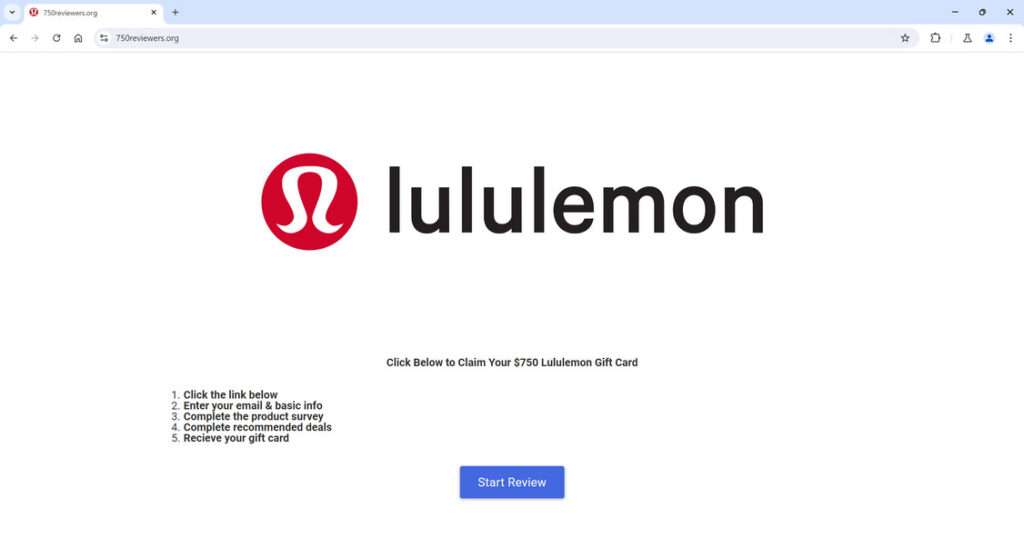
Overview of the $750 Lululemon Gift Card Scam
The $750 Lululemon gift card scam operates by tricking victims into believing they can claim a high-value gift card to the popular athletic apparel company Lululemon. Scammers create fake social media ads, text messages, and websites promising a free $750 Lululemon gift card if users complete a few simple steps.
However, there is no free gift card. The scammers’ real intent is to collect personal information, install malware, subscribe victims to unwanted services, or commit various forms of fraud under the guise of a lucrative gift card offer.
This scam takes advantage of Lululemon’s reputation and brand appeal by falsely associating themselves with the company. The promise of a $750 windfall is designed to entice potential victims into engaging with the scammers’ deceptive ads or websites.
How the Scammers Operate
The scammers behind the Lululemon gift card scam use a variety of illicit tactics to perpetrate their schemes:
- Fake social media ads – The scam often starts with Facebook, Instagram or Twitter ads promoting the fake $750 gift card offer. The ads are designed to look official and will typically use Lululemon branding.
- Text message spam – Victims also report receiving unsolicited text messages claiming they have won a $750 Lululemon gift card. The messages include suspicious links to the fraudulent websites.
- Malicious websites – Scammers create fake websites impersonating Lululemon’s promotions page or online gift card portal. These sites look legitimate but are designed to harvest personal information and install malware.
- Phishing emails – Scammers also send out phishing emails pretending to be from Lululemon and asking recipients to claim their $750 gift card by clicking a link or downloading an attachment.
- Rewards scam – Some versions of the scam claim users can “earn” the Lululemon gift card by completing sponsor offers, surveys, or downloading apps. This is a form of rewards fraud.
The scammers continuously adapt their methods to take advantage of new platforms and tactics. But their end goal remains the same – to profit off unsuspecting victims lured in by the gift card ruse.
How the $750 Lululemon Gift Card Scam Works
Now let’s take a look at the step-by-step process of how the Lululemon gift card scam unfolds:
Step 1: The Victim Encounters a Fake Ad or Offer
The first step involves the victim coming across a suspicious gift card offer via:
- A social media ad on Facebook, Instagram or Twitter promoting the $750 Lululemon gift card giveaway.
- A text or WhatsApp message received out of the blue claiming they’ve won a $750 Lululemon gift card.
- An email or pop-up ad with similar gift card claims and a link to follow.
The ads and messages are designed to look official using Lululemon branding and imagery. But telltale signs of a scam include poor grammar, too-good-to-be-true claims, and suspicious links.
Step 2: The User Clicks the Link to Claim the Card
When the victim clicks the link in the ad or message, they are redirected to a fake website impersonating Lululemon. The scam website will have a URL designed to look legitimate, but may use odd domain extensions like “.review” or “.shop.”
The site also mimics the look and feel of a real Lululemon promotion or gift card claim page. Images of gift cards and the Lululemon logo are used liberally to seem official.
Step 3: The Site Asks the User to Complete Tasks or Share Personal Info
Once on the fraudulent site, the victim is prompted to complete a few steps before they can obtain their $750 gift card. These requests are designed to steal personal information and expose the user’s device to privacy and security risks.
Common tasks include:
- Filling out questionnaires or surveys requesting personal details like name, date of birth, address etc.
- Downloading and installing software onto their device. These may be malicious apps, adware or other dangerous downloads.
- Signing up for free trial subscriptions or entering credit card details for “shipping fees.” This ropes victims into unwanted monthly subscriptions.
- Enabling notifications which allows the site to send the user spam messages or access device data.
- Sharing the scam offer on social media to spread awareness, which helps publicize the scam.
Step 4: The User Gets No Gift Card and Suffers Financial Loss or Data Theft
Unfortunately, after completing all the steps, victims do not receive the promised $750 Lululemon gift card. The personal details they provided are now in the hands of scammers who may use it to commit identity fraud.
Other potential repercussions include:
- Monthly fees for the “free” trial subscriptions victims signed up for.
- Bank and credit card fraud if payment details were entered.
- Device malware, adware or spyware from downloaded software.
- Account compromise if usernames and passwords were harvested.
- Spam texts and emails moving forward.
- Unauthorized online purchases if notifications were enabled.
The Lululemon name and gift cards were just a ruse to access devices and information. The scammers disappear after successfully tricking victims.
How to Spot This Scam on Social Media and Websites
Scammers rely on convincing social media ads and websites to perpetrate the fake Lululemon gift card scam. Here are some tips to identify and avoid their deceptive tactics:
Watch for These Red Flags on Social Media:
- Ads using terms like “free gift card” or “claim your reward” with Lululemon’s logo should raise suspicions.
- Poor grammar, sentence structure, and spelling mistakes in the ad copy are telltale signs of a scam.
- If the ad claims “limited time only” or uses other high-pressure tactics, proceed with caution.
- Inspect the ad sponsor name, which may sound generic or fake.
- Hovers over links in the ad to reveal mismatched URLs from odd domains.
- Ads leading to third-party websites instead of Lululemon’s official site are dubious.
Be Wary of These Website Warning Signs:
- URLs containing typos, extra words, or unconventional domain extensions like .xyz or .review.
- Homepages using stolen Lululemon imagery in a choppy, disorganized way.
- Spelling, grammar, or formatting issues throughout the site content.
- Requests for personal info upfront before any gift card can be claimed.
- Countdown timers or pressure tactics pushing users to act fast.
- Sections prompting app downloads, sign-ups for free trials, notifications, or surveys.
- No business registration numbers, physical addresses, or contact info provided.
- No links to official Lululemon social media pages or the real Lululemon site.
Staying vigilant across social media and websites can help users recognize these scam giveaways and steer clear of the risks.
What to Do If You’re Targeted by the Lululemon Gift Card Scam
If you encounter this scam via text, email, or social media ads, here are some important steps to take:
1. Avoid clicking any links in messages about the gift card offer.
The links likely route to fake, malicious sites regardless of how legitimate they appear. Play it safe by deleting any messages with this scam offer.
2. Do not provide your personal or financial information.
Never give out your name, birthday, card details or other sensitive information on suspicious sites associated with this scam.
3. Run security scans on your device.
If you clicked any links, downloaded software or enabled notifications, scan your device for malware, change passwords, and monitor accounts for unauthorized activity.
4. Contact your bank and card issuer if you shared financial information.
Alert them to possible fraud if you entered any payment data or card numbers on scam sites. Monitor statements for bogus charges.
5. Report fake ads, offers and websites.
Notify social media networks about gift card scams on their platforms. Send suspicious texts to 7726 to report spam. Share scam details with the FTC.
6. Educate yourself on common online scams.
Learn to recognize telltale signs like pressure tactics, grammatical errors, exploitative claims and shady links so you can avoid future scams.
Staying vigilant and informed is your best defense against predatory online frauds like the fake Lululemon gift card scam.
Frequently Asked Questions About the $750 Lululemon Gift Card Scam
1. What is the $750 Lululemon gift card scam?
The $750 Lululemon gift card scam is a fraudulent scheme where scammers create fake ads and websites pretending to offer a free $750 Lululemon gift card. The goal is to collect personal information and expose victims to financial fraud or malware installation.
2. How do the scammers reach potential victims?
Scammers use social media ads, text messages, WhatsApp messages, and phishing emails pretending to be from Lululemon. These messages contain links redirecting to fake Lululemon promotions and gift card sites.
3. What happens when victims click the links in scam messages?
The links take users to fraudulent sites impersonating Lululemon gift card claim pages. These sites request personal info, sign-ups for unwanted services, app downloads and more in order to “claim” the fake gift card.
4. What are the risks of engaging with this scam?
Victims can have identities stolen, devices infected with malware, accounts compromised, monthly fees charged, and credit card details stolen. The scammers disappear after accessing information and payments.
5. What types of information do the scammers attempt to gather?
Scammers aim to harvest names, emails, physical addresses, phone numbers, birthdates, passwords, financial data and more through fake questionnaires and sign-up forms.
6. What should I do if I engaged with a suspicious Lululemon gift card offer?
Run antivirus scans, change account passwords, contact banks about potential fraud, watch for unauthorized charges, report the scam to platforms and regulators, and learn to better identify scams.
7. How can I avoid falling for the Lululemon gift card scam?
Avoid clicking links in random messages, inspect sender info, watch for grammatical errors, research unusual domains, don’t enter info on questionable sites, use antivirus software, and learn the common tactics scammers use.
8. Can I report fake Lululemon gift card ads or messages?
Yes, report social media ads, text scams and suspicious emails to the respective platforms. You can also file complaints with the FTC to aid investigations.
9. Are there any legitimate ways to get free Lululemon gift cards?
Lululemon does not offer free high-value gift cards out of the blue. Be skeptical of any “free gift card” offer requiring upfront information or payments as they are likely scams.
10. Where can I learn more about identifying and avoiding online scams?
Reputable resources include the FTC, AARP Fraud Watch Network, cybersecurity blogs, local consumer protection agencies, and following trustworthy anti-scam advocates on social media.
The Bottom Line
The promising gift card scam is a fraud designed to exploit people’s desire for free rewards from a favorite brand like Lululemon. Scammers rely on the authentic-looking ads and websites to fool their victims into sharing personal information and installing malware.
If an offer looks too good to be true, it almost always is. There are no real short cuts to free $750 gift cards. Be skeptical of out-of-the-blue messages, carefully inspect sender addresses and URLs, and avoid clicking suspicious links. Take steps to secure accounts and devices in case of exposure.
Being aware of this scam’s deceptive tactics can help you identify and sidestep it. Trust your instincts, and be especially wary when asked for sensitive data, downloads or payments. Avoid becoming the next victim by steering clear of suspicious Lululemon gift card offers. Spread awareness so others don’t fall prey to this scam.








