

Have you ever encountered an error related to the idmmbc.dll file on your Windows computer? If so, you’re not alone. Many users have experienced issues with this dynamic link library (DLL) file, which is an essential component of the Internet Download Manager (IDM) software. In this article, we will explore what idmmbc.dll is, common errors associated with it, and how to fix them.
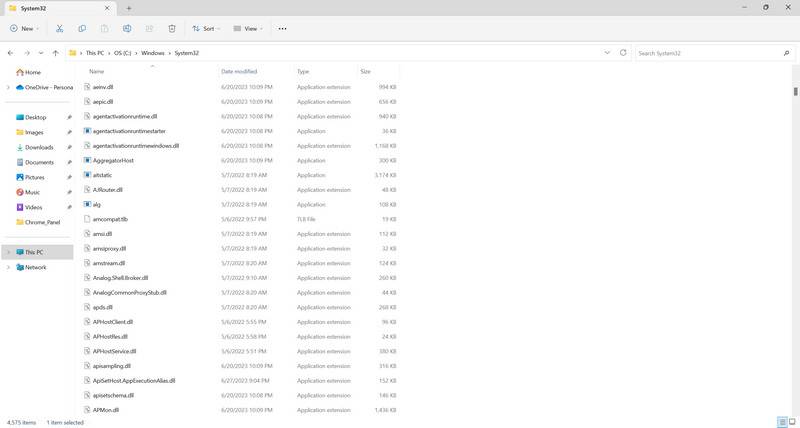
Understanding idmmbc.dll
The idmmbc.dll file is a DLL module associated with IDM, a popular download manager used by millions of users worldwide. DLL files contain code and data that multiple programs can use simultaneously, which helps to reduce redundancy and improve efficiency. The idmmbc.dll file specifically handles the integration of IDM with various web browsers, allowing for seamless downloading of files from the internet.
When IDM is installed on your computer, it automatically adds browser extensions or plugins to compatible web browsers, such as Google Chrome, Mozilla Firefox, or Microsoft Edge. These extensions rely on the idmmbc.dll file to function properly and provide features like one-click downloading, download acceleration, and download scheduling.
Common idmmbc.dll Errors
Despite its importance, the idmmbc.dll file can sometimes encounter errors that disrupt the normal functioning of IDM and its browser integration. Here are some common errors associated with idmmbc.dll:
- idmmbc.dll not found: This error occurs when the idmmbc.dll file is missing from its designated location. It can happen due to improper installation, accidental deletion, or malware infection.
- idmmbc.dll is corrupt: If the idmmbc.dll file becomes corrupted, IDM may fail to load or function correctly. Corrupt files can result from system crashes, software conflicts, or malware attacks.
- idmmbc.dll is outdated: IDM regularly releases updates to improve performance, fix bugs, and address security vulnerabilities. If you’re using an outdated version of idmmbc.dll, you may encounter compatibility issues with your web browser or experience reduced functionality.
How To Fix idmmbc.dll Errors
Now that we understand the common errors associated with idmmbc.dll, let’s explore some effective solutions to fix them:
1. Reinstall IDM
If you’re encountering idmmbc.dll errors, the first step is to reinstall IDM. This process ensures that all necessary files, including idmmbc.dll, are properly installed and configured. Follow these steps to reinstall IDM:
- Uninstall IDM from your computer through the Control Panel or using an uninstaller tool like Revo Uninstaller.
- Download the latest version of IDM from the official website.
- Run the installer and follow the on-screen instructions to complete the installation.
After reinstalling IDM, check if the idmmbc.dll errors persist. If they do, proceed to the next solution.
2. Scan for Malware
Malware infections can corrupt DLL files, including idmmbc.dll. It’s crucial to scan your computer for viruses and malware using reliable security software like Malwarebytes Free. This tool can detect and remove malware that may be causing idmmbc.dll errors.
3. Update IDM
Outdated versions of IDM can lead to compatibility issues and errors. To update IDM, follow these steps:
- Open IDM and click on the “Help” menu.
- Select “Check for Updates” to allow IDM to search for the latest version.
- If an update is available, follow the prompts to download and install it.
After updating IDM, restart your computer and check if the idmmbc.dll errors have been resolved.
4. Restore from Recycle Bin
If you accidentally deleted the idmmbc.dll file, it might still be in your computer’s Recycle Bin. To restore it:
- Open the Recycle Bin by double-clicking its icon on the desktop.
- Search for idmmbc.dll in the list of deleted files.
- Right-click on idmmbc.dll and select “Restore.”
After restoring the file, restart your computer and check if the errors persist.
Summary
The idmmbc.dll file is a crucial component of IDM’s browser integration, allowing for seamless downloading of files from the internet. However, errors related to idmmbc.dll can disrupt IDM’s functionality. By following the steps outlined in this article, such as reinstalling IDM, scanning for malware, updating IDM, or restoring the file from the Recycle Bin, you can effectively fix idmmbc.dll errors and restore IDM’s smooth operation.

Join the discussion
0 commentsShare your experience or ask a question about this article.
Your progress
Did these steps help?
Let us know how the guide worked for you.
Describe what you see and the step you reached. Keep passwords and other private information out.
Discussion
Start the conversation
Have a question or something useful to share? Add the first comment.