

ASUS Live Update is a utility software developed by ASUS, a leading manufacturer of computer hardware and electronics. It is designed to keep ASUS devices up to date by automatically downloading and installing the latest drivers, BIOS, and firmware updates. While this feature may seem convenient, there are certain considerations to keep in mind when deciding whether to keep or remove ASUS Live Update from your system.
The Purpose of ASUS Live Update
ASUS Live Update is primarily intended to simplify the process of keeping ASUS devices up to date. It scans the system for outdated drivers, BIOS, and firmware and provides users with notifications and options to download and install the latest updates. By automating this process, ASUS aims to ensure that users have access to the latest features, bug fixes, and security enhancements.
Benefits of ASUS Live Update
There are several benefits to using ASUS Live Update:
- Convenience: ASUS Live Update eliminates the need for manual searching and downloading of updates, saving users time and effort.
- Improved Performance: Keeping drivers, BIOS, and firmware up to date can enhance the overall performance and stability of ASUS devices.
- Security Enhancements: Updates often include important security patches that protect against vulnerabilities and potential threats.
- Access to New Features: Updates may introduce new features and functionalities that enhance the user experience.
Risks and Concerns
While ASUS Live Update offers convenience and potential benefits, there are also risks and concerns associated with the software:
- Malware Distribution: In 2019, ASUS Live Update was compromised by a sophisticated supply chain attack, resulting in the distribution of malware to thousands of users. This incident raised concerns about the security of the software and the potential for future vulnerabilities.
- Unreliable Updates: Some users have reported issues with ASUS Live Update, such as failed installations or updates that cause system instability. These problems can be frustrating and may require additional troubleshooting.
- Resource Consumption: ASUS Live Update runs in the background and consumes system resources, including CPU and memory. This can impact the overall performance of the system, especially on older or low-spec devices.
- Privacy Concerns: ASUS Live Update collects system information to determine the appropriate updates for each device. While ASUS claims to handle this data responsibly, some users may have concerns about their privacy.
Should I Remove ASUS Live Update?
Considering the risks and benefits, the decision to remove ASUS Live Update ultimately depends on individual preferences and circumstances. Here are some factors to consider:
- Security: If you prioritize security and are concerned about potential vulnerabilities, removing ASUS Live Update may be a prudent choice. Regularly checking for updates manually or using alternative update management tools can help ensure your system remains secure.
- Reliability: If you have experienced issues with ASUS Live Update in the past, such as failed installations or system instability, removing the software may be a viable solution. However, it is important to note that manually updating drivers, BIOS, and firmware can be time-consuming and may require technical expertise.
- Performance: If you have noticed a significant impact on system performance or have limited system resources, removing ASUS Live Update can help alleviate these concerns. However, it is important to stay vigilant and manually check for updates periodically to ensure you are not missing out on important improvements.
- Convenience: If you value the convenience of automatic updates and prefer a hassle-free approach to keeping your ASUS devices up to date, you may choose to keep ASUS Live Update installed. However, it is crucial to remain cautious and ensure that you are downloading updates from trusted sources.
How to Remove ASUS Live Update
If you decide to remove ASUS Live Update from your system, there are a few methods you can use:
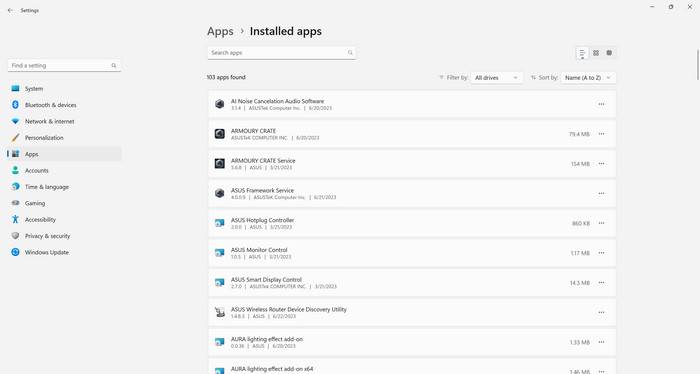
- Manual Uninstallation: You can uninstall ASUS Live Update through the Control Panel on Windows. Simply navigate to “Programs and Features,” locate ASUS Live Update in the list of installed programs, and select “Uninstall.”
- Third-Party Uninstaller: Using a third-party uninstaller tool can help ensure a thorough removal of ASUS Live Update and any associated files or registry entries. One recommended tool is Revo Uninstaller Free, which offers advanced scanning and cleaning capabilities.
Conclusion
ASUS Live Update can be a useful tool for keeping ASUS devices up to date, but it is not without its risks and concerns. Considering factors such as security, reliability, performance, and convenience, users should carefully evaluate whether to keep or remove ASUS Live Update from their systems. Regardless of the decision, it is important to stay proactive in maintaining the security and performance of your devices by regularly checking for updates and using trusted sources for downloads.








