

RtHDVBg.exe: What It Is, Should I Remove It & How To Fix Its Errors
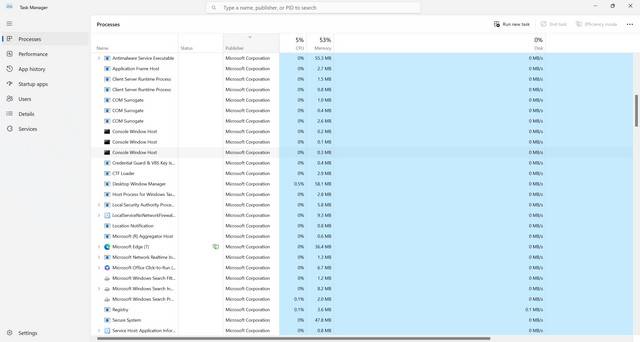
Have you ever noticed a process called RtHDVBg.exe running in your Windows Task Manager and wondered what it is? In this article, we will explore the details of RtHDVBg.exe, discuss whether you should remove it, and provide solutions to fix any errors associated with it.
What is RtHDVBg.exe?
RtHDVBg.exe is an executable file associated with Realtek High Definition Audio Driver. Realtek is a popular manufacturer of audio hardware and software solutions for computers. The file is part of the Realtek HD Audio Manager, which is responsible for managing audio settings and providing additional features for Realtek audio devices.
When you install the Realtek HD Audio Driver on your computer, RtHDVBg.exe is automatically added to the startup programs. It runs in the background and ensures that the audio driver functions properly, allowing you to enjoy high-quality audio playback and use the additional features provided by Realtek.
Should I Remove RtHDVBg.exe?
While RtHDVBg.exe is a legitimate file associated with Realtek audio drivers, some users may wonder if it is necessary to keep it running. The decision to remove RtHDVBg.exe depends on your specific needs and preferences.
If you rarely use your computer’s audio capabilities or prefer to use third-party audio solutions, you may consider disabling or removing RtHDVBg.exe. However, keep in mind that doing so may result in the loss of certain audio features and functionality provided by Realtek.
If you are unsure whether you should remove RtHDVBg.exe, it is recommended to keep it running unless you experience any issues or errors related to the Realtek audio driver. In such cases, it is advisable to troubleshoot the errors before considering removing the file.
How to Fix RtHDVBg.exe Errors
If you encounter errors or issues related to RtHDVBg.exe, there are several steps you can take to resolve them. Here are some common solutions:
1. Update Realtek Audio Driver
Outdated or incompatible audio drivers can cause errors with RtHDVBg.exe. To fix this, you should update your Realtek audio driver to the latest version. You can download the latest driver from the official Realtek website or use a reliable driver update tool.
2. Run a Malware Scan
In some cases, malware or viruses can disguise themselves as legitimate processes, including RtHDVBg.exe. To ensure that your system is free from malware, it is recommended to run a thorough antivirus scan. Malwarebytes Free is a trusted antivirus software that can help detect and remove any potential threats. You can download Malwarebytes Free from their official website here.
3. Disable Startup Programs
If RtHDVBg.exe is causing performance issues or slowing down your computer, you can try disabling it from the startup programs. To do this, follow these steps:
- Open the Task Manager by pressing Ctrl + Shift + Esc or right-clicking on the taskbar and selecting “Task Manager.”
- Go to the “Startup” tab.
- Locate “Realtek HD Audio Manager” or “RtHDVBg.exe” in the list of startup programs.
- Right-click on it and select “Disable.”
Disabling RtHDVBg.exe from startup programs will prevent it from running automatically when you start your computer. However, keep in mind that this may disable certain audio features provided by Realtek.
4. Reinstall Realtek Audio Driver
If none of the above solutions work, you can try reinstalling the Realtek audio driver. To do this, follow these steps:
- Open the Device Manager by pressing Win + X and selecting “Device Manager.”
- Expand the “Sound, video and game controllers” category.
- Right-click on your Realtek audio device and select “Uninstall device.”
- Restart your computer.
- Windows will automatically reinstall the audio driver.
After the reinstallation, check if the RtHDVBg.exe errors have been resolved.
Summary
RtHDVBg.exe is a legitimate file associated with Realtek High Definition Audio Driver. It is responsible for managing audio settings and providing additional features for Realtek audio devices. While it is generally safe to keep RtHDVBg.exe running, you can consider removing it if you rarely use your computer’s audio capabilities or prefer third-party audio solutions.
If you encounter errors related to RtHDVBg.exe, you can try updating the Realtek audio driver, running a malware scan with Malwarebytes Free, disabling startup programs, or reinstalling the audio driver. These solutions should help resolve any issues and ensure smooth audio functionality on your computer.








