

Scams have become increasingly prevalent in the digital age, with fraudsters constantly devising new ways to deceive unsuspecting individuals. One such scam that has gained traction in recent times is the “Free Cadbury Hampers Giveaway” scam on Facebook. This article aims to shed light on this scam, how it works, what to do if you have fallen victim, and provide valuable insights to help readers protect themselves from falling prey to such scams.
What is the Free Cadbury Hampers Giveaway Scam?
The Free Cadbury Hampers Giveaway scam is a deceptive scheme that lures Facebook users with the promise of winning free Cadbury hampers. Scammers create fake Facebook pages or posts that mimic the official Cadbury page, complete with the company’s logo, branding, and enticing images of mouth-watering chocolates.
These fraudulent pages or posts often claim that Cadbury is celebrating a milestone or anniversary and is giving away a limited number of hampers to lucky winners. To participate, users are required to like, share, and comment on the post, as well as provide personal information such as their name, address, and contact details.
How Does the Scam Work?
The scammers behind the Free Cadbury Hampers Giveaway scam have a variety of malicious intentions. Here’s a step-by-step breakdown of how the scam typically unfolds:
- The scammer creates a fake Facebook page or post that closely resembles the official Cadbury page.
- The post or page is designed to attract attention and generate engagement by offering free Cadbury hampers.
- Users who fall for the scam are required to like, share, and comment on the post, as well as provide personal information.
- The scammers collect the personal information provided by users, which can be used for identity theft or sold on the dark web.
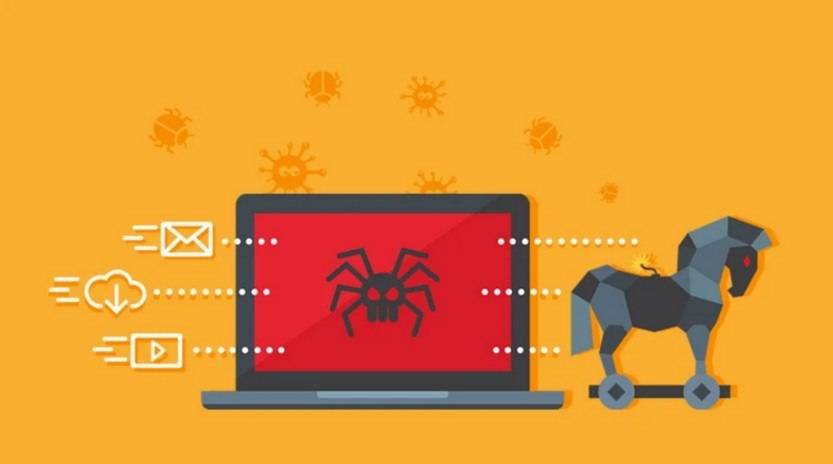
- Some scammers may also redirect users to malicious websites or prompt them to download malware-infected files.
It’s important to note that Cadbury is not involved in these giveaways, and any pages or posts claiming to be affiliated with the company are fraudulent.
What to Do If You Have Fallen Victim?
If you have fallen victim to the Free Cadbury Hampers Giveaway scam or any similar scam on Facebook, it’s crucial to take immediate action to protect yourself:
- Report the fraudulent page or post to Facebook by clicking on the three dots in the top-right corner of the post and selecting “Report post” or “Report page.”
- Remove any personal information you may have shared on the scam page or post.
- Change your Facebook password to prevent unauthorized access to your account.
- Monitor your bank accounts and credit cards for any suspicious activity and report it to your financial institution.
- Consider running a scan with Malwarebytes Free to ensure your device is not infected with malware.
Technical Details of the Scam
The Free Cadbury Hampers Giveaway scam primarily relies on social engineering techniques to deceive users. However, scammers may also employ various technical tactics to further their malicious objectives:
- Phishing: Scammers may create fake websites that resemble legitimate Cadbury pages to trick users into entering their personal information.
- Malware: Some scammers may use the scam as a means to distribute malware by prompting users to download infected files or visit malicious websites.
- Identity Theft: The personal information collected from victims can be used for identity theft, leading to financial loss and potential damage to one’s reputation.
Statistics on Facebook Scams
Facebook scams, including the Free Cadbury Hampers Giveaway scam, have become alarmingly common. Here are some statistics that highlight the prevalence of scams on the platform:
- According to a report by the Better Business Bureau, Facebook scams accounted for over $117 million in reported losses in 2022.
- A study conducted by the University of Warwick found that Facebook scams are more likely to target users aged 65 and older.
- Research by the cybersecurity firm ZeroFOX revealed that 53% of all social media scams occur on Facebook.
Conclusion
The Free Cadbury Hampers Giveaway scam on Facebook is a deceptive scheme that preys on users’ desire for freebies. By creating fake pages or posts, scammers trick unsuspecting individuals into providing personal information or falling victim to malware attacks. It’s crucial to remain vigilant and skeptical of such offers on social media platforms.
If you encounter any suspicious pages or posts claiming to offer free giveaways, report them to Facebook, remove any personal information you may have shared, and take steps to protect your online security. Remember to run regular scans with Malwarebytes Free to ensure your devices are free from malware.








