

Scams have become increasingly prevalent in the digital age, with scammers finding new and creative ways to deceive unsuspecting individuals. One such scam that has gained traction in recent years is the Virgin Airlines Australia “Holiday Giveaway” Facebook scam. This article aims to provide a comprehensive overview of this scam, including what it is, how it works, what to do if you have fallen victim, technical details, and statistics to support the points made.
What is the Virgin Airlines Australia “Holiday Giveaway” Facebook Scam?
The Virgin Airlines Australia “Holiday Giveaway” Facebook scam is a fraudulent scheme that targets Facebook users by promising them a chance to win a free holiday package from Virgin Airlines Australia. Scammers create fake Facebook pages that mimic the official Virgin Airlines Australia page, complete with the company’s logo and branding. These pages often have a significant number of followers, making them appear legitimate to unsuspecting users.
The scammers then post enticing content on these fake pages, such as photos of luxurious holiday destinations and testimonials from supposed winners. They claim that users can enter the giveaway by liking, sharing, and commenting on the post. This engagement helps the scam gain visibility and reach a larger audience.
How Does the Scam Work?
Once users engage with the scam post by liking, sharing, and commenting, they are directed to a fraudulent website that appears to be affiliated with Virgin Airlines Australia. This website prompts users to provide their personal information, such as their name, email address, and phone number, under the guise of entering them into the holiday giveaway.
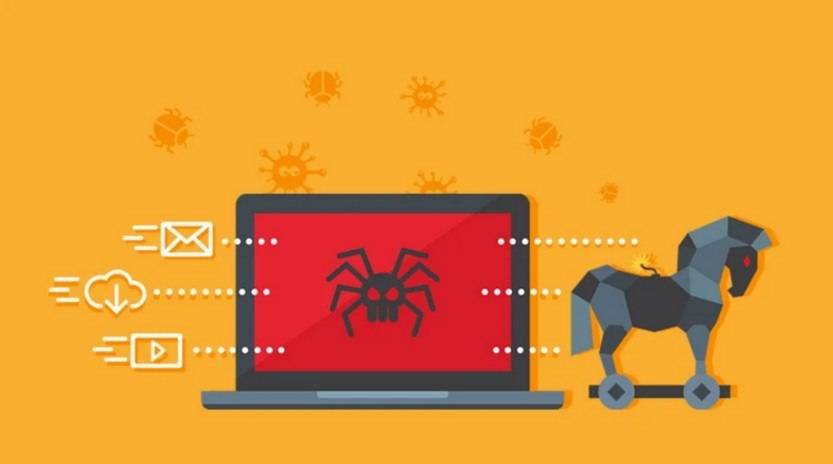
Unbeknownst to the users, the scammers behind the scam use this personal information for malicious purposes. They may sell the information to third parties, who can then use it for targeted phishing attacks or identity theft. Additionally, users may be redirected to other websites that contain malware or viruses, putting their devices and personal data at risk.
What to Do If You Have Fallen Victim?
If you have fallen victim to the Virgin Airlines Australia “Holiday Giveaway” Facebook scam, it is crucial to take immediate action to protect yourself and minimize the potential damage.
- Change your passwords: Start by changing the passwords for all your online accounts, including social media, email, and banking accounts. Use strong, unique passwords that are difficult to guess.
- Monitor your accounts: Keep a close eye on your bank statements, credit reports, and any other accounts that may have been compromised. Report any suspicious activity to the respective institutions.
- Report the scam: Report the scam to Facebook by clicking on the three dots in the top right corner of the scam post and selecting “Report post.” This helps Facebook take action against the scammers and prevent others from falling victim.
- Scan for malware: Run a scan with Malwarebytes Free or another reputable antivirus software to check for any malware or viruses that may have been installed on your device.
- Be cautious of future scams: Learn from the experience and be more vigilant when engaging with online promotions or giveaways. Verify the legitimacy of the offer by visiting the official website or contacting the company directly.
Technical Details of the Scam
The Virgin Airlines Australia “Holiday Giveaway” Facebook scam utilizes various techniques to deceive users and appear legitimate. Some of the technical details of the scam include:
- Domain spoofing: Scammers create websites that closely resemble the official Virgin Airlines Australia website, using similar domain names and design elements to trick users into believing they are on a legitimate site.
- Social engineering: The scammers use persuasive language and appealing visuals to entice users into engaging with the scam post and providing their personal information.
- Phishing attacks: By collecting users’ personal information, scammers can launch targeted phishing attacks, sending fraudulent emails or messages that appear to be from Virgin Airlines Australia or other trusted sources.
- Malware distribution: Users may be redirected to websites that contain malware or viruses, which can be automatically downloaded onto their devices without their knowledge.
Statistics on Facebook Scams
Facebook scams, including the Virgin Airlines Australia “Holiday Giveaway” scam, have become alarmingly common in recent years. Here are some statistics that highlight the prevalence and impact of these scams:
- According to a report by the Better Business Bureau, Facebook scams accounted for over $117 million in reported losses in 2020 alone.
- A study conducted by the University of California, Berkeley found that Facebook users are more likely to fall for scams compared to users of other social media platforms.
- Research by cybersecurity firm ZeroFOX revealed that over 53,000 Facebook scams were reported in a single year, with an average of 146 scams per day.
Summary
The Virgin Airlines Australia “Holiday Giveaway” Facebook scam is a deceptive scheme that preys on unsuspecting users by promising them a chance to win a free holiday package. However, the scam is designed to collect users’ personal information for malicious purposes and put their devices and data at risk. If you have fallen victim to this scam, it is crucial to take immediate action by changing passwords, monitoring accounts, reporting the scam, and scanning for malware. By staying vigilant and informed, users can protect themselves from falling victim to such scams in the future.








