

With the rise of digital currencies like Bitcoin, scammers have found new ways to exploit unsuspecting individuals. One such method is through spam emails promising access to a members area for binary options trading. These emails often claim to offer lucrative opportunities to make quick profits, but in reality, they are part of a sophisticated scam designed to steal money and personal information. In this article, we will delve into the details of this scam, how it works, what to do if you have fallen victim, and provide valuable insights to help you stay safe online.
What are Binary Options?
Binary options are a type of financial derivative where traders speculate on the price movement of an underlying asset within a specific timeframe. The trader must predict whether the price will rise or fall, and if their prediction is correct, they receive a fixed payout. If their prediction is wrong, they lose the entire investment.
Binary options have gained popularity due to their simplicity and potential for high returns. However, they are also highly risky and often associated with fraudulent activities. Scammers exploit this by using spam emails to lure unsuspecting individuals into their trap.
How the Scam Works
The ‘I Want To Give You Access To Our Members Area’ binary options Bitcoin spam email typically follows a similar pattern:
- The email arrives in your inbox, often from an unknown sender or a fake name.
- The subject line is designed to grab your attention, such as “Exclusive Invitation” or “Limited Time Offer.”
- The email claims that the sender has access to a members area where you can trade binary options and make substantial profits.
- They promise to provide you with a unique opportunity to join their exclusive group of successful traders.
- To gain access, you are required to click on a link or download a file.
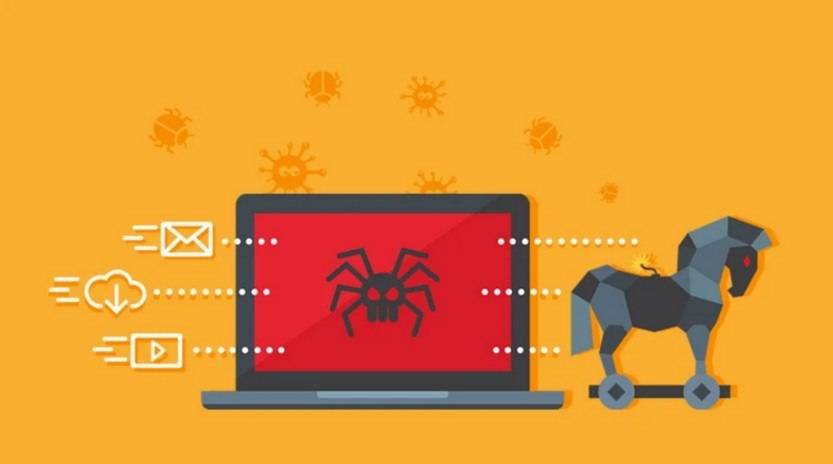
- Clicking on the link or downloading the file may lead to the installation of malware or redirect you to a fake website designed to steal your personal information.
- If you proceed further, you may be asked to provide your credit card details or make an initial investment to start trading.
- Once you provide your financial information, the scammers can use it to make unauthorized transactions or sell it on the dark web.
What to Do If You Have Fallen Victim
If you have fallen victim to the ‘I Want To Give You Access To Our Members Area’ binary options Bitcoin spam email, it is crucial to take immediate action to minimize the damage:
- Disconnect from the internet: Unplug your computer or turn off your Wi-Fi to prevent further communication between your device and the scammers.
- Scan for viruses and malware: Run a scan with a reliable antivirus software like Malwarebytes Free to detect and remove any malicious programs.
- Change your passwords: Reset your passwords for all your online accounts, including email, banking, and social media, to prevent unauthorized access.
- Contact your bank or credit card company: Inform them about the scam and request a freeze on your accounts to prevent any fraudulent transactions.
- Report the incident: File a complaint with your local law enforcement agency and report the scam to the appropriate authorities, such as the Federal Trade Commission (FTC) or the Internet Crime Complaint Center (IC3).
Technical Details of the Scam
The ‘I Want To Give You Access To Our Members Area’ binary options Bitcoin spam email relies on various technical tactics to deceive recipients:
- Email spoofing: Scammers often use techniques to make the email appear as if it is coming from a legitimate source, such as a well-known financial institution or a reputable company.
- Malware distribution: Clicking on the link or downloading the file in the email can lead to the installation of malware, such as keyloggers or ransomware, which can compromise your device and steal sensitive information.
- Phishing websites: Scammers create fake websites that mimic legitimate trading platforms to trick users into providing their personal and financial information.
- Social engineering: The scammers use persuasive language and psychological tactics to create a sense of urgency and entice individuals to take immediate action without thinking rationally.
Statistics on Binary Options Scams
Binary options scams have become a significant concern globally. Here are some statistics that highlight the magnitude of the problem:
- According to the FBI, binary options scams resulted in losses of over $10 billion worldwide between 2012 and 2019.
- In 2020, the UK’s Financial Conduct Authority (FCA) reported that victims of binary options scams lost an average of £14,600 ($20,000).
- A study by the Canadian Securities Administrators (CSA) found that 43% of binary options investors experienced financial losses, with an average loss of $15,000.
Conclusion
The ‘I Want To Give You Access To Our Members Area’ binary options Bitcoin spam email is a dangerous scam that preys on individuals’ desire for quick profits. It is essential to be vigilant and skeptical of unsolicited emails promising lucrative opportunities. Remember to never click on suspicious links or download files from unknown sources.
If you have fallen victim to this scam, take immediate action to protect yourself by disconnecting from the internet, scanning for viruses and malware, changing your passwords, and contacting your bank or credit card company. Report the incident to the relevant authorities to help prevent others from becoming victims.
By staying informed and cautious, you can protect yourself from falling prey to scams and ensure a safer online experience.








