

Scams have become increasingly prevalent in the digital age, with scammers constantly finding new ways to deceive unsuspecting individuals. One such scam that has recently gained attention is the ‘Kohl’s is Rewarding Each Family with FREE $150 OFF Coupon’ email scam. This scam preys on the desire for discounts and freebies, targeting individuals who are loyal customers of the popular retail chain, Kohl’s.
What is the ‘Kohl’s is Rewarding Each Family with FREE $150 OFF Coupon’ Email Scam?
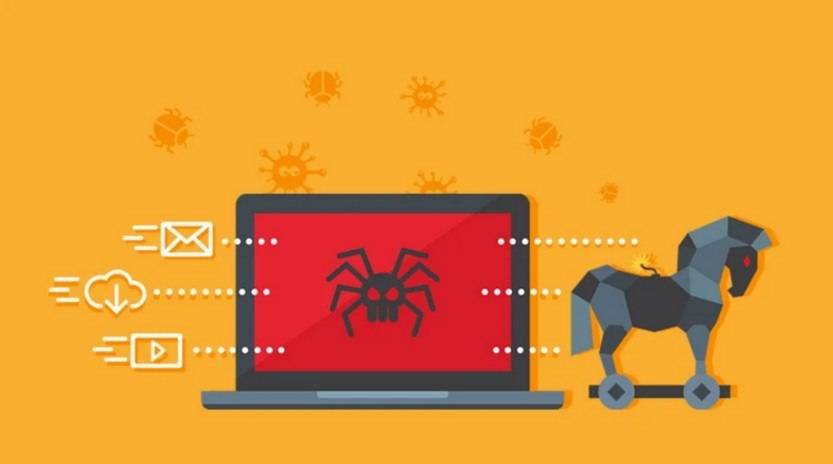
The ‘Kohl’s is Rewarding Each Family with FREE $150 OFF Coupon’ email scam is a phishing attempt that aims to trick recipients into providing their personal information or downloading malicious software. The scam typically involves an email that appears to be from Kohl’s, claiming that the recipient has been selected to receive a generous $150 off coupon as a reward for being a loyal customer.
The email often includes the Kohl’s logo and uses official-sounding language to make it seem legitimate. It may also contain a link or attachment that the recipient is instructed to click on or download in order to claim the coupon. However, clicking on the link or downloading the attachment can lead to disastrous consequences.
How Does the Scam Work?
The ‘Kohl’s is Rewarding Each Family with FREE $150 OFF Coupon’ email scam works by exploiting the trust and excitement of recipients who believe they are receiving a valuable coupon. Here is a step-by-step breakdown of how the scam typically unfolds:
- The recipient receives an email that appears to be from Kohl’s, claiming they have been selected to receive a $150 off coupon.
- The email contains a link or attachment that the recipient is instructed to click on or download to claim the coupon.
- If the recipient clicks on the link or downloads the attachment, they are redirected to a fake website that closely resembles the official Kohl’s website.
- The fake website prompts the recipient to enter their personal information, such as their name, address, phone number, and credit card details.
- Once the recipient submits their information, it is captured by the scammers, who can then use it for identity theft or other fraudulent activities.
It is important to note that the email and the fake website are carefully designed to appear legitimate, making it difficult for recipients to distinguish them from the real Kohl’s communications.
What to Do If You Have Fallen Victim?
If you have fallen victim to the ‘Kohl’s is Rewarding Each Family with FREE $150 OFF Coupon’ email scam, it is crucial to take immediate action to protect yourself and minimize the potential damage. Here are the steps you should follow:
- Disconnect from the internet: If you suspect that you have provided your personal information to scammers, disconnect from the internet to prevent further unauthorized access to your accounts and devices.
- Scan your device for malware: Run a scan with a reputable antivirus or anti-malware software, such as Malwarebytes Free, to detect and remove any malicious software that may have been installed on your device.
- Change your passwords: Change the passwords for all your online accounts, including your email, social media, and financial accounts. Use strong, unique passwords that are not easily guessable.
- Monitor your accounts: Keep a close eye on your bank statements, credit reports, and other financial accounts for any suspicious activity. Report any unauthorized transactions or signs of identity theft to the relevant authorities.
- Be cautious of future emails: Exercise caution when receiving emails claiming to be from Kohl’s or any other company. Verify the legitimacy of the email by contacting the company directly through their official website or customer service channels.
Technical Details of the Scam
The ‘Kohl’s is Rewarding Each Family with FREE $150 OFF Coupon’ email scam utilizes various techniques to deceive recipients and steal their personal information. Here are some technical details of the scam:
- Phishing emails: The scammers send out mass emails that mimic the appearance of legitimate Kohl’s communications, including the use of the company’s logo and official language.
- Fake websites: The scammers create fake websites that closely resemble the official Kohl’s website, tricking recipients into entering their personal information.
- Spoofed email addresses: The scammers often use spoofed email addresses that make it appear as if the email is coming from a legitimate Kohl’s domain.
- Social engineering: The scammers use psychological manipulation to exploit the trust and excitement of recipients, making them more likely to fall for the scam.
Statistics on Email Scams
Email scams, such as the ‘Kohl’s is Rewarding Each Family with FREE $150 OFF Coupon’ scam, are a widespread issue that affects individuals and businesses alike. Here are some statistics that highlight the prevalence and impact of email scams:
- According to the FBI’s Internet Crime Complaint Center (IC3), email scams accounted for over $1.8 billion in losses in 2020.
- A report by the Anti-Phishing Working Group (APWG) found that there were over 241,324 unique phishing attacks in the first quarter of 2021 alone.
- Research conducted by Verizon revealed that 94% of malware is delivered via email.
- A study by Symantec found that the average user receives 16 malicious spam emails per month.
Summary
The ‘Kohl’s is Rewarding Each Family with FREE $150 OFF Coupon’ email scam is a phishing attempt that targets individuals who are loyal customers of Kohl’s. The scam tricks recipients into providing their personal information or downloading malicious software by offering a generous coupon as a reward. If you have fallen victim to this scam, it is important to take immediate action to protect yourself and minimize the potential damage. Disconnect from the internet, scan your device for malware, change your passwords, monitor your accounts, and be cautious of future emails. Email scams are








