

Online shopping scams involving elaborate fake HOKA websites are bilking customers out of money through seemingly amazing discounts. However, research reveals these fraudulent sites are part of an interconnected scam network based in China. The operators are anonymous and lack authorization to use HOKA branding. Victims receive either nothing after payment or low-quality knockoffs.
This comprehensive guide will examine how this pervasive scam works, techniques for identifying fraudulent sites, steps to take if you are victimized, and tips for safely buying authentic HOKA shoes online.
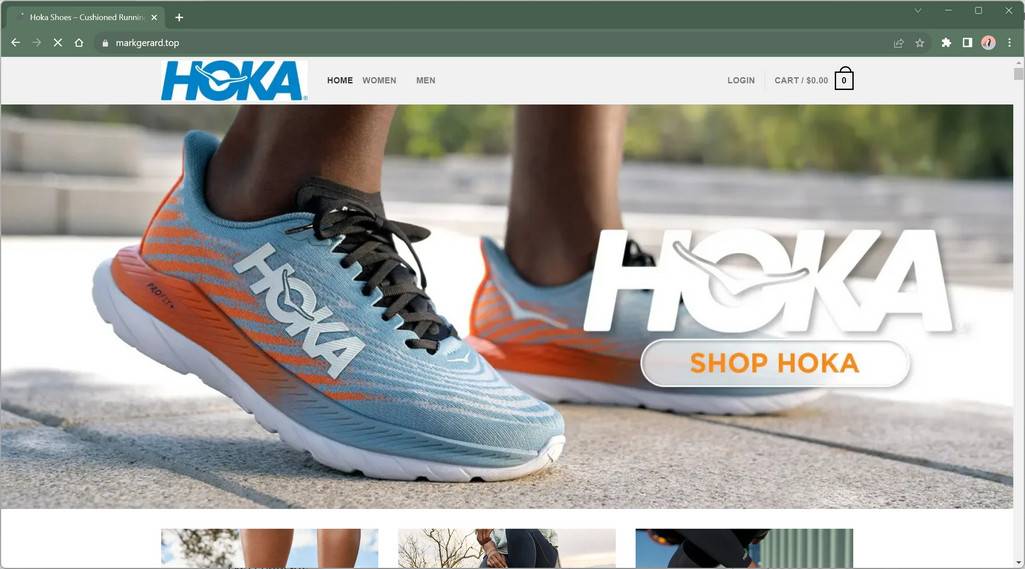
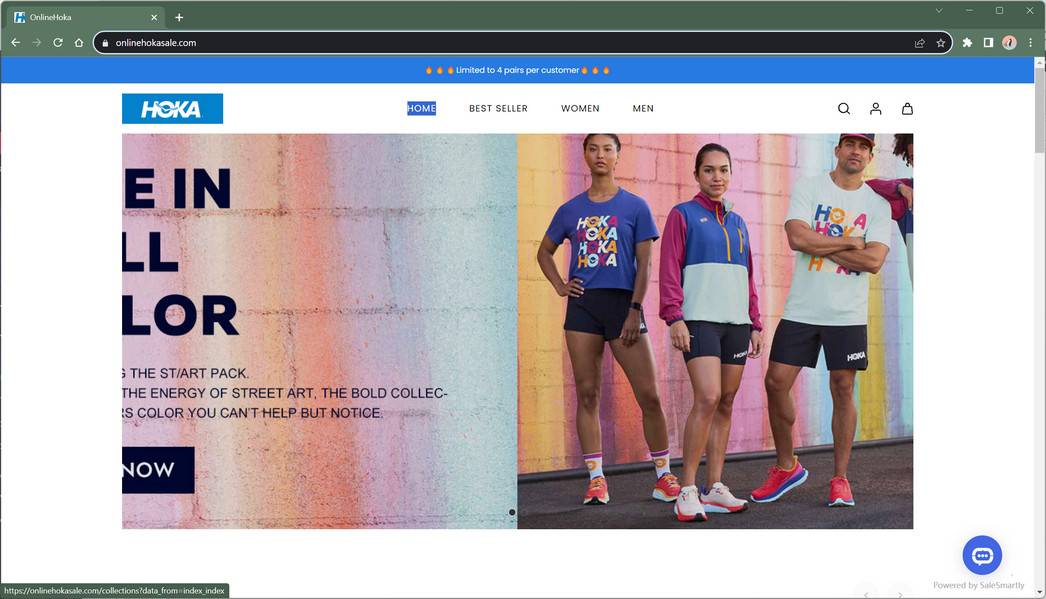
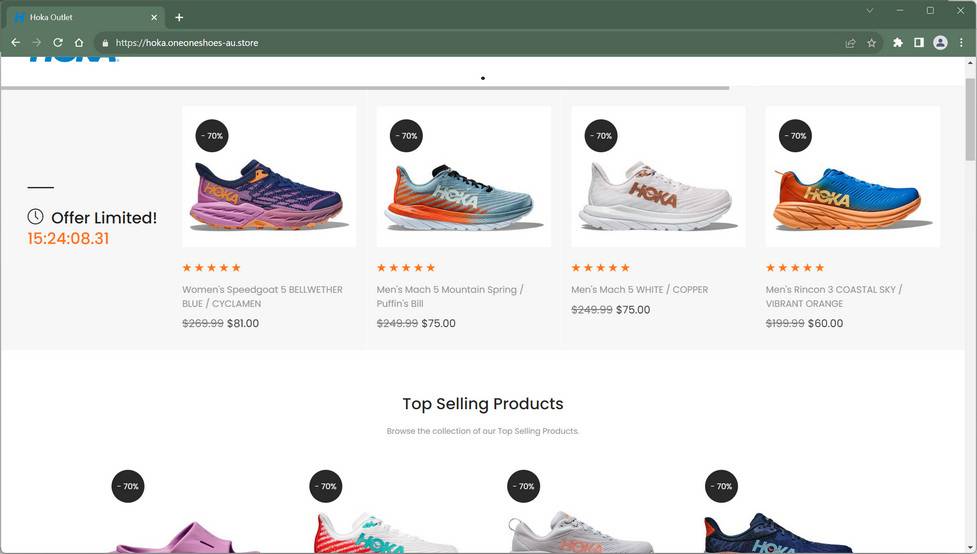

Overview of the Fake HOKA Websites Scam
Highly elaborate fake e-commerce websites pretending to sell genuine HOKA shoes are proliferating rapidly online and bilking customers out of money through seemingly amazing discounts up to 80% off. However, detailed research indicates these fraudulent sites are part of an extensive interconnected scam network based out of China.
The operators are completely anonymous, lacking any transparency about who owns or runs these fake sites. They display HOKA’s actual logo, imitate website design, and utilize HOKA shoe models like the Bondi, Clifton, and Rincon. However, HOKA has not authorized them to use the brand in this deceptive manner.
These fraudulent sites lure customers in with unrealistic pricing for coveted HOKA shoes that could not be profitable for a real business. All product images and descriptions are stolen from authentic retailers, showing the lack of originality. They have no social media presence, unlike legitimate brands who maintain accounts for engagement.
Once payments are submitted, customers receive either nothing at all after endless delays or low-quality counterfeit HOKA shoes made with inferior materials if any shipment arrives. The sophisticated scam network relies heavily on social media ads to direct traffic to their convincingly designed but fake sites.
This complex scam is designed to steal money through fraudulent orders, compromise users’ personal and payment information for identity theft potential, and avoid accountability through anonymity. Those victimized end up losing funds through failed chargeback attempts and some even have their data compromised for future misuse.
How the Fake HOKA Website Scam Unfolds
The elaborate scam deployed by these fraudulent sites involves multiple deceptive stages designed to dupe customers into ordering and extracting payments. Here is how the scam typically operates:
Step 1: False Social Media Ads Lure Victims In
- Scammers run eye-catching ads on Facebook, Instagram, TikTok using HOKA shoe images
- Ads contain enticing messages like “60% Off This Weekend Only!”
- Links in ads redirect to elaborate fake HOKA websites controlled by scammers
- Targeted ads are optimized to reach users who are deal-seeking runners
Step 2: Visitors Land on Highly Deceptive Fake Sites
- Sites utilize HOKA’s actual branding, logo, and web design without authorization
- Organized with HOKA shoe categories, shopping cart, and checkout mimicking authentic experience
- All product photos, descriptions, and content stolen from legitimate retailers
- Prices set unrealistically low, like $30 for a $130 shoe, to further deception
Step 3: Customers Submit Orders and Personal Information
- During checkout, users enter shipping address, email, payment details, and other PII
- Scammers can retain this info for future identity theft or sale on dark web
- Fake sites have claims of security and purchase protection to build trust
- No indicators it’s an unauthorized fraudulent operation, not real HOKA
Step 4: No Shoes Arrive After Payment Despite Confirmation
- After submitting payment, customers receive order confirmation emails
- Weeks pass with no shipment delivery as scammers already captured funds
- Customer service emails and calls go unreturned or bounce back
- Customers slowly realize they have been scammed
Step 5: Attempted Chargebacks Fail, Banks Can’t Identify Fraudster
- When customers try chargebacks for goods never received, banks cannot identify merchant
- The anonymous scam network conceals and launders all payments
- Customers lose money, left only with order confirmations from untraceable scam site
The multi-stage scam capitalizes on convincing websites, deceptive marketing, fraudulent payments, and lack of accountability to operate at scale while avoiding repercussions.
Red Flags to Identify Fake Sites
While scammers create convincing fake HOKA sites, several key signs can indicate their illegitimacy:
- Ridiculously low prices like $50 for a $150 shoe
- Stock photos instead of real product images
- Generic designs not matching real HOKA shoes
- Grammatical/spelling errors
- No physical address listed for the “company”
- No working customer service phone/email
- No reviews or all reviews seem fake
- Aggressive sales tactics urging immediate purchase
- Temporary-looking domain name
Steps if Scammed by a Fake HOKA Website
If you are victimized by a fake HOKA website, immediately take these steps:
If you made a purchase or entered personal information this website, acting quickly can help you minimize financial loss, secure your accounts, and prevent further misuse of your data. Follow these steps carefully:
- Contact your bank or payment provider immediately
If you paid with a credit or debit card, call your bank’s customer service line and explain that you placed an order on a website that may be fraudulent. Request to dispute the transaction or initiate a chargeback.
If you used PayPal or another payment processor, file a dispute through their resolution center and provide order confirmations, emails, or screenshots as supporting evidence.
Fast action gives you the best chance of recovering your money and preventing additional unauthorized charges. - Freeze or replace your payment method
If your card or account details were entered on this website, it’s safest to have your bank or provider issue a replacement card. This prevents future unauthorized transactions and protects your financial accounts.
Some banks may also offer temporary holds or fraud alerts, ensuring no additional transactions can be made without your consent. - Run a personal data removal scan
Fraudulent websites often collect personal information such as names, phone numbers, addresses, and emails. This data may be shared with third parties or added to marketing and phishing lists.
A trusted service such as Malwarebytes Personal Data Remover can identify where your information is listed across data broker networks and help you request its removal. - Check your digital footprint
Even if you didn’t lose money, your personal data could already be circulating online. Running a digital footprint scan can help reveal whether your email address, phone number, or other personal information is present in leaks or broker databases.
This allows you to take proactive measures such as changing credentials, monitoring accounts, or setting up alerts before your data is misused. - Change your passwords and enable 2FA
If the same email or password used during checkout is also used on other websites or services, update those credentials immediately.
Choose strong, unique passwords and enable two-factor authentication (2FA) on all important accounts, especially your primary email, banking apps, and social media. This extra security layer makes unauthorized access significantly harder. - Scan your device for potential threats
Many fraudulent sites contain hidden tracking scripts, phishing pop-ups, or files designed to compromise your security.
Run a full system scan using a trusted security solution such as Malwarebytes Free or ESET Online Scanner to make sure your device hasn’t been exposed to malware or spyware during the visit.
If any suspicious files are found, remove them and restart your device. - Check your accounts and statements regularly
Monitor your bank and credit card statements closely for any unauthorized activity. Look for unfamiliar charges, subscription renewals, or repeated small test transactions.
Also review your email inbox and online accounts for password reset notices or sign-in alerts you didn’t initiate. Report anything unusual to your bank or account provider immediately. - Report the incident to the appropriate authorities
Reporting helps law enforcement track fraudulent websites and can support your claim if needed.- In the U.S., file a report with FTC ReportFraud.ftc.gov.
- In the EU, contact Europol or your national cybercrime unit.
- Globally, you can also submit the site to ScamAdviser to help warn other consumers.
Providing the website URL, order details, and communications increases the impact of your report.
- Save all evidence and communication
Keep copies of order confirmations, emails, payment records, chat logs, and screenshots of the website. This documentation can be crucial for supporting your chargeback request, reporting the case, or pursuing legal remedies if needed.
Store everything in one secure folder so you can easily provide it to your bank or relevant agencies. - Be cautious of follow-up contact
After incidents like this, affected individuals may receive fake refund messages, phishing emails, or phone calls pretending to offer “assistance.”
Do not click on unsolicited links, download attachments, or provide additional personal information. If you receive any message related to this website, verify its authenticity directly through your bank or official payment provider channels.
Fake HOKA Shopping Scam FAQs
How can scam sites sell HOKA shoes so cheap?
Fake sites show unrealistic prices like $30 shoes to lure customers. Scammers don’t actually send any shoes, just steal money. Legit HOKA retailers could never sustain those low prices at scale.
Are the cheap HOKAs on Facebook ads real?
No. While ads may claim “60% Off!” or “HOKA Sale!”, it always links to fake scam sites, never the real company. The real HOKA brand does not run discounts that low.
What happens when I order from a scam site?
Most likely you will receive nothing after payment. In some cases, victims receive cheap knockoffs made with inferior materials, used/damaged shoes, or completely wrong random items.
How do I report a fake website?
Submit detailed complaints to the FTC, FBI IC3, BBB, HOKA, Ripoff Report, and your state attorney general. Provide the site name, URL, screenshot evidence, and your experience.
How can I determine if a site is fake or real?
Fake sites have prices too good to be true, stock photos, no real address, gramatical errors, lacking contact info, no SSL, no social media presence, temporary URL, and other red flags.
Will I get my money back if scammed?
Contact your credit card provider immediately to report fraud charges and request a chargeback. Provide evidence and details. If you wired funds, recovery is very challenging. Avoid any “refund services”.
Is it safe to buy HOKAs on Instagram or Facebook?
No, those platforms carry high risks from scam sellers. Only buy directly on the real HOKA site. Avoid ads, Marketplace, and posts from random accounts claiming HOKA shoes.
How do I avoid having my data stolen?
Only enter personal and payment information on the legitimate HOKA site after fully vetting the seller. Use a credit card for purchase protection. Monitor bank activity and check credit reports if you fear information was compromised.
Can the scammers be punished or stopped?
It’s very difficult. The sites conceal identifying details and payments are laundered cryptically. Reporting fake sites to get them taken down helps prevent future victims. Avoid “recovery services” claiming to track the criminals.
The Bottom Line
When searching for discounted HOKA shoes online, remember unbelievably cheap prices and over the top deals always signal counterfeit websites. Safe shopping starts with ordering directly from HOKA websites instead of clicking social media ads. If you do land on a different site, look for red flags, verify contact details, and trust your instincts – if it seems fake, walk away. Reporting fraudulent sites can help bring down scammers and protect potential victims. With awareness of their tactics, savvy shoe shoppers can score authentic HOKA running shoes while steering clear of scams.








