

A voicemail from someone named Jessica says you were selected for a CVS customer-appreciation gift worth up to $250. The offer is available for a limited time, and all you need to do is visit CVSBonus.com to choose your reward.
CVSBonus.com is not a CVS website. The message is a phishing lure that uses the CVS name to push people through a reward survey and toward a small shipping payment. The prize is bait; the real target is your card and personal information.
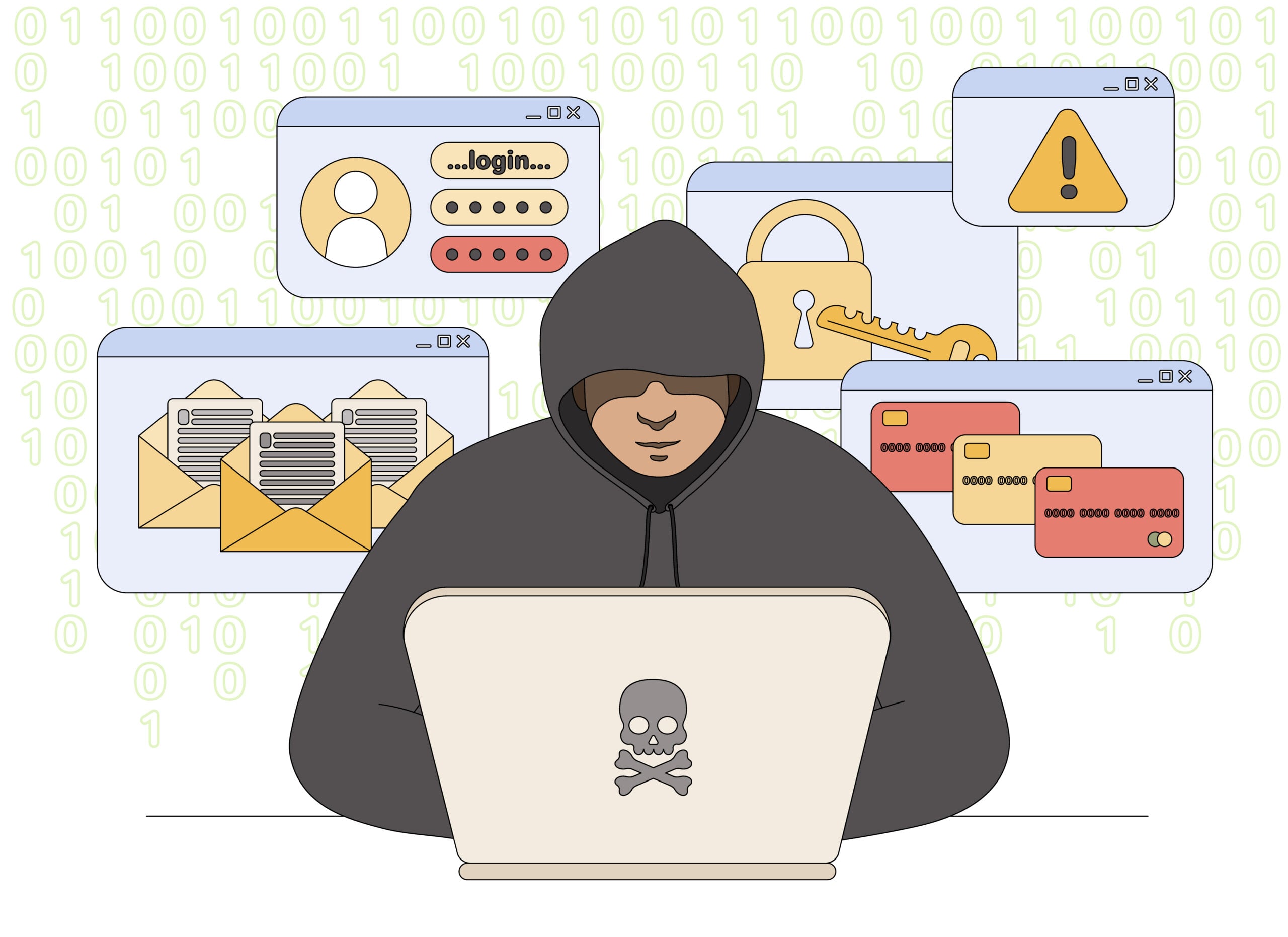
CVSBonus.com Scam Overview
The voicemail makes the reward feel personal
The campaign often begins with a friendly voicemail from “Jessica.” She says you were selected for a CVS customer-appreciation offer and can choose a free loyalty gift worth up to $250. It resembles an ExtraCare promotion but never explains what created the reward.
Recipients are directed to CVSBonus.com and told that the offer is available only for a limited time. The address combines a trusted retailer’s name with a promotional word, which can look official on a phone screen. It is not CVS.com and should not be treated as a website operated or approved by CVS.
The free gift leads to a payment form
Visitors may complete a short satisfaction survey and receive a congratulatory message. They are then shown expensive-looking products such as a robot vacuum or smartwatch at a price of $0. Only a small shipping or handling fee remains, making the card request seem minor compared with the promised $250 value.
That payment step is the trap. It collects a full card number together with a name, address, phone number and email. The operator can attempt unauthorized charges, use unclear terms to start recurring billing or test the card with a small amount before larger transactions appear under an unfamiliar merchant name.
- The borrowed trust: CVS branding and language associated with loyalty rewards.
- The false urgency: a valuable gift that must be claimed before a short deadline.
- The engagement tactic: a simple survey that makes the visitor feel the reward was earned.
- The real objective: card and identity details collected through a small shipping payment.
CVS has warned customers about fraudulent survey rewards, gift offers and phishing websites that are not associated with the company. A real CVS promotion should be verifiable through CVS.com, the official app or your documented ExtraCare account. If the reward exists only in a stranger’s message and on a separate domain, do not pay to claim it.
Warning Signs of the CVSBonus.com Reward
Check who operates the offer before valuing the prize
The message is built around a familiar brand and a reward large enough to feel exciting but not impossible. The separate domain and payment request reveal what the CVS logo is trying to hide.
A genuine promotion should be verifiable inside CVS.com, the official app or your documented ExtraCare account. A stranger’s voicemail and a brand-like web address are not verification.
Red flags at a glance
- The domain is not CVS.com. CVSBonus.com is a separate address and should not be treated as an official CVS property.
- The reward arrives unexpectedly. You did not enter a documented promotion or receive the offer inside your verified account.
- A stranger named Jessica creates urgency. The voicemail says the gift is available only for a limited time.
- A survey unlocks an expensive prize. Ordinary questions create the appearance that the reward was earned.
- A free item requires card details. A small shipping or handling fee becomes the reason to collect payment information.
- The offer is difficult to verify. The same reward is not visible through the official CVS website, app or customer-service channel.
Why the Small Shipping Fee Creates a Bigger Risk
A $0 prize still requires valuable information
The checkout may ask for less than $10, but it collects the same card number, expiry date and security code used for a much larger purchase. It also links those payment details to a name, delivery address, phone number and email. The value of that profile is far greater than the advertised shipping fee.
A small first transaction can test whether the card is active and whether the bank will approve the merchant. Later charges may use a different billing description, making them harder to connect with the original reward page. Unclear trial terms can also be used to justify recurring payments.
- Test charge: confirms that the card works before a larger attempt.
- Recurring enrollment: may be buried in terms that were not visible in the voicemail.
- Merchant mismatch: later charges may not contain CVS or CVSBonus in the statement name.
- Identity profile: combines contact, address and payment details for future targeting.
A successful survey is not proof of eligibility
The questions and progress bar are designed to create effort and anticipation. Most visitors can be congratulated regardless of their answers because the survey is a route to the checkout, not a controlled CVS promotion.
Before paying any fee, look for the offer inside the official CVS app or account and ask CVS customer service about the exact promotion. If it cannot be verified there, the prize has no trustworthy connection to CVS.
How the CVSBonus.com Scam Works
Step 1: A voicemail announces a $250 CVS reward
The campaign begins with a call, voicemail, email or text saying you were chosen for a customer-appreciation gift. The CVS name makes the offer feel connected to normal shopping or an ExtraCare membership.
The amount is specific enough to sound like a promotion. The caller does not explain which purchase, drawing or account activity created the eligibility.
Step 2: A limited-time deadline pushes the visit
The message says the reward must be claimed quickly. Urgency discourages the recipient from searching for the promotion through CVS’s real website or calling a store.
The friendly name Jessica makes the voicemail sound like routine customer service. A first name and warm tone are easy to script and do not prove affiliation.
Step 3: The brand-like domain creates false trust
CVSBonus.com combines the retailer’s name with a promotional word. On a phone screen, that can look official to someone who does not check the full domain carefully.
The important part is what appears immediately before the ending of the address. A website does not become part of CVS simply because CVS appears somewhere in its name.
Step 4: A short survey makes the prize feel earned
Visitors answer questions about shopping habits, satisfaction or product preferences. Progress bars and congratulatory messages create the feeling of completing a legitimate loyalty survey.
The survey also collects marketing information and keeps the visitor engaged. After investing time, people are more likely to finish the final payment step.
Step 5: A valuable product appears nearly free
The site presents several high-value gifts and says the product cost has been reduced to $0. Only shipping, handling or a small activation amount remains.
The contrast between a $250 reward and a tiny fee makes the card request feel reasonable. It also distracts from unclear terms around subscriptions or additional charges.
Step 6: The checkout collects card and identity details
The visitor enters a name, home address, phone number and full payment information. These details are valuable even if the advertised item is never shipped.
A small initial charge can test whether the card works. Fine print may also attempt to enroll the card in a trial or recurring program that was not obvious in the reward message.
Step 7: Charges continue while the reward disappears
The victim may receive nothing, a low-value item or a confirmation that never becomes valid tracking. Support can be difficult to identify because the site was built around the impersonated brand.
Later charges may use unfamiliar merchant names. Stolen contact details can also attract more prize, delivery and recovery scams tailored to someone who responded once.
How To Verify a CVS Reward
Verify the promotion inside the CVS ecosystem
Do not verify the offer through the same website or phone number that delivered it. Start again through a CVS channel you already know is genuine.
A safer verification sequence
- Check the web address. Official CVS information should be under CVS.com, not a separate brand-plus-bonus domain.
- Open the CVS app or account. Look for the reward in your verified ExtraCare activity and offers.
- Call CVS independently. Use a number printed on your card, prescription paperwork or the official website.
- Ask what created eligibility. A real promotion should have rules, dates and a traceable entry or purchase.
- Reject surprise shipping fees. Do not provide a card to claim an unexpected prize from an unverified page.
- Search the exact domain. Reports about impersonation or unauthorized billing are more useful than testimonials displayed by the offer itself.
What To Do If You Used CVSBonus.com
Treat the small payment as card exposure
Close the page and do not submit any additional forms. Take screenshots of the address, reward, checkout terms and confirmation before the site changes or disappears.
If you entered card details, contact the issuer immediately. Explain that the number was submitted to a CVS impersonation site and ask whether the card should be locked or replaced.
A small shipping charge should not be ignored. It confirms that the merchant can bill the card and may be followed by larger or recurring transactions under a different name.
Recovery checklist
- Lock the card through the banking app while you contact the issuer, if that feature is available.
- Ask the issuer to replace the card and block recurring transactions connected to the suspicious merchant.
- Dispute charges you did not clearly authorize and keep screenshots of the reward and checkout language.
- Change any password created on the site if it was reused for email, CVS or another shopping account.
- Monitor statements for small test transactions and unfamiliar billing descriptors during the following months.
- Place a fraud alert or credit freeze if Social Security, birth date or detailed identity information was disclosed.
- Report the fake promotion to CVS through its official security or customer-service channel and to the FTC.
- Block the caller and ignore follow-up messages promising delivery, refunds or prize recovery for another fee.
If you only visited the page and did not enter information or download anything, close it and clear any notification permission you may have accepted. No payment is needed to cancel an offer you never joined.
Frequently Asked Questions
Is CVSBonus.com an official CVS website?
No. The official CVS domain is CVS.com. CVSBonus.com is a separate address used in a reported phishing reward campaign.
Does CVS give $250 loyalty gifts by voicemail?
CVS has warned that fraudulent messages use survey rewards and gift offers to direct people to unrelated websites. Verify every promotion inside your official account or with CVS directly.
Why does the site ask for a small shipping fee?
The small fee makes an expensive prize appear believable and gives the operator a reason to collect a full card number. It can lead to further or recurring charges.
What if I already paid the shipping fee?
Contact the card issuer promptly, explain that the card was used on an impersonation site and ask about replacement, blocking future charges and disputing unauthorized transactions.
The Bottom Line
CVSBonus.com is a fake CVS reward funnel. The $250 loyalty gift, short survey and nearly free product are arranged to move victims toward a payment form controlled outside CVS.
Do not enter card details or pay shipping. Verify rewards through CVS.com or the official app, and contact your card issuer immediately if you already used the site.








