

Introduction
You have probably seen the clip already. A kitchen. A scare. A doctor who looks familiar, or a husband who found his wife on the bathroom floor. Then a bottle called CardioClear7, sold as the thing doctors missed.
That is why people search CardioClear7 reviews at midnight. The ads are built to follow you until you click.
This is the same pattern as the memory and blood-sugar campaigns. A fake news story. A supplement. A bulk discount. A refund that sounds easy until you try to use it. Then, for a lot of buyers, extra bottles and charges that are hard to stop.
Overview
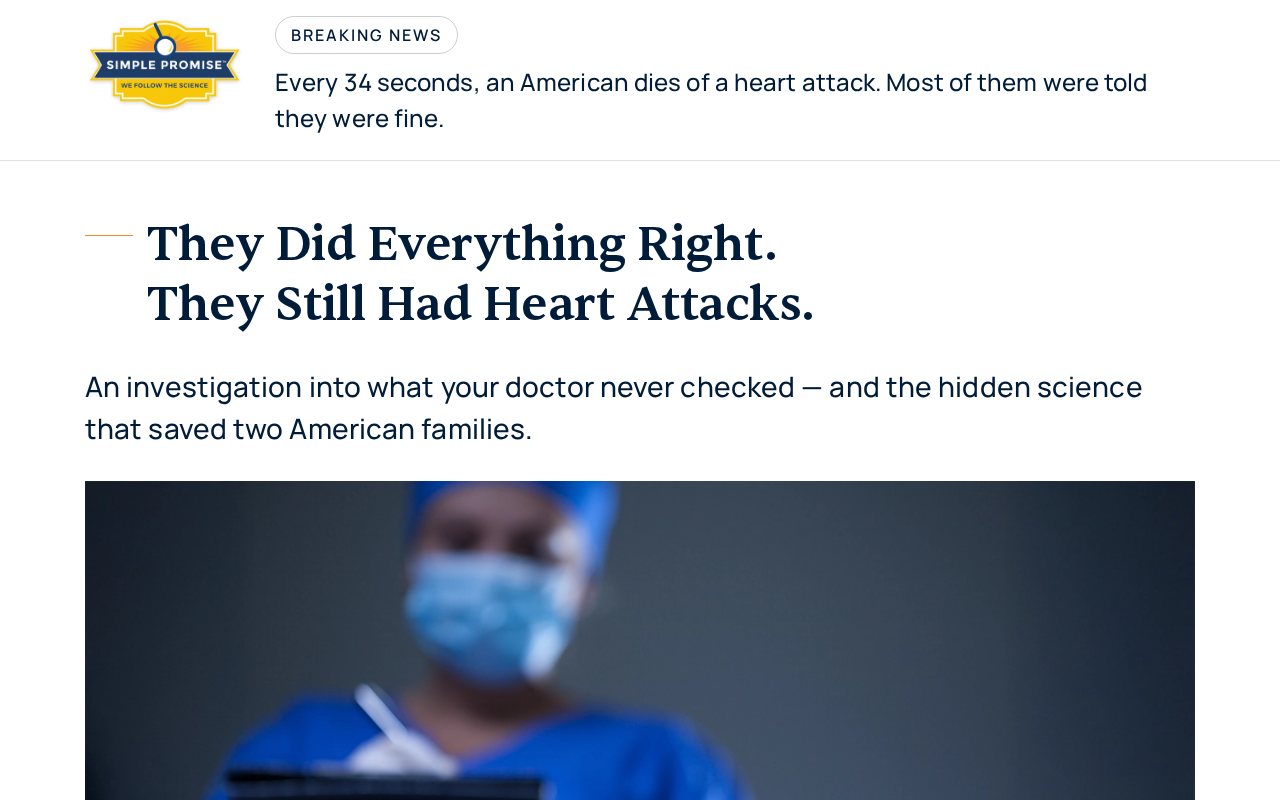
CardioClear7 (also searched as Cardio Clear and Cardio Clear 7) is a daily capsule sold on cardioclear7.com. The sales page is not a shop. It is built like breaking news, with a Simple Promise logo and a statistic about Americans dying of heart attacks every 34 seconds.
The headline says people “did everything right” and still had heart attacks. Then comes a long story. Then the bottle. If you have seen these campaigns before, you already know the story is doing the selling.
The story on the page
The page introduces David and Nicole Ellsworth of Cedarburg, Wisconsin. Nicole is 57. She eats clean, never misses a checkup, and still collapses on the bathroom floor after a doctor said she was fine. David is 58, described as an accountant. He finds her with blue lips.
The same page then jumps to Frank Collier, 66, a retired Marine in Knoxville, Tennessee. He has a heart attack in a Kroger cereal aisle after eleven years on Lipitor. His numbers were “perfect.” After the product, he is in the backyard throwing a football.
The experts named on the page are Margaret Hartwell, James Whitfield, and Rachel Inoue. Hartwell is called a heart health researcher. Whitfield supposedly spent 23 years in the drug industry. Inoue talks nutrition. The site disclaimer says testimonials are individual, names and images get changed, and the author writes as “Adam Glass.” That is sales copy, not a medical investigation.
The page coins a condition called “Hardened Heart.” Waste from every heartbeat supposedly turns into something like cement in the heart walls. Mitochondria are the cleaning crew. After 50 they fade. Statins and blood pressure pills, in this telling, only chase a number. The capsule is the real fix.
“Arterial cement” is not a diagnosis. Related ads, especially for CardioFlush, talk about a 7-second arterial flush ritual, as if plaque were dirt in a pipe. Atherosclerosis does not work that way.
What the bottle claims
The formula is PQQ, CoQ10, and Shilajit. CoQ10 is listed at 100 mg. The page does not clearly list milligrams for PQQ or Shilajit. Suggested use is one capsule in the morning.
The badges are familiar:
- Vegetarian, non-GMO, gluten-free
- No soy, no stimulants
- Third-party tested
- “Certified FDA facility”
A facility can be registered with the FDA. That does not mean the FDA approved CardioClear7 as a treatment for heart disease, blocked arteries, or high blood pressure. Brand pages still carry the standard disclaimer: claims have not been evaluated, and the product is not meant to diagnose, treat, cure, or prevent disease. The sales video talks as if blood pressure is “bound to normalize.”
The page cites journals for the ingredients. A UC Davis PQQ paper. A small human PQQ study. The Q-SYMBIO CoQ10 trial. A 2024 CoQ10 review. A shilajit paper. None of that is a clinical trial of the finished CardioClear7 bottle.
The American Heart Association is clear on this. No special supplement replaces blood pressure medication. If you take losartan, amlodipine, lisinopril, a statin, or any other prescribed heart drug, do not stop it because of an ad.
The price ladder
In August 2026 the sales page showed three packs:
- 1 bottle: $59 (shown as marked down from $99), about $1.97 a day
- 3 bottles: $49 each, $147 total, plus 3 free ebooks, “save $150”
- 6 bottles: $33 each, $198 total, plus the ebooks and $40 off a later SimplePromise.com order, “save $396”
Free shipping is advertised on all three. The six-pack is the “best seller.” The buttons say “LOWER MY CHOLESTEROL.” The bonuses exist so the cheap-per-bottle option feels like the responsible choice and the single bottle feels incomplete.
The page also says:
- No subscription
- No auto-billing
- Price locked for life
- 365-day money-back guarantee
That is what the sales page prints. Similar Simple Promise products draw complaints about extra bottles, refills, and shipments that would not stop. Read the next card statements anyway.
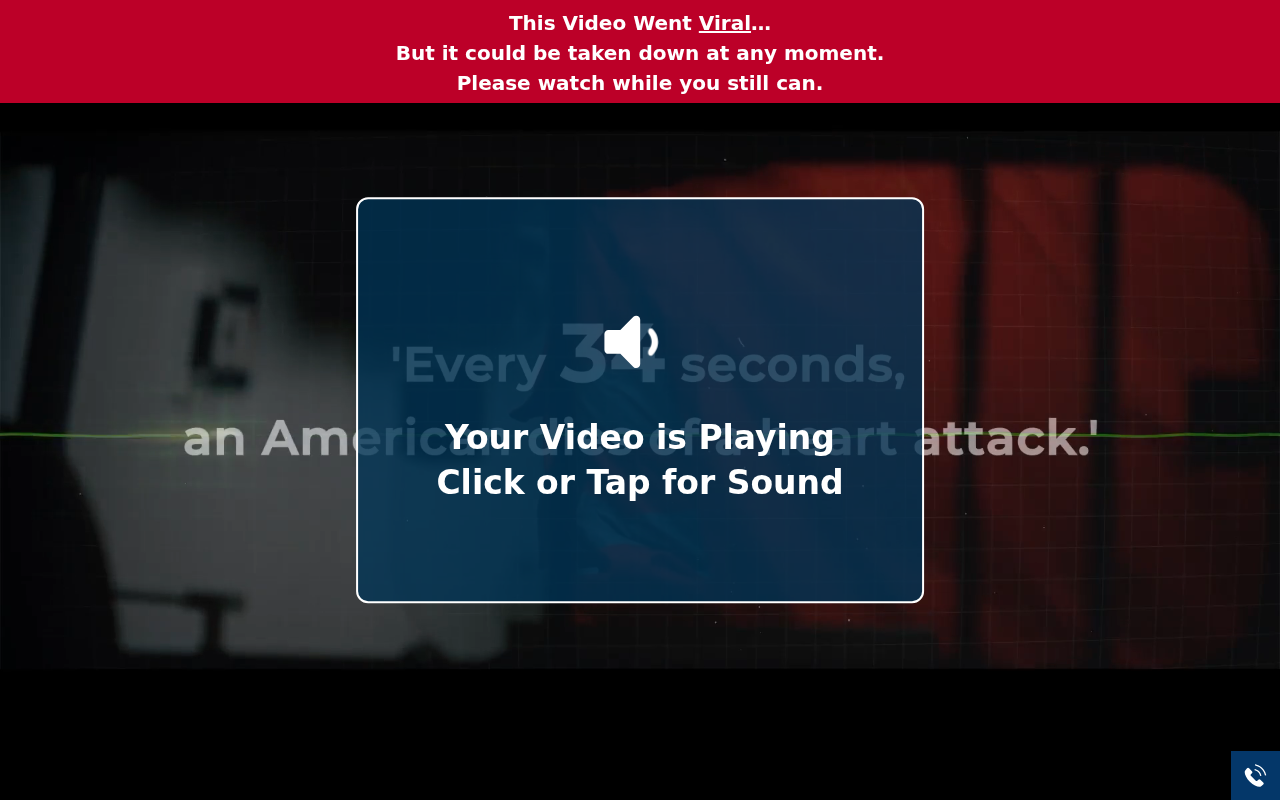
The video hop uses the same pressure. A red bar says the video went viral and could be taken down at any moment. The 34-second heart-attack line sits behind a “click for sound” box. This is not a news clip. It is a sales video with a countdown costume.
Who sells it
The disclaimer names Nutriomo Labs Pte. Ltd. in Singapore. The brand is Simple Promise. BBB lists Simple Promise PTE LTD at a Camas, Washington mailbox address, not accredited. Returns go through SISK Fulfillment Service in Federalsburg, Maryland.
Listed support:
- support@cardioclear7.com
- 1-800-856-5587
- 1-800-259-9522
The terms send disputes to Singapore law and arbitration, with a class-action waiver. That is not a local store policy.
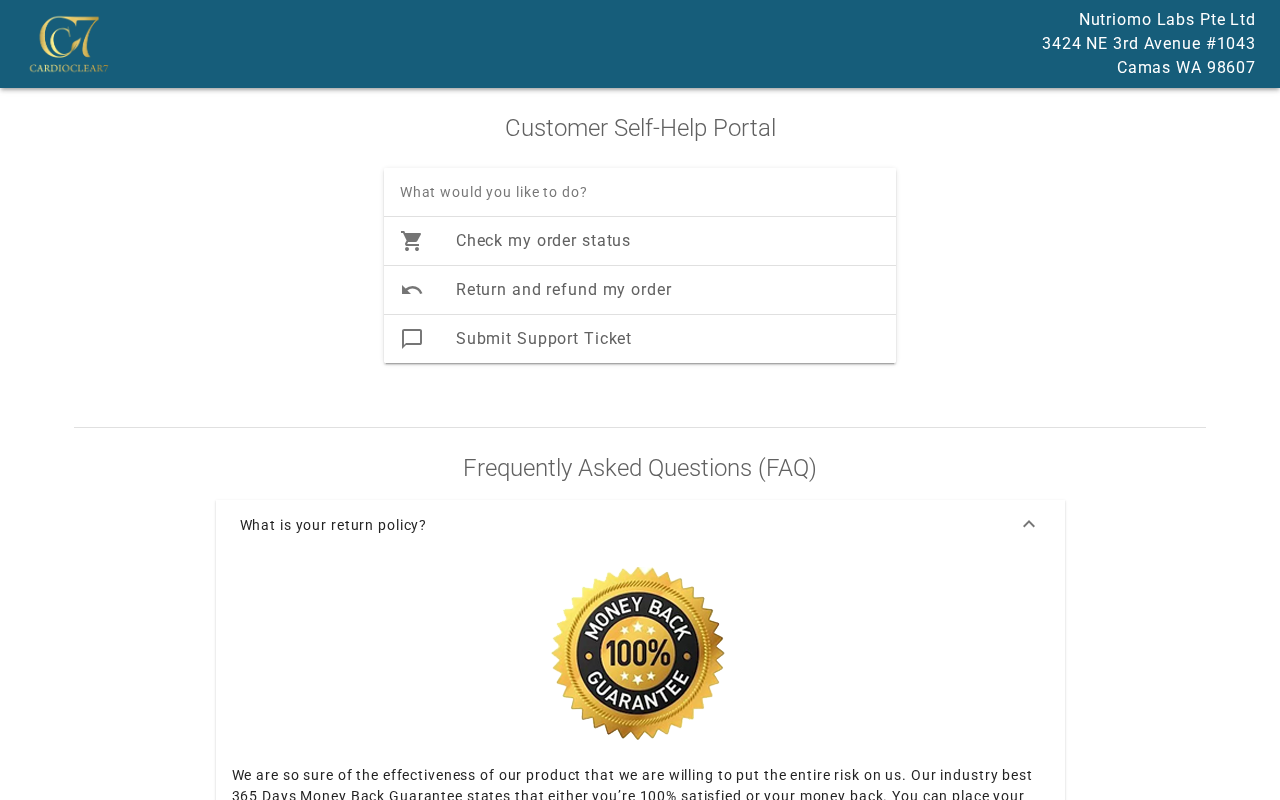
The support portal still promotes a 365-day, 100% money-back guarantee. The video says you do not even mail bottles back. The portal is stricter. Refunds can require used, unused, or empty bottles, customer-paid postage, tracking photos, then a wait. US returns are described as about two weeks in transit plus 10 to 14 business days at the bank. International returns can sit 30 days before the package is even counted as received.
Two other contradictions are easy to miss if you only watch the video.
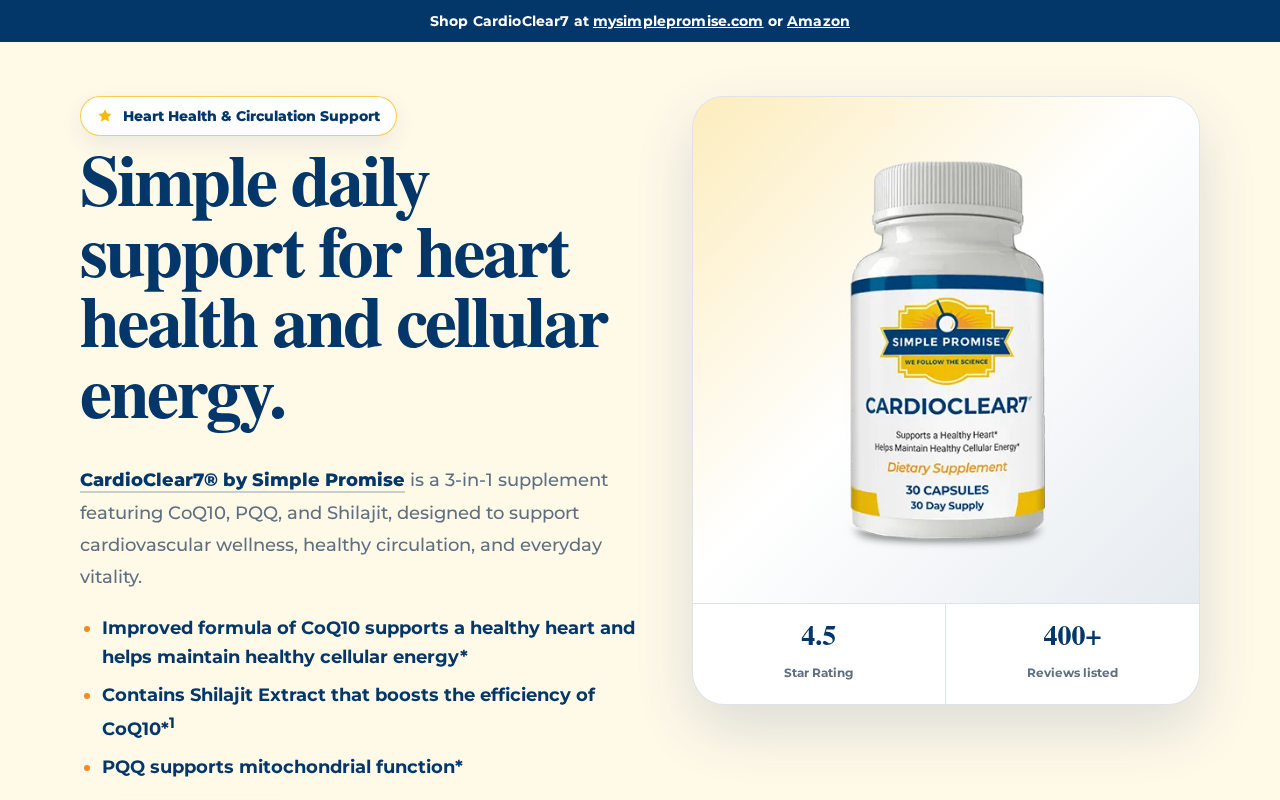
The video says CardioClear7 is only on that page and not on Amazon. The official site’s top bar says shop at mysimplepromise.com or Amazon. There is also a Simple Promise Amazon listing (B0C8BML494). When a “not on Amazon” line is already false, treat the “prices go up next month” strip the same way.
BBB complaints on Simple Promise, and Trustpilot reviews of simplepromise.com, keep coming back to delayed refunds, extra bottles, and boxes people say would not stop. Many of those reviews name other Simple Promise products, not only CardioClear7. Same catalog. Same long-video sales model.
Do not mix this up with CardioFlush Drops. CardioClear7 is this capsule. CardioFlush is a separate campaign, often liquid, with the 7-second ritual ads. Same fear. Different bottle. Different refund inbox.
Dr. Gupta and Dr. Oz
The long CardioClear7 story page uses the Ellsworths, Frank Collier, and the three “researchers.” It does not need Gupta or Oz on that layout.
The ads are another layer. The arterial flush ritual cluster (CardioFlush, Cardio Clear, similar names) has been reported by ScamAdviser, MalwareTips, and myantispyware as using unauthorized AI or deepfake likenesses of Dr. Sanjay Gupta and Dr. Oz. Gupta has said scammers use his face. CNN has run that warning. Jordan Liles has a YouTube video on the Cardio Flush ads.
If the clip that brought you here had a famous doctor in it, that was the hook. The CardioClear7 page is the checkout. These ads run through affiliate links. Someone gets paid if you buy.
How the Scam Works
1. The ad finds you first
Facebook, Instagram, TikTok, YouTube, sometimes a pre-roll on a random site. The video is shot to feel like a neighbor, not a brand. Kitchen light. A spouse who “did everything right.” Swollen ankles. A heart attack that “should not have happened.”
In this cluster, that neighbor is often a fake Gupta or a fake Oz. If the mouth does not match the words, trust that. The clip is there to get the click. Tracking is already in the link.
You are not sold a bottle in the first five seconds. You are sold a secret: doctors missed it, the statin missed it, the numbers looked fine. Then someone hit the floor.
2. The fake news page keeps you there
The click lands on cardioclear7.com, usually a /3/go/ path, not a quiet homepage. Breaking News badge. The 34-second line. David and Nicole. Frank in Kroger. Chapter titles like “The Betrayal.” A video titled along the lines of “The Heart They Couldn’t Fix,” plus a warning it could be taken down.
The page is long on purpose. A normal store you would close. This one is paced like a documentary, so you pass the moment you would have checked who owns the company.
What is missing: a trial of the finished bottle, a doctor you can book, and a full dose list for every ingredient. What you get instead: journal names next to a buy button.
3. The formula makes six bottles feel responsible
PQQ “builds” mitochondria. CoQ10 “fuels” them. Shilajit “guards” them. It is a tidy metaphor. It is also a sales metaphor. The page then says most people should stay on it for three to six months. That matches the 3-pack and the 6-pack.
Order three or six and you get the bonus reports: a 3-minute artery flush, a widow-maker file, a 9-cent grocery-store “killer.” They read like clinic homework. They are PDFs attached to a bulk order.
“Zero reported side effects,” “100% safe,” and “works regardless of your condition” are marketing lines. Hearts are not regardless.
4. The cheap-per-bottle math
$59 looks like a trial. $49 looks serious. $33 looks like you beat the store. The six-pack is $198 next to a printed “was” of $594. There is no good evidence that ordinary buyers were paying $99 a bottle in a shop. The high number is there so $33 feels like a rescue.
Look at the total on the button, not the total in the headline. On the related CardioFlush checkout, reviewers found a $14.95 “expedited” fee sitting inside totals advertised as free shipping. Same category of trick. Same reason to pause.
5. The first charge, then sometimes more
The card goes in because the story worked. Fear, a simple capsule, a bulk discount. cardioclear7.com. Simple Promise branding. An affiliate still attached to the visit.
The sales letter says one-time, no auto-billing. After the first order, this style of campaign often tries again: another page, an email, a “complete the protocol” offer, a shipment that feels like a refill you never started. Simple Promise reviews on other products describe extra bottles and boxes that would not stop.
That does not prove every CardioClear7 order enrolls autoship. It does mean the second and third statements are worth reading. People lose money on the first six bottles. They lose more on the ones that keep coming.
6. The medical story is the real risk
The page wants you to treat your doctor as the person who almost killed Nicole and Frank. Statins are the villain. The bottle is the plan. Related ritual ads talk as if you can flush arteries at the sink.
An ad is not a clinician. There is no verified public endorsement from Dr. Gupta or Dr. Oz for this product. If a clip used their faces, that was unauthorized marketing sitting on top of a supplement sale.
Keep the prescription. Call the person who knows your chart if the video shook you. Do not let CardioClear7, Cardio Clear, CardioFlush, or any arterial flush ritual rewrite a medication list.
7. Getting out is slower than getting in
By the time someone searches Cardio Clear scam, they have usually already paid. They want a person on the phone. What they often get is a 365-day badge, a Maryland return address, postage they have to cover, and a timeline measured in weeks.
The merchant name on the statement may not say CardioClear7. Follow-up ads keep serving the same ritual under a new product name. Save the proof, write to them, watch the card, and if they stall, use the bank.
What To Do If You Fell Victim
This campaign is built to pull people in. Here is the practical order.
-
Save the evidence. Screenshot the ad, the cardioclear7.com page, the pack you picked, the total, the confirmation email, and the line on your card. Write down dates, amounts, and the merchant name as it actually printed. If a bottle arrived, photograph the label and the slip.
-
Email, do not only call. Write to support@cardioclear7.com. Keep 1-800-856-5587 and 1-800-259-9522 if you want a call on the record too. Say you want the order canceled, no more shipments, no more charges, and a refund. Quote the 365-day promise. Ask for written confirmation that nothing else will bill. Do not argue mitochondria in that email. Argue the charge.
-
If they want the bottles back, use tracked post. Photograph the contents. Keep the tracking number. US returns can sit two weeks plus another 10 to 14 business days at the bank. International can run past 30 days before they count the box.
-
Read the next two or three statements. Look for a second charge, a similar amount under a different name, or a “next shipment” email. Dispute it quickly if something new lands.
-
Call the bank if they stall. Ask about a chargeback for a supplement order that did not match the ad, or for billing after you canceled. Send the screenshots. Chargebacks have deadlines. If charges keep hitting, ask about blocking the merchant or replacing the card.
-
Do not stop prescribed heart medicine. Losartan, amlodipine, lisinopril, a statin, whatever you were actually prescribed: keep taking it unless your own clinician changes it. Chest pain, swelling, or shortness of breath is a clinic or an ER, not a sales video.
-
Report it, then block the ads. File at ReportFraud.ftc.gov. File with the BBB against Simple Promise / Nutriomo if you want it on the file. Report the clip on Meta, Google, TikTok, or YouTube. Install Malwarebytes and run a full scan. Use AdGuard so the next ritual video is less likely to reach you. Neither tool gets a refund issued. They cut the ads and catch junk that sometimes rides along with this kind of click. If the ad pushed a codec or a player, run that scan.
If someone forwarded you the clip, send them this page instead of the sales page. These things spread in family chats. That is part of how they travel.
The Bottom Line
CardioClear7 is a Simple Promise / Nutriomo Labs capsule sold through a fake news story about invented patients and a “Hardened Heart” a bottle is supposed to clean. The page pushed $59, $49, and $33 bottles, a 365-day refund that gets stricter in the portal, and a “not on Amazon” line that the official site contradicts.
The ads around it, especially the arterial flush ritual ones, have used Gupta and Oz without a verified endorsement. The CardioClear7 story page did not need those faces. It had Cedarburg and a Kroger aisle instead. Same job.
If you already paid, keep the emails, cancel in writing, watch the statement, and keep the medicine you were prescribed. Then use Malwarebytes and AdGuard so the next clip has a harder time finding you.








