

A familiar actress appears to reveal the private reason her skin still looks camera-ready. The clip feels candid, the voice sounds convincing, and a bottle of gummies arrives only after the viewer has already accepted the story.
The Nicole Kidman skin gummies scam is built around that borrowed trust. This investigation examines the unauthorized AI-style promotion, the Derma Pure and DP Gummies sales pages, the formula claims, the missing company trail, and what buyers should know before submitting payment.
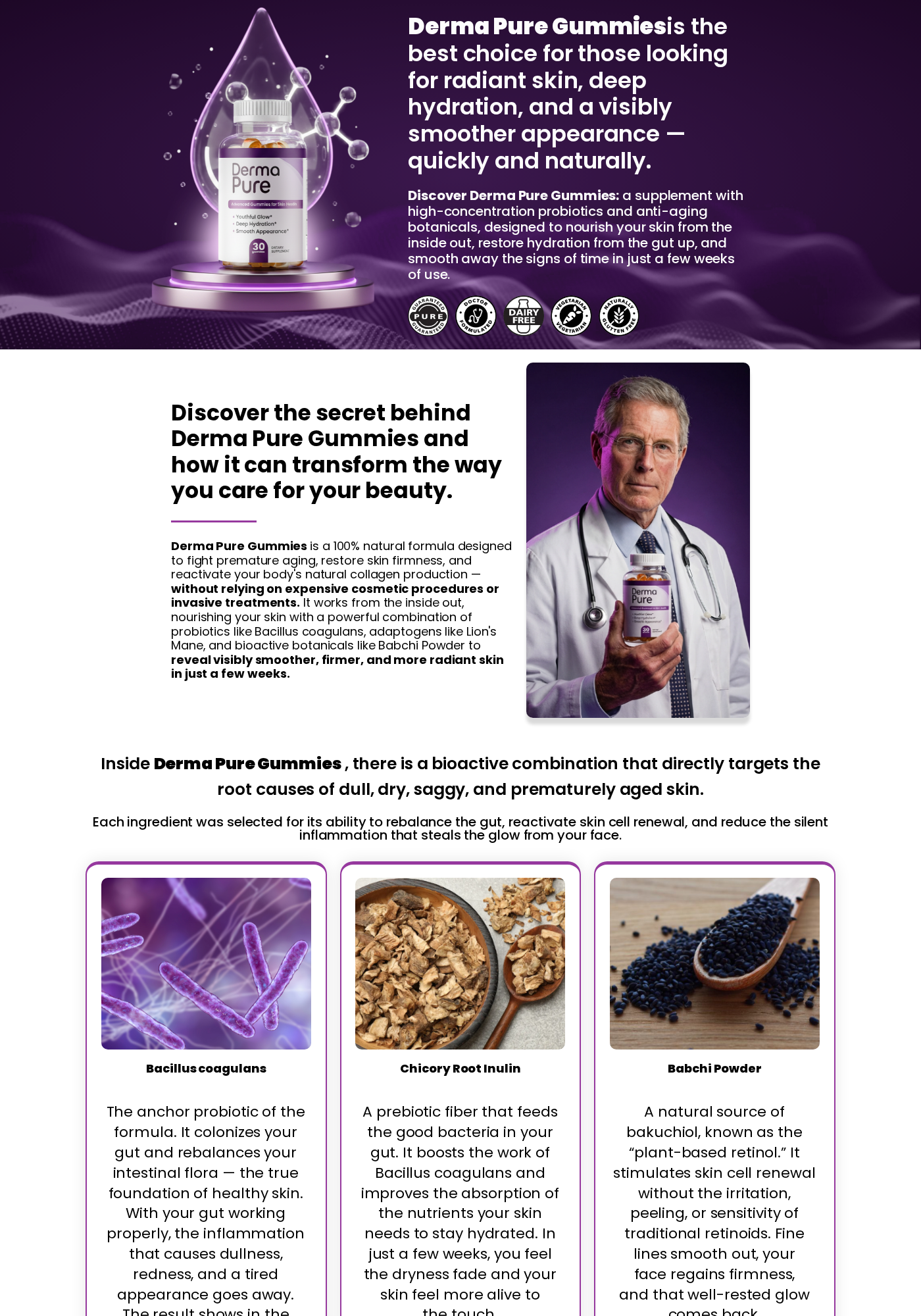
The landing page presents Derma Pure as a natural gut-to-skin breakthrough that can restore hydration, smooth visible aging, reactivate collagen production, and transform beauty from the inside out. A white-coated doctor holding the bottle reinforces the medical tone.
The marketing names probiotics, inulin, babchi powder, lion’s mane, and ginger while promising visible changes within weeks. Ingredient photographs and scientific-sounding explanations give the page more authority than a simple gummy advertisement.
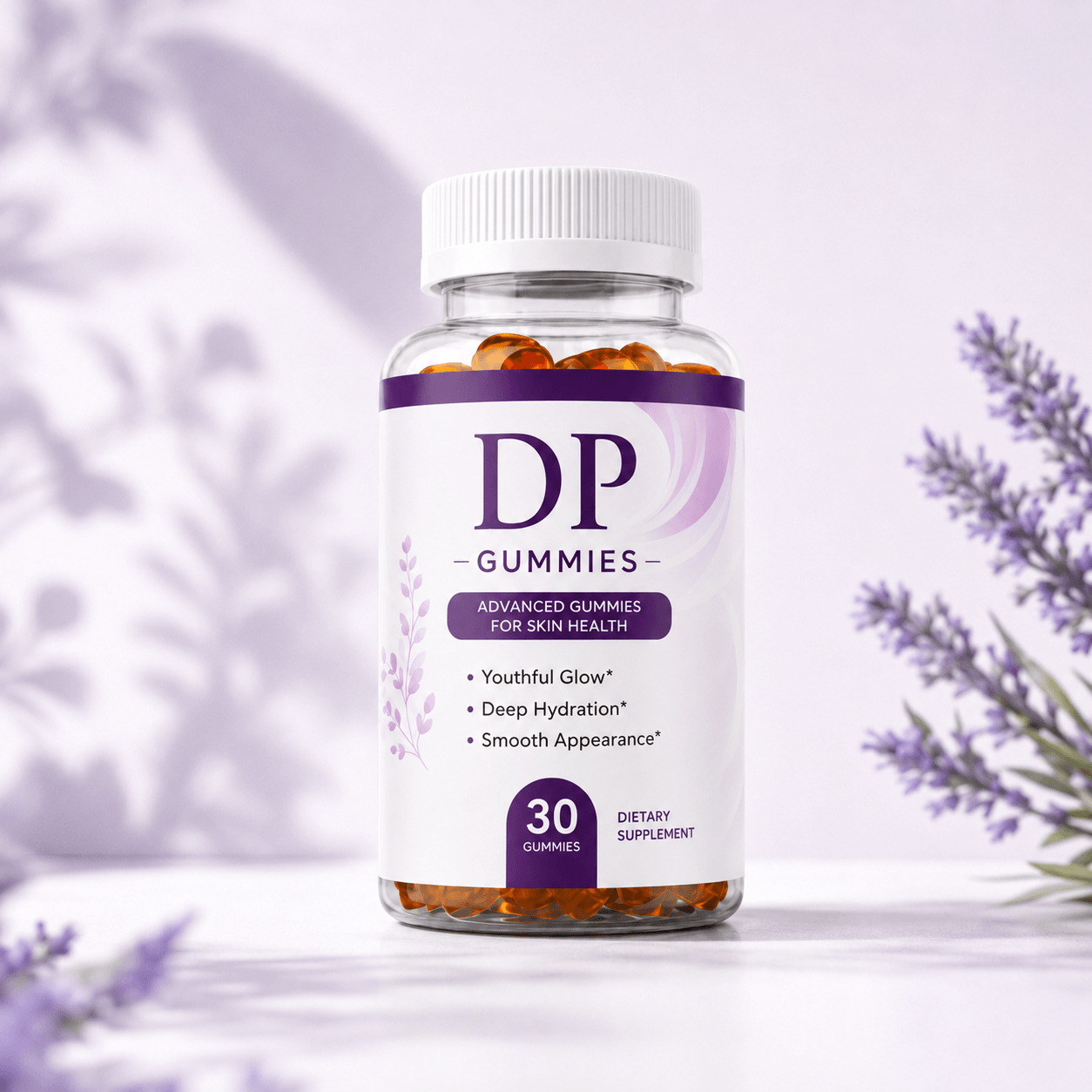
The bottle itself has also circulated as DP Gummies, a generic name that can survive when one sales page disappears. That naming flexibility matters because the celebrity story can be reused to move the audience toward whichever bottle and checkout are active that week.
Overview
Nicole Kidman did not provide a verified endorsement for these gummies
The campaign uses unauthorized depictions that present Nicole Kidman as if she discussed or supported a skin supplement. No reliable statement from the actress or her official representatives connects her to Derma Pure or DP Gummies.
Modern AI tools can alter mouth movement, clone speech, combine old footage, and add a product story that never happened. A recognizable face and voice are no longer proof that the person participated in the advertisement.
Derma Pure is a live sales offer, but the proof is mostly ingredient storytelling
The website displays a product, formula narrative, package pricing, testimonials, guarantee, and order buttons. It claims a connection between gut balance and skin appearance, then attributes broad anti-aging results to the supplement.
Research into probiotics, prebiotics, botanicals, and the gut-skin axis does not establish that this finished gummy reverses visible aging or restores collagen. Product-specific dose, quality, stability, and controlled outcomes remain the important missing pieces.
The order trail becomes less transparent when the buyer leaves the landing page
The Derma Pure page sent order traffic to fitnessup.org rather than a clearly branded manufacturer checkout. During review, that destination showed a nearly empty WordPress site with a default Hello world post instead of a trustworthy product cart.
The sales page did not clearly publish a legal entity, physical business address, customer-service phone number, or complete policy framework. A seller asking for health and payment information should make those details easy to verify before purchase.
- Unauthorized AI-style celebrity material creates the initial trust.
- Derma Pure and DP Gummies are used for the same skin story.
- The page promises hydration, collagen support, and smoother-looking skin.
- Package prices range from $49 to $79 per bottle in the funnel.
- The page promotes up to 65% off and a 60-day guarantee.
- Order buttons lead to a different and poorly developed domain.
- A legal company, headquarters, phone, and factory are not clearly identified.
- The visible page says one-time order, so recurring billing was not confirmed.
How a Fake Celebrity Beauty Secret Becomes a Supplement Sale
Celebrity skin is ideal advertising material because the result is already visible. The campaign does not need to prove a before-and-after transformation. It starts with a person the audience recognizes as unusually polished and invents a private routine to explain that appearance.
The most effective clips avoid sounding like traditional endorsements. They resemble an interview, podcast, backstage confession, or television segment in which the celebrity supposedly resists sharing a secret before finally naming an unexpected discovery.
AI editing makes that fiction cheap to produce. Scammers can take real footage, replace the audio, modify lip movement, add subtitles, and place product graphics beside it. Background noise and imperfect compression can make the result feel more authentic on a phone.
The product name may not appear until late. That delay protects the story when brands rotate. A marketer can keep the same celebrity and anti-aging script while changing Derma Pure to DP Gummies or another white-label bottle.
The landing page then replaces celebrity trust with medical trust. A doctor image, ingredient diagrams, probiotics, collagen language, and claims about inflammation make the product feel like the scientific conclusion of the video.
A long page also prevents easy comparison. By the time package prices appear, the visitor has read testimonials, mechanism claims, urgency statements, and guarantee language. The purchase feels like the final step of research rather than a decision made inside an advertisement.
The FTC warns that scammers use fake celebrity endorsements to promote products and advises consumers to verify the claim outside the ad. Searching the person’s official channels is more reliable than trusting a clip that links directly to a checkout.
What Our Derma Pure and DP Gummies Investigation Found
The live landing page describes Derma Pure Gummies as a high-concentration probiotic and botanical formula for radiant skin, hydration, smoother appearance, and visible anti-aging results within weeks.
It claims the formula can fight premature aging, restore skin firmness, reactivate natural collagen production, rebalance the gut, reduce inflammation, and support skin cell renewal. These are substantial outcome claims for a dietary supplement.
The advertised ingredients include Bacillus coagulans, chicory root inulin, babchi powder, lion’s mane, and ginger. The page discusses each ingredient as if its general properties prove the combined gummy’s full marketing promise.
Package pricing showed two bottles for $158, three for $207, and six for $294. The six-bottle option was framed as the most popular at $49 each and paired with a 65% discount message.
The page offered a 60-day guarantee but said customers should use the product for at least 30 days before requesting it. Without a clear legal seller and complete refund policy, buyers cannot easily confirm whether opened bottles, empty containers, or multi-bottle packages qualify.
The visible FAQ said the purchase was a one-time order rather than a subscription. That is important, and this article does not label the captured offer a confirmed automatic-refill program without checkout evidence or repeated charges.
Order links led to fitnessup.org. The reviewed destination did not present a normal Derma Pure checkout or strong business identity. It appeared as a default WordPress installation with a sample page and Hello world post.
The same DP Gummies bottle image appeared through a separate Shopify seller listing. That does not prove the contents are identical, but it raises questions about who manufactures the formula, who owns the label, and whether different sellers distribute interchangeable stock.
How the Nicole Kidman Skin Gummies Scam Works
Step 1: A fake AI video borrows Nicole Kidman's identity
The campaign begins with familiar footage or a realistic synthetic depiction. Altered audio makes it sound as if Nicole Kidman is discussing aging, collagen, gut health, or a hidden beauty routine she was not supposed to reveal.
Subtitles, interview graphics, and social-media comments distract from lip-sync errors. The viewer hears the claim while looking at a trusted face, so the endorsement can feel established before the product is named.
Step 2: The ad introduces a simple biological villain
Instead of ordinary aging, sun exposure, genetics, sleep, hormones, and skincare, the story identifies one hidden cause such as an imbalanced gut, silent inflammation, or a collagen switch that has supposedly stopped working.
A single cause makes a single bottle feel plausible. It also allows the campaign to describe conventional skincare as superficial while presenting an oral gummy as the deeper answer.
Step 3: A long advertorial turns the story into science
The visitor reaches a page filled with a doctor image, microscopic visuals, ingredient explanations, and confident result language. The page looks educational even though every path leads toward a package sale.
General scientific concepts are repeatedly connected to the finished product without showing a controlled trial of Derma Pure or DP Gummies. The transition from possible mechanism to guaranteed appearance happens through copy, not clinical evidence.
Step 4: Testimonials and timelines make the result feel typical
The page describes visible improvement over a few weeks and uses customer stories to make rapid change sound common. Shoppers may assume the pictured people were verified and used the exact formula as directed.
Testimonials cannot establish expected results without identity checks, purchase verification, unedited photographs, consistent lighting, and disclosure of incentives. A dramatic story is not a substitute for a representative study.
Step 5: Bundle pricing pushes the buyer toward six bottles
A single-bottle trial is not the center of the offer. Two bottles cost $158, three cost $207, and six cost $294, with the largest package framed as the strongest value and the choice made by most customers.
The 30-day-use condition attached to the guarantee encourages commitment before the buyer knows whether the supplement agrees with them. More bottles also increase the amount at risk when refund rules are unclear.
Step 6: The order button moves to a weaker domain
The shopper leaves the polished Derma Pure story and is routed to fitnessup.org. A different domain can host a legitimate checkout, but it should clearly identify the seller and preserve the same product, guarantee, price, and privacy terms.
The observed destination looked unfinished rather than like an accountable health storefront. Never enter card or medical information on a page that cannot explain its relationship to the product advertised moments earlier.
Step 7: The story survives even if the bottle name changes
Derma Pure and DP Gummies already demonstrate the flexibility. The same anti-aging narrative can lead to another label, marketplace seller, or checkout while the celebrity video keeps circulating.
Search by the story, not only the bottle. Phrases about a celebrity’s hidden skin discovery, gut-skin secret, collagen switch, or forbidden interview reveal related campaigns after a disposable product name disappears.
Company, Address, and Fulfillment Checks
The sales page does not clearly identify the legal seller
A bottle name is not a company. The reviewed Derma Pure landing page did not prominently provide a legal entity that accepts the order, a complete physical address, or a reliable support phone number.
Without that identity, consumers cannot check corporate registration, regulatory history, complaints, or whether the receipt and card statement belong to the same seller. That is a major weakness for any ingestible product.
The order domain does not explain its relationship to Derma Pure
The purchase button led to Fitness Up on fitnessup.org. The site showed default WordPress content rather than a transparent checkout, manufacturer profile, or fulfillment explanation during this review.
A broken or unfinished destination can be temporary, but it is not a safe place to submit payment. The seller should repair the route and identify every participant before asking customers to trust the offer.
Support, phone, and return details are too thin
The marketing promise is detailed, yet practical customer support is not. Buyers need a working email, tested phone number, exact return procedure, card descriptor, and written guarantee eligibility before the first charge.
If support does not answer a simple pre-purchase question, expect worse after a dispute. Do not rely on a contact form that provides no copy of the message or ticket number.
The factory and fulfillment chain are not traceable
The page does not clearly identify who manufactures the gummies, where the finished product is made, which laboratory tests each batch, where inventory is stored, or which company handles returns.
White-label supplements can be mass-produced domestically or overseas and sold under rotating labels. Without a verifiable lot number, complete Supplement Facts panel, manufacturer, and certificate of analysis, purity and potency cannot be confirmed from a polished bottle image.
Ingredients, Anti-Aging Claims, and Safety Concerns
The gut-skin axis is a real field of research, but it is complex. Probiotic effects depend on the exact organism, strain, dose, formulation, storage conditions, health condition, and person. Evidence for one probiotic product cannot be transferred automatically to another gummy.
The NCCIH notes that researchers still do not know which probiotics help in many situations or who is most likely to benefit. Some products have also contained microorganisms different from those listed, which makes transparent quality control especially important.
Inulin is a prebiotic fiber that may affect digestion and gut bacteria, but it can also cause gas, bloating, or discomfort for some people. A product marketed for beauty can still have meaningful gastrointestinal effects.
Babchi comes from Psoralea corylifolia and is associated with compounds that can raise photosensitivity and safety concerns. A consumer should not assume a botanical is gentle merely because the page calls it natural or compares it with plant-based retinol.
Lion’s mane and ginger have separate research questions, possible side effects, and interactions. Combining ingredients does not guarantee synergy, and the page should disclose actual amounts rather than relying on recognizable ingredient names.
The FDA does not approve dietary supplements for safety and effectiveness before sale. A disclaimer does not cancel the overall impression created by claims about fighting premature aging, restoring firmness, or reactivating collagen.
Anyone who is pregnant, breastfeeding, immunocompromised, preparing for surgery, taking prescription medicine, or managing a skin or digestive condition should ask a qualified clinician before using an inadequately documented formula.
Warning Signs to Watch For
- A celebrity appears in an endorsement found nowhere on official channels.
- The voice and lip movement look slightly disconnected.
- The product name appears only after a long personal story.
- A sales page presents a stock doctor as product authority.
- Broad anti-aging claims rely on ingredient-level explanations.
- A 65% discount pressures buyers toward six bottles.
- The guarantee requires use before refund rules are clear.
- The checkout moves to an unrelated unfinished domain.
- No clear legal company, phone, factory, or return address appears.
- The same-looking bottle circulates under more than one name.
The fake celebrity is the first deception, not the only concern. The rest of the funnel asks the buyer to accept medical-style claims, a large package, an unclear seller, and an opaque supply chain on the strength of authority that was borrowed without permission.
What to Do if You Have Fallen Victim to This Scam
- Save the fake endorsement and sales pages. Record the social account, video, date, web addresses, package offer, checkout destination, receipt, card descriptor, emails, and product label. Preserve the original files instead of relying only on links that may disappear.
- Contact the seller in writing. Request cancellation or a refund using every published channel. Ask for the legal company name, return address, RMA, guarantee rules, and confirmation that no future charge will occur. Keep copies of every message.
- Notify the card issuer quickly. If the charge was unauthorized, the product never arrived, or the seller materially misrepresented the transaction, ask about a dispute. Monitor for another descriptor because the checkout domain may differ from the bottle name.
- Do not consume an unverified product. If the seal, label, lot number, ingredient panel, seller, or origin is missing or inconsistent, stop. A refund problem is frustrating, but an unknown ingestible product can create a medical problem as well.
- Get medical help for reactions. Bring the bottle and ingredient panel to a clinician or pharmacist. Seek urgent care for breathing trouble, swelling, fainting, severe rash, persistent vomiting, or another serious reaction. Report adverse events to the FDA.
- Report the impersonation. Report the ad to the social platform, FTC, and the official representative of the person depicted. Include the account name and destination domain so investigators can connect copies of the same campaign.
- Run a complete Malwarebytes scan. If the ad triggered redirects, downloads, fake browser warnings, or notification prompts, scan the device with Malwarebytes. Remove detections and review extensions, saved passwords, and site permissions.
- Use AdGuard against repeat ads. AdGuard can block many tracking, pop-up, and malicious advertising domains used by rotating supplement funnels. It cannot authenticate a celebrity clip, so still verify every endorsement outside the advertisement.
Frequently Asked Questions
Did Nicole Kidman endorse Derma Pure or DP Gummies?
No verified evidence connects Nicole Kidman to these products. The circulating material uses an unauthorized AI-style depiction, and shoppers should rely on the celebrity’s official channels rather than a video attached to a checkout.
Are Derma Pure and DP Gummies the same product?
The names and bottle imagery appear within the same promotional ecosystem, but the full legal manufacturer and batch documentation are unclear. Do not assume two labels contain identical ingredients merely because the sales story connects them.
Can probiotic gummies reverse skin aging?
Research into the gut-skin axis does not prove that this finished formula reverses aging, restores collagen, or produces the pictured results. Product-specific controlled evidence and transparent dosing would be needed.
Is Derma Pure a subscription trap?
The reviewed page described a one-time order, so automatic refills were not confirmed. Check the final checkout and receipt because another destination or future version may introduce different terms.
Is the 60-day guarantee trustworthy?
The page promotes 60 days and asks customers to use the product for at least 30 days, but the legal seller and detailed eligibility rules are not sufficiently clear. Obtain the policy and return address in writing before ordering.
What should I do with a bottle I already received?
Do not use it if the seal, lot, ingredients, manufacturer, or seller cannot be verified. Photograph everything, contact the seller and card issuer, and ask a healthcare professional about any dose already taken or reaction.
The Bottom Line
The Nicole Kidman skin gummies scam uses a famous face to skip the hardest part of supplement marketing: earning trust. Once the fake endorsement works, medical imagery and ingredient stories carry the buyer toward a large package.
Derma Pure and DP Gummies may be physical products, but the funnel does not provide the transparency needed for its strongest claims. The unclear legal seller, broken order route, missing factory trail, and limited product-level evidence are serious reasons not to buy.
A real celebrity beauty secret does not arrive through an unauthorized AI clip and an unfinished checkout. Verify the speaker, the science, the seller, and the bottle independently, or close the page.








