

Pureveen Thyroid Balance is sold with the language of a gentle wellness routine: a few drops, natural ingredients, better energy, clearer thinking, and support for metabolism. The page looks like an ordinary supplement store until its details are compared line by line.
One section says “NO subscription.” Another says refills ship every four weeks. The directions switch from a dropper to two softgels, and the contact page presents two different Wyoming addresses.
Those are not cosmetic typos when a customer is deciding what enters the body, what the card will be charged, and where a return must go. We investigated each contradiction and what it means for prospective buyers.
Overview
The product page makes broad thyroid and metabolism claims
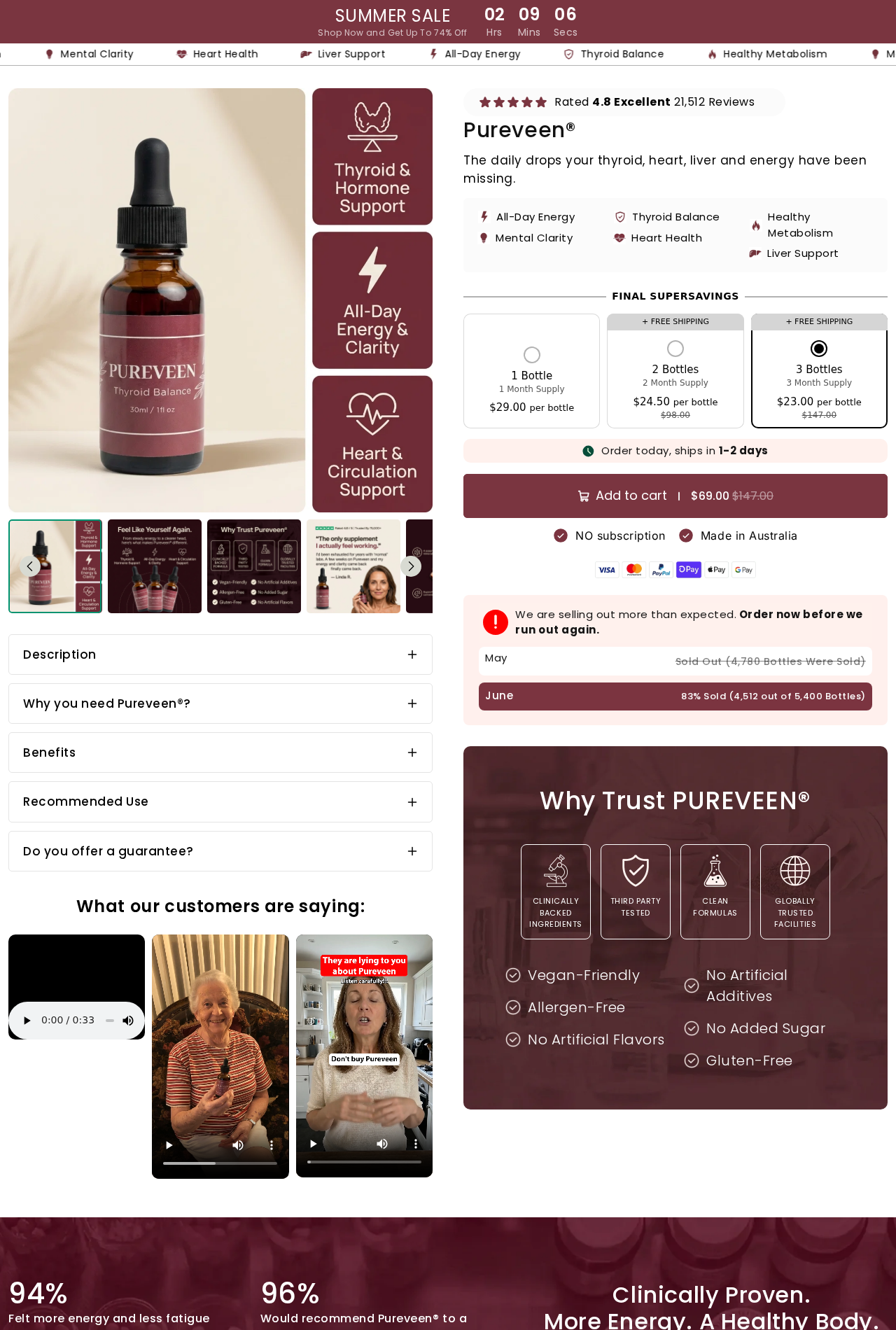
Pureveen Thyroid Balance is promoted as a liquid supplement that supports the thyroid, liver, hormones, energy, metabolism, heart health, and mental clarity. The page combines these claims with urgency messages, bundle savings, testimonials, and a “Made in Australia” statement.
Supporting general wellness is not the same as treating hypothyroidism, Hashimoto’s disease, nodules, or another thyroid condition. A supplement page cannot diagnose why someone feels tired, gains weight, or struggles to concentrate.
The recurring-order language contradicts itself
Near the offer, the page says there is no subscription. Elsewhere on the same product page, buyers are told that refills ship every four weeks and can be stopped or canceled at any time.
Both statements cannot accurately describe the same purchase. Until the checkout and seller clarify which one controls, a shopper cannot know whether the displayed amount is a one-time order or the beginning of recurring billing.
The company and product instructions are also inconsistent
One section tells the customer to use a full dropper daily and keep it four hours apart from medication. Another says to take two softgels daily, even though the photographed product is liquid. Review totals also change dramatically across the page.
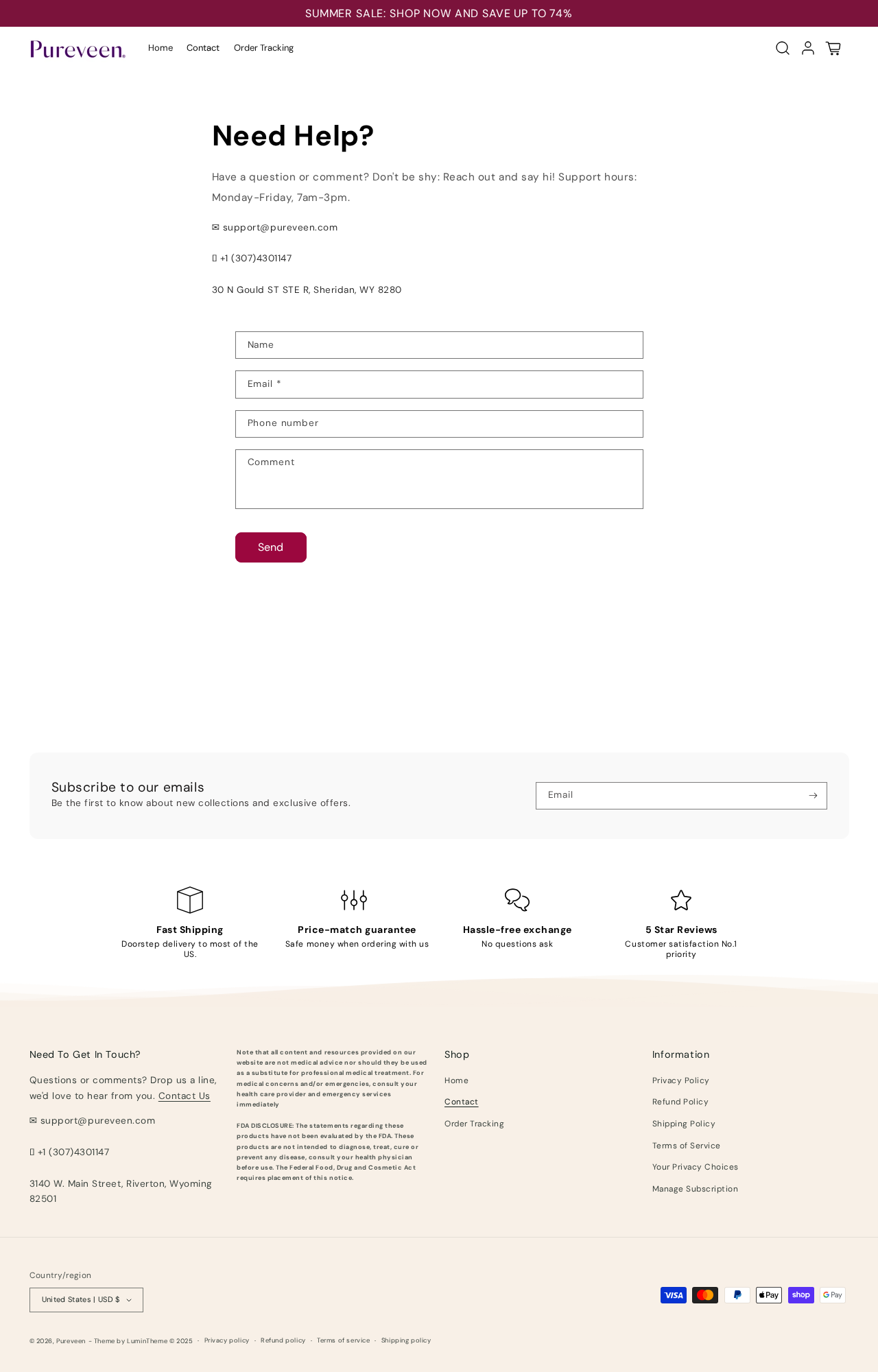
The contact page adds another problem. Its upper section names a Sheridan, Wyoming address, while the footer on the same page gives a Riverton, Wyoming address. The seller needs to explain which entity and location handle payment, support, and returns.
- The product is marketed for thyroid, liver, hormone, energy, and metabolism support.
- The page says both “NO subscription” and “Refills Ship Every 4 Weeks.”
- Directions refer to both liquid drops and softgels.
- Customer-review counts are inconsistent within the same page.
- The site presents two different Wyoming contact addresses.
- The seller says the product is made in Australia but offers limited manufacturing detail.
- No supplement should replace thyroid testing or prescribed medication.
What Pureveen Thyroid Balance Claims
The pitch connects a wide range of common complaints to thyroid function. Fatigue, stubborn weight, slow metabolism, brain fog, low motivation, mood changes, and poor sleep can all feel related, which gives one bottle a remarkably broad role in the story.
Some of these symptoms can occur with thyroid disease. They can also come from anemia, sleep apnea, depression, diabetes, medication effects, menopause, nutritional deficiencies, heart disease, infection, or ordinary stress. Symptoms alone cannot identify the cause.
A responsible thyroid evaluation may include a medical history, physical examination, TSH, free T4, and other testing selected by a clinician. A sales page cannot establish that a visitor has low thyroid function or determine the correct treatment.
The site uses supportive language, but the overall presentation can still lead shoppers to expect a treatment-like outcome. Claims involving metabolism, hormones, the liver, cardiovascular health, mental clarity, and energy create the impression that the drops correct a central body imbalance.
A small-print disclaimer that a product is not intended to diagnose, treat, cure, or prevent disease does not convert every surrounding promise into proof. The finished formula needs reliable evidence for the outcome being advertised.
The Product Directions Do Not Match the Product
The main photographs show dropper bottles. One usage instruction says to take a full dropper daily and to separate it from medication by four hours. That advice itself suggests the formula may interact with treatment or absorption and should not be taken casually.
Farther down, the same page tells the customer to take two softgels daily. Softgels and liquid droppers are different dosage forms. They cannot share instructions unless the page is combining information from different products.
This is more serious than a misspelled heading. Dose, concentration, serving size, and route determine exposure. A customer who receives a bottle should follow the physical label, but a conflict between the label and the sales page is a reason to stop and ask the seller for clarification before use.
Also request a complete Supplement Facts panel that names every active ingredient and amount per serving. “Natural thyroid support” is not enough to screen for iodine, glandular ingredients, stimulating herbs, allergens, or interactions.
If the product contains thyroid hormone, thyroid tissue, or an undeclared drug ingredient, the risk could be significant. We are not saying Pureveen contains any of those substances. The point is that traceable testing is what answers the question, not a reassuring color palette.
The Pureveen Subscription Contradiction
The most important billing conflict appears on the product page itself. The bundle area says “NO subscription,” language a reasonable buyer would understand as one order and one payment.
Another section says refills ship every four weeks and that the customer can stop or cancel at any time. “Refill” and “every four weeks” describe recurring fulfillment. If another package is scheduled, the transaction is functionally a subscription regardless of the label used elsewhere.
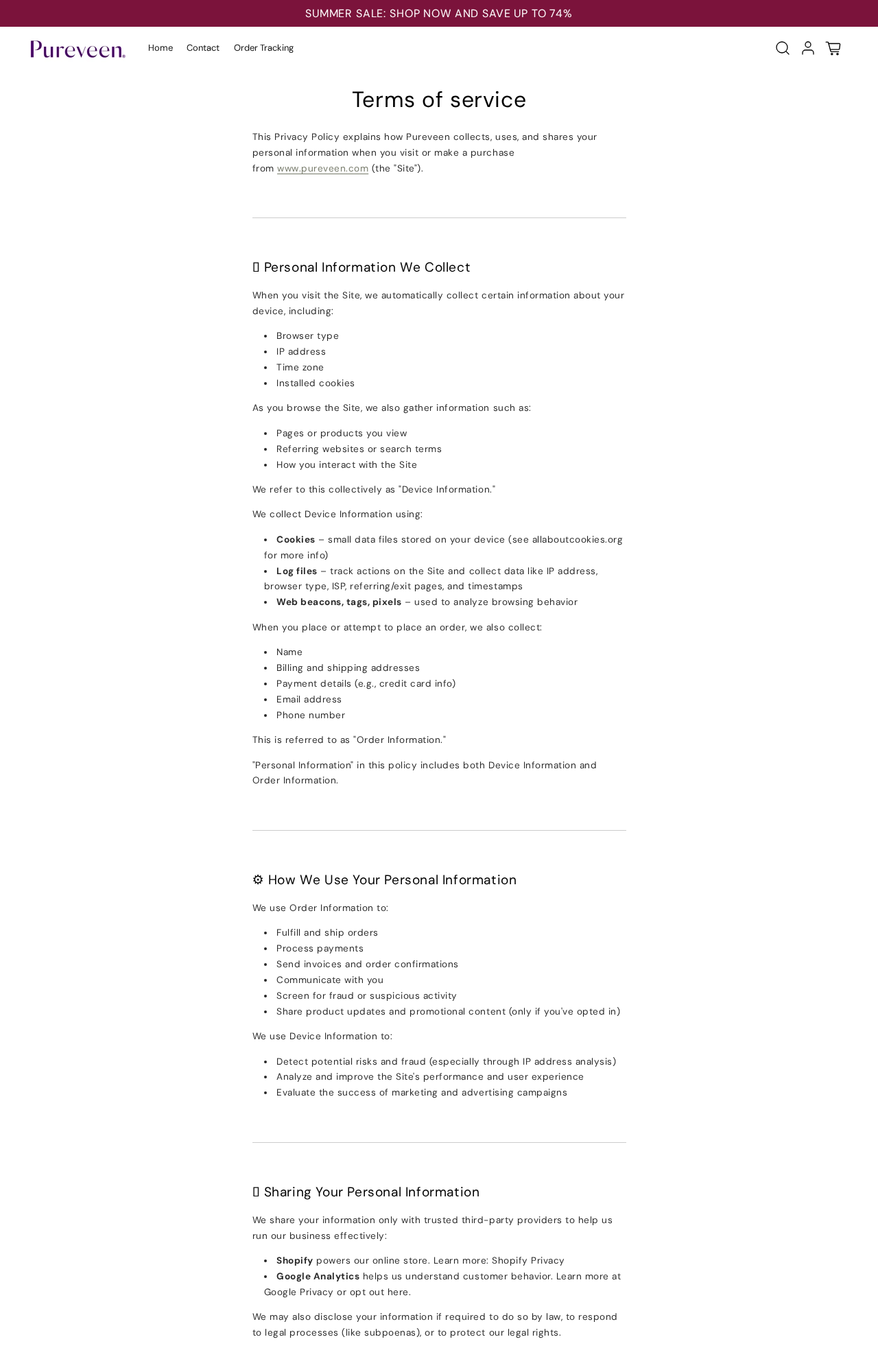
The footer also contains a Manage Subscription link, although the linked page returned a 404 during our check. The existence of a management link suggests recurring accounts are part of the store’s infrastructure, while the broken destination makes it harder for a customer to inspect or cancel online.
The checkout is the final place to verify the truth. Look for phrases such as recurring, every four weeks, subscribe, auto-renew, ongoing, future delivery, or authorization to charge the payment method.
Do not rely on the product page alone. Save the final checkout and confirmation. If it states one-time purchase, that evidence can support a dispute if the merchant later processes a renewal.
If it states recurring delivery, decide whether you genuinely want that arrangement. A lower first-order price can become expensive when four-week refills continue for several months.
How the Pureveen Thyroid Drops Offer Works
Step 1: A social ad connects common symptoms to the thyroid
The promotion may begin with tiredness, weight gain, cold hands, poor focus, or the feeling that nothing works. These symptoms are real, but they do not prove a thyroid problem.
By giving many frustrations one hidden cause, the ad creates relief before the buyer has been tested. The product then appears to be the obvious next step.
Step 2: Natural language makes the treatment feel low risk
Words such as balance, support, gentle, and natural suggest that the drops merely help the body help itself. That framing can make consumers less likely to investigate the formula or interactions.
Natural compounds can still affect the heart, blood pressure, hormones, liver enzymes, and medication absorption. “Natural” is a description, not a safety certificate.
Step 3: Testimonials substitute for diagnosis and controlled evidence
The page uses customer stories and large review totals to make improvement appear common. Yet the displayed counts are not consistent across the page, and testimonials cannot reveal whether a customer had confirmed thyroid disease or changed other treatments.
Weight, energy, and mood fluctuate for many reasons. A testimonial cannot isolate the supplement as the cause.
Step 4: The offer steers the buyer toward several bottles
Multiple-bottle packages lower the displayed per-bottle price and imply that meaningful results require a longer routine. This encourages a larger commitment before the customer knows whether the product is tolerable or useful.
The urgency message and high discount create pressure to decide without checking the ingredients, company, or medical advice.
Step 5: Conflicting refill language obscures the real billing model
A buyer notices “NO subscription” and reasonably believes the transaction ends after one order. The later four-week refill statement points in the opposite direction.
When the seller’s own page is contradictory, the customer must treat the final checkout, written confirmation, and card authorization as essential evidence.
Step 6: The management link may not provide a working exit
The footer offers a Manage Subscription route, but it returned a Page Not Found screen when checked. A customer may therefore need to rely on email or telephone instead of a self-service control.
Do not wait until the evening before a scheduled renewal. Contact support early and demand written confirmation that future billing is disabled.
Step 7: Address conflicts can complicate a return
A shopper looking for the seller encounters both Sheridan and Riverton addresses. Mailing the product to the wrong place could delay a refund or leave the package unrecognized.
Obtain a return authorization and current destination from support. Use tracked shipping and keep the receipt.
Company, Address, and Fulfillment Checks
Two addresses on one page demand an explanation
The contact section names 30 North Gould Street, Suite R, Sheridan, Wyoming, with an incomplete-looking postal code. The footer lists 3140 West Main Street, Riverton, Wyoming 82501.
One may be a mailing service, registered-agent address, office, or fulfillment contact. That is not automatically fraudulent, but the seller should identify the legal entity and purpose of each location before taking payment.
The phone and email should answer product-specific questions
The site lists support@pureveen.com and +1 307-430-1147. Call before buying and ask whether the exact order is one-time, whether four-week refills apply, what dosage form is shipped, and which address handles returns.
If support cannot answer those basic questions, do not assume the checkout will resolve the confusion. A working phone number is valuable only when the people answering can identify the product and transaction.
A storefront address is not a manufacturing record
The page says the product is made in Australia, while the contact details are in Wyoming. That could describe a normal international supply chain, but the site should identify the actual manufacturer, importer, and batch-testing process.
Ask for the country of manufacture, facility, lot number, ingredient origin, and certificate of analysis for the finished liquid. A fulfillment center can ship packages without knowing how the formula was made.
Do not accept vague mass-production assurances
Online supplements can be private-label products manufactured in large batches for many storefronts. Some are made in the US, Australia, China, or elsewhere. Country stereotypes do not prove safety or danger.
Traceability is the decisive issue. If the seller will not identify the legal company, manufacturer, batch, and return chain, the buyer carries the risk while the storefront keeps the payment.
Why Thyroid Patients Should Be Especially Careful
Thyroid medication has a narrow and individualized role. Absorption can be affected by food, supplements, iron, calcium, and other medicines. A four-hour separation instruction should be discussed with the prescriber rather than treated as universal advice.
Too little thyroid hormone can leave symptoms uncontrolled. Too much can contribute to palpitations, anxiety, tremor, insomnia, bone loss, or heart rhythm problems. A supplement should never be used to adjust or replace a prescribed dose without laboratory monitoring.
Seek prompt medical help for chest pain, severe palpitations, fainting, confusion, significant swelling, trouble breathing, or a serious allergic reaction. Keep the bottle and label so clinicians can identify what was taken.
What to Do if You Have Fallen Victim to This Scam
- Stop and verify the transaction type. Read the confirmation for recurring, refill, four weeks, subscription, or next order language. Save it with the product page showing “NO subscription.”
- Cancel future billing in writing. Email support@pureveen.com with the order number and a clear revocation of authorization for all future charges and shipments. Ask for written confirmation.
- Call the listed support number. Record the date, time, representative, and cancellation number. Ask which Wyoming address is valid for the exact return.
- Do not mail anything without authorization. Obtain a return number and use tracked shipping. Photograph the package, bottles, lot numbers, and contents before sending.
- Speak with the clinician managing your thyroid. Share the ingredient label and explain how much you took. Do not stop or change levothyroxine or another prescribed medicine on your own.
- Monitor the payment account. If another charge appears after confirmed cancellation or despite a documented one-time order, dispute it promptly with the issuer and provide the contradictory disclosures.
- Check the device used to order. Run Malwarebytes if a suspicious ad triggered downloads, extensions, or unusual redirects. AdGuard can block many deceptive ads and trackers, but it cannot validate a supplement formula.
- Report serious claims or adverse events. US consumers can report deceptive advertising to the FTC and supplement reactions to the FDA Safety Reporting Portal.
Frequently Asked Questions
Is Pureveen Thyroid Balance a scam?
The page contains serious billing, dosage, review-count, and address contradictions. Those red flags justify caution and a detailed investigation. We cannot prove from the page alone that every customer is charged improperly or that the product itself is counterfeit.
Is Pureveen a subscription?
The site contradicts itself. One area says no subscription, while another says refills ship every four weeks. Treat the offer as unresolved until the final checkout and seller confirm the terms in writing.
Where is Pureveen located?
The contact page presents addresses in Sheridan and Riverton, Wyoming. The seller should explain the legal entity and purpose of each location, especially before a customer returns a package.
Is Pureveen made in Australia?
The product page makes that claim, but buyers should ask for the named manufacturer, lot-linked testing, and country-of-manufacture documentation for the exact bottle.
Can Pureveen treat hypothyroidism?
Do not treat it as a proven therapy for hypothyroidism or another thyroid disease. Diagnosis and treatment require appropriate testing and clinical care. Never replace prescribed thyroid medication with an online supplement.
How do I cancel Pureveen refills?
Contact support by email and phone, revoke authorization for future charges, and obtain written confirmation. The Manage Subscription link returned a 404 during our review, so do not rely on the account page alone.
The Bottom Line
Pureveen asks buyers to trust a thyroid-support routine while its own page cannot consistently describe the dosage form, billing model, review count, or company address. Those are fundamental details, not minor presentation flaws.
Do not order until the seller resolves the contradictions in writing. If you already bought it, preserve the evidence, cancel early, monitor the card, and place medical guidance ahead of every promise made by the sales page.








