

A glossy matcha video can make an ordinary afternoon drink feel like a discovery someone powerful hoped you would never see.
The story arrives with familiar faces, urgent promises, and just enough wellness language to make the next click feel harmless.
Overview
The viral story is bigger than the product
The fake matcha weight loss ritual appears in short videos dressed as interviews, podcasts, breaking news, or private celebrity confessions.
Different versions borrow the likenesses of Oprah Winfrey, Melissa McCarthy, Joe Rogan, Mel Robbins, and health personalities without verified permission.
Viewers are told that a simple matcha secret explains dramatic weight loss, reduced cravings, or a metabolism that suddenly works again.
The promised kitchen recipe remains frustratingly vague. Instead, the presentation keeps moving toward a commercial supplement and a payment page.
What our investigation found
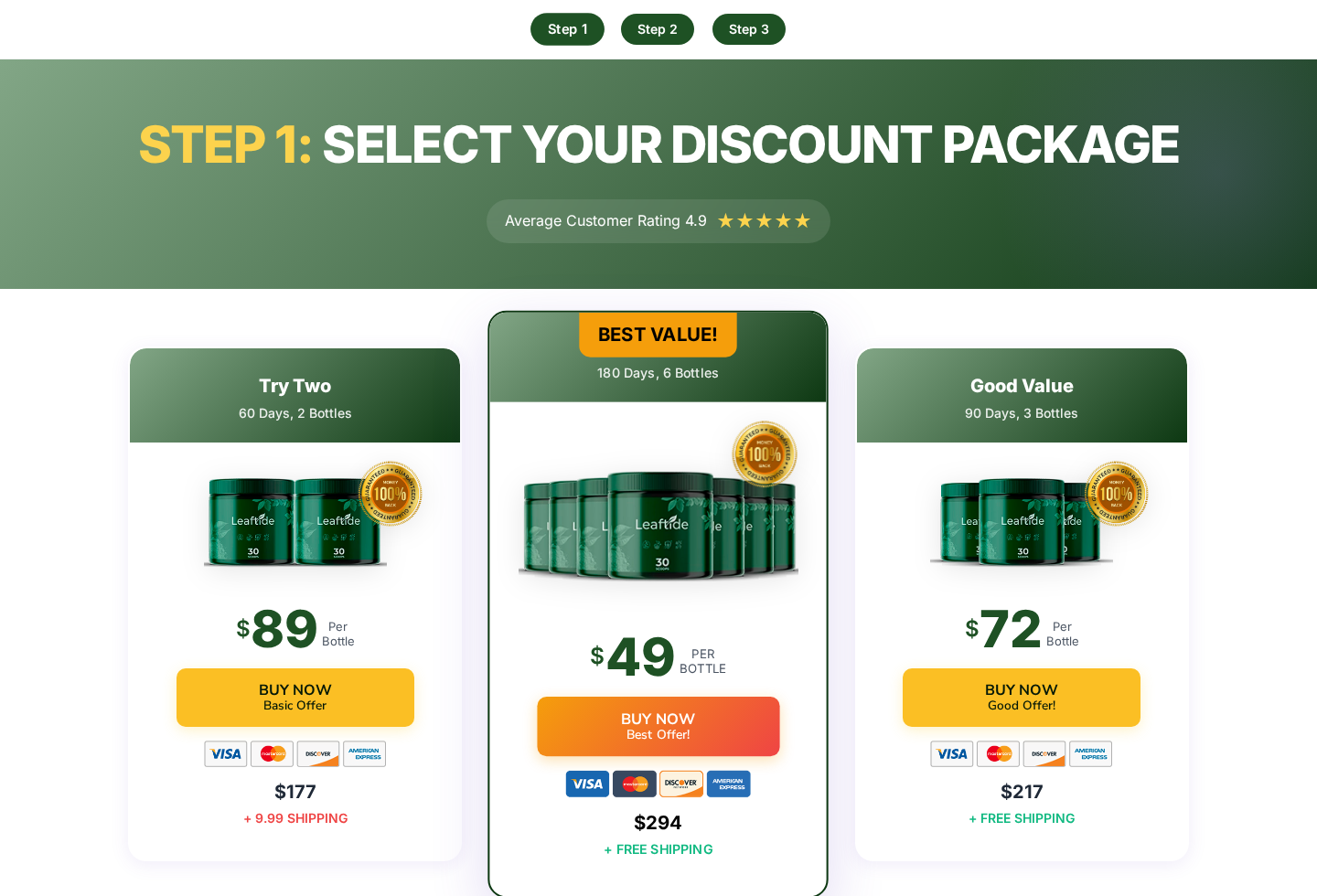
The active sales trail we examined promoted Leaftide, a supplement sold through GetLeaftide.com and a separate checkout subdomain.
The seller offers multi-bottle packages, makes broad wellness claims, and displays a 60-day guarantee alongside tightly written return conditions.
The public page says purchases are one-time and do not include autoship. However, consumer reports describe unexpected charges and repeat deliveries.
Those conflicting accounts matter. They do not prove every order becomes recurring, but they make careful checkout documentation essential.
- The celebrity clips show signs associated with AI-generated or manipulated advertising.
- No credible evidence connects the featured public figures to this matcha campaign.
- The supposed ritual acts mainly as a bridge into a supplement funnel.
- Package pricing and shipping choices can make the final total exceed the headline price.
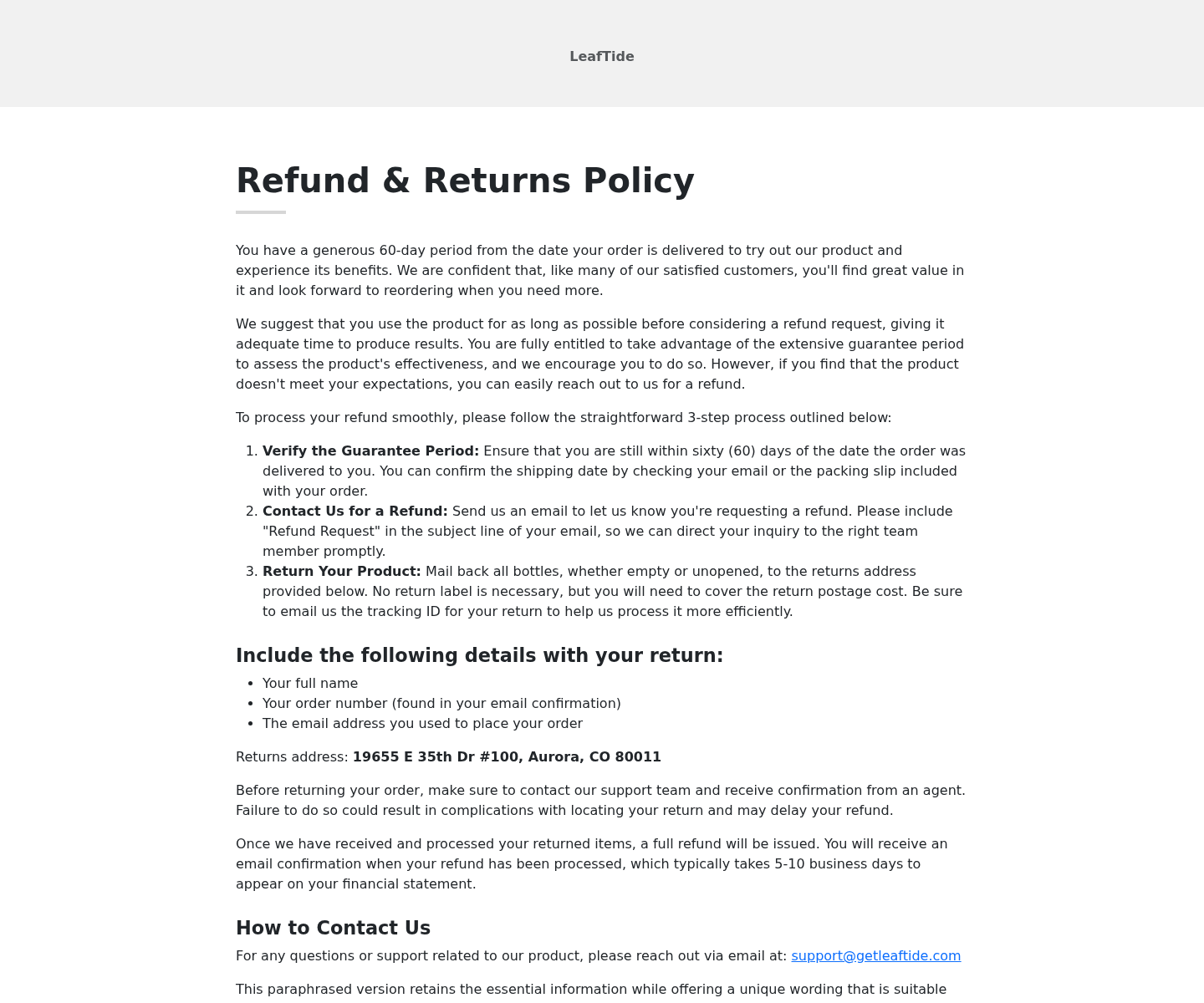
- Refund eligibility depends on returning bottles and following the seller’s approval process.
Why the details deserve attention
A real bottle and a functioning checkout do not validate the invented endorsement that brought a customer there.
That distinction is important. A deceptive advertisement can lead to an actual product while still misleading buyers about authority, evidence, and urgency.
The campaign also demonstrates how quickly names can change. Tomorrow’s bottle may differ while the celebrity script and matcha storyline remain nearly identical.
Consumers should therefore evaluate the entire sales path, not merely search for reviews of whichever label appears during one visit.
Why the Fake Matcha Ritual Is So Persuasive
Matcha already has a healthy reputation, so the campaign begins with an ingredient that feels familiar rather than threatening.
The advertisement then adds a recognizable person. That borrowed authority makes an unsupported sales claim feel like trusted advice shared informally.
AI video makes the trick cheaper and faster. Lip movements, voices, studio backgrounds, and podcast layouts can be fabricated for many different products.
Small visual flaws may appear around teeth, fingers, jewelry, or facial movement. Yet compressed social video often hides those clues.
The story also targets disappointment. People who have tried diets repeatedly may welcome an explanation that removes blame and promises an easier path.
That emotional relief can reduce skepticism. The viewer starts listening for hope rather than checking whether the speaker ever made the statement.
How the Scam Works
Step 1: An AI celebrity clip stops the scroll
The first contact usually happens through Facebook, Instagram, TikTok, or another feed where sensational health clips spread quickly.
A familiar face appears to discuss stubborn weight, inflammation, hormones, or a hidden reason conventional advice supposedly fails.
The audio may imitate the celebrity’s voice. Captions reinforce the message for viewers watching silently and disguise awkward synthetic speech.
The advertisement rarely invites careful examination. It uses a short runtime, quick cuts, and a prominent button to encourage immediate movement.
Step 2: The video teases a secret matcha recipe
The next promise is deliberately simple: add something to matcha, drink it at a particular time, and unlock a metabolic advantage.
Specific ingredients may be withheld. The missing answer creates curiosity and gives viewers a reason to continue through a longer presentation.
Testimonials and before-and-after pictures may appear around the claim, although those images do not establish who used the product or achieved results.
References to doctors, research, or television programs are often broad enough to sound impressive while remaining difficult to verify.
Step 3: A disguised article deepens the story
Some visitors reach an advertorial styled to resemble a news report, health magazine, or transcript from a well-known program.
Logos, navigation bars, timestamps, and comment sections create familiarity. They can be decorative elements rather than evidence of genuine publication.
The page repeats the celebrity narrative, dismisses ordinary approaches, and introduces the bottle as the easiest version of the alleged ritual.
Links across the page commonly lead to one destination. That is a strong clue the article exists to sell, not independently inform.
Step 4: The supplement replaces the promised recipe
By this stage, the viewer may realize there is no useful free recipe. The solution has become a proprietary formula.
Leaftide was the product attached to the version we reviewed, but campaign operators can substitute another label without rebuilding the story.
The sales page uses ingredient descriptions, wellness language, ratings, and guarantees to make the transition feel natural.
None of those elements proves meaningful weight loss. Dietary supplements are not preapproved by the FDA for effectiveness before reaching the market.
Step 5: Package pricing nudges a larger order
Multi-bottle menus frame the largest quantity as the best value and may label one option as popular or recommended.
At the time of our review, public pricing ranged from two-bottle through six-bottle packages, with shipping differing between choices.
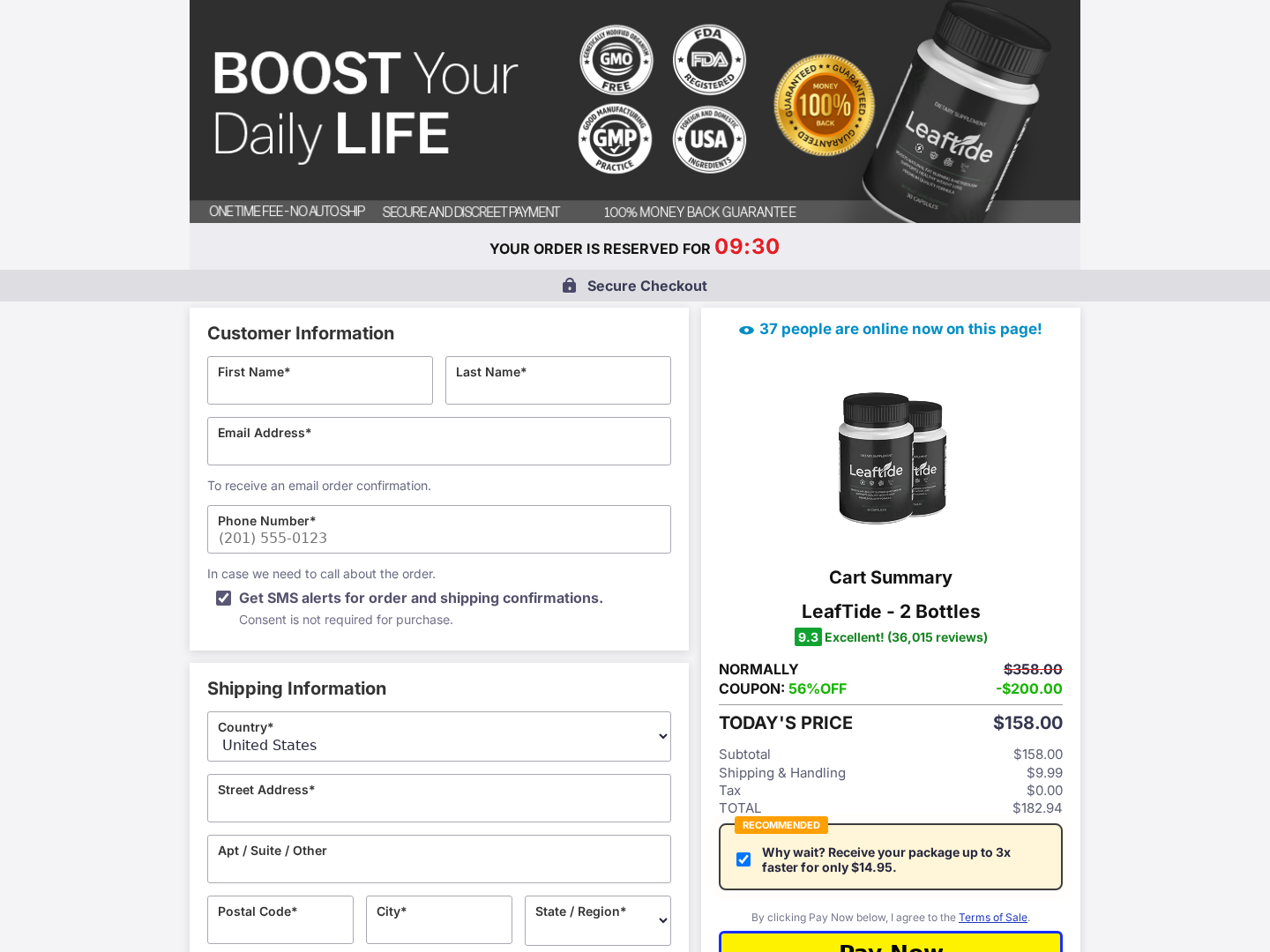
The checkout deserves separate attention because taxes, shipping upgrades, or optional additions can change the amount actually authorized.
Take a screenshot before submitting payment. It should show the package, quantity, shipping method, total, and any continuity language.
Step 6: Refund language creates practical hurdles
A prominent guarantee sounds reassuring, but the policy determines whether obtaining that refund is easy, expensive, or impossible.
Leaftide’s posted policy requires customers to contact support, receive confirmation, and return bottles to an Aurora, Colorado address.
The customer pays return postage and should keep tracking. Missing a procedural requirement can become a reason to deny the request.
One unusual sentence on the policy page describes the text as a paraphrased version. That drafting artifact undermines confidence in the document’s care.
Step 7: Disputes become a contest over records
If another charge or shipment appears, the seller may point to checkout terms while the buyer remembers seeing a one-time promise.
Consumer reports associated with the business describe unexpected charges and repeat packages. These are allegations, not proof that every order follows that pattern.
Receipts, page captures, bank descriptors, shipping labels, and support messages become crucial because advertisements can disappear or change quickly.
Without records, a buyer may struggle to show what was displayed when consent was supposedly given.
Health Claims Versus Reliable Evidence
Matcha contains compounds researchers continue to study, but that does not turn an unknown blend into a proven weight-loss treatment.
A supplement advertisement may borrow scientific words without providing the exact study, dosage, population, or formulation needed for a meaningful comparison.
Testimonials cannot answer those questions. They may reflect individual experiences, paid promotion, edited stories, or images unrelated to the advertised bottle.
Claims about repairing metabolism or producing dramatic weight loss deserve particular caution because they describe outcomes far beyond ordinary nutritional support.
Anyone taking medication, managing a chronic condition, or preparing for surgery should discuss unfamiliar supplements with a qualified clinician.
That conversation should include a clear ingredient list and dosage. A marketing page is not a substitute for individualized medical advice.
Company, Address, and Fulfillment Red Flags
The business identity is harder to follow than the branding
The bottle name, sales domain, checkout host, payment descriptor, and legal entity may not match. That fragmentation makes accountability harder for ordinary buyers.
Search the exact descriptor shown on your statement, not only Leaftide. One complaint referenced Mind Matrix, illustrating why the payment name matters.
A trustworthy seller should clearly connect its brand, contracting entity, support operation, and billing identity before asking for card details.
The listed addresses raise practical questions
The sales material lists a Largo, Florida address, while the return policy directs packages to a facility in Aurora, Colorado.
Different business and return addresses can be legitimate. However, a warehouse can process parcels without being the manufacturer or headquarters.
The footer also displayed an oddly formatted address during our review. Sloppy legal information is especially concerning on a page handling payments.
Support channels must work before the deadline
The advertised support route includes support@getleaftide.com and a telephone number using the 323 area code.
Test support promptly and keep the replies. An unanswered mailbox or endlessly ringing number can consume much of a limited return window.
Never rely exclusively on contact details inside the social advertisement. Compare them with the receipt, policy pages, package label, and card statement.
The supply chain remains insufficiently transparent
We found no basis to confidently claim every bottle was manufactured in China, and it would be irresponsible to present that assumption as fact.
The larger concern is missing traceability. Buyers need a complete Supplement Facts panel, lot details, responsible company, warnings, and credible manufacturing information.
When a seller hides those basics behind celebrity theater, health risks become harder to assess and recalls become harder to follow.
Warning Signs to Check Before Ordering
Pause when an advertisement seems emotionally perfect. The following checks take minutes and can prevent an expensive disagreement later.
- Search the celebrity’s official website and verified accounts for the exact endorsement.
- Look for the promised interview on the broadcaster’s genuine website.
- Read the checkout total rather than relying on the price shown earlier.
- Uncheck optional expedited shipping or add-ons you do not want.
- Find explicit language about recurring billing, continuity programs, and future shipments.
- Read the refund exclusions and calculate tracked return postage before paying.
- Search the statement descriptor, support number, email address, and return address.
- Save every page that influenced the purchase, including the advertisement.
A countdown is not a medical reason to hurry. Legitimate products remain available long enough for a customer to understand their obligations.
If a page prevents copying its terms or hides the final total until late, close it and reconsider the purchase.
How to Document the Offer Properly
Record the advertisement before opening its link. Include the account name, posting date, visible celebrity, caption, and any disclosure identifying a sponsor.
On the sales page, capture the address bar and the complete claim. A cropped promise can be challenged as missing context.
Save the ingredient label and Supplement Facts panel separately. Those details establish what formula was represented when you made the decision.
At checkout, photograph every selected box and the final total. Optional shipping can remain selected unless a buyer notices it.
Download the receipt as a file and forward it to a second email account. Webmail access may later be affected by unrelated security problems.
Finally, save the return policy on the purchase date. A later edit should not erase the conditions displayed when the contract began.
What to Do if You Have Fallen Victim to This Scam
- Stop additional payments. Lock the card temporarily through your banking application if another charge appears or you cannot identify the merchant.
- Call the card issuer. Explain the advertisement, authorized amount, received goods, and any charge you did not approve. Ask about dispute deadlines.
- Cancel in writing. Email the seller that you revoke permission for future charges and shipments. Request a cancellation number and written confirmation.
- Preserve the full trail. Save screenshots, receipts, checkout totals, statement descriptors, tracking numbers, policy pages, emails, and photographs of every bottle.
- Follow the return procedure carefully. Obtain authorization before mailing anything, use tracked shipping, and keep proof of delivery and package contents.
- Report deceptive advertising. Submit the campaign to the FTC, the social platform, and your state attorney general. Include the advertisement URL.
- Secure the device. Run a Malwarebytes scan if you downloaded anything, then use AdGuard to reduce malicious redirects and deceptive advertisements.
- Seek medical advice when needed. Stop using the supplement and contact a clinician if you develop a reaction or concerning symptoms.
Do not let embarrassment delay action. Banks and consumer agencies handle misleading online purchases regularly, and early documentation improves your options.
When disputing a charge, describe facts precisely. Separate the amount you authorized from any later amount, and explain how the advertisement influenced consent.
Frequently Asked Questions
Is the matcha weight loss ritual real?
We found no verified celebrity recipe matching the viral presentation. The story functions primarily as a route into a commercial supplement offer.
Did Oprah or the other celebrities endorse Leaftide?
We found no credible evidence that the public figures shown in these clips endorsed Leaftide or participated in this advertising campaign.
Does Leaftide automatically enroll every buyer?
The current sales page says no autoship. However, some consumer reports allege unexpected charges or repeat deliveries, so save the checkout terms.
How much can a Leaftide order cost?
Prices vary by package and can change. Confirm bottle quantity, shipping, taxes, and optional additions on the final payment screen.
Can matcha or a supplement guarantee weight loss?
No supplement can responsibly guarantee dramatic results for everyone. Outcomes depend on many factors, and strong medical claims require reliable evidence.
What is the fastest way to protect my money?
Save the offer, contact the seller in writing, and speak with your card issuer quickly about unauthorized or materially misrepresented charges.
The Bottom Line
The fake matcha weight loss ritual is a deceptive advertising story built around borrowed celebrity authority, vague health claims, and a commercial destination.
Leaftide is the current product in the funnel we examined, but the label can change. Judge the endorsement, checkout, company, and refund terms separately.
If you already paid, preserve your records and act quickly. A calm, documented response offers far more protection than arguing with a disappearing advertisement.








