

The profile appeared to belong to a professional football player with international property, a polished investment strategy, and enough wealth to make every promise feel possible.
The 49ers romance scam described by federal prosecutors allegedly used that relationship to lead women toward investments that did not exist. The supposed financial adviser was allegedly part of the same operation.
Overview
A false NFL identity supported a much larger wealth story
The 49ers romance scam described by federal prosecutors allegedly ran from February 2022 until arrests in August 2026. Daejon Labrayae Love, 35, is accused of presenting himself as a San Francisco 49ers player or wealthy international real estate investor.
Love allegedly met many targets through dating apps and built romantic relationships. Prosecutors say Taylor Jamie Chan, 18, then posed as Love’s investment adviser and helped make the nonexistent opportunities appear professional.
Fake accounts and three-way calls made the investments look real
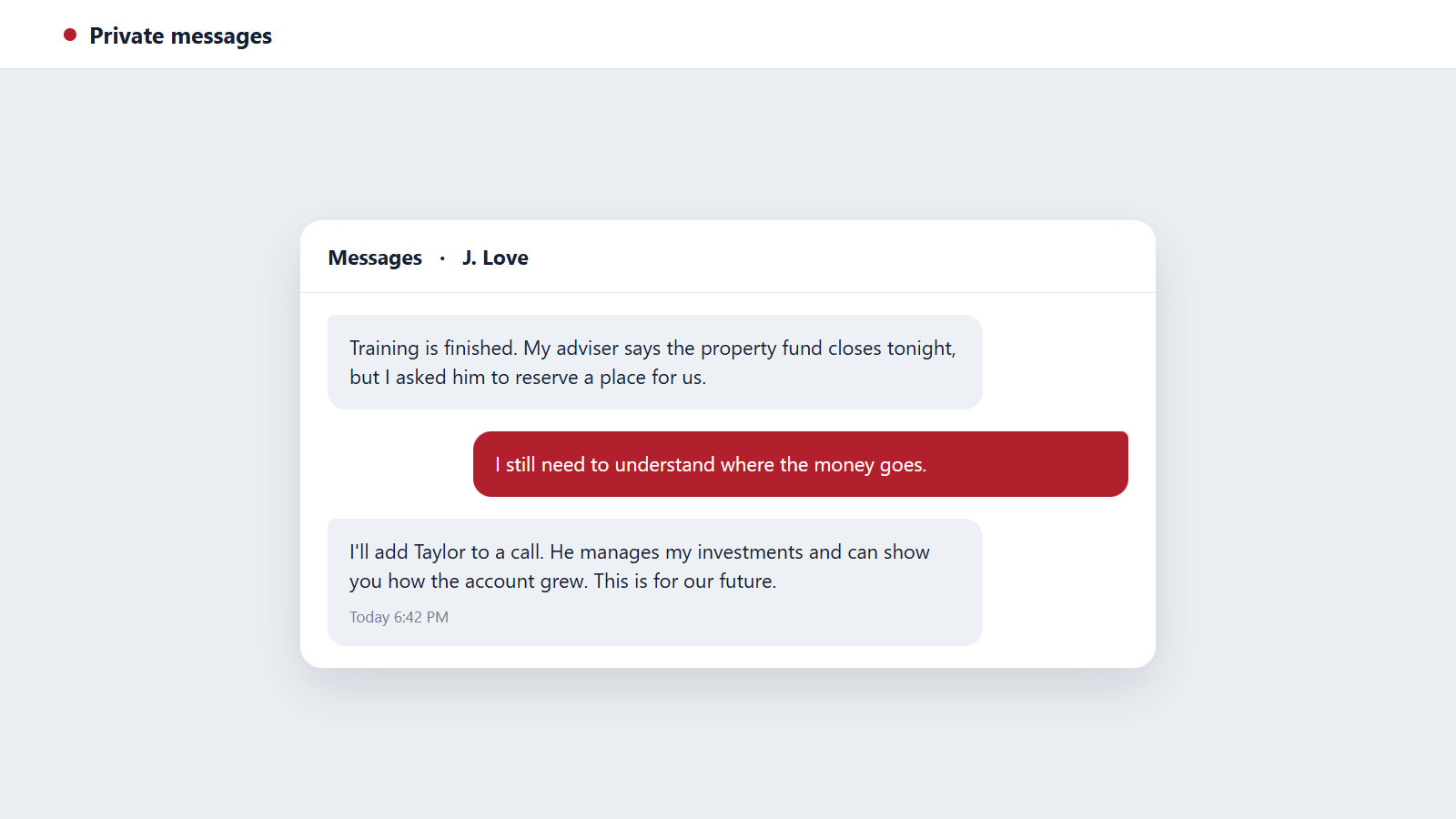
The U.S. Attorney’s Office for the District of Oregon says applications were used to display fictitious bank and investment balances. Messages between the two defendants were allegedly staged and shown to victims as proof of financial expertise.
The complaint also describes three-way FaceTime calls in which false gains were presented. An apparent adviser confirming the boyfriend’s success created a second voice of authority.
At least 26 identified victims allegedly lost about $1.3M
Federal authorities say victims sent money for purported investments or made large loans after being promised rapid repayment. Some were allegedly encouraged to take out personal loans when they had no cash left to invest.
The public allegations include:
- Romantic contact through Tinder, Bumble, Hinge, and Facebook Dating
- Claims of being an NFL player or wealthy real estate investor
- Images, clothing, and social posts supporting the football identity
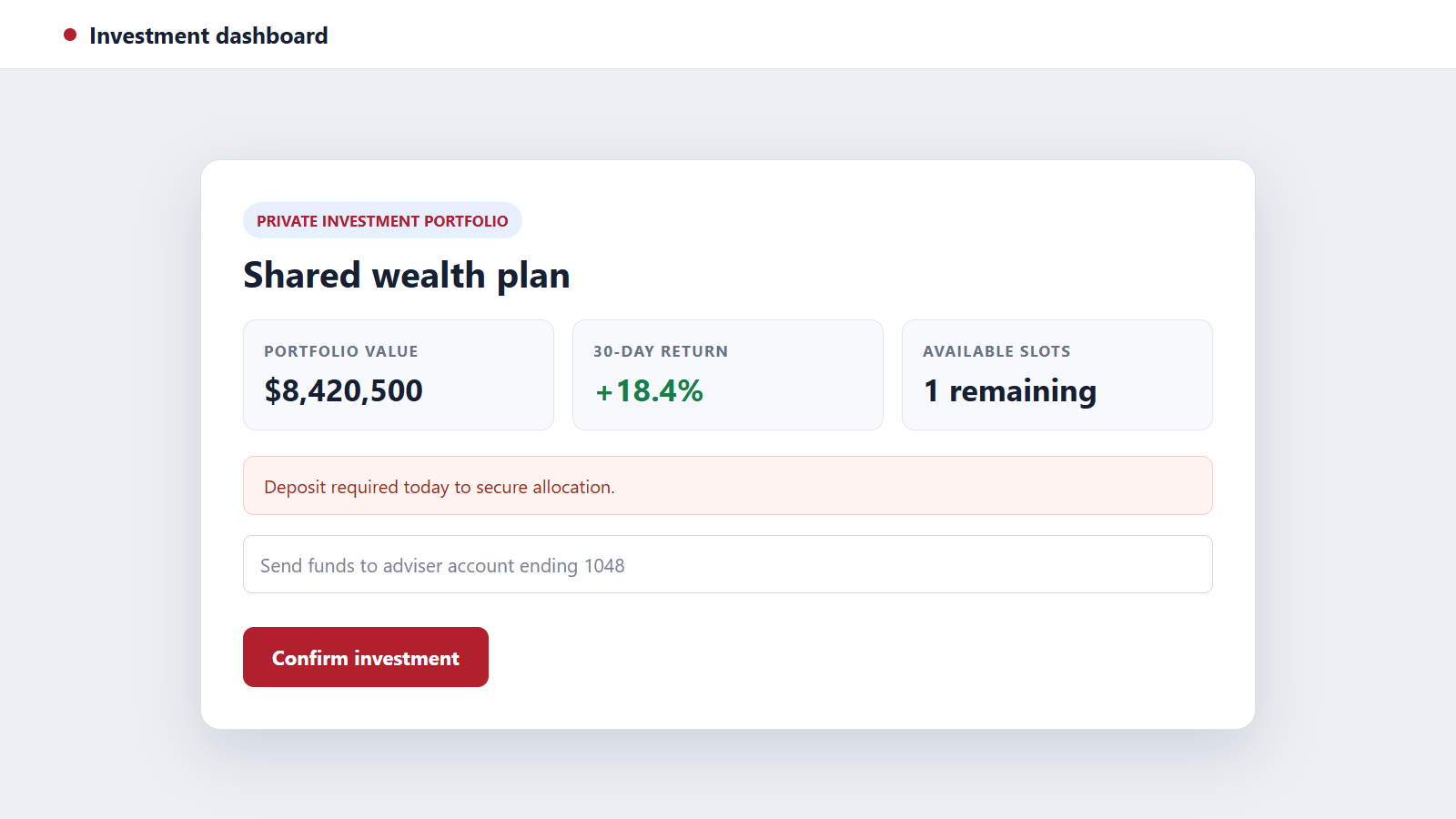
- Fabricated bank balances and investment returns
- An alleged accomplice acting as a professional adviser
- Requests for investment money and personal loans
- Approximately $1.3M received from 26 identified victims
- Possible additional victims sought by the FBI
Love and Chan were charged by criminal complaint with conspiracy to commit wire fraud and wire fraud. A criminal complaint is an accusation, and both defendants are presumed innocent unless proven guilty.
What Federal Prosecutors Allege Happened
The Justice Department says Love created fictitious personas and displayed a lavish lifestyle online and in person. The football claim was not the only identity used; he also allegedly presented himself as a successful real estate investor connected to Switzerland.
Relationships were important because the financial request did not arrive from a stranger. It came from someone the victim may have spoken with for weeks or months and believed was planning a shared future.
Chan allegedly reinforced the story as Love’s adviser. Prosecutors say the two exchanged investment-related messages, displayed false gains, and participated in calls encouraging victims to send more money.
The alleged investments were not merely casual suggestions. They were presented as opportunities capable of generating substantial returns for both Love and the victim.
When a victim lacked available cash, Love sometimes allegedly suggested a personal loan. The promise that a wealthy professional could repay the debt quickly made borrowing seem temporary.
Authorities say victims received no proceeds, returns on principal, or real investment-account information after sending funds. When someone ran out of money or asked too many questions, communication was allegedly blocked.
Why the Second Person Makes the Story More Convincing
Many people expect a romance scam to involve one isolated stranger inventing excuses. A coordinated second person changes the emotional balance.
The adviser appears independent, even though prosecutors allege that Chan was working with Love. When two voices agree about the same wealth and opportunity, the victim may treat that agreement as verification.
Three-way calls also create social pressure. The victim is not simply questioning a romantic partner; she is questioning an apparent professional who uses financial language and presents account results.
Staged messages can make the adviser appear cautious and credible. A fake adviser who occasionally warns about timing or risk may sound more authentic than someone promising easy profit at every moment.
The second participant can also absorb difficult questions. One person protects the romance while the other explains delays, transfer instructions, or account balances in technical language.
That separation gives each character a role. The romantic partner offers intimacy and reassurance, while the adviser supplies the appearance of distance and expertise.
The Difference Between a Profile and a Verifiable Career
Photos in team clothing, workout clips, stadium backgrounds, and football terminology do not establish an NFL career. Clothing can be purchased, media can be edited, and online biographies can be manipulated or fabricated.
A real professional history should be independently traceable through league, team, reputable news, and verified business records. Search results shown by the person are not independent evidence because the person selected them.
The same applies to real estate and investment claims. A screen showing a large balance is not a custodial statement, and a statement is not trustworthy until the institution and account can be verified independently.
A legitimate adviser should have a real name, employer, registration history where required, written disclosures, and an account held in the investor’s own name. Sending money directly to a romantic partner or the partner’s adviser bypasses those protections.
Verification should happen before any deposit, not after a profit appears on a screen. Call the firm through a separately researched number and confirm who controls the account, how withdrawals work, and where the funds are actually held.
How the 49ers Romance Scam Works
Step 1: A successful identity appears on a dating platform
The profile combines attractiveness, status, and a believable reason for travel or an unusual schedule. A professional athlete can explain long absences, controlled public appearances, and limited availability.
The person may move the conversation away from the dating service so reports and safety warnings are less likely to interrupt it.
Step 2: Frequent contact creates a serious relationship
Messages, calls, gifts, and future plans build emotional investment. The relationship may feel private and unusually intense, which makes outside skepticism seem intrusive.
Financial success is introduced gradually through stories about property, business, or investments rather than an immediate request for money.
Step 3: Visual proof supports the invented wealth
The target sees team clothing, training content, travel images, bank balances, or investment dashboards. Each item appears to answer a reasonable doubt.
Digital displays are easy to alter. The key question is whether the account can be verified directly with a regulated institution in the victim’s own name.
Step 4: An apparent adviser validates the opportunity
A second person joins by message or video and speaks as a professional financial manager. The adviser confirms the partner’s wealth and presents impressive returns.
This staged independence is powerful because the victim may not realize both people are telling the same prepared story.
Step 5: A small transfer tests trust and payment access
The first investment may be an amount the victim can afford. A fabricated dashboard then shows rapid growth, creating a reason to increase the next transfer.
A small withdrawal may sometimes be allowed in investment scams, although the federal announcement in this case says the identified victims reported receiving no proceeds or returns.
Step 6: Love and urgency are used to obtain larger sums
The opportunity becomes part of the couple’s future. Refusing can be framed as distrust, lack of commitment, or a missed chance to build wealth together.
If savings are exhausted, a loan may be suggested with the assurance that investment profits or the wealthy partner will repay it quickly.
Step 7: Questions produce excuses instead of withdrawals
Account access may be delayed by taxes, compliance reviews, market timing, transfer limits, or another investment cycle. Each explanation keeps the displayed profit away from the victim’s control.
A genuine investment account does not depend on a romantic partner’s permission to provide statements or withdrawals.
Step 8: Contact ends after the victim cannot send more
Prosecutors allege that Love blocked victims who ran out of funds or pressed for answers. The relationship disappears at the same moment the financial value ends.
Another person may later offer recovery, legal help, or access to the frozen investment for a fee. That can be a continuation of the same loss.
Company, Address, and Fulfillment Checks
The romantic identity is not a verified professional identity
A dating profile, social account, or video call does not prove an NFL affiliation or investment role. Verify the full name through sources the person did not provide.
Aliases and inconsistent biographies deserve special attention.
The business address must connect to a real operation
Ask where the investment entity is registered, regulated, and physically located. A shared office, mail drop, residential address, or nonexistent suite does not establish a working financial firm.
Confirm records through the responsible regulator rather than a certificate sent by the romantic partner.
The adviser must be independently reachable and verifiable
Do not use the telephone number, email, or profile introduced by the partner as the only verification route. Look up the professional and firm separately.
A legitimate adviser should not direct personal transfers to themselves or the client’s romantic partner.
The investment must exist in the victim’s own account
Money should move to a regulated institution and an account the investor can access independently. A screenshot of someone else’s balance is not proof of custody.
Statements, fees, assets, withdrawal rights, and tax information should be available without the partner controlling access.
Warning Signs in a Romance Investment Pitch
- The person claims a public career that is difficult to verify independently.
- Online searches are selected or shown by the person being checked.
- A friend or adviser appears only through contact routes the partner controls.
- Investment balances are shown through apps or screenshots, not a real account.
- Transfers go to a person rather than an account in the investor’s name.
- The returns are unusually high, steady, or guaranteed.
- The relationship becomes strained whenever financial questions are asked.
- Loans are suggested after savings are exhausted.
- Withdrawal requires another payment, tax, or waiting period.
- The person demands secrecy from family, friends, or financial professionals.
One unusual detail does not prove fraud. A pattern of unverifiable identity, emotional pressure, controlled account access, and repeated transfers is far more serious.
What to Do if You Have Fallen Victim to This Scam
- Stop every new payment. Do not send a final tax, withdrawal fee, loan, or recovery payment, even if a dashboard still shows a large balance.
- Contact the sending institutions immediately. Ask banks, card issuers, wire services, and payment apps whether pending transfers can be stopped or completed payments recalled.
- Preserve the relationship evidence. Save profiles, usernames, messages, emails, telephone numbers, video-call details, payment instructions, receipts, and investment screenshots.
- Do not warn the suspected operator before preserving records. Accounts and messages may disappear quickly once the person realizes a report is being prepared.
- Report the case to law enforcement. The FBI has asked anyone with information about Daejon Love or Taylor Chan to use its official tip channel or call 1-800-CALL-FBI.
- Submit a fraud report. Provide the complete timeline through ReportFraud.ftc.gov and keep the reference number.
- Protect exposed identity information. Change reused passwords, secure email, freeze credit if necessary, and use IdentityTheft.gov for a recovery plan.
- Check devices and accounts. If files, apps, or remote tools were installed, run a full Malwarebytes scan and remove unfamiliar software.
- Reduce malicious redirects. AdGuard can help block known phishing sites and deceptive ads used in follow-up approaches.
- Get support without shame. Romance fraud is designed around trust and attachment. A trusted friend, counselor, attorney, or victim advocate can help organize decisions.
- Reject guaranteed recovery offers. No private stranger can promise to retrieve the money for an upfront fee, crypto payment, or access to your bank account.
Frequently Asked Questions
Were the accused men actually connected to the 49ers?
Federal prosecutors say neither had an NFL or San Francisco 49ers affiliation. The football identity was allegedly part of the deception.
How many people were identified as victims?
The Justice Department reported 26 identified victims and about $1.3M received. The FBI believes additional victims may exist.
Why did an adviser participate in the calls?
Prosecutors allege that Chan posed as Love’s adviser to validate the fake investments, display false gains, and encourage transfers.
Can a video call prove someone is legitimate?
No. It may show that a person exists, but not that the claimed career, wealth, adviser, or investment account is real.
Should a victim pay a fee to withdraw displayed profits?
No. Another fee often extends the fraud. Stop paying and contact the financial institutions and law enforcement instead.
Have Love and Chan been convicted?
The cited federal announcement describes charges by criminal complaint. Charges are accusations, and defendants are presumed innocent unless proven guilty.
The Bottom Line
The 49ers romance scam allegations show how affection, status, false financial displays, and a second trusted voice can be assembled into one long-running investment story.
Verify the person and the investment outside the relationship before sending anything. Money should enter a regulated account you control, not a future that exists only in messages, screenshots, and promises.

Join the discussion
0 commentsShare your experience or ask a question about this article.
Discussion
Start the conversation
Have a question or something useful to share? Add the first comment.