

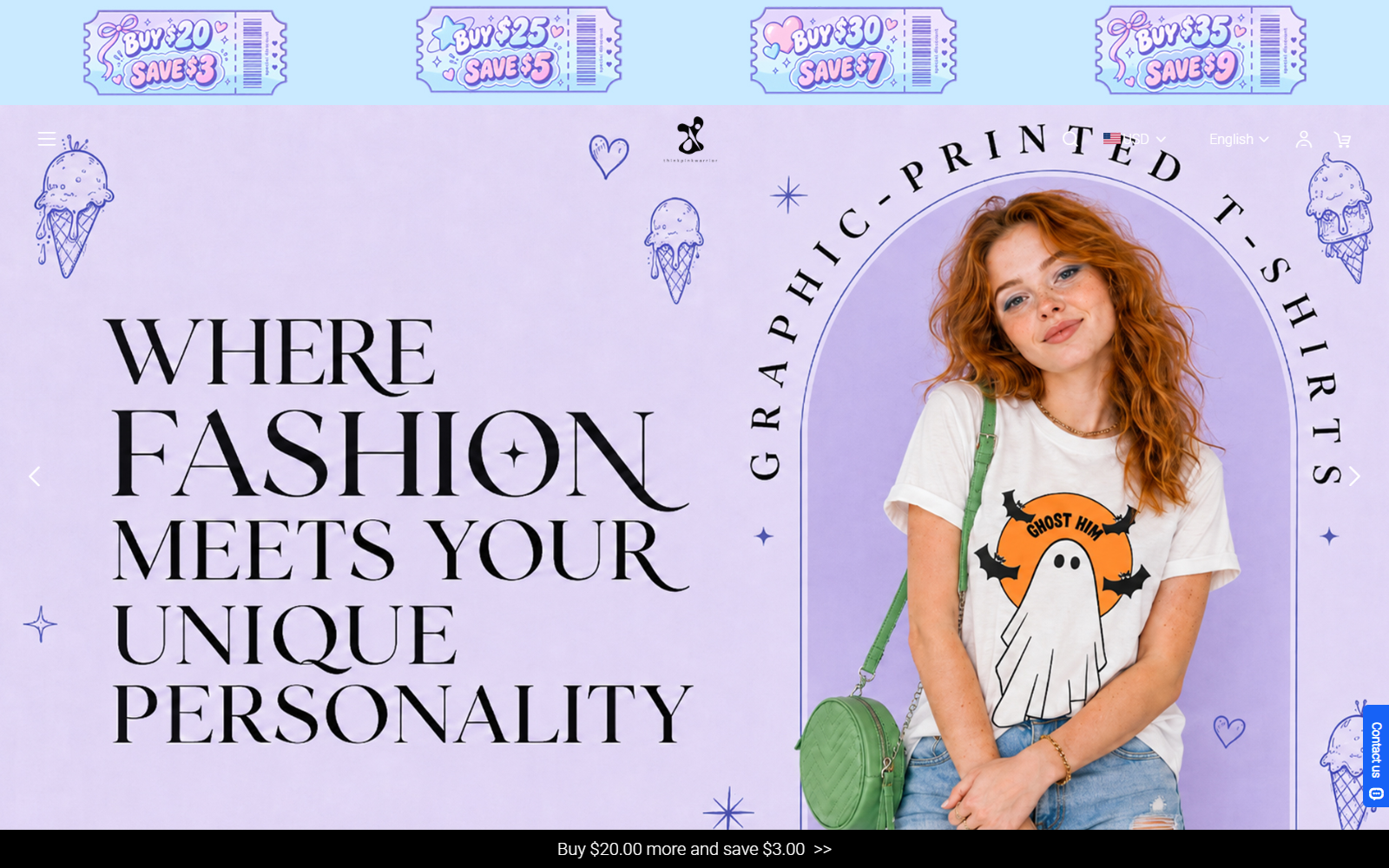
ThinkPinkWarrior fills its storefront with bold pink clothing, breast-cancer-awareness messages, and designs that can look more detailed than ordinary printed apparel.
The emotional theme is powerful. The practical question is whether the product, seller information, and return process match what a buyer expects.
Overview
What ThinkPinkWarrior sells
ThinkPinkWarrior is a functioning online apparel store. It markets shirts, sweatshirts, hoodies, jackets, and accessories built around pink-ribbon imagery and supportive slogans.
The website says many items are made to order. Product listings describe printed designs, although certain promotional images can create a richer, more textured impression.
This investigation found evidence that some customers received merchandise. The central concerns involve representation, garment quality, sizing, delivery expectations, and difficult returns.
Why shoppers are complaining
Public reviewers allege that delivered garments looked thinner, flatter, or less detailed than expected. Several describe graphics that appeared printed rather than embroidered or layered.
Other complaints mention sizing differences, slow delivery, unanswered messages, partial-refund offers, and return instructions that were difficult to obtain.
These reports are allegations from individual buyers. They do not prove that every order has the same outcome, but their similarities deserve careful attention.
Our assessment
ThinkPinkWarrior should not be described as a simple non-delivery scam based on the available evidence. The store exists, publishes policies, and appears to fulfill at least some orders.
However, it presents meaningful shopping risks. The domain is very new, outside reviews are poor, and the return policy gives customers a narrow, approval-dependent path.
- The store’s domain was registered recently.
- Customer reports repeatedly question image-to-product accuracy.
- Returns must be requested within 14 days.
- The parcel’s sender address is not the authorized return address.
- Change-of-mind refunds are not promised.
- Company and fulfillment details require careful distinction.
The Product Images Deserve a Second Look
Online clothing photography can make inexpensive fabric look heavier and more structured. Lighting, digital mockups, compositing, and image enhancement can hide how a garment hangs.
A design that appears stitched may actually be a flat print. Shadows around letters or patches can imitate raised embroidery when viewed on a small screen.
ThinkPinkWarrior’s product pages use “printed” language for many items. Buyers should rely on that written description, not infer construction from the image alone.
Zoom into edges, seams, lettering, and repeated fabric folds. Perfectly identical textures across several garment colors can indicate a reusable digital mockup.
Look for independent customer photographs showing the actual tag, inside stitching, print surface, cuffs, zipper, and fabric thickness. Storefront testimonials are not an independent sample.
When photos and specifications conflict, ask the seller for a close-up of the finished item. Save the response and product page before placing an order.
How the ThinkPinkWarrior Buying Experience Works
Step 1: Emotional advertising leads to the storefront
A shopper may encounter a pink-ribbon design through social media, search results, or an advertisement. The message can feel personal because cancer touches many families.
That emotional connection can shorten the usual evaluation process. Buyers may focus on showing support rather than checking fabric, company history, or return conditions.
A cause-related design does not establish that a sale funds a charity. Unless a specific donation and beneficiary are clearly disclosed, do not assume charitable support.
Step 2: Styled images shape expectations
The storefront presents colorful designs on polished product mockups. From a distance, printed details may resemble appliqué, embroidery, sequins, or layered construction.
The listing title and description should settle that question. If the text says “printed,” expect a surface graphic unless the page explicitly promises embroidery.
This difference matters because a flat print can be legitimate yet disappointing when the visual presentation encouraged a more premium interpretation.
Step 3: Made-to-order language limits flexibility
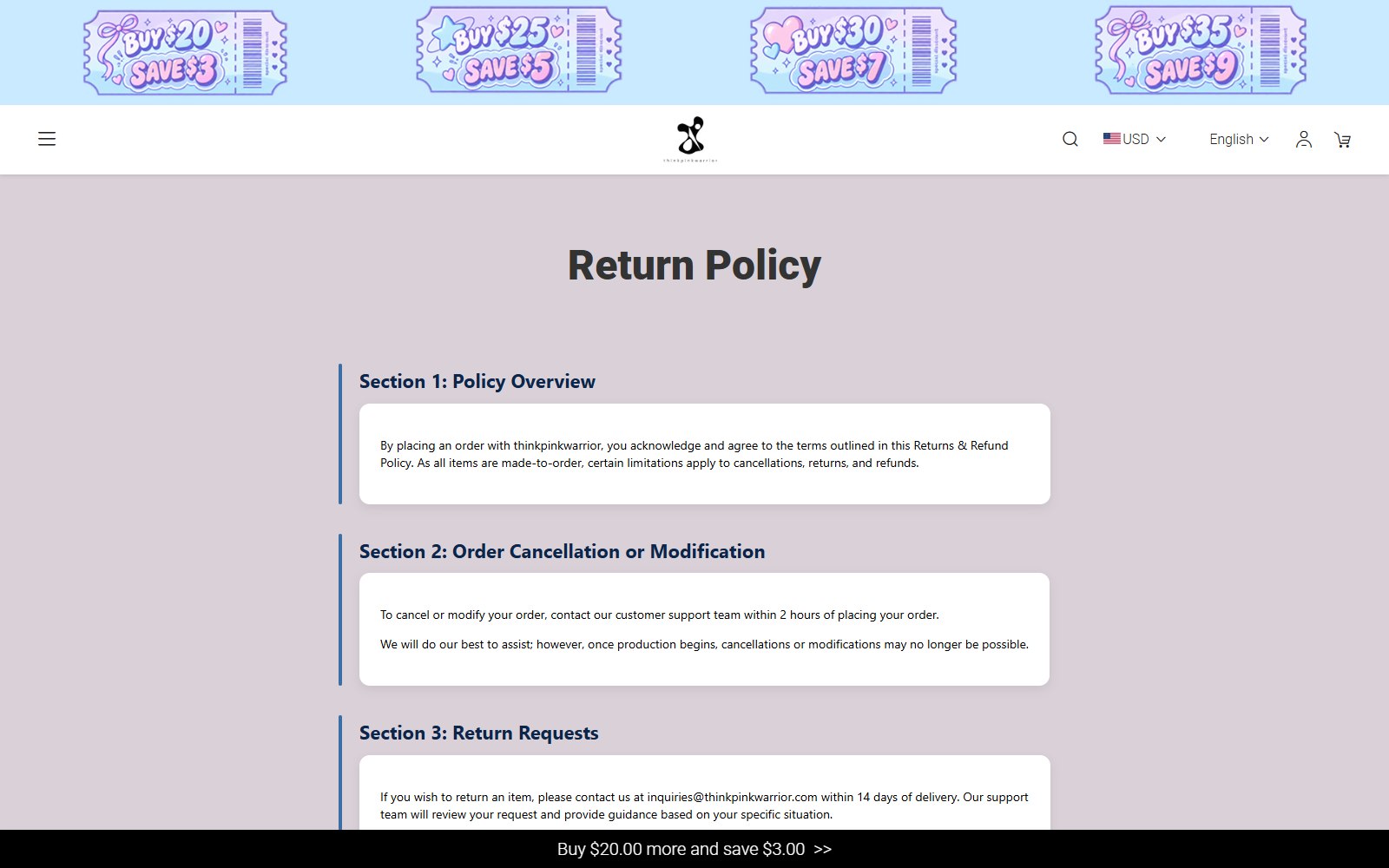
The published policy says products are made to order. Customers are given only two hours to request an order cancellation or modification.
After that period, production status can become a reason to refuse changes. A wrong size or accidental duplicate may therefore be difficult to correct.
Review the size chart for each item instead of choosing a familiar label. Measurements can vary between suppliers even when both garments say medium or large.
Step 4: Delivery reveals the image-to-product gap
Some reviewers say the package arrived but the product did not match their expectation. Allegations include thin material, flat printing, unusual sizing, and limited labeling.
A disappointing product is not automatically counterfeit or fraudulent. The key issue is whether the sales presentation accurately conveyed material, construction, dimensions, and finish.
Photograph the unopened parcel, shipping label, garment, tags, seams, and design immediately. Evidence is strongest before the item is worn, washed, or altered.
Step 5: The return must be approved first
The store instructs customers to email within 14 days and provide the order name, number, photographs, and a reason for return.
It specifically warns customers not to send products to the address on the original package. An approved return address is supplied only after the request is accepted.
Mailing an item without authorization can leave the buyer without a refund, even when tracking shows delivery somewhere associated with the shipment.
Step 6: Resolution may become a negotiation
The policy says a partial or courtesy refund may be offered in certain situations. Full refunds are described for missing, wrong, defective, damaged, or returned-to-sender orders.
Public complaints allege that some customers received partial-refund proposals instead of straightforward return instructions. Again, these are reports, not verified outcomes for every buyer.
Do not accept a small refund automatically if the product was materially misrepresented. Compare the offer with card-network rights and the evidence you preserved.
Return Policy Details That Matter
The 14-day request period is not a general satisfaction guarantee. It is a window for contacting the seller and beginning an approval process.
That distinction matters when delivery occurs during travel, a gift is opened later, or support responds slowly. The calendar can continue moving while the issue remains unresolved.
The policy’s made-to-order framing may be used to limit ordinary returns. Buyers should assume that preference, fit, or unmet expectations may not secure a full refund.
Damage and defect claims require clear photographs. Record the package opening in one continuous video if the item is expensive or the parcel looks crushed.
Do not wash the garment while disputing print quality or size. Washing gives a merchant another reason to argue that the item is no longer in original condition.
If support provides a return address, verify the destination and use tracking. Ask whether shipping costs are reimbursed and whether any restocking deduction applies.
Company, Address, and Fulfillment Checks
The terms name a legal company
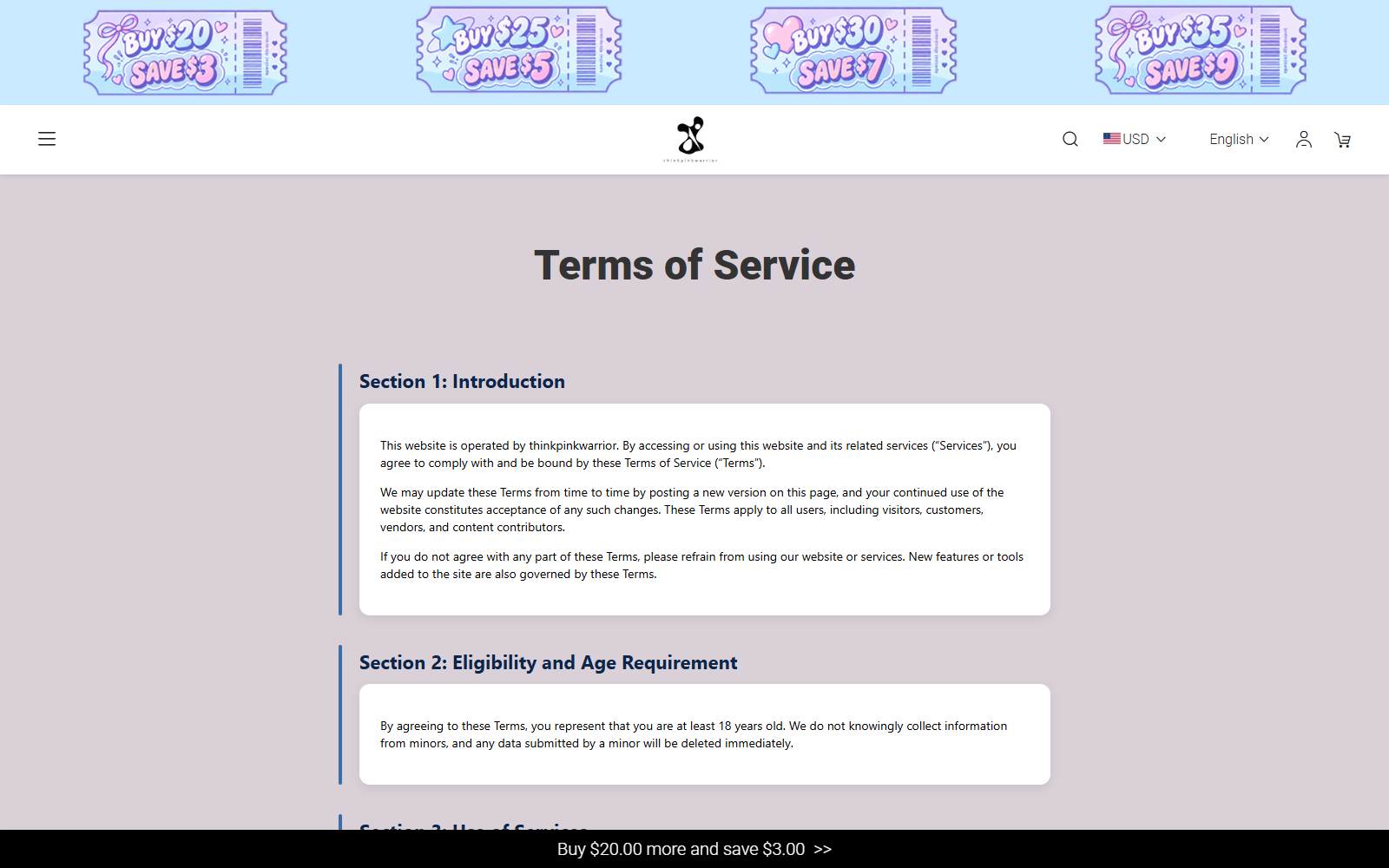
ThinkPinkWarrior’s terms identify CORK CODA INC and list 178 N 1st St, Dixon, California 95620. That is more information than many anonymous storefronts provide.
Corporate registration does not independently verify product quality, warehouse location, or customer-service performance. It identifies a legal entity that can be researched and documented.
The listed address is commercial, not proof of fulfillment
The Dixon address is associated with a commercial property. That does not establish that ThinkPinkWarrior manufactures clothing, stores inventory, or receives returns there.
The return policy reinforces this distinction by telling buyers not to use the address on the incoming package. Fulfillment and corporate registration can involve different locations.
The same company appears behind another storefront
CORK CODA INC also appears in terms connected to another apparel website. Multiple storefronts are not inherently improper, but they can complicate brand accountability.
Save the company name, card descriptor, website, order number, and support email. A bank may need all five when locating or disputing a transaction.
Support is the practical test
Before ordering, send a specific question about material, printing method, origin, return shipping, and authorized return destination. Vague or absent answers increase the risk.
After ordering, keep communication in writing. Repeated automated replies without direct answers should be documented before the return window expires.
What to Do if You Ordered from ThinkPinkWarrior
- Preserve the original listing. Save screenshots showing the product image, description, material, printing method, size chart, delivery estimate, and price.
- Document the delivery. Photograph the parcel, shipping label, garment, tags, defects, dimensions, and any difference between the listing and received item.
- Contact support within 14 days. Include the order number, issue, photographs, requested resolution, and a clear response deadline.
- Request the authorized return address. Do not send the garment to the original parcel address unless the seller confirms it in writing.
- Keep the item unchanged. Do not wear, wash, repair, or discard it while a refund, return, or charge dispute is pending.
- Use tracked return shipping. Photograph the packed return and label. Retain the receipt, tracking page, and proof of delivery.
- Challenge misleading representation. If imagery implied embroidery but the description said printed, explain exactly what a reasonable buyer could observe and what arrived.
- Contact the card issuer when support fails. Provide the listing, policy, communications, photographs, tracking, and any partial-refund proposal.
- Secure your device if redirected. Use Malwarebytes after suspicious downloads. AdGuard can help block malicious advertisements and redirect chains.
- Report recurring problems. Submit accurate evidence to consumer-protection agencies and review platforms without exaggerating facts you cannot prove.
How to Shop More Safely on Similar Stores
Reverse-search product images and distinctive slogans. The same artwork may appear through established marketplaces with clearer delivery and return protections.
Check the domain’s age, but do not treat age alone as a verdict. A new store can be legitimate, while an old domain can change ownership.
Search the legal company name, not only the storefront brand. Complaints and other websites may be filed under the company rather than the product name.
Read policy pages before choosing a size. Look for short cancellation periods, approval-only returns, international return shipping, and exclusions for made-to-order products.
Pay with a credit card or another method offering meaningful dispute rights. Avoid irreversible transfers for unfamiliar clothing stores.
Place a small first order. One garment provides more useful evidence about fabric, print quality, delivery, and support than a large promotional bundle.
How to Compare the Listing with the Delivered Garment
Start with construction. Compare whether the advertisement showed stitched patches, raised lettering, appliqué, rhinestones, or embroidery against the surface actually received.
Next, measure the garment while laid flat. Record chest width, total length, sleeve length, shoulder width, and waistband without stretching the fabric.
Compare those measurements with the size chart saved on purchase day. A familiar size label means little when suppliers use different measurement standards.
Examine the fabric composition tag. If the listing promised cotton or a specific blend, photograph any label showing a different material.
Check print alignment at seams, pockets, zippers, and cuffs. Mockups can display artwork perfectly even when production placement varies considerably.
Inspect resolution and color. Blurred edges, visible background rectangles, unexpected color shifts, or cracking may support a quality or misrepresentation complaint.
Look at the inside of the garment. Embroidery normally leaves stitching or backing, while a surface print does not create that physical structure.
Compare accessories and finishing details. Drawstrings, zipper pulls, lining, pockets, labels, and cuff shapes can differ from a digitally assembled product image.
Photograph defects beside a ruler and in natural light. Clear scale and color make evidence more useful than an emotional description alone.
A card dispute should explain the measurable difference. “Not as expected” is weaker than identifying an omitted feature or conflicting material specification.
Do not claim the image was AI-generated unless evidence supports it. Digital mockups, heavy retouching, and compositing can mislead without using generative AI.
The goal is accuracy. Strong, specific documentation protects the buyer better than broad accusations that a merchant can dismiss as opinion.
When a Cause-Based Design Creates Extra Pressure
Breast-cancer imagery can make a purchase feel like participation in a community. That feeling should not be confused with a documented charitable contribution.
Look for a named beneficiary, donation amount, campaign period, and verifiable partner statement. General awareness language does not establish that proceeds support patients.
Buy the garment only if its quality and terms make sense independently. A meaningful slogan cannot compensate for unclear materials or unusable return options.
Frequently Asked Questions
Is ThinkPinkWarrior a confirmed scam?
The available evidence does not justify calling every transaction fraudulent. The store operates and some complaints describe delivered goods, but significant quality and return risks remain.
Does ThinkPinkWarrior sell embroidered clothing?
Many reviewed listings describe printed products. Do not assume raised embroidery from a polished image unless the written specifications explicitly promise it.
Who operates ThinkPinkWarrior?
The website’s terms name CORK CODA INC and a Dixon, California address. That disclosure does not establish where items are manufactured or fulfilled.
Can I return a ThinkPinkWarrior order?
The published policy requires contacting support within 14 days and receiving approval. It warns customers not to use the address on the original package.
Why might a partial refund be offered?
Partial refunds can cost a merchant less than processing a return. Compare any offer with the product problem, shipping cost, policy, and cardholder rights.
What evidence should I keep?
Keep product screenshots, size charts, confirmation emails, package labels, photographs, support messages, return instructions, tracking, and the card statement descriptor.
The Bottom Line
ThinkPinkWarrior is better described as a high-risk apparel purchase than a proven universal scam. Its emotional branding should not replace ordinary shopping checks.
The greatest concerns are presentation-to-product differences, recent domain history, poor independent reviews, a short return window, and an approval-dependent return destination.
If you buy, start small, expect printed construction unless stated otherwise, document everything, and use a payment method that preserves dispute options.








