

A parent notices their child snoring again. Then an advertisement suggests the problem might shape the child’s face, and a special pillow could change everything.
That is a frightening promise to encounter at bedtime. Before buying, it is worth looking closely at what the page actually shows.
Overview
The promise goes far beyond ordinary comfort
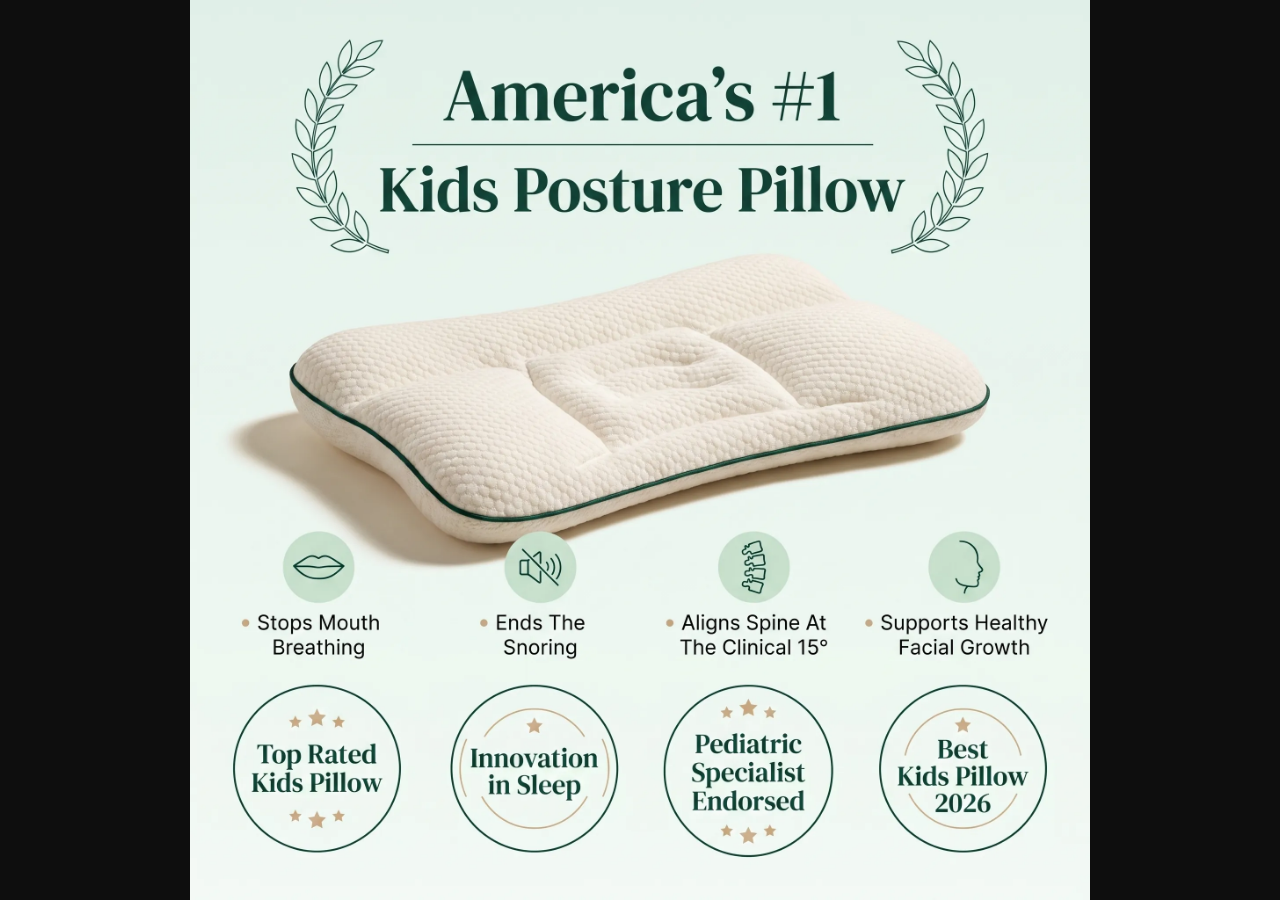
CalmNest sells a contoured pillow for children in three age ranges, beginning with ages one to three and extending through the teenage years.
A previously indexed sales page did not merely promise a softer night. It claimed the pillow supports breathing, reduces snoring, and improves how a growing jaw develops.
On October 1, 2026, the storefront itself displayed a Shopify unavailable notice. Its product image files remained accessible, but new orders and current policies could not be verified there.
Parents are told that the wrong pillow can pull a child’s chin back, narrow the airway, and push facial growth in an unwanted direction.
The copy then presents CalmNest as an intervention during a closing developmental window. That makes an ordinary purchase feel like a decision about a child’s future.
Those are medical-sounding claims. A pillow’s contour can affect comfort, but the archived page did not establish that this product prevents orthodontic problems or treats sleep apnea.
The evidence offered is mostly the seller’s own material
The page introduces a clinician as “Dr. Sarah C., DDS” and attributes a strong prevention claim to her. It does not provide enough information there to independently identify her.
It also displays thousands of reviews and purchasers. Those numbers appear in several forms, including 29,360+ purchasers, 29,026 reviews, and 59,000+ happy customers.
Different figures can describe different measurements. However, a careful buyer should be able to learn where the counts came from and whether reviews were independently verified.
A testimonial about quieter snoring is not a clinical trial. It cannot show what caused the change, how long it lasted, or whether the same result applies elsewhere.
The site invokes respected research and professional organizations. Referencing genuine research does not show that those organizations tested or endorsed this particular pillow.
Our assessment is about claims, not a proven fake product
CalmNest has an active storefront and a physical pillow listing. We did not purchase the item or establish that every customer has a delivery problem.
The concern is the distance between broad health promises and the evidence visible to shoppers. That gap matters most when a child may need medical assessment.
- The listing includes sizes for ages one to three, three to eight, and eight to eighteen.
- It claims changes to breathing, snoring, posture, and jaw development.
- The named clinician is not fully identifiable from the reviewed quotation.
- The page presents multiple large popularity counts without explaining their methods.
- Persistent snoring deserves a pediatric evaluation, not a product-only response.
None of these observations proves a fraudulent transaction. They do justify skepticism toward the health claims and careful attention to the seller’s guarantee.
Why the CalmNest Message Lands So Hard
It begins with a symptom many parents already recognize
Some children snore occasionally when congested. Frequent snoring, pauses in breathing, restless sleep, and daytime problems can signal something that needs a clinician’s attention.
The American Academy of Pediatrics’ parent guidance tells families to discuss frequent snoring and breathing concerns with a pediatrician.
The American Academy of Pediatric Dentistry likewise emphasizes screening and medical referral when pediatric obstructive sleep apnea is suspected.
Those organizations address the actual health problem. They do not establish that a particular pillow can correct an airway disorder or remodel facial growth.
A parent seeing a familiar symptom may connect the advertisement’s explanation with their own experience. That emotional connection makes later claims feel more plausible.
It turns uncertainty into a deadline
The sales story describes a narrow age window in which development can supposedly be redirected. Waiting is framed as allowing permanent damage to accumulate.
That message can make a $54.99 pillow feel trivial compared with potential orthodontic bills listed on the page. The comparison is powerful but not a diagnosis.
A child’s growth is complex. Whether treatment is needed depends on symptoms, anatomy, sleep findings, and professional evaluation, not a generic online countdown.
If a website makes you fear that tonight is your last chance, step away from the checkout and discuss the symptoms with the child’s clinician.
It borrows the language of clinical precision
The page discusses the palate, tongue position, jaw angle, and airway. Some of those topics are legitimate areas of pediatric and dental research.
The leap comes when the seller presents its own pillow as the direct solution. A plausible biological explanation is not proof that the advertised product works.
Ask for a study measuring children who used this exact pillow against an appropriate comparison group. Ask who conducted it and what outcomes were measured.
Without that evidence, improvements promised within seven or fourteen nights should be treated as marketing predictions, not expected clinical outcomes.
How the CalmNest Sales Funnel Works
Step 1: A common bedtime worry becomes a serious threat
The page opens with the idea that an ordinary pillow can shape a child’s face in the wrong direction. That is more alarming than a typical comfort claim.
Snoring, mouth breathing, and morning tiredness become parts of one story. A parent may recognize one sign and assume the rest applies automatically.
However, similar symptoms can have different causes. Congestion, enlarged tonsils, allergies, and other problems require different assessment and treatment.
The advertising compresses that uncertainty into one cause: the angle of the head and neck during sleep. It then offers one product as the answer.
That shortcut is the main reason to read slowly. A seller can accurately describe a concern while oversimplifying what causes it.
Step 2: A clinician-style quotation supplies authority
“Dr. Sarah C., DDS” appears as a specialist with years of experience. Her quoted statement says many cases she sees could have been prevented.
We cannot confirm the identity or clinical history from the reviewed page alone. The page should supply a full name, practice, qualifications, and a verifiable source.
Even a real dentist’s opinion would not replace controlled evidence for the product. Credentials and product performance are separate questions.
Parents should not feel embarrassed for finding this persuasive. In a health context, a professional-looking quotation is designed to carry weight.
Use the clinician’s name as a starting point for independent verification, not as the final answer about the pillow.
Step 3: Social proof makes hesitation feel unusual
The site shows review scores, customer photographs, testimonials, and large purchaser totals. They create a sense that thousands of families already solved the problem.
Several counts appear close together, but the page does not clearly explain how each was measured. A review number cannot be audited from presentation alone.
Search for feedback outside the seller’s own site. Look for reviews that discuss delivery, fit, material, returns, and symptoms that did not improve.
Pay attention to dates and detailed photos, but remember that outside reviews can also be incomplete or manipulated. No single review proves a medical effect.
The strongest evidence would be independent testing of the claimed outcomes. Popularity, even if genuine, answers a different question.
Step 4: The offer compares a small purchase with costly treatment
The page mentions orthodontic treatment costing thousands and positions the pillow as an inexpensive earlier intervention. That comparison can feel reassuring.
But buying a pillow does not eliminate the need for a dentist, pediatrician, or sleep specialist when symptoms persist. Delaying assessment could be costly.
The size selector spans very different ages. A pillow suitable for a teenager may not be appropriate for a toddler, even under the same brand name.
Check the exact dimensions, filling, care instructions, and age guidance for the selected version. Do not assume all displayed testimonials concern the same size.
Before paying, save the listing and guarantee. Their wording matters if you later request a refund because the promised changes did not occur.
Step 5: The guarantee becomes part of the persuasion
The previously indexed product page advertised ninety nights of risk-free use and linked the promise to improvement in several symptoms and facial features.
Another line tells buyers to let the child sleep on it for thirty nights. That creates an important question about when a refund can be requested.
Read the formal refund policy separately. Ask whether a used pillow can be returned, who pays postage, and how improvement or non-improvement is assessed.
Keep the date of delivery, not just the order date. A guarantee is useful only when the conditions and return address are clear and support responds.
Never postpone a medical appointment to complete a product trial. The guarantee is a commercial promise, not a substitute for care.
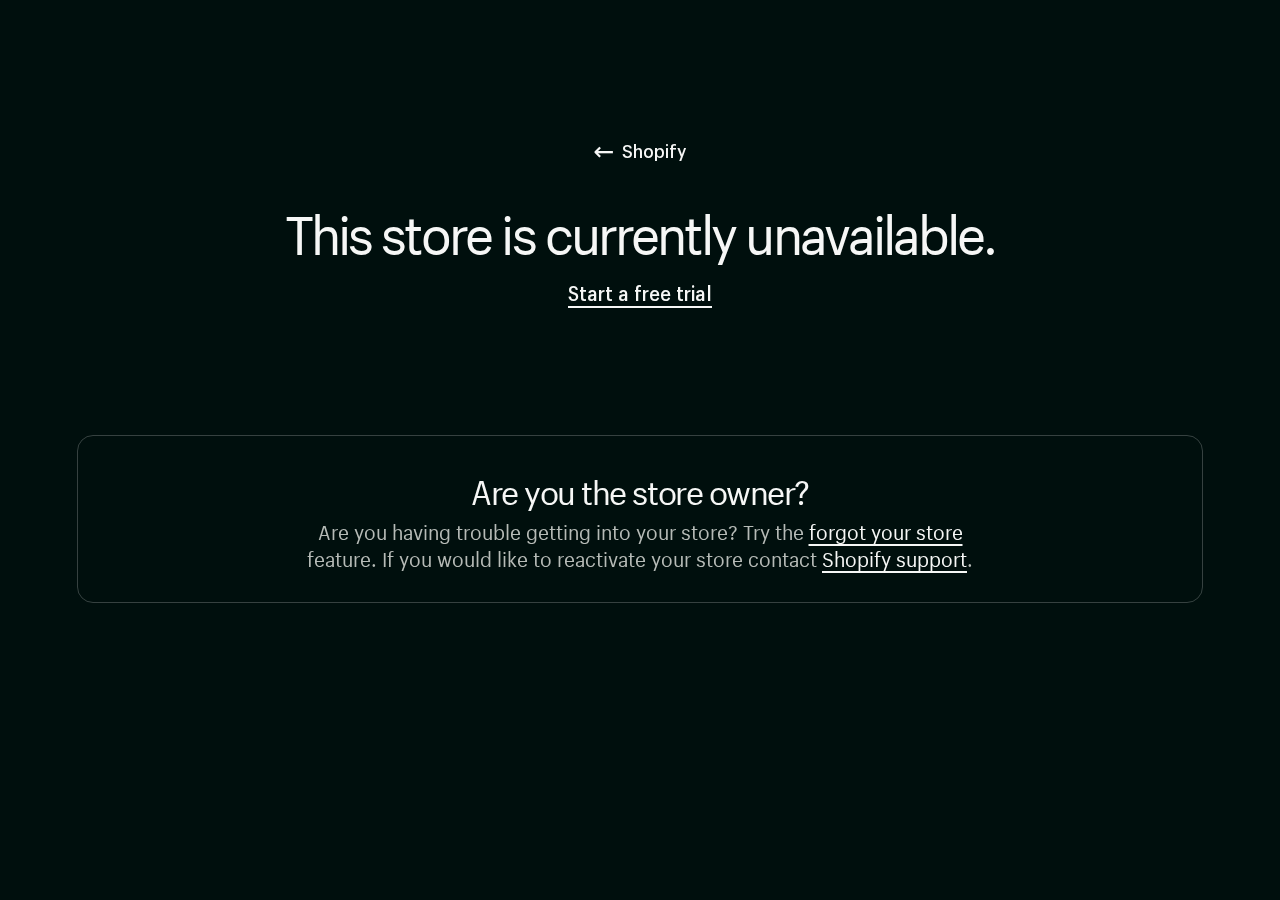
The storefront displayed this unavailable notice during our check. That does not prove fraud, but it makes the written return process especially important for anyone who already ordered.
What the Health Evidence Can and Cannot Tell You
Snoring is a symptom, not a final diagnosis
A child may snore because of temporary congestion, or because breathing is repeatedly interrupted during sleep. The causes and consequences differ.
A clinician may ask about frequency, pauses, gasping, daytime fatigue, behavior, and school performance. Some children need a sleep study or specialist referral.
The seller’s page cannot examine your child or distinguish these possibilities. It should not be used to rule out a sleep disorder.
If breathing appears severely impaired or the child has an urgent medical problem, seek immediate medical help rather than troubleshooting a pillow.
A pillow can be comfortable without curing a condition
There is nothing inherently suspicious about a contoured pillow. Some families may find one comfortable, and comfort is a valid shopping consideration.
The difficulty is moving from comfort to specific outcomes such as stopping snoring, preventing jaw changes, or avoiding orthodontic care.
That kind of claim needs evidence on the product itself, relevant age groups, meaningful measures, and any safety limitations. Customer stories cannot provide it.
If a seller has such research, it should be easy to identify the study, sample size, methods, funding, and results without relying on an anonymous testimonial.
Age matters, especially near infancy
The listing includes a one-to-three-year option. One-year-olds and older children have different sleep arrangements, so blanket advice would be irresponsible.
For infants, established safe-sleep guidance is especially strict about keeping pillows and soft objects out of the sleep space. Follow current pediatric guidance.
For a child beyond infancy, ask the pediatrician whether the product suits their age and symptoms. Do not infer safety from a size menu.
Check any choking hazards, detachable parts, material disclosures, and washing directions. A sleeping product deserves a higher bar than a decorative cushion.
Company, Address, and Fulfillment Checks
Identify the seller behind the CalmNest name
A brand name is not a legal company name. Before ordering, compare the operator in the legal notice, terms, receipt, payment statement, and shipping confirmation.
If those documents name different entities, ask how they relate. A payment processor or fulfillment partner can be legitimate, but the contractual seller should be clear.
Do not assume similarly named CalmNest websites are one business. Match the exact domain on the advertisement, order receipt, and policy page.
That distinction matters if a social advertisement sends you to a different store from the one you researched.
Find the return destination before you need it
A mailing address may be an office, returns depot, fulfillment warehouse, or correspondence service. None automatically identifies the manufacturer.
Ask support for the actual country and address used for returns before purchase. Shipping a bulky pillow internationally can erase the value of a refund.
Get the answer in writing and save it. Do not mail a return to an address guessed from a parcel label unless the seller confirms it.
If the site provides only a contact form, send a test question and judge whether the reply addresses the exact product and guarantee.
Test support while there is no dispute
Ask whether the ninety-night promise permits a used pillow return. Ask when the clock starts and whether a doctor’s note or photos are required.
A specific written answer is more useful than a generic assurance that customer satisfaction matters. Keep copies of the conversation and timestamps.
Do not assume an unanswered message proves fraud. It does show you may face the same delay if a refund deadline becomes urgent.
If support offers only store credit despite a page promising a refund, ask them to identify the policy term supporting that position.
Trace the product, not just the marketing story
The listing should explain materials, country of manufacture, supplier, washing instructions, and which size corresponds to the delivered item.
Where medical-sounding effects are claimed, ask whether the product was independently tested for those outcomes. “Pediatric-developed” alone is not a study.
A country of manufacture would not decide safety by itself. The useful questions concern quality controls, labeling, suitability, and how defects are handled.
Save the label and packaging if you order. They may identify a manufacturer or importer not obvious from the advertisement.
What to Do If You Ordered the CalmNest Pillow
- Save the offer you saw. Capture the product page, guarantee, selected size, checkout total, order confirmation, and formal policy with dates. These records establish what was promised when you paid.
- Check the order details immediately. Confirm the size, quantity, shipping address, merchant name, and any add-ons. Write to the seller promptly if something differs from your intended order.
- Do not substitute the pillow for medical care. Tell the pediatrician about persistent snoring, breathing pauses, daytime fatigue, or other concerning symptoms. Bring your observations rather than the advertisement’s diagnosis.
- Ask for return instructions in writing. Refer to the exact ninety-night language you saved. Request the return address, deadline, shipping responsibility, and confirmation that use does not defeat eligibility.
- Document the product’s condition and performance. Photograph the parcel, label, pillow, and any damage. Keep the tracking number if you send it back, and avoid mailing without written authorization.
- Escalate a billing dispute when appropriate. If the seller fails to deliver, sends the wrong item, or does not honor an applicable written remedy, contact your card issuer promptly with the evidence.
- Watch for follow-up offers. Check your statement for unexpected charges. Do not accept a new subscription, replacement purchase, or paid consultation as a condition for requesting an existing refund.
Frequently Asked Questions
Is the CalmNest pillow itself a proven scam?
No such conclusion follows from our review. The concern is the strength of its health claims, unclear supporting evidence, and the need to verify return terms.
Can a pillow cure a child’s snoring?
We found no evidence on the reviewed page proving that this exact pillow treats pediatric snoring or obstructive sleep apnea. Persistent symptoms need clinical assessment.
Did the American Academy of Pediatric Dentistry endorse CalmNest?
Its sleep-apnea policy discusses screening and referral. A reference to that policy on a sales page does not amount to an endorsement of the pillow.
Who is “Dr. Sarah C.” on the sales page?
The page presents that shortened name and a clinical quotation. We could not verify a full identity from the reviewed material, so the endorsement needs independent confirmation.
Does the ninety-night guarantee cover a used pillow?
The previously indexed page promoted a trial. Its practical conditions cannot be checked against the unavailable live storefront, so existing buyers should rely on saved order terms.
What if my child snores regularly?
Contact the child’s pediatrician. Describe frequency, breathing pauses, sleep quality, and daytime symptoms; do not wait for a pillow trial to finish.
The Bottom Line
CalmNest may be a physical pillow, but the reviewed marketing asked parents to trust far more than a comfort claim. It promised meaningful changes in breathing and facial development.
Those claims require stronger, product-specific evidence than testimonials and a partly identified clinician. Protect the child’s health first, then judge the pillow as a purchase.








