

The necklace looks inexpensive enough to try. Then a small question appears: if the finish disappoints, how easily can you send it back?
For shoppers buying several pieces at once, that question matters more than a colorful product photograph. We read NihaoJewelry’s own rules closely.
Overview
A real wholesale storefront, not a vanished checkout
NihaoJewelry sells jewelry, accessories, clothing, and related merchandise through a broad online catalog. The question here is not whether an order page exists.
The concern is what a buyer expects from the prominently advertised return promise, compared with the narrower instructions in the detailed policy.
The 30-day phrase needs an asterisk
The storefront promotes a 30-day return or refund guarantee. Its UK return page discusses a 30-day dispute window, then says buyers have 7 days to request an ordinary return.
Those are not interchangeable deadlines. A defect dispute, a change-of-mind return, and a request to refund the original card can follow different paths.
The practical verdict
We found a genuine retailer with potentially costly, confusing after-sales terms. Calling every NihaoJewelry order a scam would go beyond the evidence.
- Most important deadline: request a preference return within 7 days, according to the policy reviewed.
- Default refund destination: the seller describes credit to a NIHAO account, not necessarily your original payment method.
- Potential extra cost: change-of-mind return shipping and customs are assigned to the buyer.
- Best first move: save the item listing and policy version before paying.
Policies may vary by regional storefront and can change. Read the checkout version that governs your particular order rather than relying on a search snippet.
What the 30-Day Guarantee Actually Covers
Thirty days sounds generous when it appears beside a shopping cart. It suggests you can inspect the item, decide whether you like it, and return it.
NihaoJewelry’s detailed policy separates disputes from ordinary returns. A dispute can concern damaged, incorrect, or missing merchandise. A preference return concerns an item you simply no longer want.
That distinction is familiar in retail, but it needs to be clear before the purchase. A customer may remember the larger number while missing the shorter one.
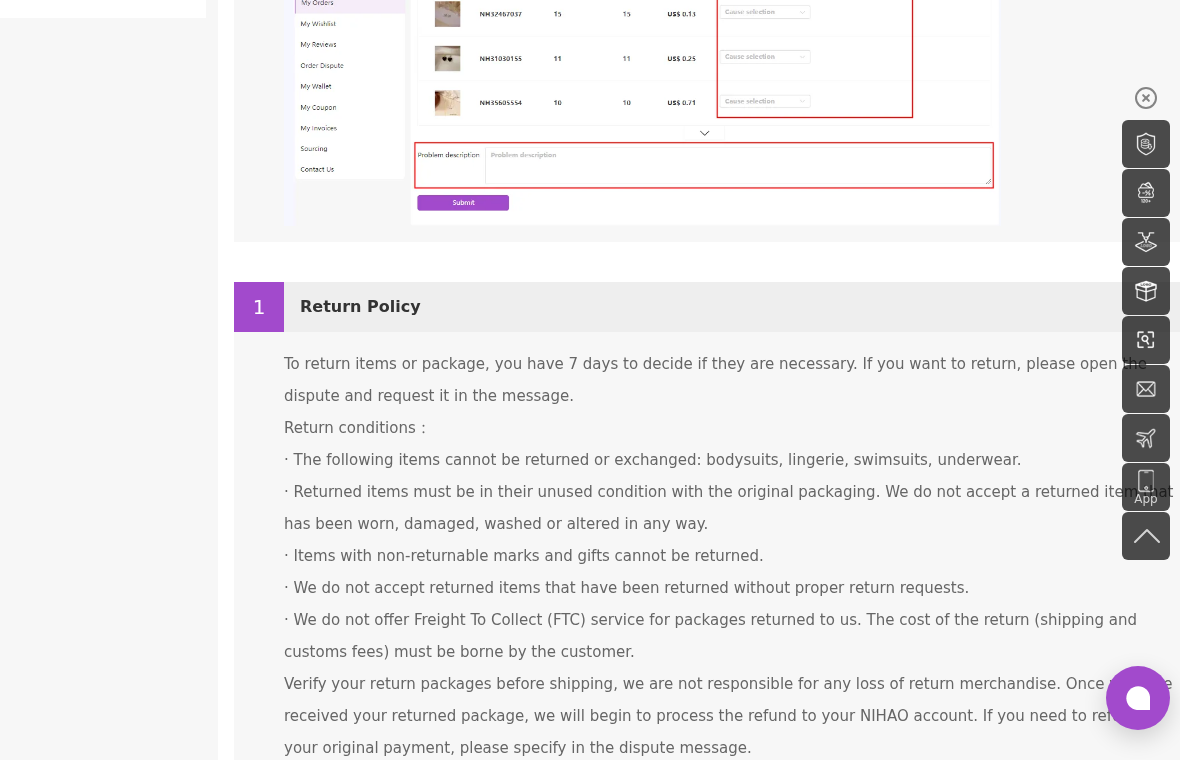
The policy says customers have 30 days to raise a dispute after delivery. It instructs them to select a problem type, upload photographs, and describe the issue.
For an ordinary return, however, it says customers have 7 days to decide whether the items are needed and to open a dispute requesting the return.
Do not treat the 30-day dispute window as permission to wait 25 days before reporting a change of mind. The seller’s own language does not support that reading.
There is another complication. The detailed page says an approved refund goes into the customer’s NIHAO account. To obtain the original payment method, buyers must specifically request it.
Account credit can be useful to a business that plans another wholesale order. It is a poor substitute for cash if you never want to shop there again.
The difference also matters when comparing prices. A cheap item with expensive return postage and store credit can become more costly than a locally available alternative.
How a NihaoJewelry Order Can Become a Return Problem
Step 1: A shopper sees wholesale prices and a broad guarantee
A visitor arrives through search, social media, or a product recommendation. The catalog offers many low-priced pieces, often encouraging a larger basket.
At this point, a 30-day promise can quiet concerns about sizing, finish, color, and quality. A buyer may assume the process resembles a familiar domestic store.
But a headline does not explain whether it concerns defects, change-of-mind returns, exchanges, account credit, or cash refunds. The details determine the real bargain.
A wholesale shopper faces a particular temptation. Buying ten pieces makes the shipping feel worthwhile, yet it multiplies the number of pieces that might disappoint.
Step 2: The buyer receives the goods and discovers a mismatch
Jewelry is hard to judge from a thumbnail. Scale, weight, clasp quality, plating color, and how a chain sits on the neck become apparent only in person.
Some disagreements are objective, such as a missing item or visibly broken clasp. Others are matters of preference, such as a lighter finish than expected.
The second category is where a buyer should check the 7-day language immediately. Waiting for a leisurely 30-day decision may sacrifice a straightforward request.
Keep the packaging until you decide. The policy says returned goods must be unused and retain their original packaging, with several product categories excluded altogether.
Step 3: A dispute ticket becomes the gatekeeper
The published instructions route the customer through a dispute process. The buyer must choose a reason, describe the problem, and provide supporting photographs.
That is sensible for a damaged shipment, but it also creates a procedural hurdle. A buyer who simply mails the item back without authorization may be refused.
Take clear pictures of the entire item, close-ups of the defect, packaging label, and order contents. Include a ruler when the dispute concerns dimensions.
Write one concise explanation tied to the listing. The stronger statement is “ordered silver, received gold,” not a vague allegation that the merchant is fraudulent.
Step 4: Return postage can erase the bargain
The reviewed policy assigns shipping and customs fees for preference returns to the customer. It also says original shipping and a shipping guarantee are nonrefundable.
On a small order, a cross-border parcel may cost more than the jewelry itself. The customer could technically win the right to return and still lose money.
This is why a return promise must be evaluated as a complete process. Ask where the item must go and who pays before buying a test batch.
Do not assume every dispute carries the same charge. If the seller sent the wrong product, apply the seller-error rule and document the mistake separately.
Step 5: The refund arrives somewhere unexpected
NihaoJewelry says approved refunds normally go to the customer’s account. That may look like resolution in the dashboard while the original card remains unchanged.
The policy says buyers wanting their original payment method must ask in the dispute message or contact their personal advisor. Make that request explicit early.
Check the actual balance of the original payment account. A credit inside a merchant account is not the same event as a completed card refund.
If support offers account credit after promising a card reversal, ask for the written basis and a transaction reference. Keep the conversation inside a traceable channel.
Step 6: A deadline disagreement turns into a payment dispute
If the seller declines a timely, policy-compliant request, the buyer may need the payment provider. A card dispute needs accurate dates and evidence.
Show the guarantee a reasonable shopper saw, the detailed policy, delivery date, dispute submission, support response, and any refusal of the original payment method.
A bank will not automatically treat dissatisfaction as fraud. Frame the issue precisely as goods not as described, a breached return promise, or an unprocessed refund.
Do not wait indefinitely for friendly promises. Card-network and payment-platform deadlines are separate from the store’s deadlines and can expire while you negotiate.
Company, Address, and Fulfillment Checks
Identify the actual contracting seller
A familiar brand name is not enough for a wholesale purchase. Note the legal name on the checkout, invoice, terms, and payment statement.
NihaoJewelry’s own company article describes a long-running operation and warehouses in China. Those are seller statements, not an independent audit of each warehouse.
Use the transaction documents to establish whom you paid. If a different entity appears on the bank statement, ask the merchant to explain the relationship.
Separate the listed address from the return destination
A support office, registered business address, warehouse, and return depot can all be different places. A return parcel should go only to the approved address.
Before posting jewelry overseas, obtain written authorization, the full destination, any required reference number, and a statement on customs paperwork.
An address on a marketing page does not prove the product was manufactured there. It also does not tell you who bears a parcel lost in transit.
Test whether support answers the question you asked
Ask support a narrow question before ordering: “If I dislike an unused necklace, what is the last day to request a return?” Save the reply.
Then ask whether money returns to the original card or a NIHAO account, and who pays postage to the specific return location.
A helpful response should cite the applicable policy, not just repeat “hassle-free.” If answers conflict, choose a smaller trial order or another seller.
Understand what wholesale fulfillment changes
Wholesale pricing often involves wider catalogs, variable materials, and international logistics. That does not make a business dishonest, but it changes the buyer’s exposure.
Material descriptions should distinguish solid metal, plating, and fashion alloy. Ask for thickness or composition if durability matters to you or your customers.
For resale, inspect a sample before committing to inventory. A favorable unit cost does not recover customer complaints, return postage, or unusable stock.
How to Decide Whether the Price Is Worth the Risk
Look beyond the product price. Add shipping, duties if applicable, the cost of sending a return, and the possibility of receiving merchant credit instead of cash.
Read the description for precise dimensions and materials. When a listing uses “gold color” instead of stating gold content, do not infer a precious-metal guarantee.
Search the exact item photograph cautiously. The same picture may appear at several wholesalers without proving which seller made the piece or how it will arrive.
Choose one or two inexpensive pieces first. Photograph their packaging, examine clasps and finishes, and time how quickly the seller answers a simple support request.
Do not order a large assortment as a “trial” when the return destination and refund form are unclear. The scale of the order magnifies every unanswered question.
A credit card can provide an additional dispute route, though the details vary by issuer and location. It is not a substitute for documenting the seller’s terms.
For a reseller, calculate the cost per usable piece rather than per purchased piece. One defective clasp in a small batch can change the economics.
When a merchant’s guarantee sounds broader than its policy, copy both before checkout. That comparison is more useful later than a screenshot of five-star reviews.
For gifts or deadline-sensitive events, international shipping and return windows leave little room to correct a mismatch. Buy from a supplier with a predictable remedy.
What to Do if a NihaoJewelry Order Disappoints You
- Record the delivery date today. Save tracking and take a screenshot of the order page. The 7-day preference-return clock can move quickly.
- Classify the problem honestly. Distinguish damaged, missing, or incorrect goods from an item you simply do not like. Different policy language may apply.
- Preserve the condition. Do not wear, wash, alter, or discard packaging for anything you may return. Photograph the item before it leaves your possession.
- Open the required dispute promptly. State the item number, problem, desired remedy, and date received. Upload clear evidence and keep the ticket number.
- Request the payment method you want. If you need money returned to the original card, say so expressly. Do not assume account credit means that has happened.
- Get a complete return address in writing. Ask who pays shipping and customs, whether tracking is required, and what happens if the parcel is delayed.
- Escalate with the right evidence. If the seller does not honor an applicable promise, contact the payment provider before its deadline. Provide the listing, policy, timeline, and replies.
If an item caused a skin reaction, stop wearing it and seek medical advice when needed. Keep the packaging and ingredient or material information for the clinician.
Do not publish the seller’s staff details or send threatening messages. A calm, documented claim generally gives you a stronger path to resolution.
Frequently Asked Questions
Is NihaoJewelry a scam?
We found an operating wholesale retailer. The documented concern is its return and refund terms, which can be narrower than a broad 30-day promotion suggests.
Can I return an item after 30 days?
Do not assume so. The reviewed policy separates a 30-day dispute period from a 7-day window for ordinary return requests. Verify your regional terms.
Will NihaoJewelry refund my original card?
The policy describes a NIHAO account refund by default and says to request the original payment method explicitly. Save confirmation of that choice.
Who pays for a change-of-mind return?
The reviewed instructions put return shipping and customs on the buyer for ordinary returns. A seller-caused error may be handled differently, so document the reason.
Should I send a parcel back without approval?
No. The policy says unrequested returns may be refused. Obtain a dispute or authorization reference and the current return destination first.
What if the item differs from the photographs?
Compare measurable details from the listing with what arrived. Submit dated photographs and a precise description through the dispute process before the applicable deadline.
The Bottom Line
NihaoJewelry offers a real shopping catalog, but the headline guarantee should not be read as a simple 30-day cash-refund promise for every purchase.
The decisive facts are the 7-day ordinary-return request, buyer-paid return costs, and account-credit default. Check those before ordering, then act promptly if the goods disappoint.








