

A jacket can look perfect on your phone and feel entirely different when it arrives. With Rockstar Original, the return decision deserves attention before checkout.
We examined the store’s own policies, including two answers that pull international customers in opposite directions. Here is what a buyer needs to know.
Overview
What Rockstar Original sells
Rockstar Original is an established fashion retailer selling denim, tracksuits, dresses, and other streetwear. It is not an anonymous checkout built around one disappearing product.
Its site features frequent promotions and marked-down styles. That makes the return rules especially important, because sale items face different treatment from eligible full-price purchases.
Where the buyer’s expectation can break
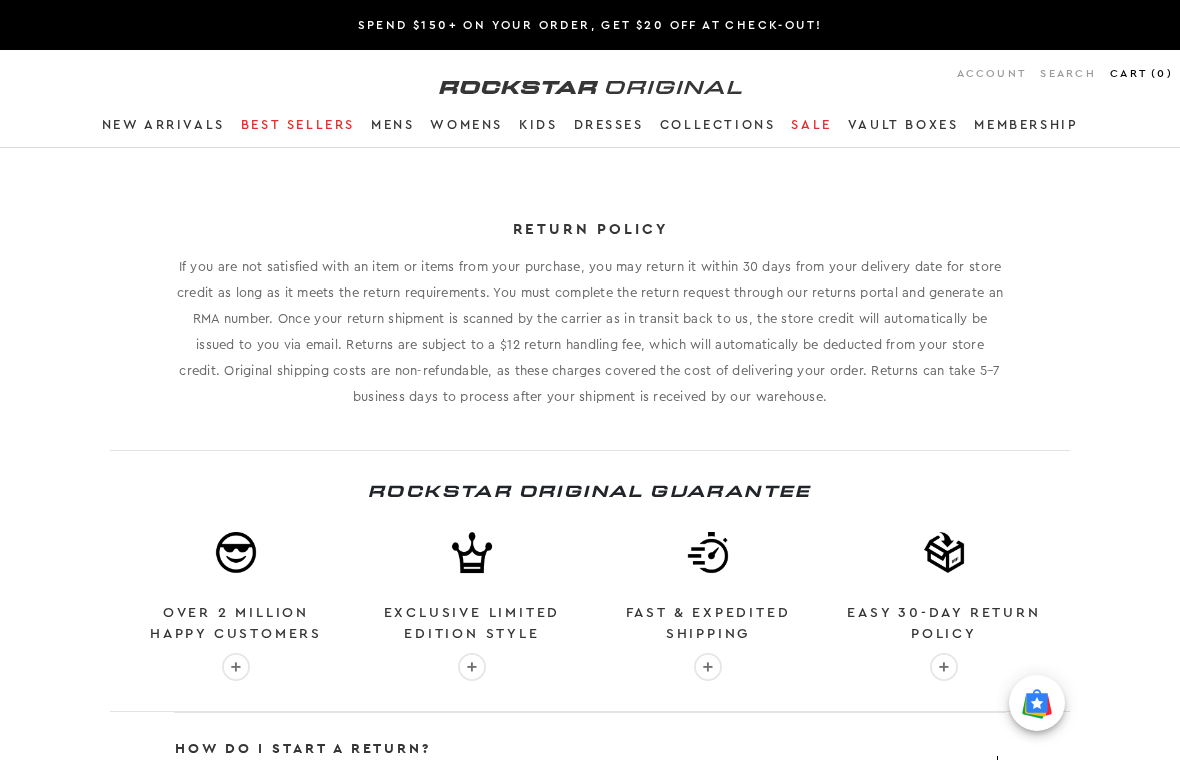
The return policy offers a 30-day window, but eligible unwanted items come back as store credit. A $12 handling fee is deducted.
Original shipping is not refunded. Items must be unworn, unwashed, tagged, and authorized through a return process. Sale and final-sale products are excluded.
Our assessment
These are concrete commercial risks, not proof the retailer is a scam. The sharpest problem is that its international-return guidance is internally inconsistent.
- Refund form: ordinary eligible returns produce store credit, not cash.
- Deduction: a $12 return handling fee applies.
- Sale items: marked-down and final-sale styles are not returnable under the published policy.
- Overseas orders: ask for written confirmation before buying because the FAQ conflicts with the detailed policy.
If you already placed an order, move quickly. The store’s process has conditions beyond the simple phrase “30-day returns.”
Why a 30-Day Return Is Not a 30-Day Refund
Imagine buying a $70 pair of jeans after seeing a prominent 30-day return promise. They arrive with a fit you dislike, so you expect $70 back.
Rockstar Original’s policy points in another direction. An approved ordinary return produces store credit, with $12 removed before the credit is issued.
That is not a minor technicality. A shopper trying to recover cash instead receives spending power limited to the same store.
Shipping charges are nonrefundable as well. If you paid for delivery and then pay to send the item back, the real loss can exceed the handling fee.
The store says the return request must be made through its portal and an RMA number generated. Packages lacking that number may be rejected.
Eligible items must keep their tags and show no wear. A quick try-on at home is different from using clothing for an event and then requesting a return.
Sets must be returned together. That rule matters if a two-piece outfit has a well-fitting top but trousers you cannot wear.
The policy also lists beauty products, swimwear, lingerie, undergarments, and several other categories as nonreturnable. Marked-down styles face the same exclusion.
There is a 30% to 50% restocking-fee warning for returned items that fail requirements. That is a severe possible reduction, not the normal $12 fee.
Do not confuse the two. The $12 fee concerns standard eligible returns; the larger restocking range is linked to items that breach return conditions.
Neither fee proves fraud. Both should influence whether a discounted garment is a sensible gamble when size or fabric is uncertain.
How a Rockstar Original Purchase Can Become a Costly Return
Step 1: A promotional price makes the order feel low-risk
A shopper sees a bold sale banner, a limited-time offer, or a matching outfit in a social feed. The product photographs settle the aesthetic question quickly.
The unresolved question is whether the product is final sale. A discount may make the purchase look safer while removing the ordinary return option.
Before paying, open the exact item page. Save any sale badge, final-sale label, size chart, and cart summary. These details can change after a promotion ends.
If the item is excluded, treat the price as final even if the homepage speaks warmly about easy returns. The product-specific condition matters.
Step 2: Fit and fabric are judged after delivery
Rockstar’s clothing includes distinctive cuts and heavy styling. A standard size may feel different from a shopper’s usual brand, especially in denim or fitted sets.
A mismatch does not mean the item was misrepresented. It does mean the buyer must decide immediately whether to keep it in returnable condition.
Leave tags attached while checking the fit. Avoid perfume, makeup, deodorant marks, or laundering, all of which can turn a possible return into a refusal.
Photograph any actual defect before wearing the item. A torn seam or wrong size sent is a different issue from disliking the style.
Step 3: The portal turns a return into an authorized claim
The detailed policy requires a request through the return portal, with an RMA number. Simply mailing clothes to a warehouse is not the described process.
Record the order number, request date, RMA, label, and tracking. A screenshot of the portal confirmation is useful if the parcel later appears missing.
For damaged merchandise, the policy asks for photographs and points to a separate claim path. It references a prompt 1-to-2-day reporting window without optional protection.
That short defect timeline is easy to miss. Open and inspect a delivery promptly, especially when it is intended for a trip or event.
Step 4: International buyers encounter contradictory instructions
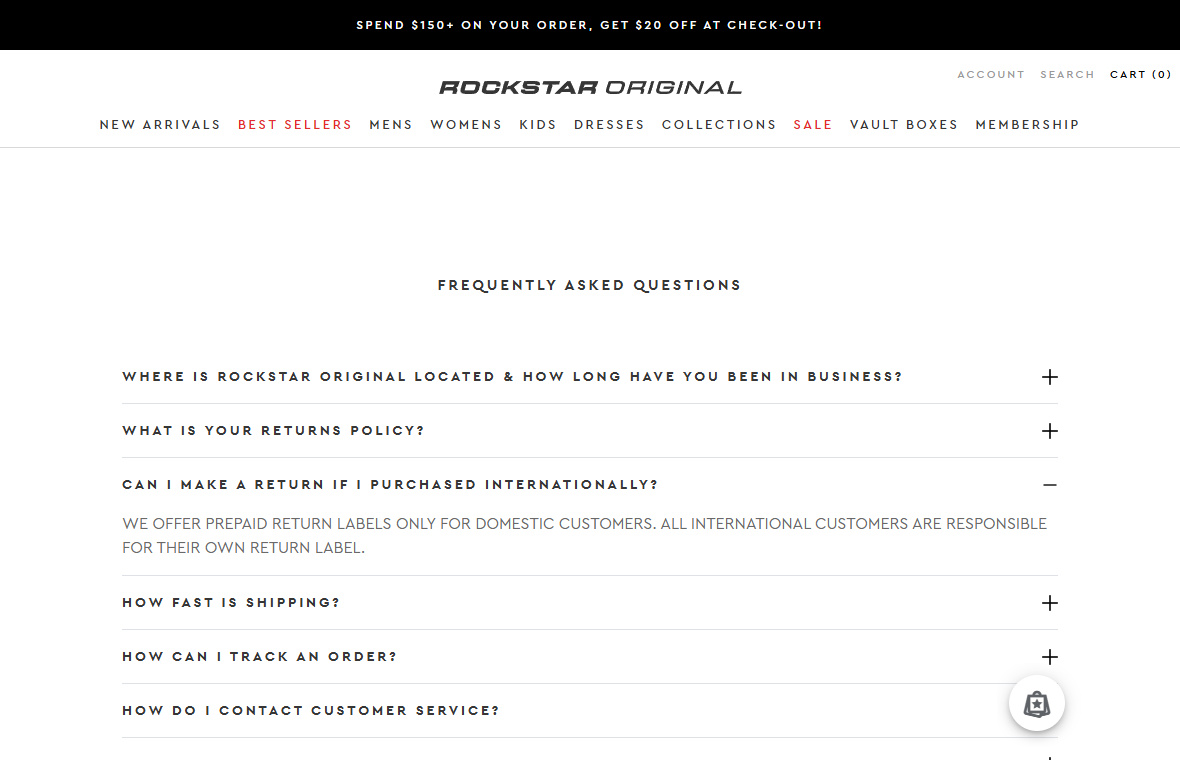
The FAQ first says international customers can return goods using their own label. Another answer on the same page says international returns are not accepted.
The detailed policy describes an email process for international returns, with the customer obtaining a carrier label and receiving a return address from support.
Those statements cannot all serve as a clear instruction. An overseas buyer should not guess which answer a warehouse or agent will apply.
Ask support to confirm eligibility for your exact item and country in writing. Obtain the destination, expected credit, fees, and any customs requirements.
Step 5: The approved return produces less value than expected
When the carrier scans an eligible return, the policy says store credit can be issued. The store may later inspect and reverse credit if an item fails conditions.
The ordinary $12 handling fee is deducted from that credit. Original postage is not returned, and an international buyer pays the chosen carrier.
Do the arithmetic before purchasing. A low-priced garment with cross-border postage may be economically impossible to return, even if policy permits it.
There is no direct exchange process. A buyer needing another size must complete the return, receive credit, then place a new order.
Step 6: A disagreement needs evidence, not a general accusation
If the merchant denies an eligible return, the question becomes whether the item satisfied its posted requirements when the request was made.
Keep delivery timestamps, photographs of tags, the portal confirmation, the carrier receipt, and any support promise that differs from the site.
For an international order, a written answer to the contradictory FAQ is particularly valuable. It shows what the company told you before you shipped.
A payment dispute should explain the precise breach: wrong goods, an unprocessed eligible return, or a promised refund not provided. Disliking the style alone differs.
Company, Address, and Fulfillment Checks
Confirm the seller and payment descriptor
Rockstar Original presents itself as a Los Angeles fashion brand. Its FAQ states the business is located in Los Angeles.
That statement does not tell you where every garment was made or where a returned package must go. Confirm the legal seller on your receipt.
If the bank descriptor differs from the storefront name, preserve the receipt and ask support to identify the charge before raising an alarm.
Do not mail to an address copied from a search result
The detailed policy says international customers receive the correct return address from customer service. The domestic process generates an RMA through the portal.
An old address found in a forum or directory may route a package to the wrong warehouse. A delivery scan there might not satisfy the return procedure.
Write the RMA on the package exactly as instructed and keep a copy of the label. This is mundane, but it often determines whether credit can be traced.
Test support with a concrete question
Ask whether your named item is final sale, whether your country is eligible for a return, and what amount of credit you would receive.
Refer support to the FAQ conflict politely. Request an answer that applies to your order rather than a generic link back to the same contradictory page.
If no clear reply arrives before checkout, the uncertainty is part of the price. A local retailer with clearer terms may be the better purchase.
Separate optional add-ons from the clothing order
The website also advertises High Roller membership at $19.99 monthly and optional package protection. Those are distinct from an ordinary clothing purchase.
We have not verified that customers are automatically enrolled. Check your cart and confirmation for an add-on rather than assuming any later charge proves deception.
If you selected a subscription, save its terms and cancellation method. If you did not, contact the merchant and payment issuer about an unexpected charge.
What Buyers Should Check Before Ordering
Start with the exact item, not the brand’s overall reputation. A full-price jacket and a deeply discounted shirt can have different return outcomes.
Read the material description and measurements. A vague size label cannot answer whether a garment will fit your body or your intended styling.
Compare the total payable amount after shipping and any optional protection. A checkout upsell is easy to miss when the clothing discount feels substantial.
For an international order, get the return answer in writing before paying. The current FAQ’s own contradiction makes verbal assurance especially weak.
Keep a copy of the return page as it appeared on purchase day. If language changes later, you need the version relevant to your transaction.
Use a payment method with documented consumer protections. That helps if goods do not arrive or a policy-compliant remedy is refused, but it cannot erase clear exclusions.
Consider what store credit would mean in practice. If you would never buy another Rockstar item, even a successful return may fail your actual goal.
Look closely at bundles and matching sets. The policy requires an entire set back, so keeping one useful piece may eliminate the return option for the other.
For gifts, ask the recipient about size before ordering. Store credit issued to the original purchaser may be awkward when someone else receives the clothing.
Compare the size chart with a garment you already own. Measurements from a familiar jacket offer a better reference than an abstract small or medium label.
Finally, make the fit decision promptly. A 30-day period passes quickly when the item sits unopened through a busy week or holiday.
What to Do if Your Rockstar Original Order Goes Wrong
- Check the product’s sale status. Save the exact listing, order confirmation, and return policy. Confirm whether the item was marked final sale when purchased.
- Inspect without using the garment. Photograph labels, tags, seams, and packaging. Keep sets together and avoid removing anything the policy requires.
- Open the proper request promptly. Use the return portal for eligible items. If defective, follow the separate damage procedure and note its short reporting window.
- Get international instructions in writing. Ask support to reconcile its conflicting FAQ answers and give the correct destination before shipping.
- Calculate the remedy. Distinguish store credit from cash, subtract the $12 handling fee, and account for nonrefundable original postage.
- Track the parcel and credit. Save the RMA, carrier acceptance scan, delivery proof, and credit email. Follow up if the stated processing period passes.
- Escalate a genuine breach. If an eligible claim is denied contrary to written terms, present a precise timeline to your payment provider before its dispute deadline.
Do not claim that an ordinary size mismatch is a stolen-card transaction. The strongest complaint matches the problem you can actually prove.
Likewise, do not send a parcel without authorization because an agent has not replied. Keep following up while preserving any approaching return deadline.
Frequently Asked Questions
Is Rockstar Original a scam?
We found a functioning clothing retailer. The documented concerns are restrictive return economics and contradictory guidance for international customers, not proof of a fake store.
Will I get my money back for a normal return?
The published policy describes store credit for eligible unwanted items. It deducts a $12 return handling fee and does not refund original shipping.
Can I return a sale item?
The detailed policy excludes items on sale and final-sale styles. Check the exact listing from the time of purchase, especially during large promotions.
Are international returns accepted?
The store’s pages conflict. Its detailed policy describes an email-led process, while the FAQ also contains a sentence saying international returns are unavailable.
Can I exchange for a different size?
The store says it does not process direct exchanges. Eligible buyers return the first item for store credit, then place another order.
What if my order arrives damaged?
Photograph the damage immediately and follow the merchant’s defect instructions. The policy references a particularly short reporting period for certain unprotected orders.
The Bottom Line
Rockstar Original sells real clothing, but “30-day returns” does not mean an easy cash refund. The usual outcome is store credit minus $12.
Sale exclusions and conflicting international instructions make advance checking essential. If the seller cannot confirm your exact remedy, buy only what you can afford to keep.








