

A webcam looks like a straightforward purchase until technical labels, enormous discounts, and perfect lifestyle demonstrations begin doing most of the selling.
Qinux CamZoom promises an inexpensive route to clearer calls, yet the storefront leaves several practical questions unanswered until buyers examine the surrounding operation.
Overview
What Qinux CamZoom promises
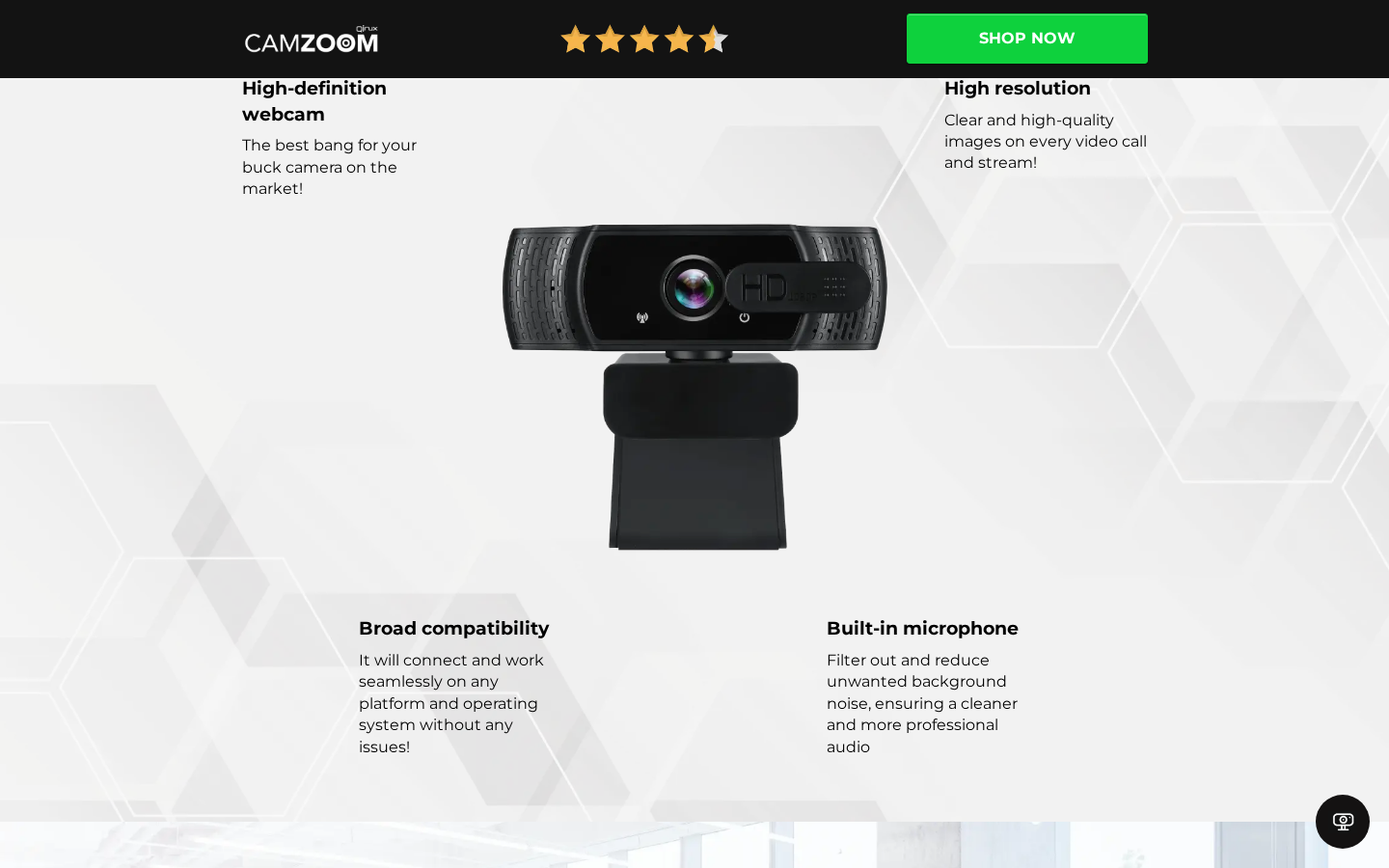
Qinux CamZoom is marketed as a plug-and-play, high-definition webcam with an integrated microphone and broad compatibility across computers and operating systems.
The page emphasizes 1080p video, cleaner sound, simple installation, and a dramatic discount from a much higher reference price.
Those specifications sound familiar because many generic USB webcams advertise nearly identical features, often using similar housings, mounts, and control layouts.
What can be verified from the sales operation
The offer appears to involve a physical product rather than a nonexistent download. The central issue is whether its value matches the presentation.
Its contractual page separates the retail operator from manufacturing and describes outside suppliers whose inventory can affect availability.
It also displayed Cablelinker branding while the storefront used Qinux CamZoom, making the contracting party less obvious than the marketing brand.
The most important concerns
This investigation classifies CamZoom as a commercial-risk gadget, not a proven universal fraud. The offer still deserves unusually careful checking.
- “1080p” does not describe sensor quality, low-light performance, autofocus, or compression.
- The crossed-out price may create a stronger value impression than specifications justify.
- Quantity bundles and checkout extras can increase the intended purchase.
- The seller discloses a dropshipping model and dependence on external suppliers.
- Legal branding differs from the product identity displayed to shoppers.
- Returning inexpensive hardware internationally may be slow or uneconomical.
How the CamZoom Purchase Funnel Works
Step 1: Advertising turns ordinary video-call problems into urgency
The campaign begins with blurry meetings, awkward camera angles, poor laptop microphones, or frustration about appearing unprofessional on screen.
A compact external camera is then presented as the rapid correction, usually without a detailed comparison against current mainstream webcams.
The problem is believable. Many built-in cameras are weak, particularly on older laptops or in dim rooms.
That believable problem can make the proposed solution feel validated before the buyer knows anything about the sensor or manufacturer.
Step 2: Familiar specifications create an impression of premium hardware
Terms such as high definition, built-in microphone, wide compatibility, and plug-and-play sound technical while remaining broad.
Two webcams can both output 1920 by 1080 pixels yet produce very different images because resolution is only one component.
Lens quality, sensor size, exposure control, frame rate, color processing, focus, compression, and microphone electronics all affect the result.
A sales page that highlights resolution but omits those details asks buyers to infer quality from a number that cannot establish it.
Step 3: A 50% discount anchors the perceived value
The reviewed page displayed a high reference price near a significantly lower promotional price, creating the feeling of a limited opportunity.
Before trusting that comparison, search established retailers for webcams with documented specifications, ordinary customer reviews, and straightforward local returns.
A generic camera sold under several labels may cost less elsewhere even when another storefront does not advertise an impressive percentage reduction.
The relevant question is what comparable performance costs today, not what one promotional page says the device previously cost.
Step 4: The order flow encourages larger or protected purchases
Direct-response stores frequently show several quantities, upgraded warranty coverage, shipping protection, or related accessories during checkout.
Each addition may look small beside the headline discount, yet the combined total can move far beyond the original advertised entry price.
Review the itemized order before submission. Make sure there is one camera, the intended accessories, and no protection option you did not choose.
Save a screenshot of that final page because it records both the represented price and the selections present at authorization.
Step 5: Fulfillment passes through third-party suppliers
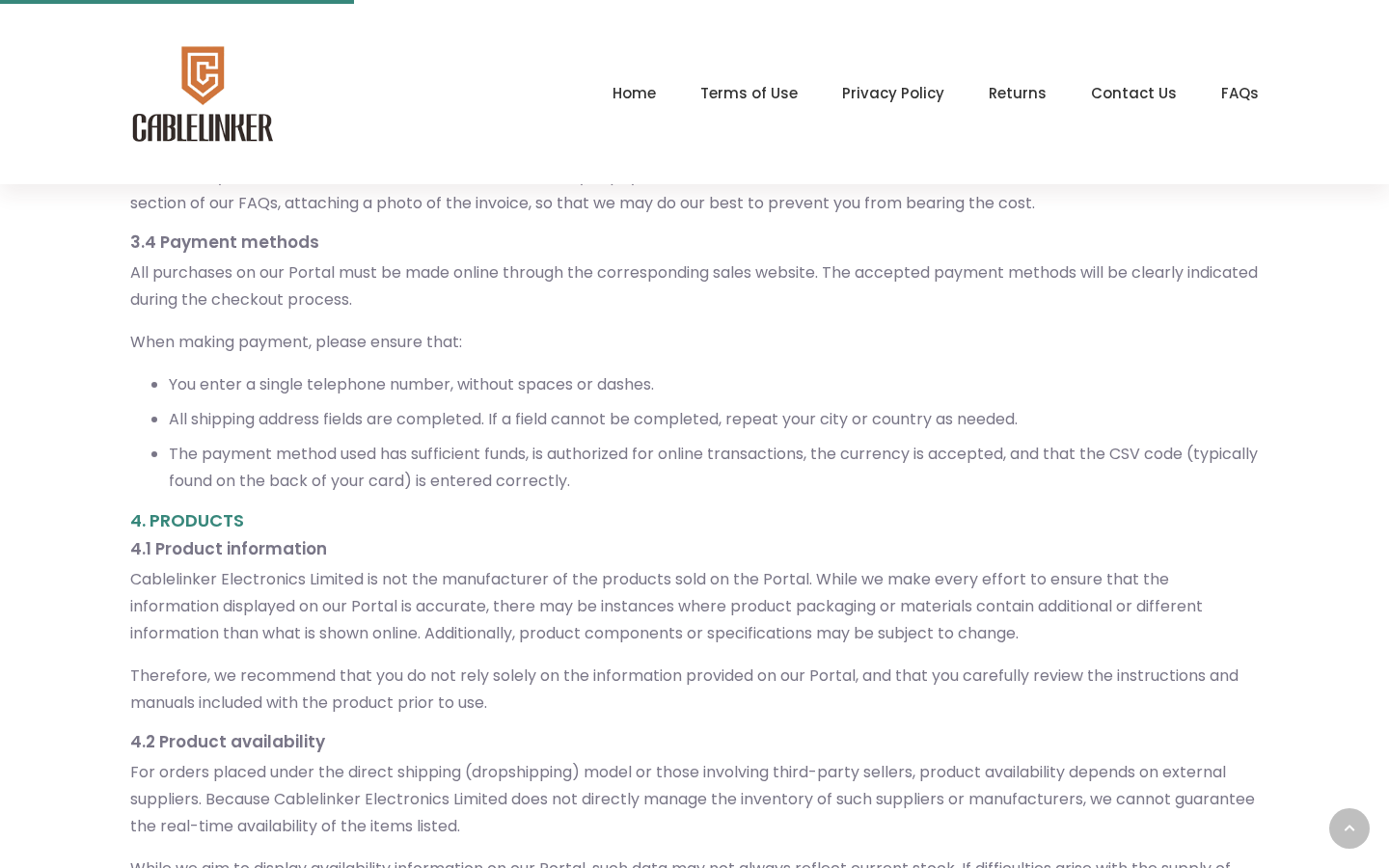
The terms reviewed for CamZoom explicitly describe direct shipping and state that the named seller is not the manufacturer.
That can mean the storefront markets and processes the sale while another business holds or dispatches the physical inventory.
Outside fulfillment may produce varying packaging, manuals, model markings, delivery times, and responses when a parcel contains the wrong item.
Dropshipping is a distribution method, not proof of deception. The risk rises when marketing certainty exceeds the seller’s control over the product.
Step 6: Dissatisfaction moves into a harder return channel
A webcam can technically turn on while still disappointing through grainy video, weak sound, unstable mounting, or unreliable focus.
Those quality disputes are more subjective than a parcel that never arrived, making documentation especially useful.
Returns may require advance authorization and customer-paid tracking to the location supplied by support, rather than any address copied from the footer.
When postage approaches the item’s value, the advertised refund right can feel much less practical than it appeared before purchase.
Why 1080p Does Not Guarantee a Good Webcam
Resolution is only the dimensions of the frame
A 1080p label generally refers to an output frame measuring 1920 pixels by 1080 pixels. It says nothing about captured detail quality.
Cheap sensors can generate a large frame containing noise, smeared textures, clipped highlights, and artificial sharpening.
Some cameras also interpolate lower-quality information into a larger output, creating the expected file dimensions without a genuinely detailed picture.
An unedited sample recorded in normal indoor lighting reveals more than a specification badge printed beside a studio rendering.
Frame rate and exposure change motion quality
A camera may reach its advertised resolution only at a low frame rate or under bright lighting that ordinary rooms cannot provide.
When light decreases, inexpensive webcams often lengthen exposure, causing hand movements and facial expressions to blur.
Ask whether the product supports 30 frames per second at full resolution and whether that performance remains stable in common conferencing software.
If the page provides no manual, driver information, or real sample files, buyers cannot meaningfully evaluate those claims before paying.
An integrated microphone can still sound poor
A built-in microphone merely confirms that audio hardware exists. It does not establish voice clarity, noise rejection, distance, or echo control.
Placement near a monitor can capture fan noise, keyboard clicks, room reflections, and sounds from speakers.
Many headsets and laptop microphones will outperform a low-cost webcam microphone when the speaker sits far from the display.
People buying primarily for audio should seek independent voice recordings rather than relying on phrases like professional sound or background-noise filtering.
Generic Hardware and the Question of Value
The casing may appear under several names
Mass-produced electronics are often offered to marketers who add a brand, landing page, packaging, and advertising campaign.
The same underlying design can therefore appear in multiple stores at different prices, supported by businesses with very different return policies.
Reverse image searches, model-number searches, and comparison shopping can reveal visually identical cameras without proving their internal components are perfectly identical.
That research still helps establish whether the “exclusive” presentation reflects unusual technology or ordinary private-label distribution.
Low price and high markup can coexist
A device can be inexpensive compared with premium cameras while still carrying a substantial markup above its wholesale or marketplace equivalents.
The customer is paying not only for hardware, but also advertisements, affiliate commissions, payment processing, fulfillment, support, and refunds.
Those costs do not automatically make an offer dishonest. They do explain why an apparently huge discount may still leave ample marketing margin.
Value should be judged through output quality, dependable support, warranty fulfillment, and return convenience, not savings graphics alone.
Privacy, Compatibility, and Setup Checks
USB compatibility should be specific
“Works with any operating system” is broader than most manufacturers can responsibly promise because ports, permissions, software, and system policies vary.
Confirm connector type, supported Windows and macOS versions, Linux behavior if relevant, and compatibility with your conferencing application.
Older computers may lack sufficient bandwidth, while newer laptops may require an adapter for a traditional USB plug.
A true class-compliant webcam should not require unfamiliar driver downloads from unverified websites.
A webcam deserves basic privacy discipline
Any camera connected to a computer should be disconnected or physically covered when not needed, especially if it lacks a reliable privacy shutter.
Review operating-system camera permissions and allow access only to applications you recognize and actively use.
Do not install remote-access tools or unknown optimization programs because a support message claims they are needed to activate an ordinary USB webcam.
If a seller requests remote control of your computer, end the interaction and seek help from a trusted local technician.
Company, Address, and Fulfillment Checks
The product name is not the contracting company
Qinux CamZoom is the consumer-facing label. The terms reviewed during this investigation displayed Cablelinker and named Cablelinker Electronics Limited as seller.
Support information in the broader Qinux storefront network has also referenced ECOMMMOVADGENCY, Ecomerzpro, and Ecomgroup details in Spain.
These layers may reflect shared infrastructure, but shoppers need one clear answer about who accepted their order and owes the refund.
Compare the checkout entity, receipt, billing descriptor, support signature, and legal page before the return deadline begins running.
The seller says it is not the manufacturer
The contractual disclosure places production elsewhere and says external suppliers participate through a direct-shipping arrangement.
That disclosure weakens any assumption that Qinux engineered an exclusive camera internally or controls every production detail.
Ask for the exact manufacturer and model when driver support, warranty parts, or regulatory documentation matters to you.
If support cannot identify the item beyond a marketing name, long-term software and replacement support become difficult to evaluate.
A return address is not always a warehouse
Addresses used for registration, administration, customer support, and parcel returns may be different within an international e-commerce operation.
Sending the webcam to an address found through a search can fail even if that location genuinely belongs to a related company.
Request the authorized return destination, reference number, and packaging rules in one written message, then follow them exactly.
Choose tracked shipping and retain proof that identifies the parcel, destination, delivery date, and contents.
Support quality should be tested before a costly bundle
Ask a technical question that promotional copy does not answer, such as the frame rate at 1080p or the sensor’s model.
A generic response that repeats the sales page reveals little technical support capability.
Callers should note the date, number, representative, and promises, then request written confirmation before relying on the conversation.
When several brand names and entities appear, organized records prevent confusion during a card dispute or consumer complaint.
A Practical Pre-Purchase Checklist
- Request an unedited indoor 1080p video sample and corresponding audio recording.
- Confirm the full-resolution frame rate, focus type, field of view, and connector.
- Search the camera’s shape and model markings across established marketplaces.
- Compare the delivered total with known brands sold through local retailers.
- Remove unwanted warranty, shipping-protection, or quantity additions before payment.
- Save the product page, terms, refund policy, checkout, and confirmation.
- Use a credit card or payment method offering a documented dispute mechanism.
- Keep all packaging until video, audio, mounting, and compatibility have been tested.
None of these checks require specialized expertise. They simply force a broad promotional claim to become a set of measurable product details.
If the seller will not provide those details, a mainstream webcam with ordinary retailer returns is usually the safer choice.
What to Do If You Already Ordered Qinux CamZoom
- Audit the order confirmation. Compare quantity, options, shipping, and total against the final checkout image you saved.
- Write immediately about mistakes. Request cancellation or correction before fulfillment if the transaction contains extra cameras or services.
- Document the unboxing. Photograph the parcel, item label, serial markings, accessories, connector, instructions, and any visible damage.
- Test measurable functions. Record short clips in normal lighting and check resolution, frame rate, focus, microphone clarity, mounting, and software recognition.
- Request authorized return instructions. Obtain the exact destination, deadline, condition rules, reference number, and expected refund in writing.
- Ship with complete evidence. Photograph the packed camera and retain tracking, weight, carrier receipt, and proof of delivery.
- Escalate a documented failure. If the seller ignores valid return obligations, give the payment provider the advertising, test evidence, messages, and shipping record.
A low-quality webcam dispute is strongest when it identifies objective differences between the represented specifications and the delivered performance.
This review found a one-time hardware funnel, not evidence that CamZoom automatically enrolls every buyer in a recurring subscription.
Frequently Asked Questions
Is Qinux CamZoom a confirmed scam?
No conclusive evidence shows every order is fraudulent. The serious concerns involve generic hardware, value, seller identity, fulfillment, and return friction.
Does CamZoom provide true 1080p video?
The page advertises 1080p, but resolution alone cannot demonstrate genuine detail, frame rate, low-light quality, or accurate image processing.
Will CamZoom work with every computer?
Universal compatibility should not be assumed. Confirm the connector, operating system, application, permissions, and any adapter required for your computer.
Is Qinux the manufacturer?
The reviewed terms state that the seller is not the manufacturer and describes a direct-shipping relationship with external suppliers.
Can I return a disappointing CamZoom webcam?
Return rights are subject to current terms, deadlines, authorization, item condition, and shipping arrangements. Secure written instructions before sending the product.
Does CamZoom include a recurring charge?
The reviewed purchase path concerned cameras, packages, and possible checkout extras. It did not establish an automatic recurring hardware subscription.
The Bottom Line
Qinux CamZoom may function as a basic USB webcam, but its familiar specifications do not prove premium performance or justify the reference price.
The more important warning signs are outsourced supply, blurred seller branding, limited technical detail, order upgrades, and returns that may cost real time and money.
Buyers can reduce those risks by demanding measurable specifications and comparing locally supported webcams before entering a direct-response checkout.








