

You find a Sunfere dress that looks perfect for the occasion. The photographs sell the whole evening, not just something to wear.
Then comes the less glamorous question: what happens if it does not work? This Sunfere review looks closely at that part of the purchase.
Overview
The main concern is how you get your money back
Sunfere has an active clothing storefront and a detailed return process. We did not establish a fake store, but several conditions make refunds less flexible than expected.
The policy reviewed on October 9, 2026, offered a 15-day return window. Certain categories were excluded from cash refunds, and ordinary return postage fell on customers.
Those restrictions are particularly important for occasion clothing. A dress bought for one event can become an expensive problem if the replacement also fails.
Our recommendation is to avoid final-sale or credit-only purchases when you need a dependable fit, cash refund, or fixed arrival date.
Store credit changes the risk of a second order
Sunfere’s FAQ offers a 30% bonus for choosing store credit. It also says purchases paid entirely with credit from previous returns are not refundable again.
The detailed return page has additional restrictions concerning return-derived points or vouchers. Shoppers should clarify the exact payment category before accepting either remedy.
A larger balance inside the store is not the same as cash outside it. That distinction can matter more than the offered bonus.
What this investigation established
- The seller publishes a short inspection and return window.
- Accessories, final-sale items, and certain other purchases face refund exclusions.
- Return authorization determines the correct warehouse destination.
- One exchange can limit further ordinary returns.
- The reviewed terms do not clearly name the country-specific billing entities.
We checked public pages and attributed customer accounts. We did not buy a dress, test fabric quality, or independently inspect the claimed warehouses.
The Refund Decision That Deserves Your Attention
A bonus balance can keep the spending cycle going
Imagine returning a $100 dress and being offered $130 in credit. That is an illustration of the 30% incentive, not a purchase made during this investigation.
The larger number feels like compensation. But your original $100 has not returned to your account, and the replacement still needs to fit and arrive.
Before accepting, calculate how much more you would need to spend, whether delivery costs remain, and what happens if the next item is unsuitable.
If you already lost confidence in the retailer, credit may solve the merchant’s retention problem without solving your clothing problem.
Exchange restrictions are easy to overlook
The current return and exchange page allows one exchange per eligible item and says exchanged items cannot receive further ordinary returns or exchanges.
That makes a replacement size more than a simple adjustment. Ask whether a different size has genuinely different measurements, rather than assuming it will solve the fit.
If the first garment was defective or materially misdescribed, identify that issue separately. A commercial exchange restriction does not necessarily determine your statutory remedies.
Do not accept a replacement merely because it sounds easier than discussing a refund. Make sure the offered outcome is one you actually want.
A sale badge should not answer the return question for you
The FAQ excludes final-sale items and accessories from cash refunds. The detailed policy also lists final-sale purchases among its exclusions.
That does not make every discounted dress final sale. Establish your item’s actual designation and refund conditions before paying, rather than judging eligibility from a sale badge.
Save the answer beside the item number. A general statement that returns are available does not address whether this particular purchase qualifies for money back.
How a Sunfere Purchase Can Become a Return Dispute
Step 1: The occasion creates a deadline before you order
Sunfere organizes clothing around weddings, parties, vacations, and other events. The presentation encourages you to imagine an outfit already working in its intended setting.
Your real deadline is earlier than the event. You need time for arrival, inspection, a fitting, and an alternative if the first choice disappoints.
Ask for the processing period and transit estimate for your destination. Do not treat the shortest advertised range as a guaranteed delivery appointment.
For a near-term wedding or trip, a seller with local stock and a clearly usable return route may be the safer choice.
Step 2: Savings encourage a larger basket
The storefront promotes spending thresholds and percentage savings. Matching jewelry or a bag can turn a single dress into a multi-category order.
That expansion matters because the accessories may have different refund treatment. Calculate each line separately instead of assuming the whole basket shares one policy.
Measure yourself and compare the specific garment chart, not just your usual size label. Check stretch, lining, closure, and length when the listing provides them.
If a detail essential to wearing the dress is missing, ask about it. Buying an uncertain size to unlock a discount can erase the apparent saving.
Step 3: Delivery creates a short inspection period
Open the order promptly and keep the original tags attached. Try clothing carefully indoors before arranging alterations, washing, or wearing it to an event.
Record measurements and close-up photographs where the garment differs from its description. Support can evaluate a documented seam issue more easily than a broad accusation.
The policy asks shoppers to report damaged, stained, defective, or incorrect items within 48 hours. Treat that as a prompt-reporting instruction, not a universal legal deadline.
Keep the shipping label and the quality-control sticker if supplied. These can connect your photographs to the particular parcel instead of an unidentified garment.
Step 4: Support chooses the authorized return route
A return request needs the order number, item identity, reason, and photographs. Sunfere then supplies warehouse instructions rather than treating the parcel label as authorization.
The company describes multiple regional return locations. Your assigned destination still matters more than a list of countries on a help page.
Ask for the exact address and reimbursement terms before purchasing postage. A nearby advertised warehouse does not prove your parcel will be directed there.
Review all delivered items before filing. The policy says only one return request can be submitted per order, making omissions potentially troublesome.
Step 5: A resolution offer may replace cash with another purchase
Once support reviews the request, compare the available outcomes: an eligible original-payment refund, exchange, or store credit. Their value is not interchangeable.
Confirm original shipping deductions and the amount you would receive after buyer-paid postage. Do not calculate your recovery from the dress price alone.
Ask how the remedy affects a replacement order’s return eligibility. If the answer is unclear, keep your request for a cash refund explicit.
Step 6: Inspection and payment processing extend the wait
Returning a parcel does not immediately put funds back in your account. Warehouse receipt, inspection, refund issuance, and payment-provider posting are separate stages.
Keep tracking until it shows delivery. Then request the inspection outcome and refund reference, rather than repeatedly asking whether someone has seen your package.
If a promised refund stalls, contact your payment provider about deadlines while continuing the written conversation. An open merchant ticket does not protect every other deadline.
Sunfere Seller, Warehouse, and Support Checks
The billing-country wording leaves the operator unclear
Sunfere’s terms describe a country-coded billing statement and purchases processed by respective local entities.
The reviewed text does not clearly supply those entities’ legal names and registration numbers. It also combines local-law wording with a UK-law statement near the end.
Ask which legal company will appear on your invoice. A country suffix such as HK or UK is not itself a company registration or customer-protection guarantee.
A return location is not the garment’s birthplace
The seller lists return warehouses in several countries. That disclosure does not identify its headquarters, clothing factory, or the dispatch origin of every order.
Before shipping back, confirm whether the assigned warehouse is authorized for your order. Preserve the instructions in case tracking later becomes part of a dispute.
We found no basis to label every Sunfere garment a cheap Chinese counterfeit. Country of manufacture and materials must be established for the actual item.
Support delays need a timeline, not assumptions
The published contact is support@sunfere.com. Its return page describes response estimates, with possible holiday delays. We did not send a test inquiry.
An October 2 customer review reported an unanswered return request and concern about the short deadline. Sunfere’s October 8 reply said timely requests remain protected during holidays.
The seller also said instructions had been sent. These are attributed customer and company accounts, not an independently reconstructed transaction.
The actionable lesson is to retain your first request and acknowledgment. A dated email lets you distinguish late reporting from a slow response.
Inspect construction rather than judging promotional polish
Check the delivered lining, seams, fasteners, and fiber label against the listing. An elegant photo cannot establish how an individual dress was sewn.
If marketing suggests a fabric quality that the label does not support, document both. State the mismatch precisely instead of treating all inexpensive clothing as fraudulent.
This investigation did not establish AI-generated product imagery. Image provenance and whether a garment matches its advertisement are separate questions.
What to Do If You Ordered From Sunfere
Build a simple order timeline: payment, promised dispatch, carrier acceptance, arrival, inspection, request, and reply. Attach evidence only where it explains a disputed point.
For example, a late parcel and a defective garment are two separate issues. Record both rather than letting a conversation about tracking replace your request about the item.
If support offers several options, ask which resolves the whole complaint. A replacement can address a size issue without answering a charge or missing-item problem.
Keep private correspondence private. A public review can describe what happened without exposing your address, order-access link, or another person’s contact information.
-
Write down your event and delivery dates. If the parcel has not arrived, preserve the promised estimate and ask whether the order has actually dispatched.
Keep a backup outfit plan separate from the refund conversation. Depending on one unresolved delivery can turn a shopping problem into an avoidable last-minute crisis.
-
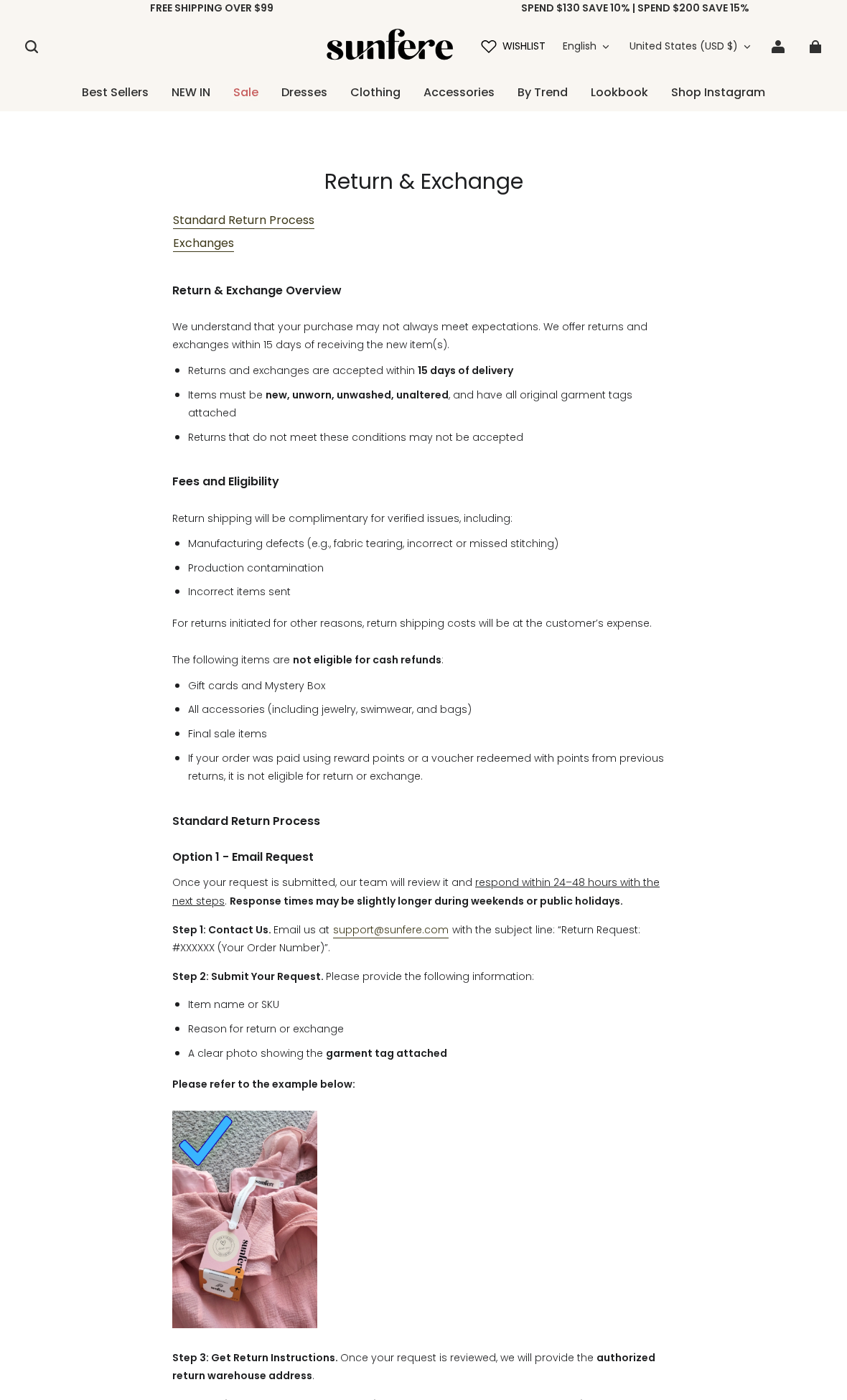
Complete your inspection early. Photograph every questionable item with its attached tag, packaging, and identifying label. Do not alter it while seeking an ordinary return.
For fit concerns, use measurements. For defects, show the failed seam, stain, or incorrect item clearly, along with enough of the garment to identify it.
-
Submit one complete request. List all items you want addressed, their SKUs, and the preferred remedy. Retain a copy of any online form submission.
Ask support to acknowledge the request date and confirm that any response delay will not invalidate timely notice. Use the original order email to avoid identity confusion.
-
Do not accept credit without reading its restrictions. Ask whether the balance expires, covers postage, and changes refund eligibility for the next purchase.
Work out the extra cash needed to buy a replacement. A bonus is less attractive when it requires another payment for something you no longer trust.
-
Obtain the approved destination. Do not send goods to the original shipping label’s address. Get the warehouse details and tracking requirements directly in the return thread.
If the item is defective or wrong, request the seller’s promised postage assistance. For an ordinary return, compare the shipping quote with the expected refund.
-
Monitor the actual refund. Save carrier delivery, approval, and payment references. Ask which stage is pending when the estimated period expires.
For installment payments, inform the payment provider through its own process. Do not assume a merchant return automatically changes the payment schedule.
-
Escalate a documented unresolved issue. Ask your card provider about the applicable dispute category and time limit. Describe the transaction accurately and provide the timeline.
Do not wait solely because the merchant warns disputes may slow refunds. Ask your provider how to preserve your options without pursuing contradictory recovery routes.
Frequently Asked Questions
Is Sunfere a fake clothing website?
Our research did not establish that. The meaningful concerns are restrictive refund options, unclear operator details, and the practical handling of time-sensitive returns.
How quickly should I request a Sunfere return?
The reviewed policy gives 15 days from delivery and asks for prompt defect reporting. Document problems immediately and keep the timestamp of your first request.
Does Sunfere store credit work like a refund?
No. Credit stays with the retailer. Check the next order’s eligibility and any additional spending before choosing it instead of an available original-payment refund.
Are Sunfere sale items eligible for cash refunds?
Final-sale items and accessories face cash-refund exclusions. An ordinary discount does not answer the question by itself. Check the specific listing and obtain confirmation before paying.
Can I return an exchanged Sunfere dress?
The ordinary exchange policy limits further returns. Ask about that restriction before accepting a replacement, and distinguish preference-based exchanges from remedies for an actual defect.
Should I mail my return to the label address?
No. Sunfere says to use its authorized return instructions. The outbound shipping label may identify a transit location rather than the facility handling your refund.
The Bottom Line
This Sunfere review found a purchase where the exit conditions deserve as much attention as the dress. A credit bonus can leave your money committed to another order.
Skip restrictive purchases if you need reliable cash-refund flexibility. If you already ordered, inspect promptly, request your preferred remedy clearly, and document every stage until it is resolved.








