

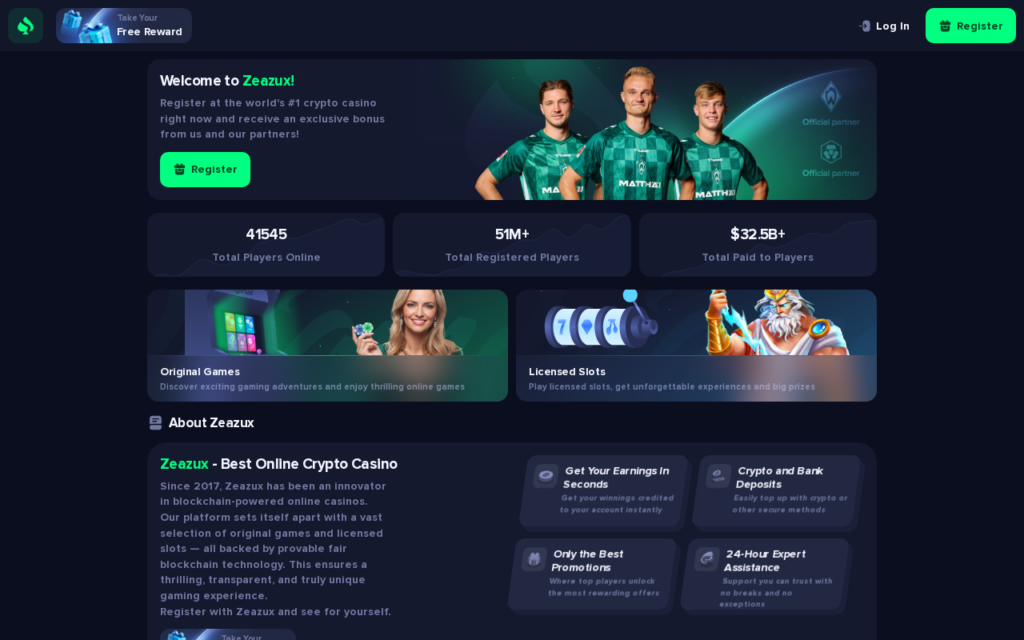
Zeazux.com poses as a modern crypto gaming site, offering generous promotional bonuses, quick registration, and immediate access to recognizable casino games. Its polished, convenient appearance is precisely what makes the scam seem trustworthy at first.
The trouble begins when users attempt a routine task such as verifying an account or withdrawing money. At that point, the experience changes and the warning signs become impossible to overlook.

Scam Overview
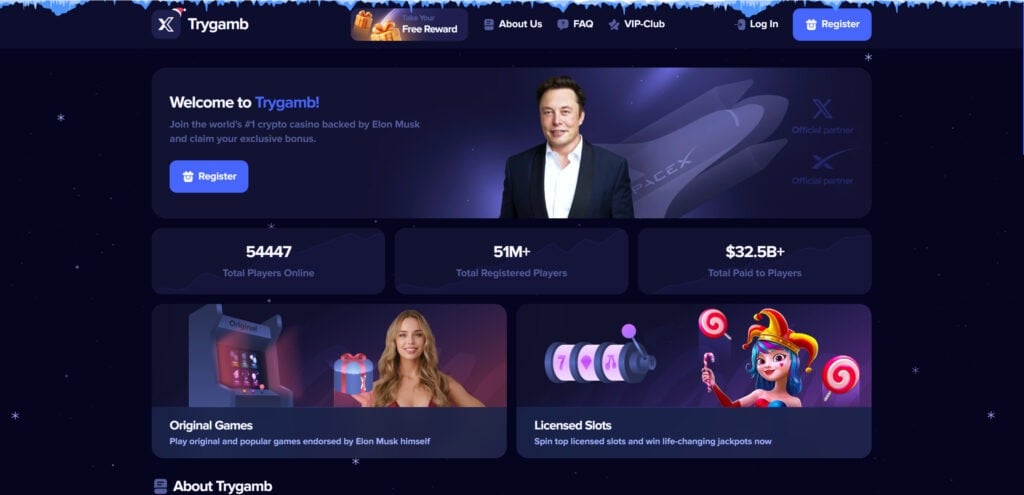
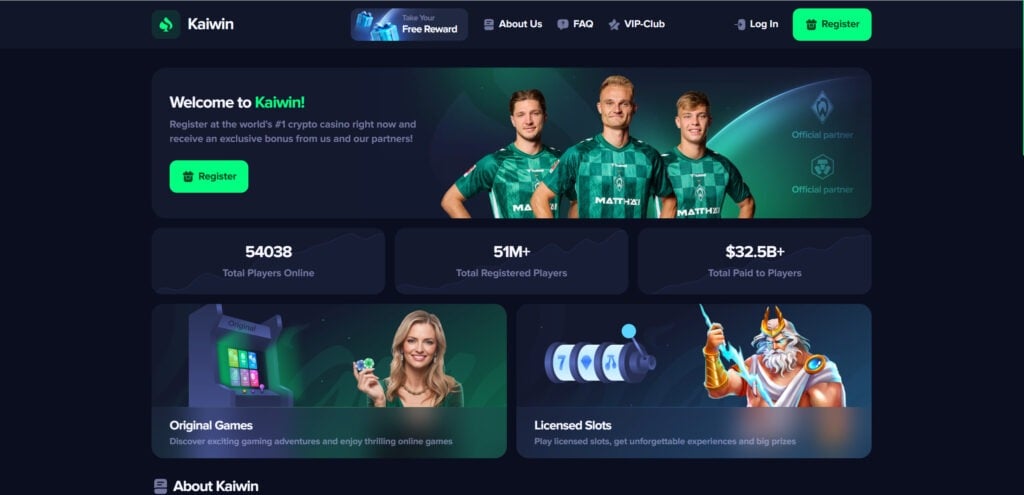
Zeazux.com calls itself a decentralized crypto gambling service, using flashy promotions, huge bonuses, and casino games to draw people seeking fast wins. Its main lure is “free” crypto tied to a promo code, creating an instant sense of value after registration.
This scheme does not build confidence over time. It manufactures immediate trust with supposed authority signals and impressive-looking numbers.

How Zeazux.com quickly manufactures trust
Zeazux.com uses a combination of familiar, reassuring-looking credibility signals:
- Claims that it is the “#1” platform
- Terms such as “decentralized,” “blockchain,” and “provably fair”
- A sleek design modeled after legitimate crypto casinos
- Well-known games users immediately recognize
- Large registration bonuses displayed as soon as users sign up
- “Live” feeds that supposedly show recent winnings and cashouts
Together, these features make first-time visitors believe the platform is busy, current, and financially strong.
Once Zeazux.com is examined like a genuine financial service, however, its serious shortcomings are obvious.
Bogus celebrity backing and billionaire founders
The website’s use of famous names is among its clearest warning signs.
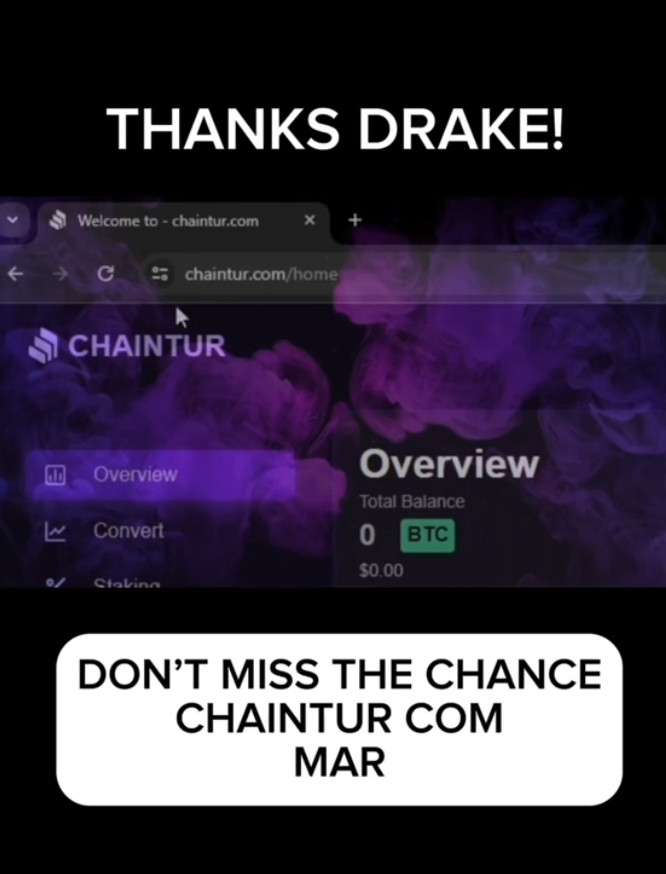
Zeazux.com promotes itself as though Elon Musk, Mr.Beast, Drake, Jeff Bezos, Bill Gates and many more back or participate in it. Other versions of this scam ecosystem invoke additional celebrities, including Cristiano Ronaldo, because famous names lower people’s skepticism.
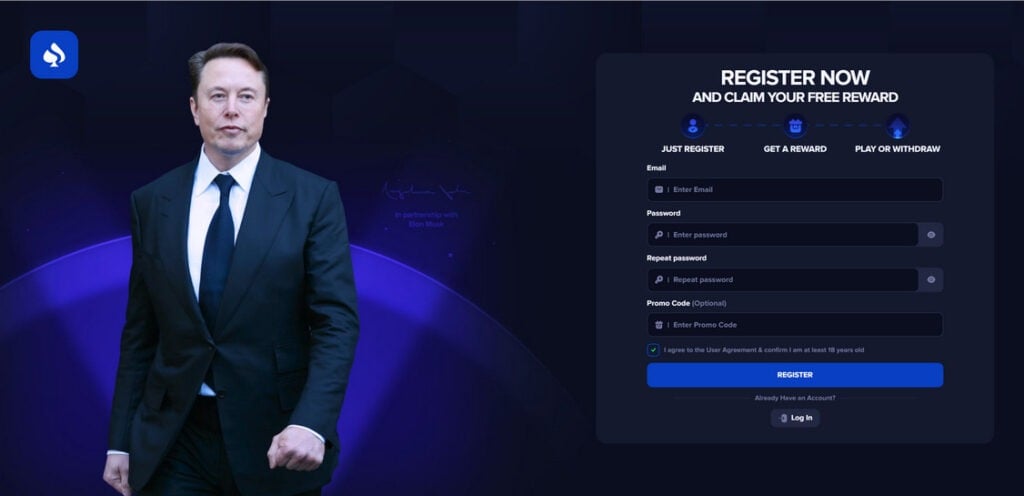
The truth is straightforward: no credible, verifiable evidence connects any of these people to Zeazux.com.
This is not a minor detail.
Fraudulent endorsements are a fundamental scam-marketing technique. They are especially effective on social media, where people scroll rapidly without checking the claims.
Our investigation uncovered numerous highly polished gaming scam websites promoted heavily through social networks and chat communities. Their bait included promo codes unlocking “free credits,” paired with influencer-style campaigns created to look authentic.




Fake activity and exaggerated user counts
Zeazux.com commonly presents eye-catching activity figures, including:
- Number of players currently online
- Number of registered users
- Latest major wins
- Latest withdrawals
The figures are designed to suggest that thousands of users are actively gambling and successfully withdrawing money.
On scam sites, however, these statistics are routinely fake. Scripts, bots, or prerecorded animations can produce and automatically refresh them. They prove nothing about legitimacy.
Large scam networks deliberately create slick interfaces to simulate popularity and trust, while the operation underneath is built to prevent withdrawals.
No genuine transparency or responsibility
A real gambling service, particularly one dealing in crypto, normally discloses clear information about:
- The business operating the service
- Its license and legal jurisdiction
- Rules governing bonuses, wagering, and cashouts
- Responsible-gambling standards
- Dispute procedures and accountable customer service
Zeazux.com does not provide this meaningful transparency. Giving money to a platform that fails to clearly name its operator or regulator is a serious risk.
Without genuine accountability, scam sites can delay, deny, or simply disregard cashout requests without consequences.
Easy signup followed by forced withdrawal “verification”
Zeazux.com makes registration effortless on purpose.
Removing obstacles brings more registrations, which gives the scam more potential victims.
The moment someone requests a withdrawal, the site abruptly imposes verification. This is where its trap is sprung.
Many victims say they were required to make another deposit, commonly $100 to $500, to “verify” themselves before a withdrawal would supposedly be processed.
This is a defining method used by current crypto casino scams.
Our investigation of mass-produced gaming scam sites found this identical sequence: promo credits attracted users, a “verification deposit” blocked payout, and anyone who paid soon faced further demands.
Cashouts held hostage for more deposits
This is the single most critical warning sign.
Zeazux.com tells users that withdrawals require another cryptocurrency deposit first. It disguises the payment with official-sounding terms such as:
- Verification payment
- Account activation fee
- Network fee
- Refundable security deposit
- Crypto wallet validation
Whatever name is used, the arrangement never changes:
You must send additional funds to obtain money your account says you already “have.”
Legitimate services do not operate this way. Any valid fees are plainly disclosed and generally subtracted from the withdrawal itself, rather than collected through a separate deposit.
Bonuses far too good to be real
Zeazux.com promotes enormous bonuses, sometimes reaching $10,000, merely for registering and entering a promo code.
No sustainable business operates that way.
Legitimate platforms can provide welcome offers, but those have explicit limits and terms. They do not act like instantly “won” free cash with no meaningful barriers.
Massive, effortless rewards are standard bait. They generate excitement and urgency so users begin gambling before checking the website.
Convincing games used to sell the illusion
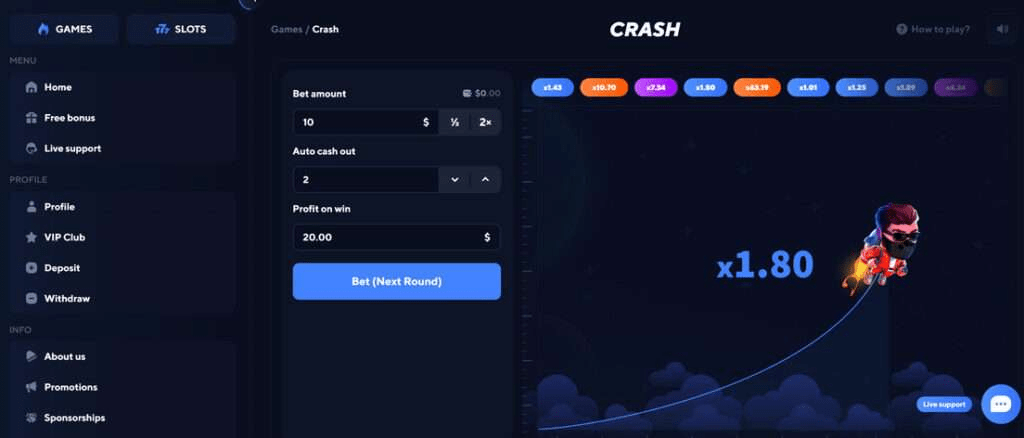
Zeazux.com supplies casino-style games that seem to function properly, such as:
- Crash
- Slots
- Plinko
- Dice
- Mines
- Tower
- Coin flip
A smooth, responsive interface helps the scam resemble a legitimate platform.
Yet professional design proves neither fairness nor legitimacy. Across this scam ecosystem, convincing and polished gaming websites trapped large numbers of people precisely because they looked genuine.
These games serve one purpose: creating enough confidence for users to expect successful withdrawals.
Once a withdrawal is requested, the site begins extracting real money.
How The Scam Works
Zeazux.com uses a consistent funnel that converts curiosity into deposits. These steps show how it attracts users, gains their confidence, and activates the withdrawal trap.
1. Aggressive promotions lure users
Careful research is rarely how people discover Zeazux.com.
Instead, promotions reach them through fast-moving platforms where trust is weak:
- Short videos styled like TikTok content
- YouTube advertisements or creator-style videos
- Sponsored ads and posts on Facebook
- Instagram stories and reels
- Messages posted in communities and chat groups
These promotions generally emphasize:
- A promotional code
- A registration reward, often $2,000 to $10,000
- A “limited-time” claim
- A billionaire or celebrity founder narrative
- Images showing large balances or successful cashouts
This approach follows the wider scam pattern of distributing promo codes and free credits through social and community channels to generate rapid registrations.
2. Signup takes almost no effort
After reaching the website, a user can usually register within seconds.
That speed is deliberate. More hesitation gives people time to investigate the brand and discover scam warnings.
Immediately after signing up, users commonly find:
- An instantly applied bonus
- An invitation to begin gambling
- A dashboard displaying a substantial balance
The immediate reward creates psychological investment. Because users believe they have already received value, they are more inclined to proceed.
3. Users play with bonus funds and “win”
Zeazux.com lets users gamble with the credited bonus balance.
This stage is essential to the scheme because it produces:
- An emotional stake
- A feeling of progress
- An expectation that withdrawing is the natural next move
Reported early victories or rapidly increasing balances make the platform seem to be working as expected.
Fair gambling is never the objective. The scam pushes users toward a cashout attempt, where it introduces the deposit requirement.
4. Withdrawal attempts activate the restrictions
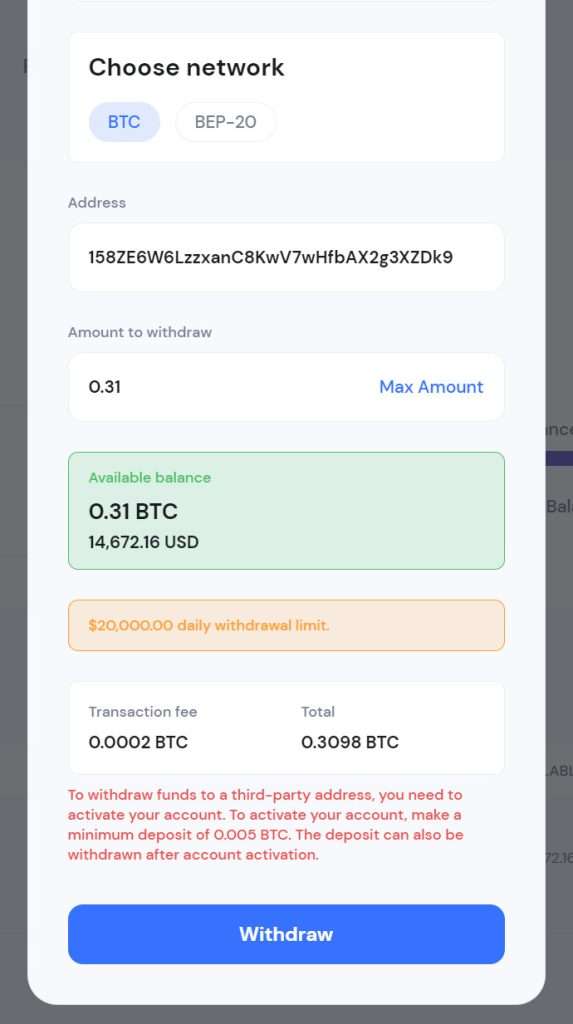
The website’s behavior changes as soon as a user tries to withdraw.
Rather than paying, Zeazux.com shows an error or notice claiming that “verification” or further conditions must be completed.
Typical notices say:
- “Withdrawals are locked until verification is complete”
- “You must verify your wallet”
- “Minimum deposit required to withdraw”
- “Account verification required”
- “Security check in progress”
This tactic preserves the victim’s hope. Instead of directly refusing payment, the scam promises a withdrawal after one more supposed step.
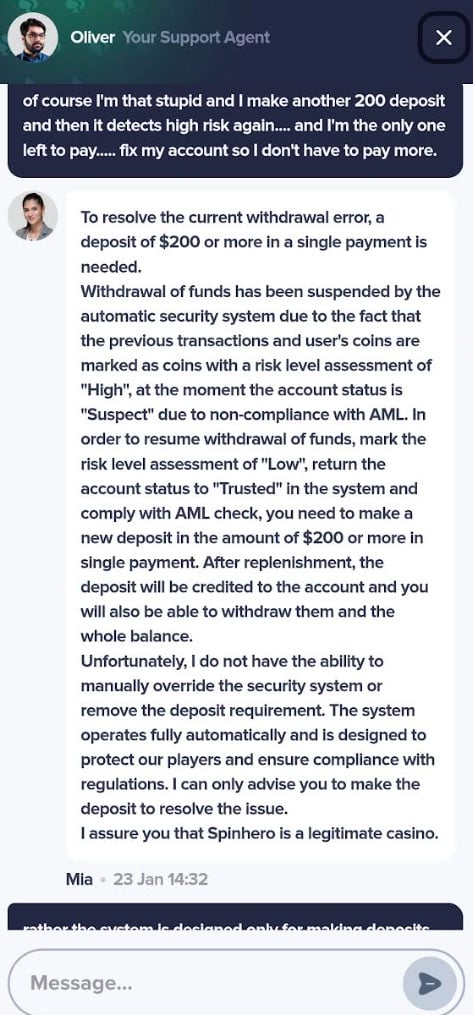
5. A “verification deposit” is required
This is the scam’s main money-extraction stage.
Zeazux.com or its support demands another deposit, commonly $100 to $500, supposedly to “verify” the account or “activate withdrawals.”
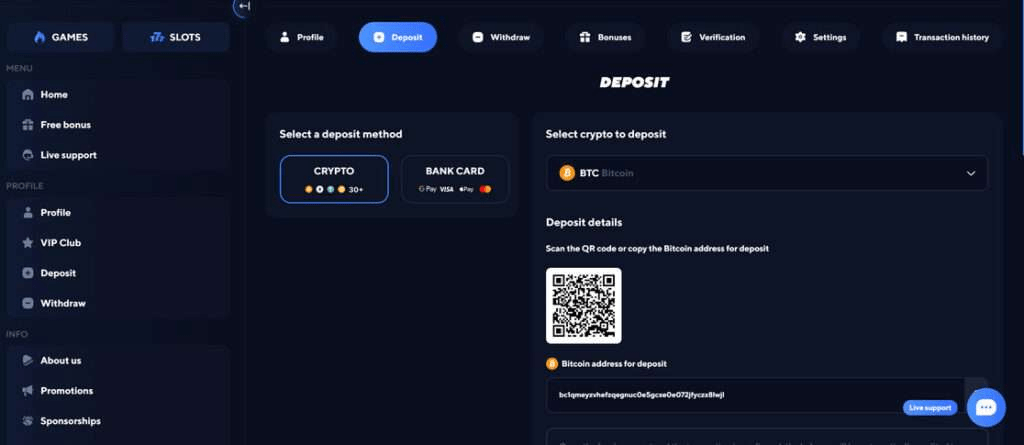
Victims were told cryptocurrency deposits were required for verification before funds could be released. After paying, they received demands for still more money.
The payment is dressed up as an official requirement:
- A regulatory compliance condition
- A network fee
- A wallet-validation procedure
- A refundable security payment
It is not legitimate verification. It is simply a demand for money.
6. Paying only creates new conditions
After a user submits the initial deposit, the scam generally responds in one of two ways:
- It requests another payment
- It delays forever while offering excuses
Frequent excuses include:
- “Technical issue, try again later”
- “Your withdrawal is pending”
- “You selected the wrong network”
- “You need VIP verification”
- “Additional compliance is required”
- “Deposit more to unlock withdrawals”
This cycle is intentional, not accidental. It extracts additional funds as long as the victim continues believing that a payout remains possible.
7. Support stops helping and eventually vanishes
Victims commonly describe support as becoming:
- Repetitive
- Vague
- Slow
- Aggressive about further deposits
- Suddenly unresponsive
Victims encountered support systems combining automated replies with human representatives, before ultimately being ignored or blocked.
Communication generally ends once the scammers decide no further payment is coming.
Same scam playbook, different domains
Zeazux.com is not an isolated website. It fits a larger operation that recycles identical crypto casino designs, claims, and withdrawal traps under numerous domain names.
Only the brand changes. The scheme remains identical: a polished website offers a giant bonus, permits gambling, and then withholds withdrawals unless another “verification” deposit is sent.
How domain rotation works in practice
Placing these websites side by side reveals repeated characteristics:
- Identical hero-heading language, such as “Decentralized Crypto Gaming Platform #1”
- Matching page layouts and interface sections
- The identical game carousel and selection
- The same marketing pitch centered on a “big bonus”
- An identical cashout notice requiring another deposit to “verify” or “activate” withdrawals
- The same fabricated celebrity narrative used to create confidence, usually invoking Elon Musk and frequently MrBeast, along with recycled names such as Bill Gates, Jeff Bezos, Mark Zuckerberg, Warren Buffett, Drake, Taylor Swift and many more.
This extensive operation has deployed many similar websites across different domains, including:
- Bunodex.com
- TryGamb.cc
- Olympus-games.net
- KaiWin.cc
- Betaras.com
- Bezhope.bet
- Acegam.com
- 8BitWin.com
- 7Spiny.com
- Nexusball.com
- Germibet.cc
- Telaxplay.com
- EnyBex.com
- Roarax.com
- Siodex.com
- RuseWin.cc
- Epicdrops.life
Why scam operators switch domains
Rotating domains allows the scammers to:
- Rapidly replace a domain after negative reviews, reports, and complaints accumulate
- Continue advertising by moving campaigns to a “fresh” URL
- Prevent victims from easily finding warnings when searching for a specific domain name
- Duplicate the same scam funnel on numerous websites to reach more targets
Do not judge legitimacy by the domain name alone. With schemes like Zeazux.com, the safer approach is to judge the behavior.
A site that denies withdrawals and requires a new deposit to release funds is following the scam pattern, regardless of its logo or domain.
The Withdrawal Wall Test
Most people targeted by Zeazux.com reach the trap during their first cashout attempt. A straightforward withdrawal becomes a demand for another crypto payment called “verification,” “activation,” or a “network fee.”
Use this quick check to identify the scam.
The quick 2-minute check
- Open Withdraw and request a small cashout, even $10
- Carefully examine the response
- Stop if it requires you to deposit first before withdrawals are enabled
- Stop if it demands a separate transfer to “verify” the wallet
A legitimate service can complete a cashout without forcing you to make another deposit.
Language that reveals the scam
Any of these phrases identifies the same scam playbook:
- “Verification deposit required to withdraw”
- “Activate withdrawals by making a deposit”
- “Wallet verification required before payout”
- “Pay the network fee to process withdrawal”
- “One final step to unlock your funds”
One simple test of credibility
Ask support this:
Can any required fee be subtracted from my withdrawal instead of requiring a separate deposit?
If support refuses, send nothing. Capture screenshots, note the wallet address, and give the transaction information to your exchange.
What To Do If You Have Fallen Victim to This Scam
If you sent money or disclosed information to Zeazux.com, immediately focus on preventing further losses, protecting your accounts, and retaining evidence.
Follow this straightforward checklist without panicking.
- Immediately stop all payments
Never pay a verification deposit, activation charge, or “network fee.”
Do not make another payment if one was already sent. The scam invents these demands to keep extracting money.
- Preserve all available evidence
Collect proof before the website or messages change:
- Images of the balances and dashboard in your Zeazux.com account
- Withdrawal error messages
- Support conversations and email correspondence
- The bonus promotion page and promo code
- Cryptocurrency deposit addresses provided by the website
- Wallet or exchange transaction hashes
When reporting cryptocurrency fraud, the FBI recommends gathering detailed transaction records, including dates, amounts, transaction hashes, and wallet addresses.
- Notify the exchange or service that sent the cryptocurrency
When funds were transferred from a centralized exchange, immediately provide its support team with:
- The receiving cryptocurrency address
- The relevant transaction hash
- The cryptocurrency type and amount
- The date and time
- A concise explanation of the fraud
Reversal might not be possible, but prompt reporting can flag the receiving address and aid an investigation.
- Protect access to your wallet, exchange, and email
Take these essential actions immediately:
- Replace your email account password
- Enable 2FA on exchange and email accounts
- Update every password you reused elsewhere
- Check the device for questionable downloads or browser extensions
If you connected your wallet or granted permissions, revoke those permissions and consider transferring remaining assets to a new wallet.
- Beware of fund-recovery scams
Crypto scam victims are frequently approached again by “recovery agents” offering to retrieve lost money after receiving an advance fee.
The FBI specifically cautions against cryptocurrency recovery businesses, particularly those requiring payment in advance.
Consider any unsolicited offer of recovery extremely suspicious.
- File reports with the proper organizations
Reports protect other people and help authorities build cases.
Within the United States:
- Submit a report to the FTC through ReportFraud.ftc.gov
- File a report with IC3
- Notify the exchange involved
The FTC advises people to act fast and provides instructions for reporting cryptocurrency fraud.
Outside the United States:
- Notify your country’s cybercrime authority
- File a report with local police
- Notify the service that displayed the advertisements
- Flag the accounts and ads that promote Zeazux.com
When Zeazux.com was discovered through social media, report:
- The ad
- The posting account
- The URL of the landing page
- Screenshots documenting the promotion
These reports can limit the campaign’s audience and protect future victims.
- Publish an accurate warning
A concise, factual account can prevent others from entering the scam. Describe:
- The bonus claim
- The result of your withdrawal attempt
- The deposit demand
- The behavior of customer support
- Every relevant wallet address
Do not embellish. Accurate facts spread further and withstand scrutiny.
The Bottom Line
Zeazux.com runs a high-pressure scam funnel using enormous promotional bonuses, billionaire name-dropping, and a slick gaming design to rapidly manufacture trust.
The scam predictably breaks down for users when they attempt a withdrawal.
Requiring more cryptocurrency to “verify” or “activate” a cashout is a decisive scam warning. This is the documented pattern of large networks running polished gaming scams: free credits lure victims, verification deposits block payouts, and further payment requests follow without any withdrawal.
If the scam has already drawn you in, make no further payments, preserve proof, protect your accounts, and file reports. Reject upfront-fee crypto recovery offers, which are follow-up scams targeting people immediately after a loss.
Frequently Asked Questions
1. What is Zeazux.com?
Zeazux.com claims to be a decentralized cryptocurrency gaming service offering casino games and major promotional rewards. It initially looks convincing, but withdrawal attempts bring new conditions that keep users’ funds inaccessible.
2. Why does Zeazux.com claim it was created by billionaires?
The story exploits the credibility of well-known figures such as Elon Musk or Bill Gates. For this scam, celebrity claims are promotional bait, not evidence of real involvement.
3. Is the $10,000 sign-up bonus real money?
A bonus displayed onscreen is merely a number controlled by the website. Slick crypto gaming scams use these credits to encourage play and emotional investment, but the supposed funds cannot actually be withdrawn.
4. Can you withdraw winnings from Zeazux.com?
No. Zeazux.com blocks withdrawals behind “verification,” usually requiring yet another deposit. Large networks of polished gaming scam sites use this same deposit trap.
5. Why does Zeazux.com require a deposit to “verify” withdrawals?
Because that requirement is the scam. Whether called verification, activation, or a network fee, it is an advance-fee demand that makes you pay to obtain money you supposedly already possess.
6. I paid the verification deposit. Why am I being asked to pay again?
Once someone pays, Zeazux.com invents more “requirements,” such as added charges, higher verification levels, or delays, to steal further deposits. Reports on these gaming scams document this escalating-payment cycle.
7. What games does Zeazux.com usually show?
Zeazux.com and similar sites display recognizable games including crash, plinko, slots, dice, mines, tower, and coin flip. They imitate real crypto casinos even though users never receive payouts.
8. Where do people usually see Zeazux.com advertised?
Promotions circulate through community channels and social platforms such as Discord, TikTok, YouTube, Facebook, and Instagram. Large scam operations use these outlets to distribute promo codes promising “free credits.”
9. Are the “players online” and “recent withdrawals” stats trustworthy?
No. Fraudulent sites use activity displays to fake popularity and successful payments. These figures are fabricated marketing, not independent proof.
10. What should I do if Zeazux.com is demanding a fee to withdraw?
Send no more money. Preserve chat transcripts, screenshots, transaction hashes, and deposit addresses. The Federal Bureau of Investigation identifies demands for additional “fees” or “taxes” to release funds as a red flag that does not lead to recovery.
11. How do I report Zeazux.com?
In the US, submit a ReportFraud complaint to the Federal Trade Commission and report it to the Internet Crime Complaint Center (IC3). Their guidance explains which details to provide, including amounts, dates, wallet addresses, and hashes.
12. Can my crypto transaction be reversed?
Generally, no. Confirmed cryptocurrency transfers are usually permanent, which makes them attractive to scammers. Preserve the evidence and report the transaction immediately.
13. I found someone who says they can recover my funds for a fee. Should I trust them?
No. Recovery scammers routinely pursue victims after an initial loss, and IC3 specifically cautions against recovery businesses requiring an up-front fee.
14. How can I avoid crypto casino scams like Zeazux.com in the future?
Apply a firm checklist before sending any deposit:
- Confirm the operator, license, and real-world responsibility
- Consider celebrity founder stories fraudulent until conclusively proven
- Reject sites advertising massive “free” rewards such as $10,000 under minimal conditions
- Never send another payment to release a withdrawal
- Use only small test amounts with established, reputable services








