

A small makeup compact can promise a surprisingly big change when you’re tired of looking tired. Luminance Milano’s brightener is built around that appeal.
The before-and-after pictures are only part of the buying decision. A few less glamorous details matter just as much once you’ve placed an order.
Overview
A Real Cosmetic With Claims That Need Separating
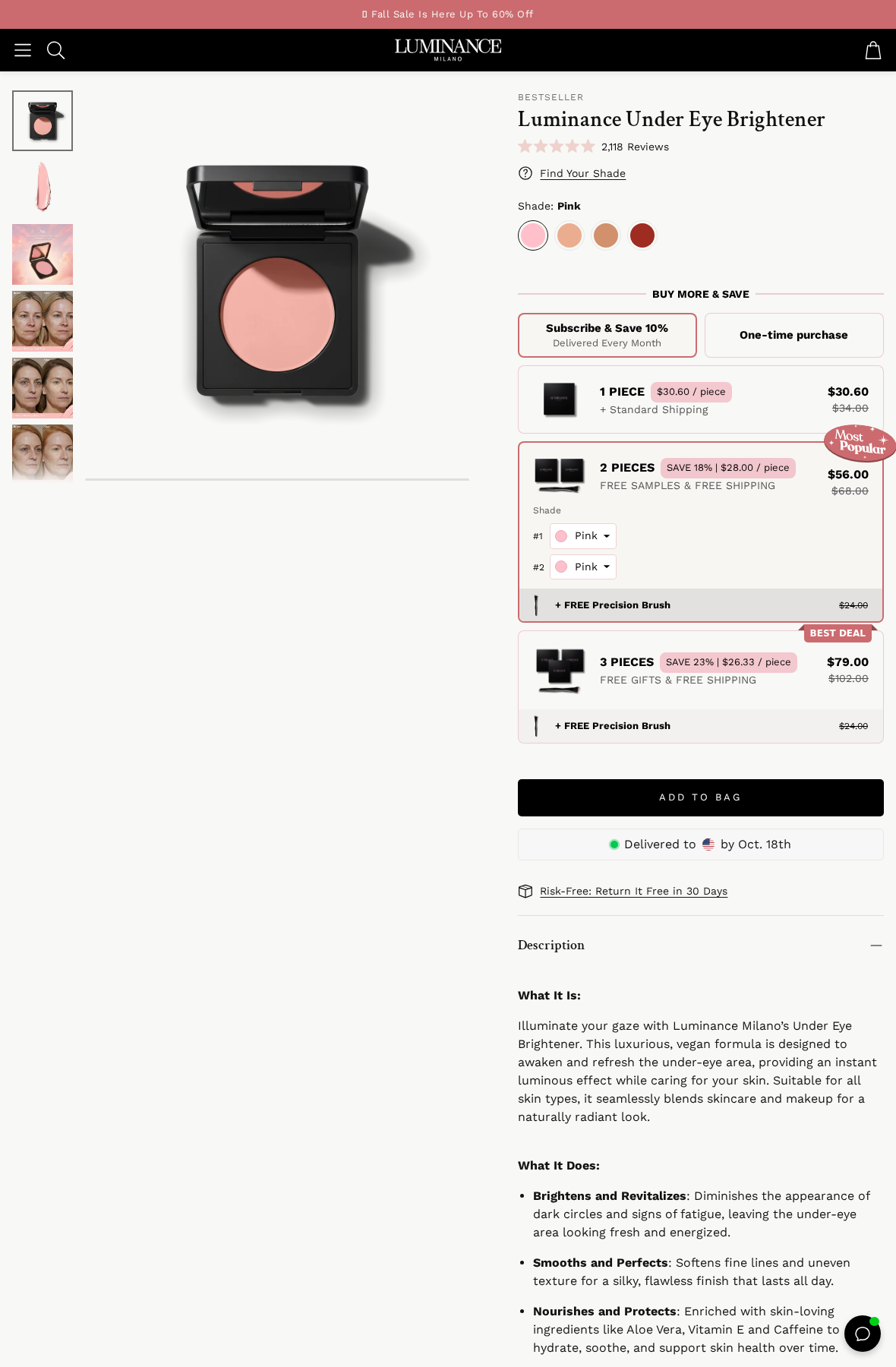
Luminance Milano sells an under-eye brightener intended to reduce the appearance of dark circles. It is makeup, not a demonstrated treatment for their underlying cause.
The inspected product description calls the cosmetic FDA-approved. That wording gives a misleading impression of government review of the finished makeup.
The FDA generally doesn’t approve cosmetics before sale. Its approval rules for certain color additives are not an approval of this complete brightener.
The Product Page Offers Repeat Delivery
The purchase panel presents monthly delivery with a subscription discount alongside a one-time option. It also encourages buying two or three pieces.
The service capture showed subscription styling and a two-piece bundle highlighted. Final checkout acceptance and the future charge weren’t tested through a purchase.
A shopper expecting one compact should confirm both choices. Quantity and repeat delivery are separate parts of the order.
The Return Destination Is in China
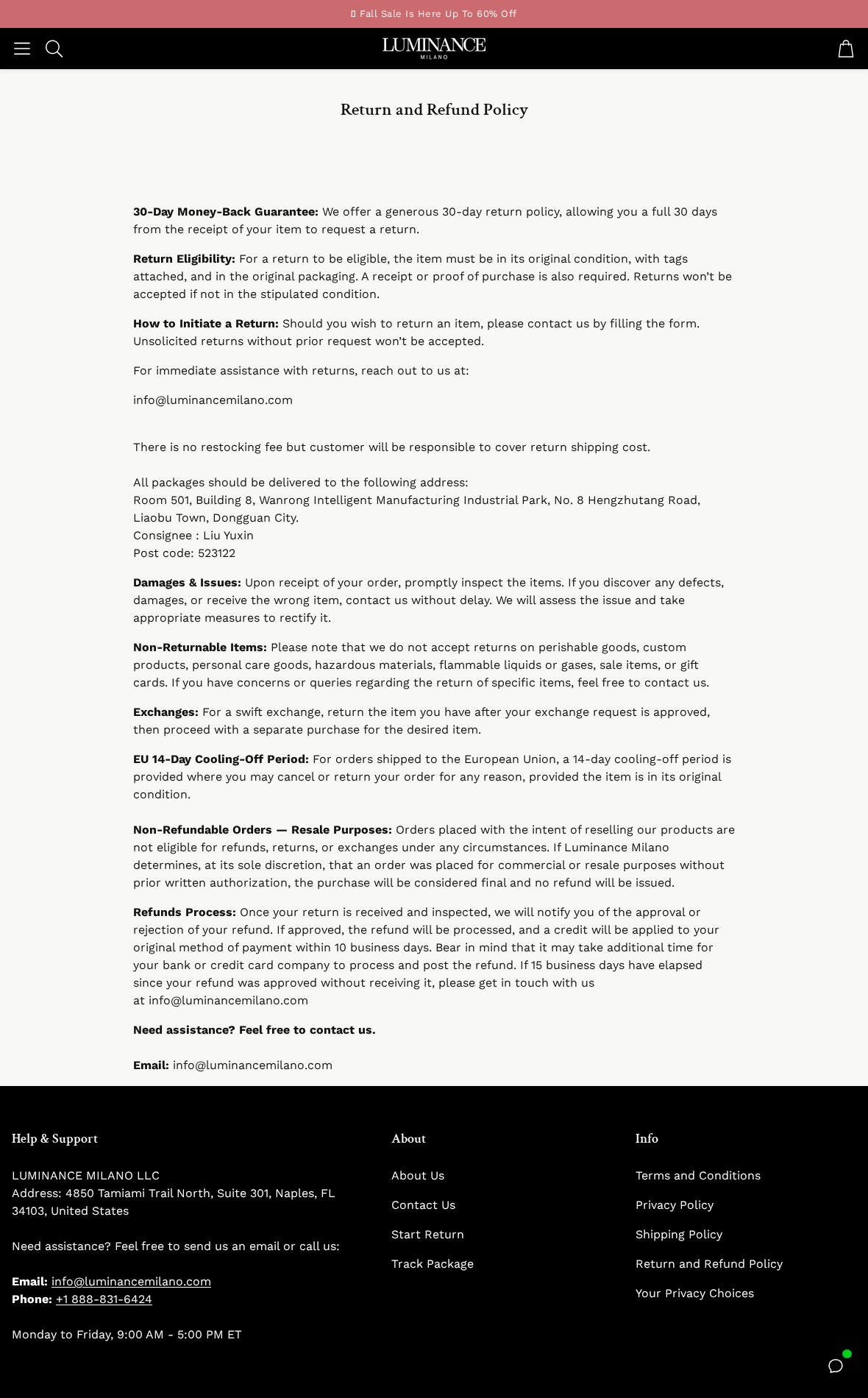
The seller’s footer identifies a Florida business. Its linked return policy instructs customers to send packages to Dongguan, China, with customers covering return shipping.
That conflicts with the product panel’s free-return reassurance. The policy also lists exclusions for personal-care goods and sale items.
The findings to focus on are:
- FDA approval wording that doesn’t match ordinary cosmetic regulation.
- A monthly delivery choice beside the one-time purchase option.
- Multi-piece bundles that increase the immediate charge.
- Paid returns to China despite a free-return statement.
- Eligibility restrictions that need clarification for discounted makeup.
What an Under-Eye Brightener Can and Cannot Promise
Color correction and light reflection can change how discoloration looks. That is a different claim from repairing skin, treating illness, or permanently removing dark circles.
The product page describes light-diffusing pigment and distinguishes a brightener from a full-coverage concealer. That distinction is useful when setting expectations.
A product may look good on one person and unsuitable on another without being counterfeit. Shade, skin texture, application, and lighting all affect the result.
Buying it because a photograph looks dramatic is therefore different from buying it because you have tested the exact shade on your own skin.
A Before-and-After Image Isn’t a Clinical Result
Different lighting, expression, camera exposure, or makeup placement can change an image. A photograph alone doesn’t tell you which variable produced the difference.
That doesn’t establish that the seller’s pictures are AI-generated or altered. No such provenance finding was made in this review.
The stronger question is what the images demonstrate. They cannot guarantee the same finish, coverage, or wear time for every customer.
The page describes survey outcomes and a study involving 64 people. It does not provide enough protocol detail there to treat the percentages as a personal forecast.
Reported satisfaction is also different from an independently measured improvement. Ask what people were asked, how long they used it, and what comparison was made.
The FDA Wording Is Not a Beauty Preference
Whether you like the finish is subjective. Whether FDA approved the finished cosmetic is a separate factual issue.
The FDA’s own explanation says ordinary cosmetic products and their labeling do not require FDA approval, apart from specified color-additive requirements.
Companies still have safety and labeling responsibilities. That doesn’t entitle a product description to imply a finished-product approval that wasn’t established.
Don’t pay a premium because you believe this badge means a federal agency verified the brightener’s performance or endorsed it for sensitive skin.
How the Luminance Milano Brightener Offer Works
Step 1: The Promotion Connects Makeup With Looking Rested
The brightener is pitched around a familiar moment: you look in the mirror and feel your under-eye area makes you seem more tired than you are.
Words about radiance and smoothing make a small compact feel like an easy improvement. Italian-inspired branding adds a premium atmosphere.
That presentation doesn’t identify the manufacturing location. A brand name containing Milano shouldn’t be read as proof the product was manufactured in Milan.
The buying decision needs the actual formula, shade, size, and return terms. Attractive branding can’t answer those questions.
Step 2: Reviews and Percentages Reduce Hesitation
The page displays a very high rating and many product reviews. It also summarizes favorable user responses about brightness, texture, and wear.
Those signals can make the product feel thoroughly tested. But hosted reviews and a summarized survey are different kinds of information.
A review can help you learn how someone applied makeup. It does not authenticate an FDA claim or establish how your return request will be handled.
Read lower ratings and specific practical details when available. Look for shade, skin type, duration of use, delivery, and the remedy requested.
A string of enthusiastic short comments is less useful than an account explaining what arrived and what happened when the buyer needed help.
Step 3: The Purchase Panel Offers Monthly Delivery
The subscription option advertises a discount and delivery every month. A separate button presents a one-time purchase.
In the service capture, the subscription option was outlined as active. That is a captured form state, not proof that every visitor sees the same default.
If you want a single shipment, verify the one-time selection before proceeding. Then check whether the bundle prices change with that choice.
Monthly delivery may be unnecessary for a compact you haven’t used yet. Convenience has little value if unwanted products arrive faster than you can use them.
Confirm renewal price, quantity, schedule, and cancellation route in the order documents. The product panel alone doesn’t establish every term of future billing.
Step 4: Bundles Make the Low Unit Price Look Attractive
The captured offer showed one, two, and three-piece choices. A two-piece package was highlighted, with a brush presented as a free addition.
The same capture showed $30.60 for one piece, $56 for two, and $79 for three under the selected purchase setting.
Those are version-specific figures. Prices localized in the ordinary browser, so use your own final checkout currency and total.
The unit price can fall while the amount charged rises. Buying three pieces is not a way to try one piece for the lowest displayed number.
Extra gifts can also influence the decision. Ask whether accepting them changes return requirements, and preserve the answer before paying.
Step 5: Free-Return Language Makes the Trial Feel Reversible
The purchase panel says the product can be returned free within 30 days. That suggests a shopper can try it without bearing a return cost.
The linked return policy instead says customers must cover return shipping and gives a Chinese destination.
For someone expecting a nearby U.S. return, that difference can materially change the value of the trial.
The page says there is no restocking fee, but international tracked postage can still be an expense. No postage quote was obtained for a hypothetical parcel.
Ask the business to reconcile these promises in writing. Don’t assume the free-return line automatically covers the shipment you would need to send.
Step 6: Return Eligibility Adds Another Barrier
The return page requires original condition, tags, packaging, and proof of purchase. It separately excludes personal-care goods and sale items.
A brightener is a cosmetic, and the storefront prominently advertises a sale. The policy needs to explain how those exclusions apply to this product.
Another policy route includes explicit unused-item wording. The differences between policy versions make a clear order-specific answer especially important.
Don’t resolve the ambiguity by guessing that all opened cosmetics qualify, or that no cosmetics ever qualify. Get the seller’s commitment before relying on a trial.
The policy’s stated rules are not a complete statement of every buyer’s legal rights. Rights concerning faulty or misdescribed goods can be different.
Luminance Milano, the Florida Company, and Returns
The Company Is Registered, Not Invented
Florida’s official register lists Luminance Milano LLC, document number L24000439661, with an active status and a matching Naples business address.
The Sunbiz record is meaningful company evidence. It does not certify the cosmetic’s claims or guarantee customer satisfaction.
This is not a case where an anonymous seller’s identity was invented from speculation. The criticism concerns specific marketing and purchase terms.
Florida Contact Details and a Chinese Return Location Are Different
The footer lists 4850 Tamiami Trail North, Suite 301, Naples, Florida. The return instructions name an industrial-park address in Liaobu, Dongguan.
The policy identifies Room 501, Building 8, Wanrong Intelligent Manufacturing Industrial Park and postcode 523122 for returns.
That is a disclosed return destination, not proof the same address manufactured the makeup. Nor does it establish where every parcel originally ships from.
A returns handler and a registered business office can serve different functions. Buyers still need that distinction before assuming returns are local or free.
Support Is Published, but Responsiveness Wasn’t Tested
The business lists info@luminancemilano.com and +1 888-831-6424, with weekday support hours. The site also displays broader support assurances.
No call, email, or return request was submitted. The presence of a number should not be presented as proof that it answers or ignores customers.
Use written communication for the free-return contradiction. Ask who pays postage, whether your opened product qualifies, and whether subscription cancellation is separate.
Italian Branding Doesn’t Trace the Formula
The product description provides an ingredient list and a 5 g size. Those help identify the cosmetic, but not the factory responsible for your lot.
Check the delivered package for manufacturer or responsible-party details, batch identification, warnings, and country-of-origin labeling where supplied.
No product testing established contamination, unsafe contents, or counterfeit status. The documented China connection is the return address, not a blanket claim about product quality.
What Would Change the Buying Decision?
A clear correction of the FDA wording would remove one misleading reassurance. A consistent, product-specific return promise would resolve another important uncertainty.
The seller should explain whether its free-return line includes overseas postage and whether sale exclusions apply to the brightener being advertised.
The subscription setting should also be unmistakable in the final order summary, including future charges and an accessible cancellation method.
Until those details agree, don’t order through this offer on the assumption that you have a free, easy trial backed by FDA approval.
If you simply want to try a color corrector, a seller with clear one-time pricing and affordable, intelligible return terms is easier to evaluate.
What to Do If You Ordered the Brightener
-
Check quantity and delivery type. Compare the receipt with the compact count you intended. Look for monthly delivery or a subscription discount.
Request cancellation of unwanted recurring delivery and keep the confirmation. Ask separately whether the current order can be stopped before dispatch.
-
Save the promise that persuaded you. Capture the free-return wording, checkout selection, and refund policy associated with your purchase.
Record the price in its actual currency. Don’t compare a localized total with a U.S. screenshot as if they were the same charge.
-
Inspect before discarding packaging. Photograph the product, shade, size, seal, lot markings, and shipping label. Document wrong or damaged goods immediately.
Keep tags and the original package while discussing eligibility. If the item differs from the description, explain that difference with clear photos.
-
Request an explicit return decision. Contact the listed support address within the advertised window. Ask for authorization and the full destination.
Challenge the postage contradiction calmly: include the free-return screenshot and ask whether the seller will provide a prepaid label for your specific order.
-
Don’t tolerate an adverse reaction. Stop using makeup that causes irritation and seek appropriate medical advice, especially for symptoms around the eyes.
Bring the package information if needed. Natural, vegan, or approval language doesn’t establish suitability for your skin.
-
Escalate a documented unresolved issue. Ask your payment provider about options for wrong goods, non-delivery, disputed billing, or a refund promise not honored.
Provide the order and support history. Distinguish dissatisfaction with the shade from a materially different product or an unauthorized renewal.
Frequently Asked Questions
Is Luminance Milano a Real Company?
Yes, a matching active Florida LLC record exists. That confirms a legal entity, not the advertised performance or the consistency of its return promises.
Is the Under-Eye Brightener FDA Approved?
The inspected description uses that wording, but FDA generally does not approve finished cosmetics. Color-additive approval does not validate the entire makeup product.
Does the Brightener Include Monthly Refills?
Monthly delivery is offered alongside a one-time option. Confirm the selected plan and future amount in your own checkout and receipt.
Are Returns Free?
The product panel says free returns, while the linked policy makes customers responsible for return postage. Obtain an order-specific written answer before relying on either.
Where Does the Published Return Policy Send Parcels?
It lists a destination in Dongguan, China. That return location should not be confused with the Florida business address or a verified manufacturing facility.
Is It a Treatment for Dark Circles?
It is a cosmetic brightener intended to change their appearance. It doesn’t establish treatment of the underlying reasons for under-eye discoloration.
The Bottom Line
Do not order this offer on the strength of FDA approval or a free-return promise. The approval wording is misleading, and the paid China-return policy conflicts.
Existing buyers should check refill enrollment, preserve the purchase promises, and request written cancellation or return terms. A real company still owes buyers clear information.








