

When your usual pillow stops feeling comfortable, a shaped replacement can look like an easy answer. Necklow Sleep Pillow certainly knows how to make that possibility appealing.
The important details are not limited to the pillow’s shape. Before buying this offer, spend a moment on the retailer’s promises and the conditions behind them.
Overview
This investigation covers one retailer’s offer
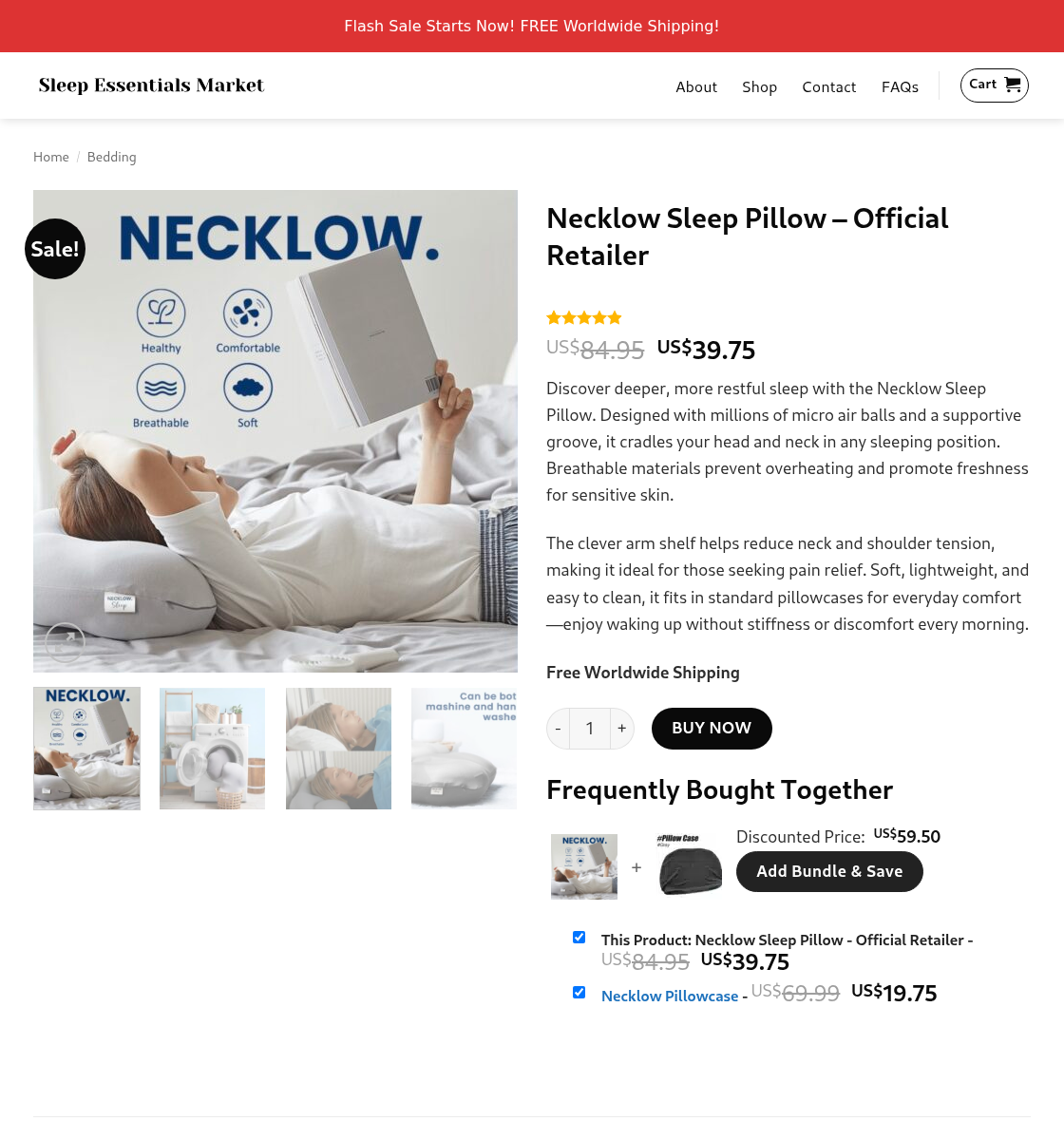
We examined the Necklow Sleep Pillow listing at sleepessentialsmarket.com. It calls itself an Official Retailer and offers the pillow for $39.75, reduced from $84.95.
That retailer relationship is a claim on the page, not something we independently confirmed. Other websites selling similarly named pillows may have different operators and terms.
We did not test a pillow, place an order, or establish that the Necklow brand is fraudulent. The warning concerns this offer’s marketing and restrictive purchase conditions.
A comfort product without a straightforward comfort return
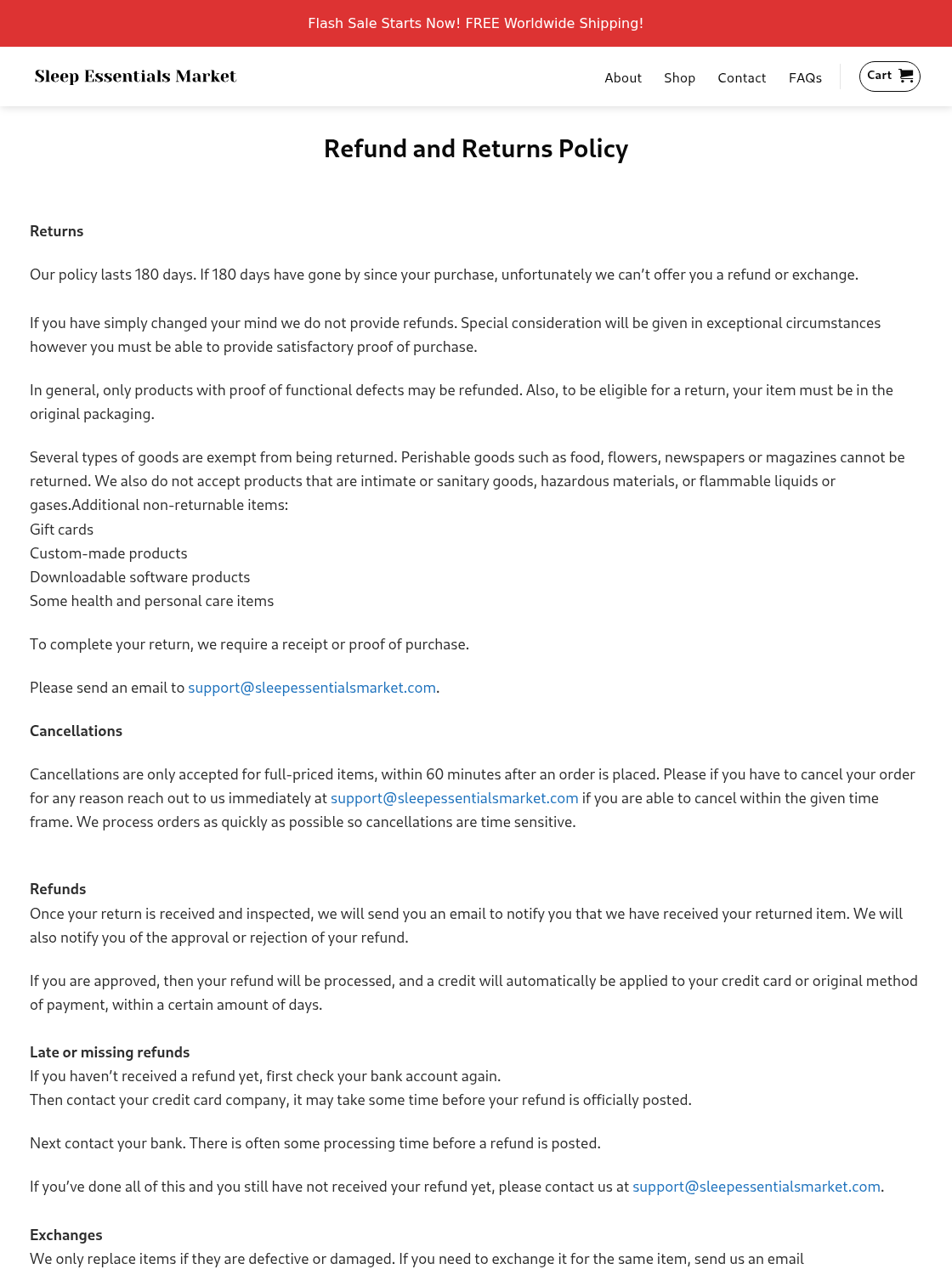
The retailer’s policy says 180 days, which can sound generous. It also says it does not provide refunds simply because the buyer changed their mind.
In general, the policy limits refunds to products with proof of functional defects. A pillow that feels wrong for you may not meet that requirement.
Cancellation is limited to full-priced items within 60 minutes. The examined Necklow listing is marked as a sale, creating another question buyers should resolve before paying.
The practical reasons to pause
These are the decision points that matter more than the star rating:
- Whether you can return the exact pillow after trying it for comfort.
- Whether the sale item qualifies for cancellation at all.
- Which filling, dimensions, and care instructions apply to the delivered model.
- Whether you selected the pillow alone or the separate pillowcase bundle.
- Who operates the retailer and handles a disputed order.
Our recommendation is to avoid this offer as an at-home comfort experiment unless the seller explicitly agrees to a usable trial and return arrangement.
A physical pillow can be real while the buying proposition remains poor. There is no need to invent a scam verdict to identify that problem.
Why the 180-Day Policy Is Not a Sleep Trial
The length of a deadline does not establish eligibility
The refund policy says its period lasts 180 days from purchase. That describes a deadline, not an unconditional right to return.
Its next conditions exclude ordinary change-of-mind refunds and generally require evidence of a functional defect. Original packaging and proof of purchase are also required.
Those restrictions are particularly important for a pillow. The reason to buy it is often personal comfort, which cannot be established from photographs or testimonials.
A buyer can receive an undamaged pillow and still find its height, firmness, or contours unsuitable. That does not automatically make the product functionally defective.
The cancellation wording conflicts with the sale context
The policy allows cancellation only for full-priced items, within 60 minutes after ordering. The product page displays a sale badge and a crossed-out reference price.
We did not submit a cancellation request, so we cannot say how the retailer would apply this rule to a particular order.
However, the written restriction gives no clear assurance that this discounted pillow qualifies. Buyers should not assume they have an hour simply because the page mentions it.
Ask before checkout whether the advertised $39.75 pillow can be canceled and under what conditions. An evasive answer is a reason not to buy.
A testimonial cannot rewrite the merchant’s policy
One seller-hosted review reassures readers that an unsatisfactory pillow can always be returned. The site’s formal policy does not offer that broad promise.
The page displays a 4.9 rating based on 29 customer ratings. We have not independently authenticated those buyers or established where each original transaction occurred.
Positive reviews are not proof that your own return will qualify. Follow the retailer’s written agreement, and request clarification when reviews describe more generous treatment.
A good return policy should make this distinction unnecessary. The customer should understand the available remedy without choosing between promotional reassurance and restrictive fine print.
What the Pillow Claims Do and Do Not Establish
Micro air balls and memory foam need clarification
The listing describes polyester and polyurethane, millions of micro air balls, and a figure of 8,000,000. It also refers to memory foam in its feature discussion.
Those descriptions do not clearly explain the exact filling construction of the model shipped to you. A material name alone does not establish firmness or support.
Ask for a specification sheet showing the core, cover, measurements, adjustable parts, and care label. Do not substitute a reviewer’s description for the manufacturer’s instructions.
We have no physical inspection proving counterfeit materials or an incorrect air-ball count. The current problem is an unclear specification, not a laboratory finding.
Pain-relief language is not a guaranteed outcome
The page promotes relief from neck and shoulder tension and waking without stiffness. Those are selling claims, not a clinical assessment of your particular symptoms.
A contoured pillow may suit one sleeper and irritate another. Mattress firmness, body proportions, sleeping position, and personal preference all affect how support feels.
The examined listing does not provide controlled clinical evidence establishing that this exact offer reliably resolves everyone’s neck pain. Testimonials cannot supply that missing evidence.
Persistent or worsening discomfort deserves appropriate medical advice rather than repeated purchases based on dramatic promises. A pillow is not a diagnosis or an individualized treatment plan.
Skin and washing promises require actual instructions
The listing makes sensitive-skin and eczema-related assurances. It also describes both machine and hand washing, while some reviews discuss washing a removable cover.
Those are different procedures. Washing a cover does not mean the entire filled pillow can safely go through the same cycle.
Before cleaning, read the label on the delivered item and obtain clarification if it conflicts with the listing. Keep the written instructions.
Do not assume that breathable marketing establishes compatibility with your skin sensitivities. Review the actual materials and stop using an item that causes irritation.
How This Pillow Offer Leads to a Purchase
Step 1: The page connects a familiar problem with a shaped solution
The listing starts with deeper sleep, neck support, and less morning discomfort. Those are relatable goals, especially for someone who has already tried several pillows.
Photos show a distinctive shape and a person resting comfortably. That demonstrates the advertised presentation, not an independently observed result from a controlled product test.
The Official Retailer wording can make the page feel authoritative. It should still be verified rather than treated as proof of an authorized relationship.
Keep the product and the seller separate. An attractive design does not tell you whether this particular merchant delivers the advertised model or honors a return.
Step 2: The sale price makes experimentation feel inexpensive
The examined price is $39.75 against a crossed-out $84.95. The gap makes trying the pillow seem like a relatively small financial decision.
We did not verify previous sales at $84.95 or compare physically identical models. A reference price does not, by itself, establish a bargain.
Think about the amount you could lose if the pillow arrives intact but feels unsuitable. Without a comfort-return option, that risk is the actual purchase price.
Return postage can further affect the calculation when a return is allowed. A lower price does not automatically compensate for restrictive conditions.
Step 3: A separate bundle increases the payable total
The page also offers a pillow and pillowcase bundle for $59.50. The pillowcase is separately priced at $19.75 in the displayed bundle.
Both components appear selected in the bundle area. This is an observable bundle presentation, not proof that clicking the pillow’s ordinary Buy Now adds the case.
Choosing Add Bundle & Save is different from choosing the pillow alone. Read which button you use and inspect the cart afterward.
Do not rely on the $39.75 headline once you have changed selections. Confirm quantity and accessories before authorizing any charge.
Step 4: The return restrictions become important after payment
Once ordered, the distinction between a long deadline and a genuine trial becomes practical. The policy may not cover the reason you want to send it back.
The 60-minute cancellation wording also limits full-priced items rather than all purchases. Discovering that after checkout creates avoidable uncertainty.
A normal comfort trial often involves opening packaging and sleeping on the pillow. Ask whether that exact use is allowed within any proposed return arrangement.
Get the answer in writing before payment. A customer-service promise after an argument is a weaker basis for deciding whether to order.
Step 5: A problem must fit the applicable remedy
If the wrong product arrives or something is defective, document it accurately. Those problems differ from receiving the correct pillow and not liking its feel.
The policy says exchanges are for defective or damaged goods. It also makes the customer responsible for return shipping and describes shipping costs as nonrefundable.
Do not conceal ordinary use or invent a defect to qualify. Ask about the remedy your actual circumstances support, then consult your payment provider if necessary.
The seller’s policy is not the last word on every legal right. Applicable protections depend on your jurisdiction, transaction, and the nature of the problem.
Necklow Retailer, Address, and Support Checks
The seller is Sleep Essentials Market
The inspected order page belongs to Sleep Essentials Market. Its conditions should not be attributed automatically to every business selling a Necklow-named pillow.
The examined storefront does not clearly identify a legal corporate operator behind that trading name. Ask which entity accepts payment and appears on the receipt.
A brand name, retailer name, and payment descriptor can differ legitimately. What matters is whether the relationship is explained before you authorize the purchase.
The official-retailer claim remains unverified
The product title says Official Retailer. We did not obtain confirmation from an independently verified brand representative that this store is authorized.
That is an unanswered relationship question, not proof the retailer is counterfeit. Request an explanation that can be checked outside the sales page.
Any manufacturer warranty should specify the model, eligible sellers, covered defects, and responsible contact. A title alone does not establish those protections.
The address does not establish a return warehouse
The footer lists 200 Vesey Street, New York City, NY 10281. We have not established whether it is the seller’s operating location or a return destination.
Do not send a parcel there just because it appears on the website. Obtain return authorization and the complete recipient details for your specific order.
We also did not establish this offer’s manufacturing or dispatch country. Calling it a confirmed China shipment would go beyond the material examined.
Contact the published support address in writing
The return policy directs customers to support@sleepessentialsmarket.com. We did not send a test request or measure how reliably that inbox responds.
Before ordering, ask about sale-item cancellation, comfort returns, the exact pillow model, and return postage. A useful reply should answer each question directly.
If those answers are missing, select a retailer with clearer terms. There is no reason to purchase first and hope the policy becomes friendlier later.
What to Do If You Bought This Offer
- Check what you actually ordered.
Review the confirmation for the pillow model, quantity, pillowcase, total, and seller name. Compare it with the cart and payment record you saved.
If an accessory or extra unit was included unintentionally, request a correction immediately. Do not assume a displayed bundle proves the item was secretly added.
- Send any cancellation request without delay.
Use the published support email and include the order number and payment time. Ask whether the order has entered fulfillment and whether cancellation is accepted.
Preserve the timestamp and response. The policy’s full-price restriction makes written clarification especially important for the discounted pillow.
- Keep the parcel and specifications together.
Photograph packaging, labels, the delivered shape, and any damage before using or washing the item. Retain the receipt and instructions.
If the delivered model differs from the listing, describe the difference specifically. Measurements and material labels provide better evidence than general disappointment.
- Do not force an uncomfortable trial.
Stop using the pillow if it aggravates discomfort or causes irritation. Seek appropriate medical advice for symptoms rather than relying on the listing’s assurances.
Ask the seller whether comfort dissatisfaction qualifies for a remedy. Be honest about use and distinguish preference from a documented defect.
- Get an authorized return arrangement.
Request the destination, eligibility decision, deadline, expected refund, and responsibility for postage. Do not ship first and negotiate later.
Use tracking if a return is approved, and keep proof of delivery. A parcel sent to an unconfirmed footer address may not complete the process.
- Escalate the specific unresolved issue.
Contact your payment provider about non-delivery, an incorrect item, a documented defect, or an approved refund that remains unpaid. Ask about deadlines and required evidence.
A comfort preference alone may not support the same dispute. Explain accurately what was promised, what arrived, and which remedy the merchant failed to provide.
Frequently Asked Questions
Is Necklow Sleep Pillow a confirmed scam?
No confirmed brand-wide fraud finding follows from this inspection. We assessed a specific Sleep Essentials Market offer, not every Necklow product or retailer.
The restrictive conditions make this offer unattractive for a comfort trial. That recommendation does not require claiming the pillow itself is nonexistent.
Does the 180-day policy let me try it risk-free?
No such unconditional trial is established. The policy excludes ordinary change-of-mind refunds and generally asks for proof of functional defects.
Ask explicitly whether sleeping on the pillow and finding it uncomfortable qualifies. A long deadline is not a substitute for eligibility.
Can I cancel the $39.75 sale pillow?
The policy describes cancellation for full-priced items within 60 minutes, while this listing is discounted. It does not clearly promise cancellation for this offer.
Request written clarification before buying. If you already ordered, ask immediately rather than assuming the advertised deadline applies to discounted goods.
Does the pillowcase come with the pillow?
The page presents a separate $59.50 bundle including a $19.75 pillowcase. That does not establish that the ordinary pillow purchase includes the case.
Check your chosen button, cart, and confirmation. Do not assume the bundle’s selected boxes mean every checkout follows the same route.
Is the filling definitely memory foam?
The listing mentions micro air balls, polyester, polyurethane, and memory foam without clearly explaining the exact construction. We did not examine the physical core.
Ask for the specifications of the model being shipped. Similar shapes and positive reviews do not establish identical filling or firmness.
Should I trust the positive reviews?
The page’s reviews are hosted by the seller and were not independently authenticated in this investigation. They should not override the formal return policy.
Use them as opinions, not guarantees of pain relief, authorized retail status, or your eligibility for a refund.
The Bottom Line
Necklow Sleep Pillow’s shape is not the decisive issue here. This retailer’s restrictive returns and unclear sale-item cancellation make the offer unsuitable for a casual comfort experiment.
Choose an offer with a clearly written trial arrangement instead. If you already bought, verify the order, document any genuine problem, and pursue the remedy it supports.








