

Dr. Robert Lustig seems to be explaining a red vitamin discovery for diabetes. The name is familiar, the subject sounds relevant, and the promised answer feels surprisingly simple.
Then a university enters the story, followed by a preparation you are supposed to learn about. It is worth stopping to untangle those connections before following the presentation.
Overview
A real specialist is attached to a false commercial claim
The Dr. Robert Lustig red vitamin scam appropriates his medical identity to promote a supposed diabetes breakthrough. The recommendation in the recorded campaign is fabricated.
Lustig is a real endocrinology specialist whose public work concerns metabolic health. That genuine background helps explain why his apparent participation could persuade a worried viewer.
It does not make the advertised Japanese red vitamin, parasite-reversal story, or Glycopezil sales presentation an authorized extension of his work.
The university reference mixes two different propositions
Lustig’s professional biography lists an undergraduate degree from MIT. An individual’s educational history is not evidence that MIT developed a particular supplement.
The campaign blurs that distinction while surrounding its bottle with doctors and institutional references. The resulting impression is stronger than the evidence the presentation supplies.
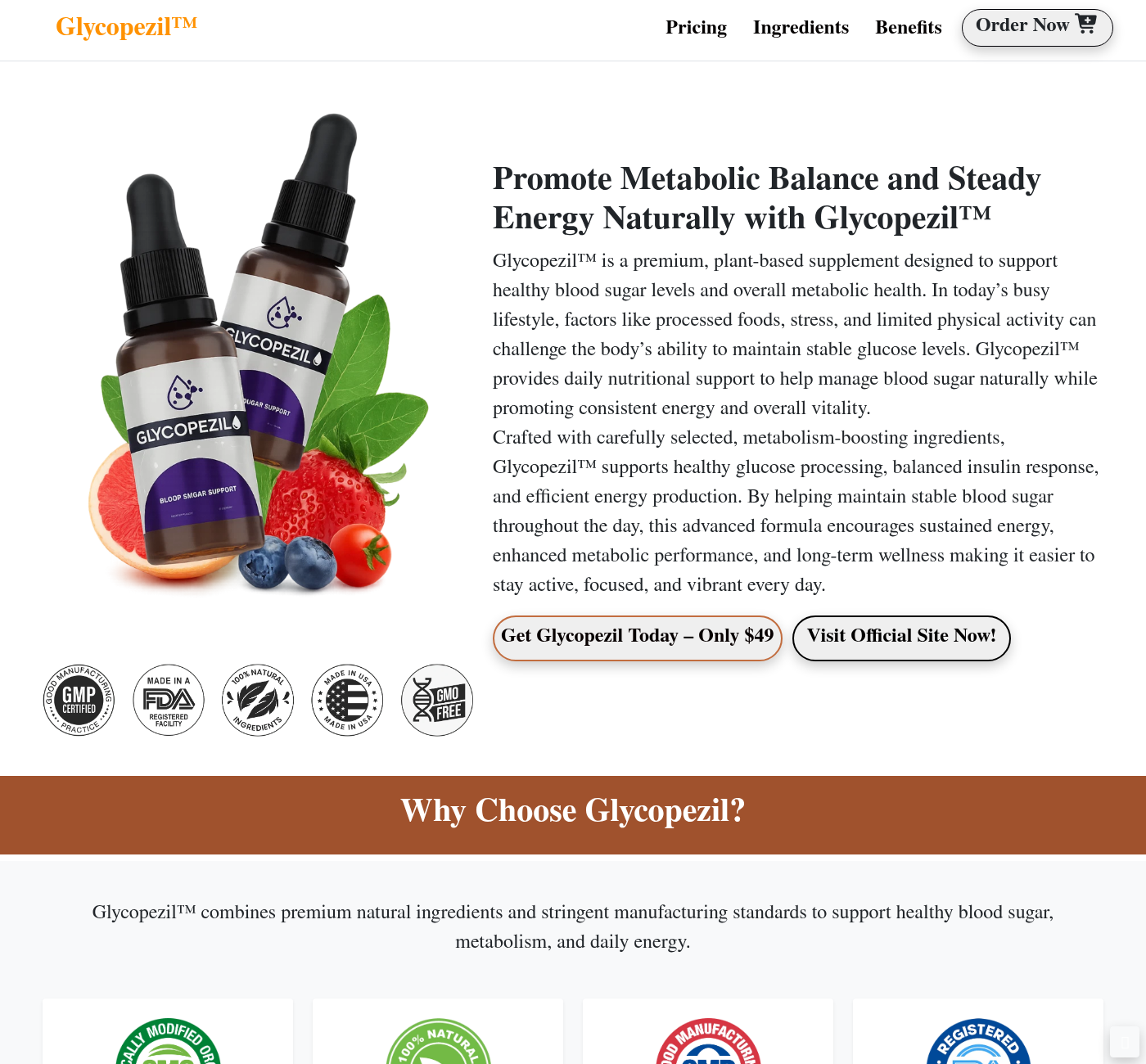
The captured Glycopezil page is a separate promotional offer. It shows drops marketed for metabolic support, not a university research record or an authenticated Lustig recommendation.
- A real medical career cannot authenticate an unrelated advertisement.
- An alumnus and a university-developed product are different things.
- A marketing nickname is not a complete ingredient specification.
- A discussion of sugar is not approval of every blood-sugar supplement.
- A recipe search should not become a treatment change without clinical advice.
Do not buy on the strength of the borrowed credentials
Reject this supposed Lustig diabetes cure. The false recommendation is a decisive reason not to trust the route, regardless of how professional the bottle page looks.
Anyone who already ordered should preserve the specific claims and payment records. Anyone who changed treatment should speak with the professional responsible for their care.
The Plausible Detail That Makes the Story Harder to Dismiss
The campaign does not have to invent every fact. A mixture of true background and an invented conclusion can be more persuasive than an entirely unfamiliar story.
Lustig’s work on sugar and metabolic health gives the subject a recognizable connection. A viewer may have encountered a genuine lecture long before seeing the advertisement.
That memory can do work the seller never earned. The reader recognizes the doctor and assumes the new commercial statement belongs to the same body of work.
The MIT reference creates another bridge. It sounds plausible beside a real academic biography, but the crucial product-development claim remains a separate assertion.
Imagine someone saying a graduate invented a household appliance. That would not establish that the graduate’s university developed, tested, or endorsed the appliance.
The same distinction applies here. The advertiser needs a verifiable institutional record for its product claim, not merely a recognizable affiliation somewhere in a person’s history.
You can acknowledge the doctor’s real expertise while rejecting the video. There is no contradiction in respecting a specialist and refusing an invented recommendation attributed to them.
Nor do you need to settle every debate about nutrition before making that decision. Authenticity of the commercial statement is the immediate question.
How the Dr. Robert Lustig Red Vitamin Scam Works
Step 1: A diabetes concern is matched with a recognizable authority
The promotion addresses someone looking for better blood-sugar control or an explanation for ongoing difficulties. A doctor associated with metabolic discussion feels relevant to that search.
The viewer therefore has a reason to listen before knowing which product will be offered. Attention begins with the problem and the apparent speaker, not the bottle.
A simple vitamin story also reduces the apparent commitment. Learning about a familiar-sounding substance feels different from agreeing to an unfamiliar long-term health purchase.
Keep those decisions separate. Choosing to hear an explanation should not quietly become accepting the advertised diagnosis, treatment promise, and commercial recommendation.
Step 2: Genuine credentials are stretched into invented institutional approval
The recorded Glycopezil campaign invokes MIT along with Lustig and other public figures. This makes the sales story resemble a discovery with substantial professional backing.
A proper development claim should identify the institution’s own announcement, the researchers involved, and the exact preparation studied. General references to prestigious science cannot replace those details.
Check whether the claimed study actually concerns the named finished product. Research on an unrelated ingredient or a different intervention answers a different question.
Also distinguish an academic biography from a commercial relationship. A physician can hold a degree, write books, and give lectures without endorsing the drops in an advertisement.
The campaign depends on treating those categories as one. Separating them removes much of the authority the seller is trying to borrow.
Step 3: A counterfeit medical-news presentation supplies the missing explanation
A documented version uses a fake CNN-style page and fabricated depictions of medical personalities. Its red vitamin story includes an alleged parasite explanation for diabetes.
The viewer is encouraged to think that the difficult part has already been investigated. A trusted-looking news setting appears to deliver the conclusion.
But a prepared commercial has not reviewed your readings, medicines, medical history, or diagnosis. Its apparent certainty is not an individualized assessment.
A dramatic hidden cause also creates a convenient sales narrative. If ordinary care has not offered the advertised answer, the video can frame that absence as suppression.
Do not let that story reverse the standard of evidence. A claim needs support because it is extraordinary, not exemption from scrutiny because it alleges concealment.
Find the original reporting through the named publisher’s established channels. An advertisement repeating the publisher’s logo is not the original source you are looking for.
Step 4: The recipe becomes a bottle with its own unanswered questions
The promised preparation eventually points toward Glycopezil drops. A viewer seeking an explanation is now being asked to buy a proprietary formula.
The separately accessible promotional page uses metabolic-support language and shows a $49 headline. Neither element confirms the earlier claim about a Lustig-developed cure.
That headline also needs its purchasing context. The actual payment stage must establish quantity, total cost, shipping, and what precise product the buyer is authorizing.
A similarly named website may be an affiliate rather than the manufacturer or payment merchant. Do not assume that every page carrying the name has one verified operator.
Obtain the ingredient names and amounts from the actual label. Red vitamin is not enough information to evaluate interactions or compare the contents with published research.
If a later version substitutes another supplement, the authenticity problem remains. Changing the package cannot retroactively create the doctor’s endorsement.
Step 5: The financial and medical consequences arrive after the sales story
A customer may discover that a package contains more bottles than expected or that terms describe future deliveries. Those questions must be answered from the particular order.
Automatic renewal is not established for every Glycopezil offer. Look for the subscription selection in your own agreement instead of assuming all supplement orders work alike.
The medical risk is separate. A person may postpone care or change prescribed treatment because the video made an unproven solution sound authoritative.
Address that promptly even if the refund discussion is ongoing. Money recovery and restoring an appropriate care plan do not have to wait for one another.
Keep a copy of the original promise. An ordinary supplement description on a receipt does not explain why the advertised doctor and supposed discovery influenced the purchase.
What the Research Would Need to Establish
The important question is not whether vitamins or nutrition affect health in general. It is whether reliable evidence supports the exact outcome promised for this product.
A meaningful study would identify the finished mixture, its dose, relevant participants, and the result being measured. The advertised formula needs to match that intervention.
A comparison group matters because readings and symptoms can change for several reasons. Other medicines, dietary changes, and ordinary variation cannot simply be credited to the drops.
Duration matters as well. A short improvement described in a testimonial is not automatically evidence of a sustained change in a diagnosed condition.
Look beyond phrases such as clinically researched. They may describe an ingredient or scientific concept rather than a trial of the bottle being sold.
Similarly, registration of a manufacturing facility does not mean the FDA approved a supplement as an effective diabetes treatment. A badge cannot perform that evidentiary leap.
Official health guidance warns against replacing established diabetes care with unproven supplements. Discuss a proposed addition with your clinician, particularly if you already take medicines.
This is not an instruction to ignore nutrition. It is a reason to seek advice about your actual circumstances instead of following a fabricated commercial lecture.
Check the Recommendation Without Getting Lost in Reposts
Start with the strongest claim you remember. Perhaps it was the doctor’s involvement, the university development story, or the promised speed of reversal.
Search for the original source of that claim. Ten promotional pages repeating the same sentence are not ten independent investigations.
For the doctor, use his established professional publications and channels. For a university claim, look for the institution’s own account naming the product and research.
A legitimate article about diabetes should not need a supplement purchase to reveal its central explanation. A payment route is not a substitute for source material.
Do not turn an unsuccessful search into an allegation about the doctor’s conduct. The person being impersonated and the advertiser making the statement are different parties.
If you are helping someone else, ask which detail convinced them. It is easier to examine a specific connection than argue generally about whether online videos can be trusted.
Someone who already paid needs practical assistance, not ridicule. Collecting the receipt and contacting the care team can be more urgent than winning an argument about the clip.
What to Do If You Responded to the Lustig Red Vitamin Pitch
-
Review any treatment change with your prescribing professional. Explain if the advertisement led you to skip medicine, alter monitoring, or begin an unfamiliar supplement.
Bring the complete delivered label. A doctor cannot assess the formulation accurately from a nickname or a photograph of the front alone.
-
Gather the advertisement, destination address, confirmation, and payment entry. Identify the specific statement about Lustig or MIT that influenced your decision.
Keep those records private. There is no need to expose an address, order number, or medical reading in a public comment to demonstrate what happened.
-
Ask the merchant for the remedy you want. State whether that is cancellation before dispatch, authorized return instructions, a refund, or an explanation of a charge.
Request the relevant deadline in writing. Keep tracking information if the applicable procedure requires sending the product back.
-
Check the agreement for any continuing shipment or membership. Ask to stop unwanted future billing explicitly rather than assuming an initial refund request covers it.
Retain the cancellation acknowledgment and monitor the payment account. A marketing unsubscribe does not necessarily terminate a purchasing arrangement.
-
Explain unresolved misleading advertising or transaction discrepancies to the payment provider. Include the merchant’s response and documents showing what you authorized.
Ask about dispute time limits. Describe the actual issue accurately, especially if you knowingly approved the first payment but object to the sales representation.
-
Use Malwarebytes if following the promotion involved an unfamiliar installation. AdGuard can help reduce exposure to intrusive advertising that carries similar false endorsements.
If account details were disclosed, secure the affected account separately. Neither tool can establish a cure, cancel an order, or reverse a transfer.
-
Report the false medical endorsement to the platform distributing it. Include the full destination and explain which person’s identity was misused.
Reject follow-up offers that charge an advance fee to recover the money. Knowing the product name does not make a stranger an authorized representative.
Frequently Asked Questions
Did Dr. Robert Lustig develop the advertised red vitamin cure?
The documented campaign invents his commercial involvement. Its apparent recommendation should not be treated as an authentic treatment announcement from him.
Does his MIT education prove the university developed Glycopezil?
No. An individual’s degree and an institution’s product-development work are separate facts. The advertisement must substantiate the latter through an original institutional source.
Is every genuine Lustig discussion about sugar an endorsement of drops?
No. A lecture or nutritional argument does not authorize an unrelated seller to attach its bottle to the recording.
Is red vitamin a sufficient ingredient description?
No. Obtain the actual chemical or ingredient names, amounts, serving size, and warnings from the full product label before discussing use with a professional.
Does every offer include automatic shipments?
That was not established. The terms and selections associated with your own order determine whether a continuing arrangement was proposed or accepted.
What should come first if the video changed my diabetes care?
Contact the clinician managing that care promptly. Address the medical change while preserving the order records and pursuing an appropriate financial remedy.
The Bottom Line
Do not purchase a diabetes cure because an advertisement borrows Dr. Robert Lustig’s credentials and an MIT connection. The commercial recommendation is fabricated.
If you acted on it, protect your established treatment, document exactly what was promised, and seek cancellation or refund assistance through the actual merchant and payment provider.

Join the discussion
0 commentsShare your experience or ask a question about this article.
Discussion
Start the conversation
Have a question or something useful to share? Add the first comment.