

Dr. Caldwell Esselstyn’s name appears in a video promising a honey routine for arteries. For someone who recognizes his work, the connection can sound immediately plausible.
But the kind of program you remember and the offer in front of you may be very different. Follow that distinction before accepting the next instruction.
Overview
A genuine doctor’s identity is being used in fabricated promotion
The Dr. Caldwell Esselstyn honey cure scam falsely connects him with an arterial-flush supplement story. His apparent commercial participation in the documented campaign is fabricated.
The promotion also borrows television authority and other public figures to make a honey recipe sound like an established cardiovascular discovery.
The false connection should not be confused with the physician’s legitimate public work. A deceptive advertisement can appropriate a real specialist without that specialist approving the product.
His actual program is not a bottle-based honey shortcut
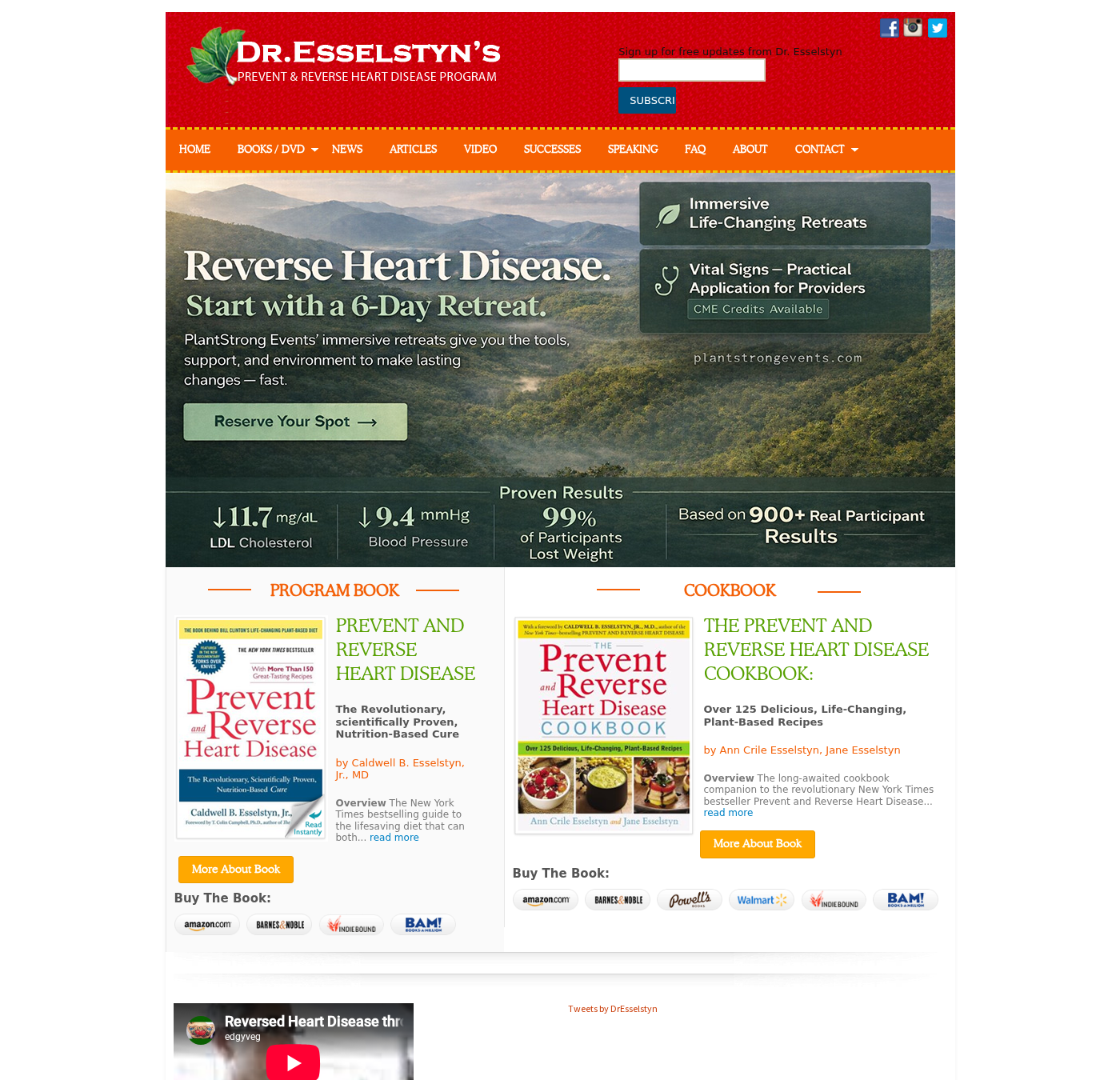
Esselstyn’s established website presents nutrition-focused work, books, recipes, and educational material. That recognizable body of work explains why the borrowed name can be persuasive.
It does not turn a separate capsule offer into his program. A genuine discussion of dietary intervention and an advertised instant arterial flush are different claims.
The original site capture helps keep those identities separate. Its presence here is not an allegation that his books or program belong to the supplement promotion.
- A real professional reputation is not permission to invent an endorsement.
- Research about a dietary approach does not automatically validate a capsule.
- A honey ritual needs its own evidence, not a borrowed physician.
- A fake television interview cannot substitute for an individualized consultation.
- The merchant on a receipt is not necessarily the person depicted in an advertisement.
Do not choose heart care through the false association
Decline the supposed Esselstyn honey discovery. Its fabricated recommendation does not justify buying a supplement or changing treatment for a cardiovascular concern.
If you already ordered, address the transaction with its merchant. If the promotion affected your care, discuss that change promptly with the professional treating you.
How Genuine Research Becomes Cover for an Unrelated Offer
The campaign has a useful starting point: the doctor’s name already means something to readers interested in nutrition and cardiovascular health.
That recognition can make the new claim seem like another version of an idea the reader has encountered before. The advertiser benefits before showing evidence for its bottle.
But similarity of subject is not continuity of treatment. A published nutritional approach cannot simply be compressed into a spoonful, a ritual, or a branded capsule.
The people involved, intervention, duration, and intended outcomes may all be different. Those differences matter more than the familiar name placed near the claim.
Even genuine footage discussing diet could be used misleadingly if a seller inserts it beside an unrelated product. Context is part of what the viewer needs.
Ask what the speaker actually recommended in the original material. Was it a dietary program, a general discussion, or the exact product now being offered?
A seller should be able to substantiate the commercial connection without asking you to infer it. A purchase button attached to a real lecture is not that substantiation.
You can therefore distinguish two separate judgments. The doctor may have real work worth understanding, while this purported honey endorsement remains a deceptive advertisement.
How the Dr. Caldwell Esselstyn Honey Cure Scam Works
Step 1: A recognizable medical name makes the promise relevant
The pitch draws people concerned about blood pressure, arteries, or heart health. Naming a physician associated with the subject makes it feel tailored to that concern.
A honey routine then suggests an unusually easy way to act. Someone expecting a demanding lifestyle discussion is offered a much smaller apparent commitment.
That contrast is persuasive, but it is also the reason to examine the claim carefully. A simpler-sounding intervention still needs relevant evidence for the result being promised.
The presentation has not reviewed the viewer’s medical history. The person watching should not treat its broad confidence as a conclusion about their own condition.
Step 2: Real nutritional work is blurred with a different treatment story
The campaign trades on familiarity with cardiovascular nutrition while introducing a separate honey recipe. It asks the reader to carry trust across a substantial change in the intervention.
A book, lecture, or discussion of diet cannot establish that a branded capsule performs the same work. The advertised preparation has to be evaluated on its own terms.
Look for the actual ingredients, amount, method, and outcome. If those details do not match the research being invoked, the connection has not been made.
Do not let the word natural hide that mismatch. Nutrition, food preparation, concentrated extracts, and manufactured mixtures are not interchangeable categories of evidence.
Step 3: A counterfeit news presentation makes the claim seem independently checked
A documented arterial-flush campaign fabricates a 60 Minutes-style report and includes unauthorized depictions of Esselstyn alongside other recognizable figures.
The appearance of journalism supplies another layer of reassurance. Viewers may assume a broadcaster verified the discovery before introducing it to an audience.
That assumption is false for the recorded commercial presentation. A familiar program format is being used as part of the persuasive machinery.
Find the complete original through the genuine publisher rather than relying on a player inside the sales page. A copied masthead cannot authenticate its own contents.
Also keep the roles separate. A physician appearing in manipulated commercial material is not automatically the person selling the supplement or handling returns.
Step 4: The arterial-flush language creates a compelling but unsupported shortcut
The honey story suggests that a serious cardiovascular problem can be dealt with through a simple routine. Some recorded material uses dramatic language about material inside arteries.
Such language can make the problem feel mechanically simple, like something that can be washed away. That imagery is not a diagnosis or a clinical demonstration.
The useful questions are what condition is actually being discussed and which outcome was measured. A vivid metaphor cannot answer either one.
A claim about avoiding established care needs especially careful scrutiny. Do not let an urgent sales narrative become permission to stop a prescribed medicine.
If a new symptom worries you, obtain appropriate medical help. A lengthy video is not a safe way to decide whether that symptom can wait.
Step 5: The recipe is replaced by a capsule purchase
Blood Pril appears in the documented campaign as the commercial destination of the honey story. The promised household explanation has become a supplement order.
A separately accessible BloodPril-branded page describes a 500 mg amino-acid blend for circulation support. That is a product description, not evidence that Esselstyn endorsed it.
The page is also not independently established as the operator behind every recorded advertisement. Sharing a product name does not resolve the whole commercial chain.
Check the exact formula and merchant for your own order. A search for the doctor’s name alone may lead back to the same copied promotion.
Whatever bottle appears next, the earlier authority claim still needs to be true. A new label does not turn a false professional association into a genuine recommendation.
Step 6: The purchase terms and care decisions become real consequences
The accessible offer expressly describes single-charge purchasing without a subscription. It would be inaccurate to replace that finding with a claim that every buyer receives automatic refills.
Different routes may have different terms. The agreement accepted with an actual order is needed to establish a particular renewal or cancellation issue.
The same page advertises 60 days of refund cover from delivery, including opened bottles. That is a seller promise, not a return process we tested.
A misleading endorsement remains misleading even when the retail terms look ordinary. Conversely, it does not prove every alleged billing or manufacturing problem.
Address any treatment change independently from the financial complaint. Waiting for a merchant response should not delay a conversation about your current medical care.
Do Not Treat the Word Reversal as a Universal Permission Slip
Health material can use the same word while discussing very different interventions and outcomes. The word reversal alone does not identify what happened, to whom, or over what period.
A meaningful claim needs a specific condition, measurable endpoint, and evidence for the exact approach described. It cannot be transferred merely because two pages mention arteries.
Likewise, an individual success account does not establish what another person should do. Their diagnosis, other treatment, and circumstances may differ substantially.
The genuine program’s own promotional claims should be evaluated in their proper context. This article is not independently certifying every result stated on that website.
The immediate issue is the counterfeit connection to a honey supplement. You do not have to evaluate an entire career or research field to reject that false endorsement.
If you are interested in a dietary change, discuss how it fits your circumstances with the relevant professional. Do not recreate a treatment plan from an edited commercial.
That conversation can include current medicines, practical goals, and monitoring. It is more useful than trying to infer a clinical plan from a familiar face on a sales page.
Keep the Complaint Directed at the Right Party
There may be several separate identities in the journey: the depicted doctor, the copied broadcaster, the advertiser, the product name, and the merchant accepting payment.
The false promotion depends on those distinctions becoming blurred. A useful complaint restores them rather than assuming everyone named in the video operates the same business.
Save the full destination and the claim about the doctor. Then match the order email and card entry to the business responsible for the transaction.
Do not send payment details to a professional office simply because its name was misused. The clinician being impersonated is not automatically involved with the order.
If you report the ad publicly, avoid attaching private records. An appropriately redacted complaint can explain the issue without exposing health information or a home address.
Lead with the false doctor’s endorsement, then show the order it led to. That gives a payment provider something specific to investigate without blaming the impersonated professional.
What to Do If You Acted on the Esselstyn Honey Promotion
-
Tell your treating professional if the promotion changed how you take medicines, monitor a condition, or seek care. Address that change without waiting for a refund.
Bring the actual supplement label if you started taking it. The doctor needs the ingredients and amount, not only the advertised honey nickname.
-
Document the false professional association and the purchasing route. Keep the original page address, product description, confirmation, and charge in one place.
Separate what the advertisement claimed from what the receipt describes. That distinction explains why a normal-looking supplement invoice may still involve a misleading sale.
-
Contact the named merchant with a precise cancellation or refund request. Ask which return deadline and authorization requirements apply to your specific transaction.
Use the destination the merchant authorizes for that order, and keep tracking evidence. A postal address from a different promotion may not be applicable.
-
Inspect your agreement for any continuing deliveries or added services. If present and unwanted, request their termination explicitly and retain the confirmation.
Do not assume a subscription from the supplement category alone. Explain the actual authorization or disputed later charge shown by your documents.
-
Raise an unresolved material problem with the payment provider before its deadline. Supply the false endorsement, transaction details, and correspondence with the merchant.
Accurately distinguish a misleading purchase from a transaction you never approved. The provider needs the real issue rather than an expanded allegation.
-
If the promotional route involved unfamiliar software, check it with Malwarebytes. AdGuard can reduce exposure to intrusive ads that carry similar health pitches.
Protect any affected account separately if credentials were disclosed. These measures address digital exposure, not medical effectiveness or repayment.
-
Report the unauthorized professional depiction to the platform carrying it. Include the destination and the specific commercial statement that misused the doctor’s identity.
Refuse recovery offers demanding another payment or remote access. A stranger’s knowledge of this campaign does not authorize them to handle your money.
Frequently Asked Questions
Did Dr. Caldwell Esselstyn endorse the advertised honey arterial flush?
The documented commercial campaign fabricates his participation. Its supposed recommendation is not an authentic extension of his established professional work.
Is his actual nutrition program the scam described here?
No. The warning concerns the false supplement association and counterfeit reporting. His genuine books and program must not be confused with that promotion.
Does research about diet prove a capsule works the same way?
No. A different preparation needs evidence matching its formulation, amount, participants, and claimed outcome. A related subject does not make two interventions equivalent.
Does every BloodPril offer secretly renew?
That was not established. The accessible offer states single-charge purchasing without subscription. Review the agreement attached to your actual transaction.
Should I ask the doctor’s office to process my return?
Use the merchant identified in your purchase records. A professional whose identity is misused is not automatically responsible for a seller’s orders.
What if the video convinced me to change treatment?
Contact the appropriate treating professional promptly and explain the change. Resolve the care issue separately from any ongoing cancellation or refund discussion.
The Bottom Line
Do not buy an arterial-flush supplement because it is falsely connected to Dr. Caldwell Esselstyn. Genuine nutritional work does not authenticate an invented honey cure advertisement.
If you acted on the pitch, restore an appropriate medical discussion, preserve the claim and receipt, and pursue the actual merchant for the remedy your order requires.

Join the discussion
0 commentsShare your experience or ask a question about this article.
Discussion
Start the conversation
Have a question or something useful to share? Add the first comment.