

Phishing scams have become increasingly prevalent in today’s digital landscape, with cybercriminals constantly devising new tactics to deceive unsuspecting individuals. One such scam that has gained significant traction is the ‘Account Suspended’ email phishing scam. This article aims to shed light on what these scams are, how they work, what to do if you have fallen victim, and provide valuable insights to help protect yourself from becoming a target.
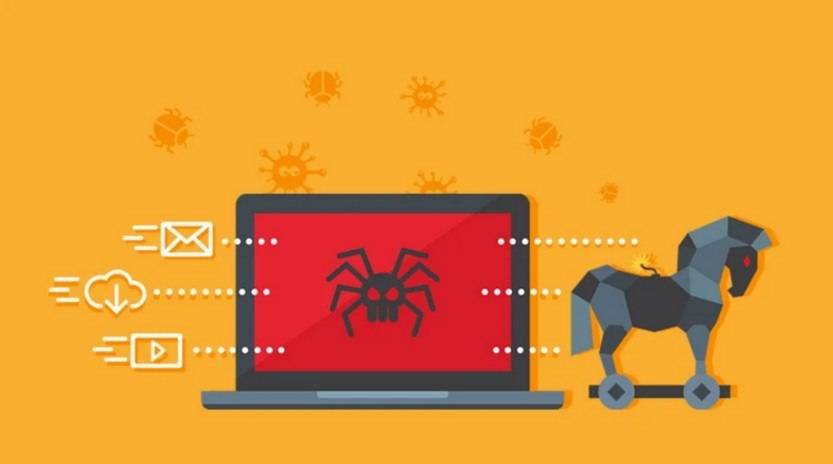
What is an ‘Account Suspended’ Email Phishing Scam?
An ‘Account Suspended’ email phishing scam is a type of cyber attack where scammers send fraudulent emails to individuals, posing as legitimate organizations or service providers. These emails typically claim that the recipient’s account has been suspended due to suspicious activity or a violation of terms and conditions. The scammers then prompt the recipient to click on a link or provide personal information to resolve the alleged issue.
These phishing emails often mimic the branding and design of well-known companies, making them appear genuine and trustworthy. They exploit the fear of losing access to important accounts or services to trick individuals into divulging sensitive information, such as login credentials, credit card details, or social security numbers.
How Does the Scam Work?
The ‘Account Suspended’ email phishing scam typically follows a well-defined process to maximize its chances of success:
- The scammer identifies a target, often by obtaining email addresses through data breaches or purchasing them from the dark web.
- They craft a convincing email that appears to be from a reputable organization, such as a bank, online retailer, or social media platform.
- The email informs the recipient that their account has been suspended due to suspicious activity or a violation of terms and conditions.
- To resolve the issue, the email instructs the recipient to click on a link or download an attachment.
- Once the recipient clicks on the link or downloads the attachment, they are redirected to a fake website that closely resembles the legitimate organization’s login page.
- The victim is then prompted to enter their login credentials or other sensitive information, which is captured by the scammers.
- With the obtained information, the scammers can gain unauthorized access to the victim’s account, commit identity theft, or carry out other malicious activities.
It is important to note that these phishing emails can be highly sophisticated, making it difficult for even tech-savvy individuals to distinguish them from legitimate communications.
What to Do If You Have Fallen Victim?
Discovering that you have fallen victim to an ‘Account Suspended’ email phishing scam can be distressing, but it is crucial to take immediate action to minimize the potential damage:
- Change your passwords: If you have provided your login credentials, change your passwords for all affected accounts immediately. Use strong, unique passwords and consider using a password manager to enhance security.
- Monitor your accounts: Regularly monitor your bank statements, credit reports, and other financial accounts for any suspicious activity. Report any unauthorized transactions or signs of identity theft to the respective institutions.
- Enable two-factor authentication (2FA): Implementing 2FA adds an extra layer of security to your accounts by requiring a second form of verification, such as a unique code sent to your mobile device, in addition to your password.
- Scan for viruses and malware: Run a scan with a reputable antivirus software, such as Malwarebytes Free, to ensure your device is not infected with any malicious software.
- Report the scam: Inform the organization that the scammers impersonated, as well as your local law enforcement agency, about the phishing scam. This can help them take appropriate action and potentially prevent others from falling victim.
Technical Details of ‘Account Suspended’ Email Phishing Scams
Understanding the technical aspects of ‘Account Suspended’ email phishing scams can provide valuable insights into the methods employed by scammers:
- Spoofed email addresses: Scammers often use techniques to make the email appear as if it is coming from a legitimate source. They may use email spoofing to manipulate the sender’s address, making it seem like it is from a trusted organization.
- Malicious links and attachments: The links or attachments included in the phishing emails can lead to fake websites or malware-infected files. These websites or files are designed to capture sensitive information or infect the victim’s device.
- Pharming: In some cases, scammers may employ pharming techniques, where they redirect victims to fake websites without the need for the victim to click on a link. This can be achieved by compromising DNS servers or using malware.
- Obfuscation: Scammers often obfuscate the code or content of their phishing emails to evade detection by spam filters and antivirus software. This makes it more challenging for automated systems to identify and block these fraudulent emails.
Statistics on ‘Account Suspended’ Email Phishing Scams
The prevalence of ‘Account Suspended’ email phishing scams is alarming, with numerous individuals falling victim to these deceptive tactics. Consider the following statistics:
- In 2020, the FBI’s Internet Crime Complaint Center (IC3) received over 241,000 complaints related to phishing scams, resulting in losses exceeding $54 million.
- A study conducted by Verizon found that 30% of phishing emails are opened by targeted individuals, and 12% of those targeted individuals click on the malicious links or attachments.
- According to the Anti-Phishing Working Group (APWG), there was a 22% increase in phishing attacks in the first quarter of 2021 compared to the previous quarter.
Conclusion
‘Account Suspended’ email phishing scams continue to pose a significant threat to individuals and organizations alike. These scams exploit the fear of losing access to important accounts or services, tricking individuals into divulging sensitive information.

Join the discussion
0 commentsShare your experience or ask a question about this article.
Discussion
Start the conversation
Have a question or something useful to share? Add the first comment.